
Kawaii means “cute” in Japanese.
However, in Japan, kawaii also means a style and a way of life.
Kawaii appears in fashion, art, food, and daily items.
Therefore, it is part of modern Japanese culture.
The Origins of Kawaii
Kawaii culture started more than 100 years ago.
In 1914, Takehisa Yumeji opened Minatoya Ezoshi-ten in Nihonbashi, Tokyo.
The shop sold chiyogami paper, envelopes, and small fashion items for young women.
Yumeji drew girls with round faces and large eyes.
Therefore, his style became the base of early kawaii design.
At the same time, more young women went to school and work.
However, they still wanted soft and gentle designs.
So cute paper, pastel colors, and small items became popular.
Today, this style still shapes kawaii culture.
Takehisa Yumeji and Kawaii
Takehisa Yumeji helped create early kawaii art.
His drawings showed soft faces and gentle eyes.
People can see his work at the Yayoi-Yumeji Museum in Tokyo.
The museum shows his original art and prints.
Therefore, visitors can understand how kawaii began.
Kawaii in Modern Japan
Today, kawaii is part of daily life in Japan.
It appears in clothes, characters, ads, and shops.
However, kawaii did not start with anime or social media.
In the 1980s, cute pop singers became popular in Japan.
Many young women copied their hairstyles and fashion.
For example, Seiko Matsuda became famous for her soft voice and sweet image.
Her style helped shape the modern idea of kawaii.
Therefore, kawaii grew not only from cartoons,
but also from music and youth culture.
Harajuku
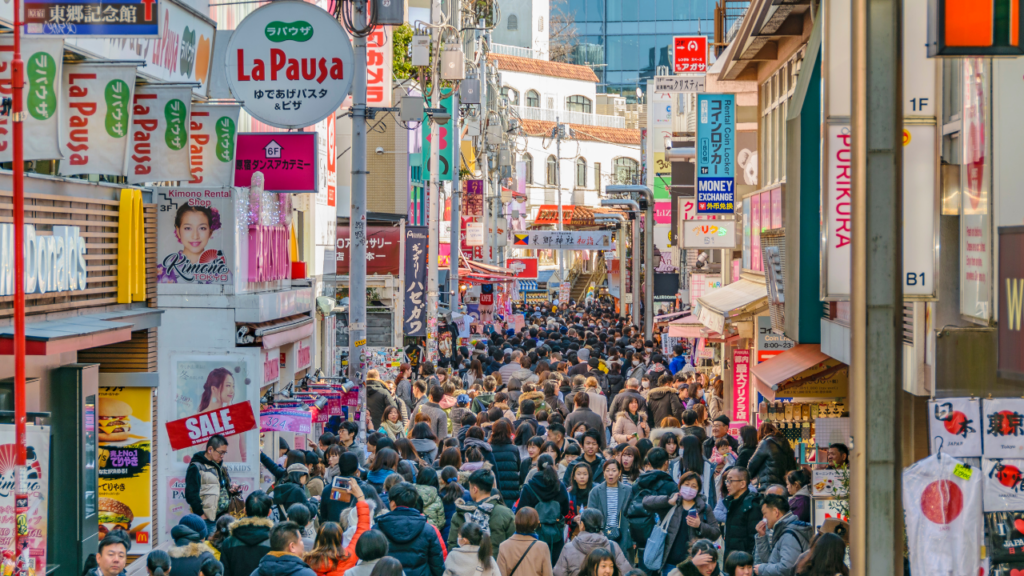
Harajuku is a center of kawaii fashion.
Takeshita Street has many shops with colorful clothes and sweets.
Brands like Baby, The Stars Shine Bright and Angelic Pretty sell Lolita fashion.
This style uses frills, pastel colors, and cute shapes.
Therefore, Harajuku shows modern kawaii fashion.
Sanrio Puroland
Sanrio Puroland is in Tama, Tokyo.
It is the home of Hello Kitty, My Melody, and Cinnamoroll.
The park has pastel buildings and character shows.
Therefore, visitors can see kawaii characters in one place.
Akihabara
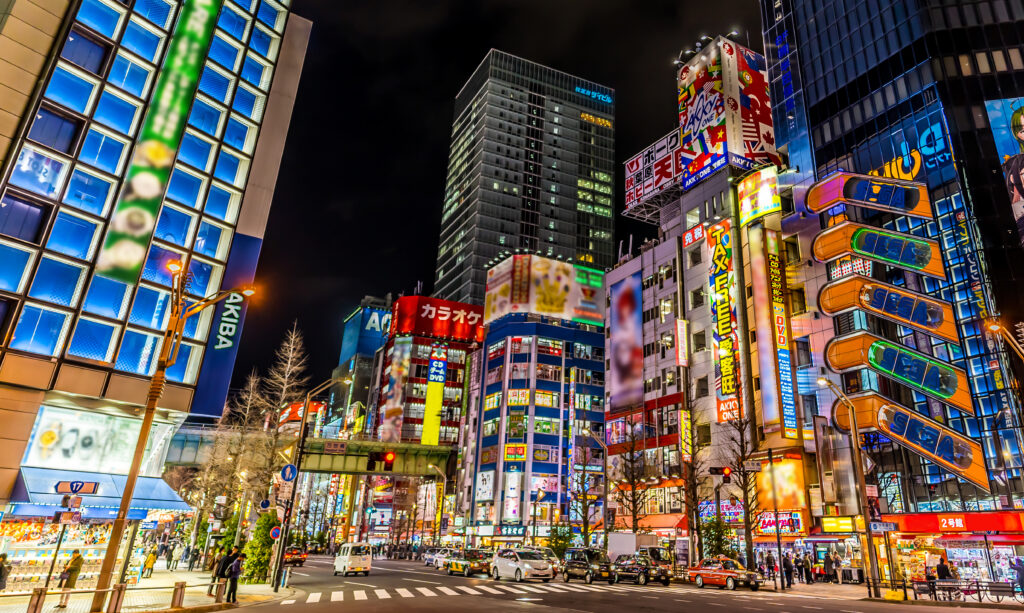
Akihabara is known for anime and games.
However, it is also a center of kawaii culture.
Maid cafés are common in this area.
Staff wear cute costumes and serve food with cute designs.
Therefore, Akihabara mixes kawaii and otaku culture.
Why Foreign Visitors Like Kawaii
Kawaii culture is easy to enjoy.
Therefore, people of all ages can like it.
Japan also sells many kawaii items.
For example, there are cute snacks, toys, and notebooks.
Many places also look good in photos.
Therefore, kawaii spots are popular on social media.
Experience Kawaii in Japan
Travelers can see kawaii in Harajuku, Akihabara, and Sanrio Puroland.
These places show different sides of kawaii culture.
Therefore, visitors can choose fashion, characters, or anime style.
FAQ
Kawaii means “cute” in Japanese.
However, it also means a soft and gentle style.
People can see it in Harajuku, Akihabara, and Sanrio Puroland.
No.
Many adults also enjoy kawaii fashion, items, and characters.