
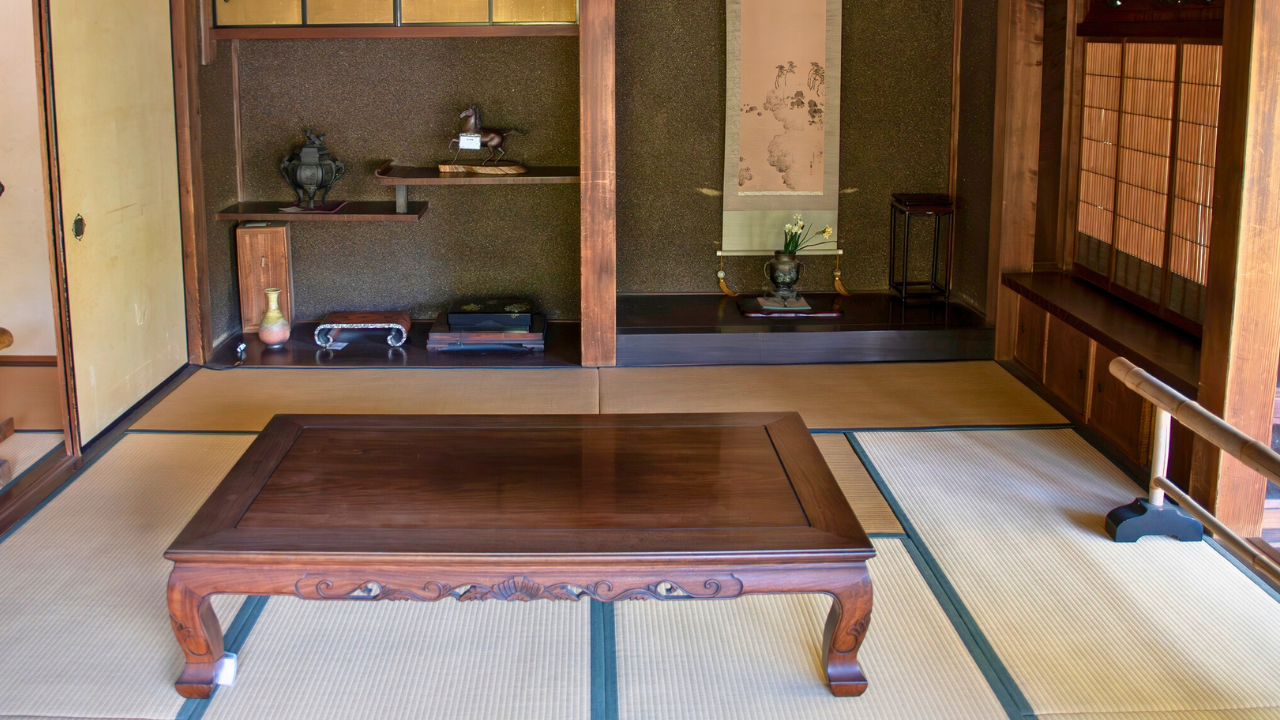
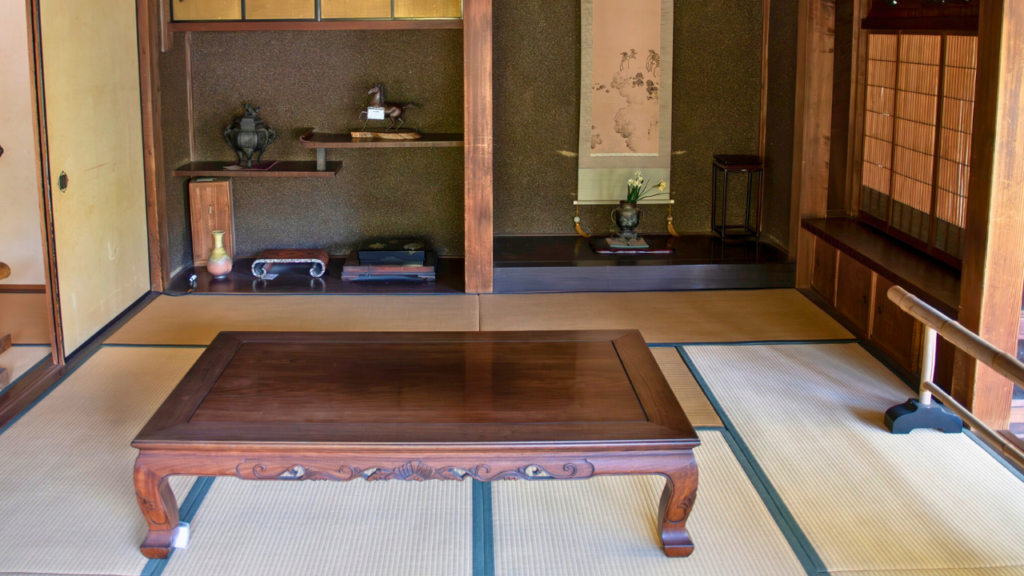
Japanese tatami rooms are a key part of traditional Japanese living.
These rooms use tatami mats made from woven straw and are known for their calm and simple atmosphere.
You can find tatami rooms in ryokan, temples, and traditional houses.
They offer a quiet space that feels very different from modern Western rooms.
What Is a Tatami Room?
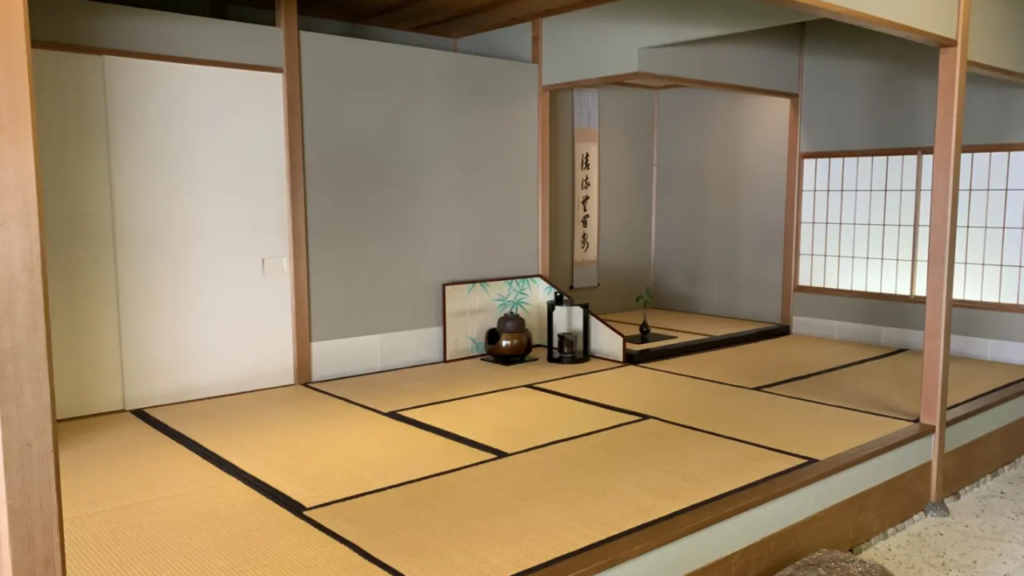
A tatami room, called washitsu in Japanese, has floors covered with tatami mats.
Tatami mats are made from natural rush grass and have a light, earthy smell.
People use tatami rooms for many activities.
For example, they are used for sleeping, tea ceremonies, meditation, and daily relaxation.
Unlike modern rooms, tatami rooms focus on natural materials and open space.
Key Features of Tatami Rooms
Tatami rooms include several traditional elements that shape the space.
Shoji
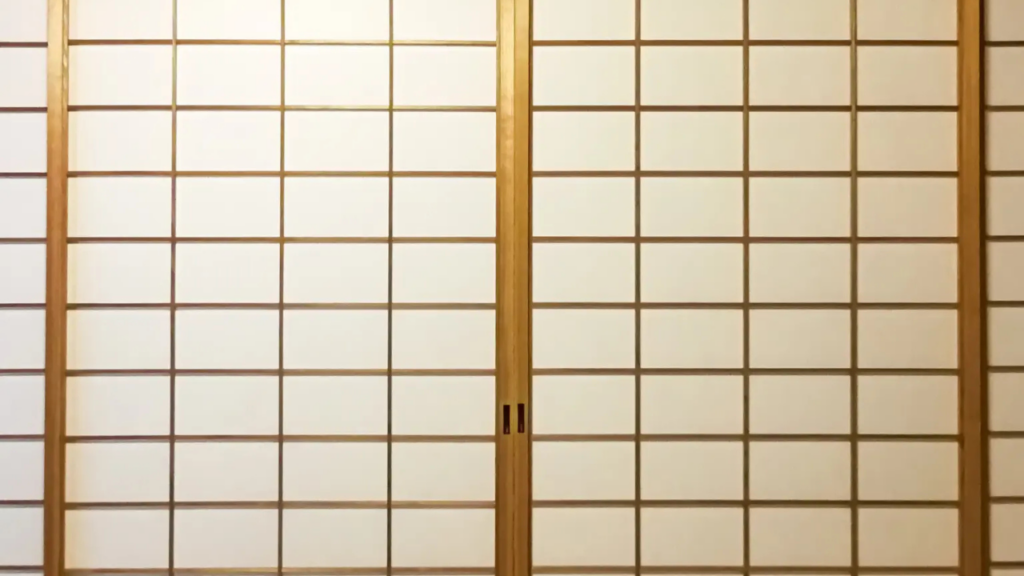
Shoji are sliding doors made of wood and paper.
They let in soft daylight and reduce harsh light, which helps the room feel calm.
Fusuma
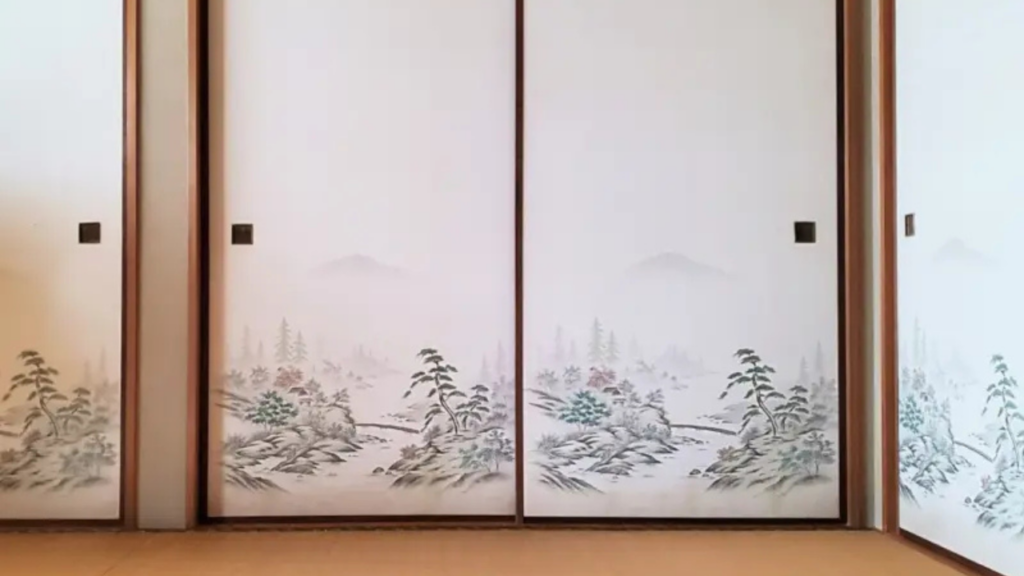
Fusuma are sliding panels used as doors or room dividers.
They allow rooms to change size and are often decorated with simple artwork.
Tokonoma
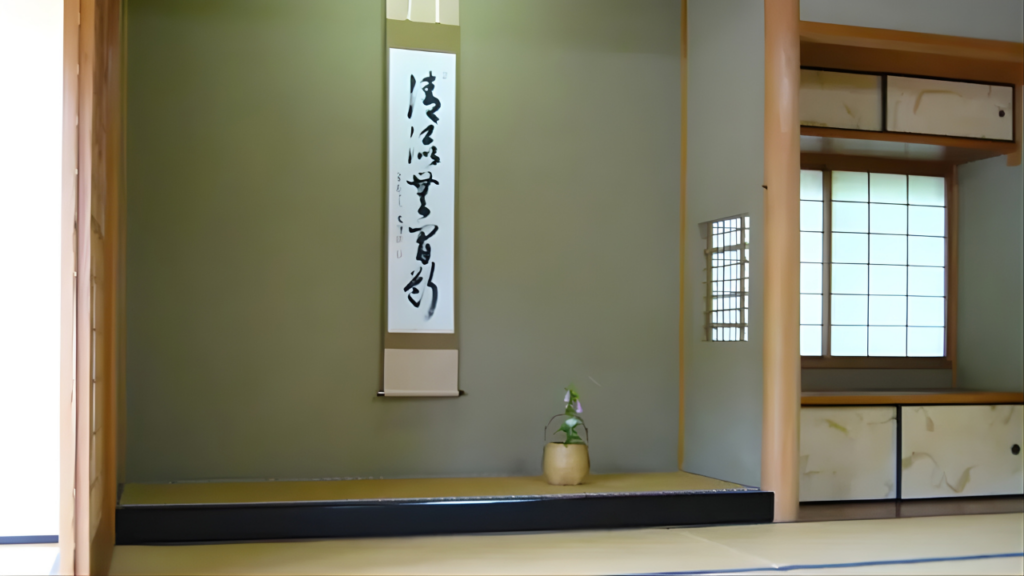
The tokonoma is a small display space inside the room.
It usually holds a hanging scroll or flowers and shows seasonal or artistic themes.
Together, these features create a flexible and quiet living space.
How to Use a Tatami Room
To use a tatami room properly, a few simple rules help.
- Remove shoes before entering
- Sit on cushions or directly on the floor
- Avoid stepping on the edges of the tatami mats
Following these customs keeps the mats clean and helps maintain the room.
Where Can You Experience Tatami Rooms?
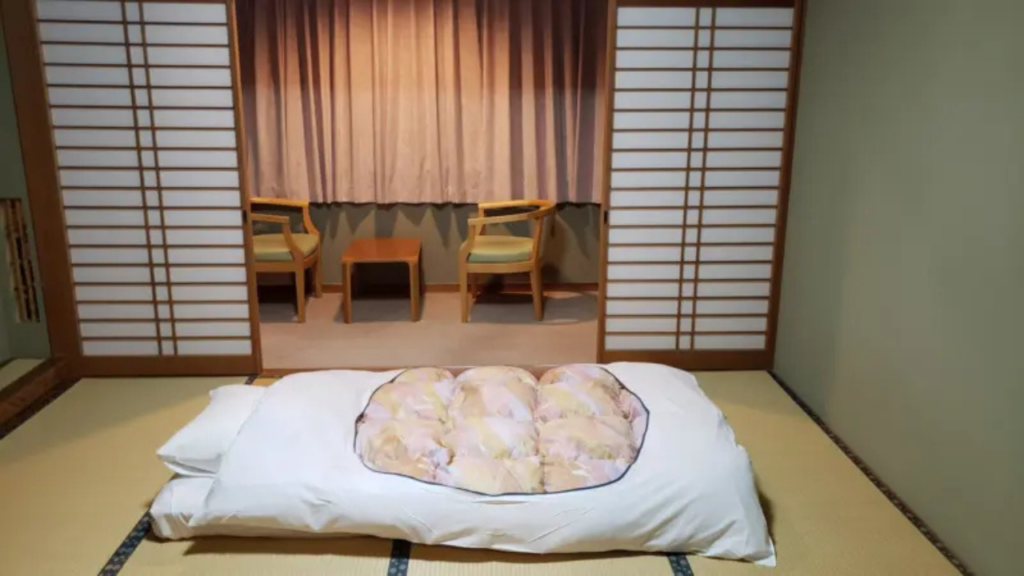
Tatami rooms are still easy to find in Japan.
- Ryokan: Traditional inns where guests sleep on futons placed on tatami
- Tea houses: Spaces used for tea ceremonies
- Temples: Quiet areas designed for reflection and meditation
Each place offers a slightly different experience, but the room style stays similar.
Tatami and Health: Why It Feels Comfortable
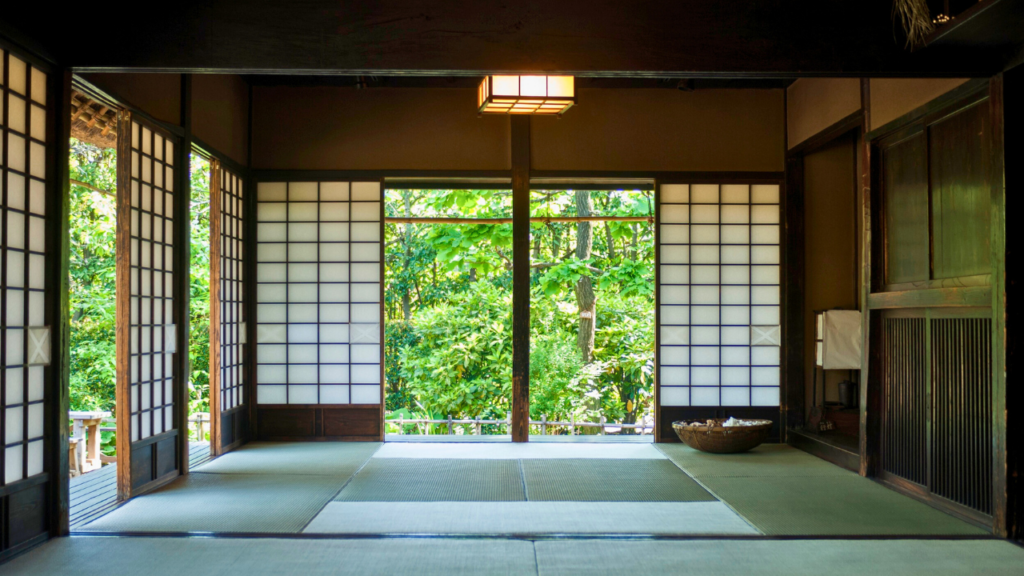
Tatami mats affect the indoor environment in several practical ways.
1. Balances Humidity
Tatami absorbs moisture when the air is humid and releases it when the air is dry.
This helps keep rooms comfortable year-round.
2. Improves Air Quality
Tatami can absorb certain chemicals found in indoor air.
As a result, the air can feel fresher.
3. Soft and Safe Surface
Tatami has a light cushion.
It reduces impact on knees, feet, and backs and is safer for children and older adults.
4. Natural Scent
Fresh tatami has a mild grass smell.
Many people find this scent calming and easy to relax with.
5. Antibacterial Properties
Tatami materials can help reduce odor-causing bacteria.
This keeps the room feeling clean.
Fun Facts About Tatami
- Room size is often measured by the number of tatami mats
- Well-maintained tatami can last up to 20 years
- Tatami was once used only by nobles and samurai
Tatami in Traditional Japanese Activities
Judo
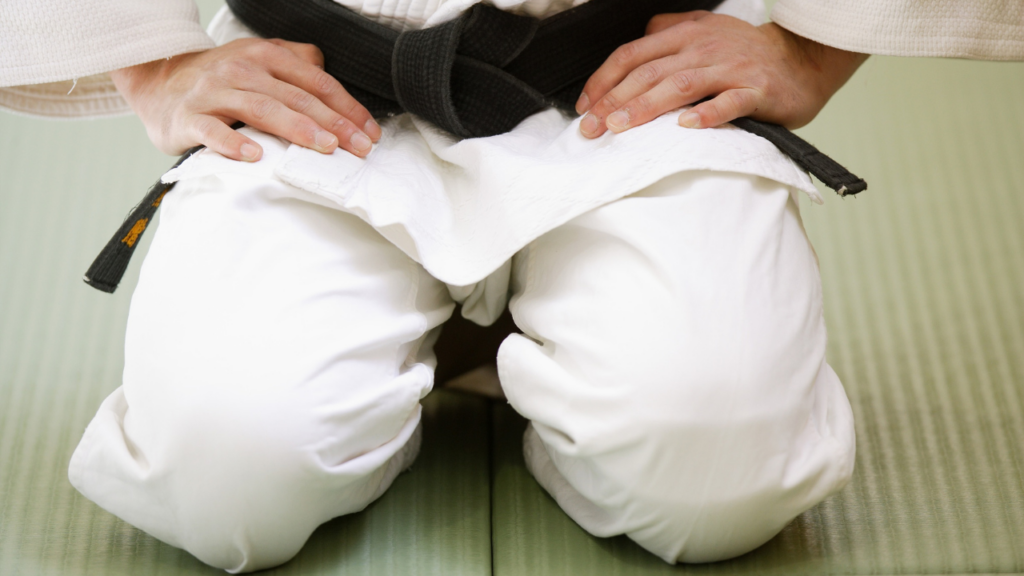
Judo is practiced on special tatami mats.
These mats absorb shock when athletes fall, helping prevent injury.
Shogi
Shogi, or Japanese chess, is often played in tatami rooms.
Players sit on cushions and focus quietly, which suits the calm space.
Why Tatami Is Still Used Today
Tatami is natural, flexible, and comfortable.
It works well for physical activities like judo and quiet activities like meditation or games.
For these reasons, tatami remains an important part of Japanese culture.
FAQ
Traditionally, people sit in the seiza position on the floor.
However, sitting cross-legged is also common, especially for visitors.
As a result, most people can sit comfortably without special training.
Yes, tatami rooms are still used today.
For example, they are often found in ryokan, temples, and older homes.
Therefore, travelers can easily experience them without difficulty.
Replacing tatami mats in a 6-mat room costs about ¥52,200 (around USD $348 at ¥150 per dollar).
However, the price can increase depending on the materials and quality.
As a result, many homes replace tatami mats gradually rather than all at once.