
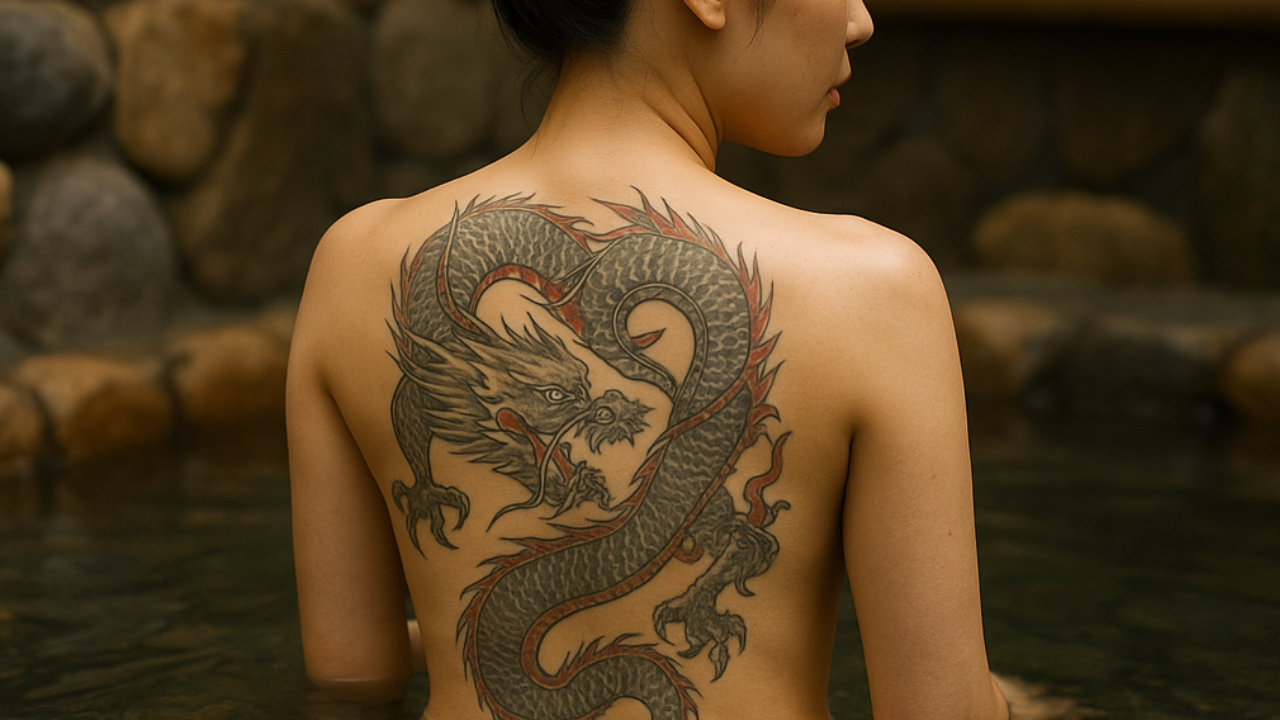
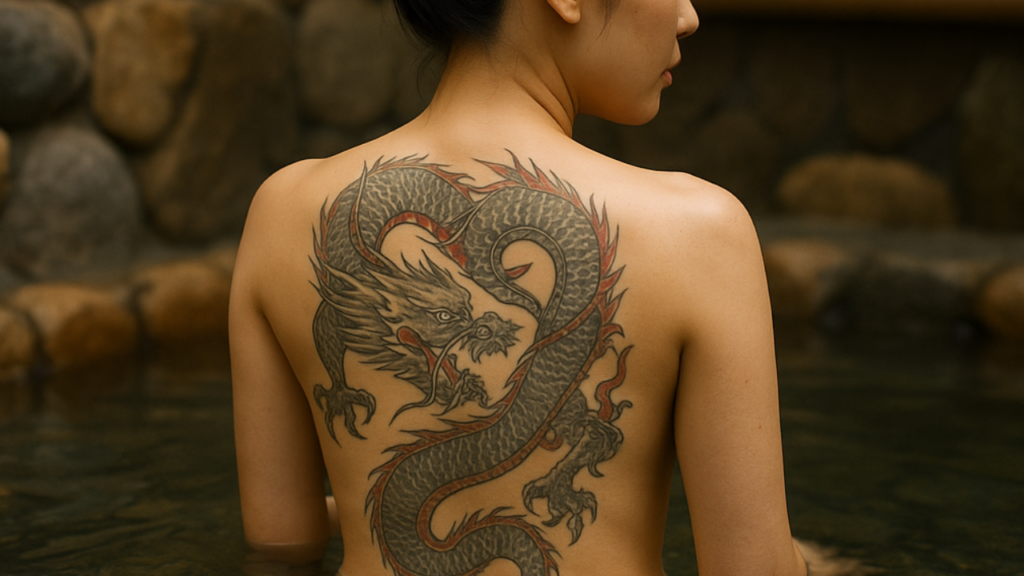
Tattoos can be a beautiful form of self-expression.
However, in Japan, they carry cultural associations that still influence access to public places—especially hot springs (onsen) and public baths (sento).
This guide explains the historical roots of tattoo restrictions in Japan and what travelers with tattoos can do to enjoy their stay.
1. Historical Context of Tattoos in Japan
Tattoos and Crime Associations
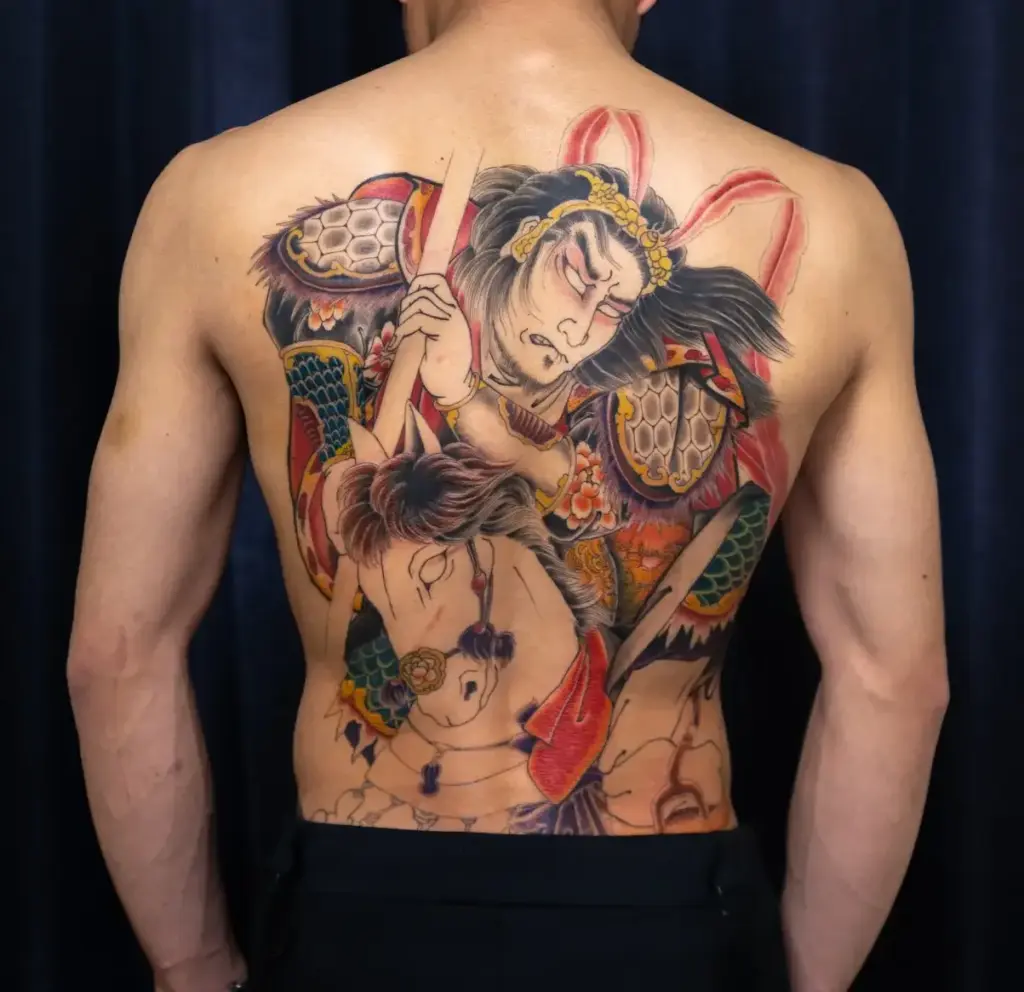
Historically, tattoos in Japan have been closely linked to the yakuza, Japan’s organized crime groups.
Because of this, yakuza members adopted full-body tattooing as one of their defining traits.
Over time, this image spread, and people began to associate tattoos with intimidation, rebellion, and crime.
Punitive Tattoos in the Past
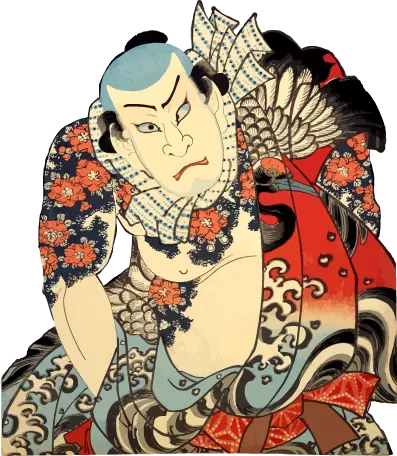
During the Edo period (1603–1867), authorities sometimes used tattoos as punishment.
They marked criminals with visible designs to publicly shame them.
This practice reinforced the idea that tattoos symbolized social deviance.
Tattoos as a Symbol of Bravery and Style
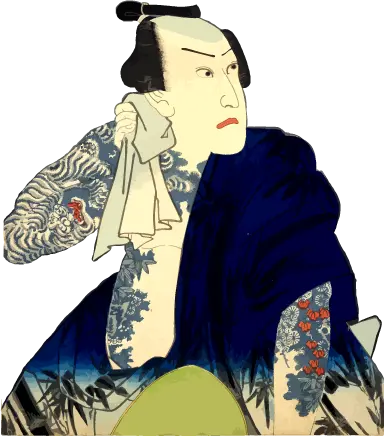
Not all tattoo culture in Japan was negative.
Workers such as tobi (scaffolders) and firefighters often carried bold tattoos as signs of courage. These men worked in dangerous environments and wore minimal clothing, making tattoos both protective and symbolic.
In Edo-period urban culture, such tattooed workers were admired as stylish and heroic. Their tattoos came to represent the aesthetic known as “Edo chic,” reflecting the bold and spirited atmosphere of the era.

2. Why Tattoos Are Restricted in Onsens and Sento
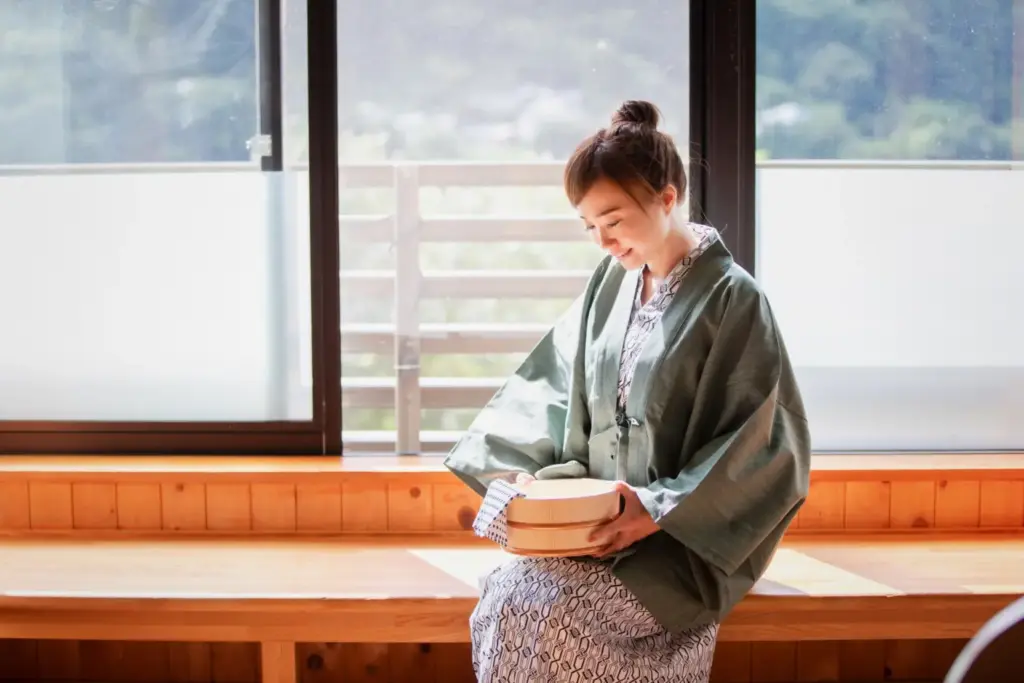
Onsens and sento are designed to be calm, relaxing spaces.
Because of the historical link between tattoos and organized crime, many facility owners worry that visible tattoos might make other guests uncomfortable.
For that reason, some hot springs and public baths continue to prohibit tattoos, regardless of the wearer’s nationality or intention.
3. Changing Perspectives
Younger Generations and Tourism
Many younger Japanese people have a more accepting view of tattoos.
With increasing tourism, a growing number of facilities now welcome tattooed visitors.
Global Influence
International influence—especially in major cities such as Tokyo, Osaka, and Kyoto—has contributed to shifting attitudes.
More onsens and sento are adopting flexible or case-by-case policies.
4. Tips for Tattooed Travelers in Japan
Find Tattoo-Friendly Onsens and Sento

Many websites and apps list tattoo-friendly establishments, so travelers can easily find places that allow tattoos.
Use Cover-Up Stickers
Some facilities allow tattoos if you fully cover them with stickers. You can buy waterproof cover-up stickers easily, and they are inexpensive.
Book a Private Bath
Private onsen rooms, family baths, or in-room hot spring tubs generally have no tattoo restrictions.

FAQ
Yes. Many reputable tattoo studios welcome foreign clients. You should research artists in advance to find one that fits your style.
Japan has no laws against showing tattoos in public. However, traditional places such as ryokan and onsen often restrict tattoos, so you may not be able to enter with visible designs.
Yes—especially in large cities. Businesses that cater to tourists are becoming more flexible.
Most Japanese people understand that tattoos have different cultural meanings overseas, and they generally do not judge foreign tourists negatively.