
Japan is known for its beauty, safety, and deep sense of courtesy.
However, some everyday manners may feel unfamiliar to first-time visitors.
This guide explains basic Japanese etiquette in simple terms—from greetings and trains to food, onsen, and temples—so you can travel comfortably and respectfully without stress.
- 1. Greetings and Bowing in Japan
- 2. Taking Off Your Shoes
- 3. Public Transportation Etiquette
- 4. Riding Trains and the Shinkansen
- 5. Trash and Recycling in Japan
- 6. Eating Etiquette
- 7. Onsen (Hot Springs) Etiquette
- 8. Visiting Temples and Shrines
- 9. Nara’s Deer: What You Should Know
- 10. Common Scams and Precautions in Japan
- Final Thoughts
1. Greetings and Bowing in Japan
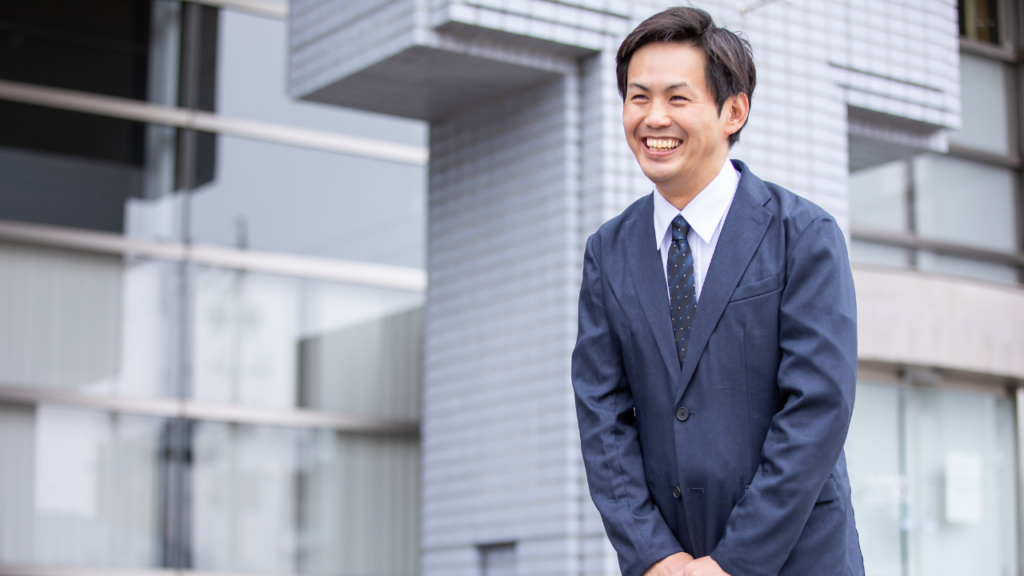
Bowing is a common way to show respect in Japan.
It is used for greetings, thanks, and apologies.

For travelers, a small, natural bow is more than enough.
Among close friends, people often skip bowing altogether.
That said, you don’t need to overthink it.
A smile and a small wave are perfectly fine, too.
Useful Words
- Konnichiwa – Hello
- Arigatou gozaimasu – Thank you
Even trying these words leaves a good impression.
2. Taking Off Your Shoes
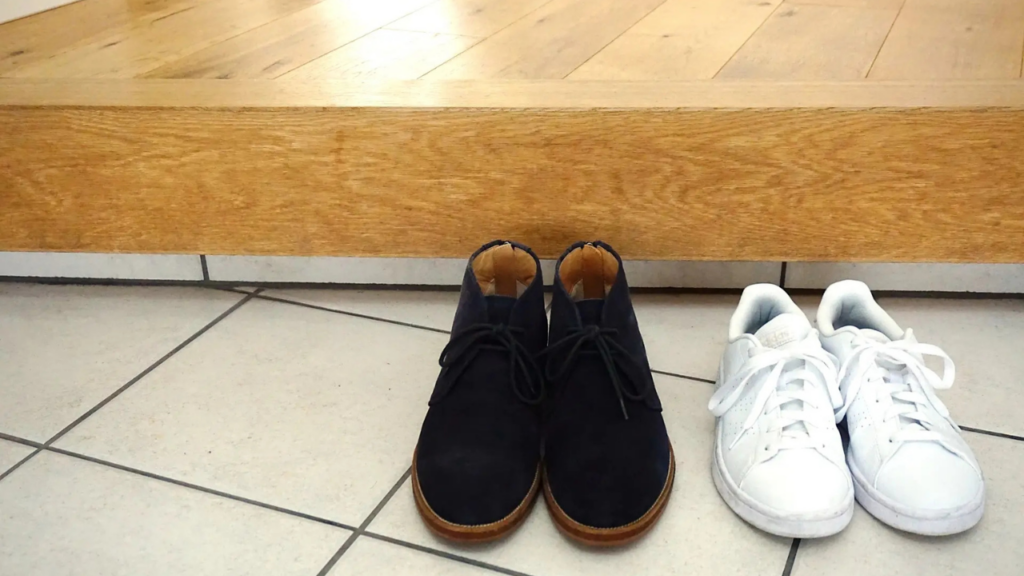
You should remove your shoes when entering:
- Homes
- Traditional inns (ryokan)
- Some temples and restaurants
Shoes are left neatly near the entrance.
If slippers are provided, use them.
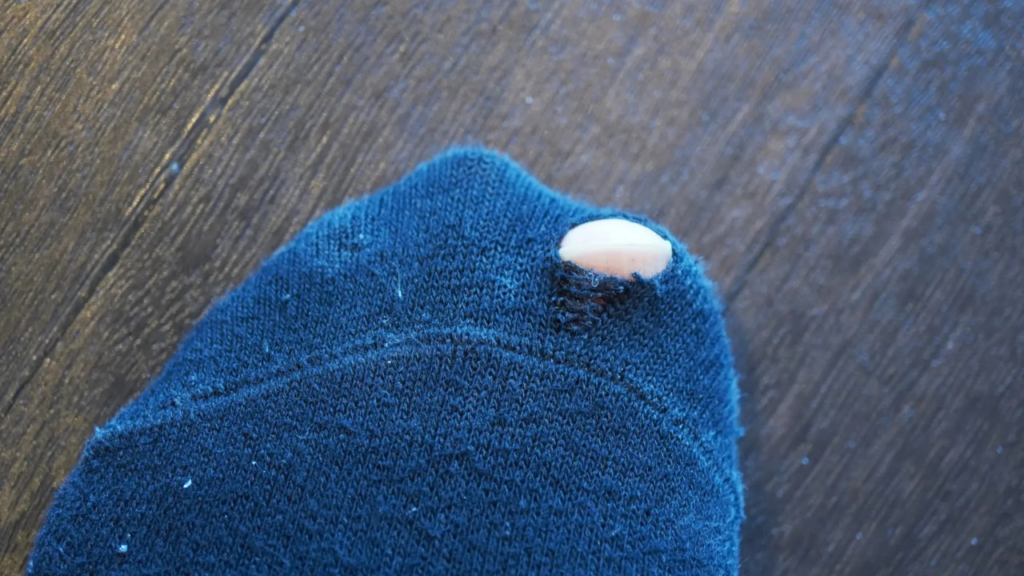
And yes—if you discover a hole in your sock at that moment, you have two choices:
hide it quietly, or laugh and own it. Both are perfectly human.
3. Public Transportation Etiquette
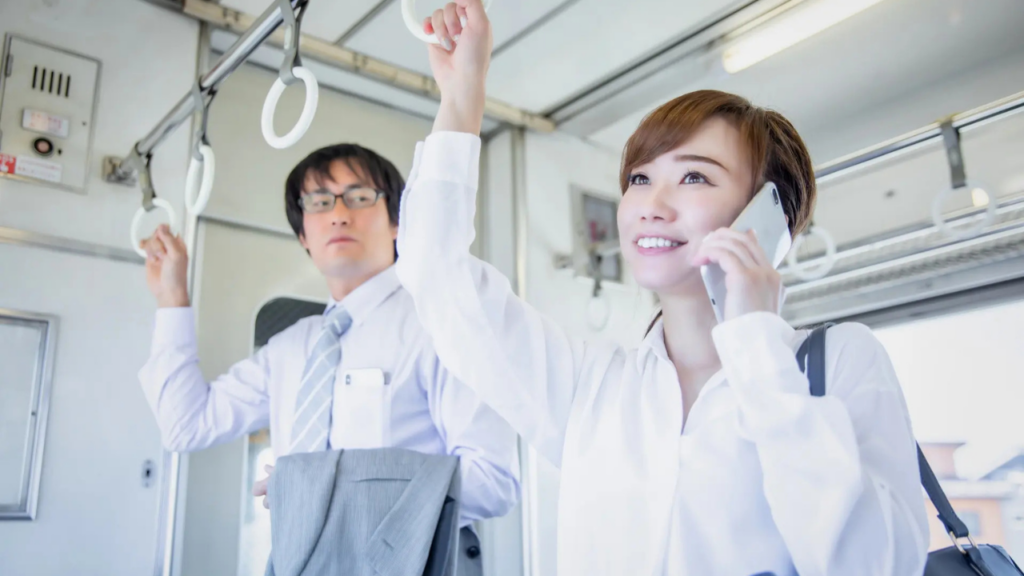
Japanese trains are usually quiet.
- Speak softly
- Avoid phone calls on local trains
- Keep headphone volume low
On the Shinkansen, phone calls are allowed between train cars.
Interestingly, someone sleeping with their mouth wide open is not considered rude—just peacefully happy.
4. Riding Trains and the Shinkansen
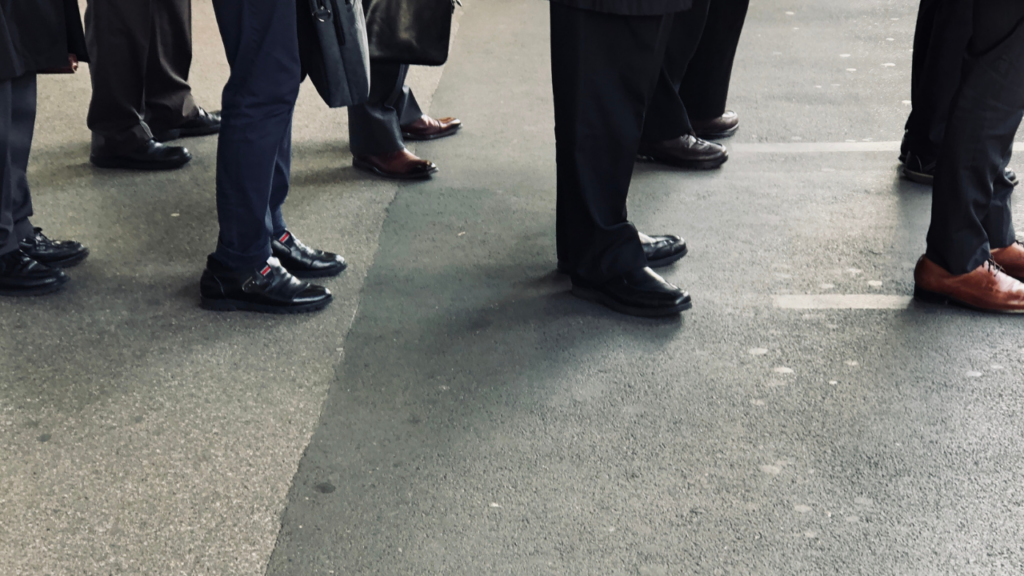
These simple habits make everything smoother:
- Line up at platform markings
- Let passengers exit first
- Board calmly, without rushing
These are not strict rules, but shared manners.
Good etiquette in Japan is less about rules—and more about kindness.
5. Trash and Recycling in Japan
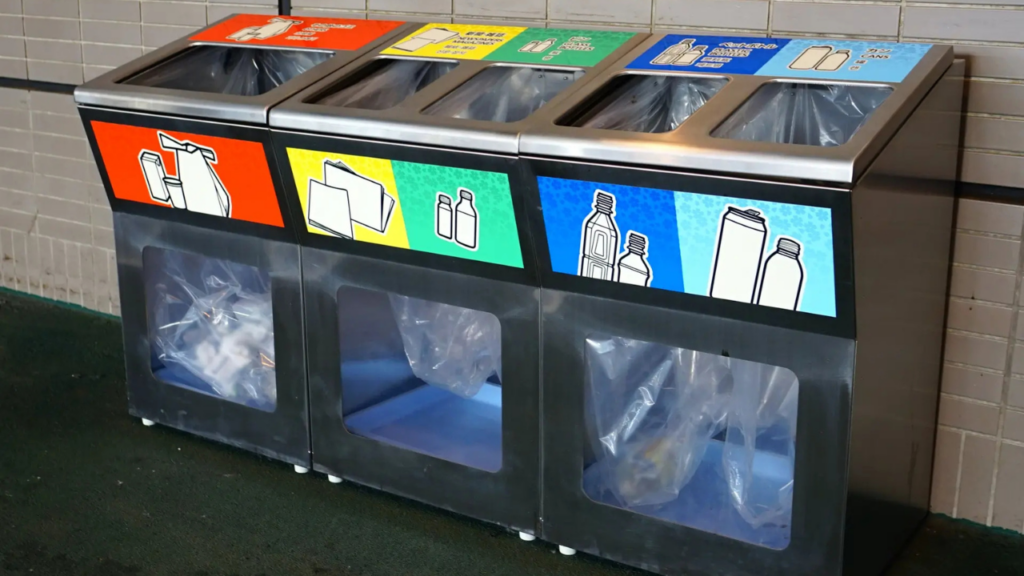
Trash bins are surprisingly rare.
- Carry your trash until you find one
- Separate bottles, cans, and burnable trash
This habit keeps cities clean without constant public bins.
6. Eating Etiquette
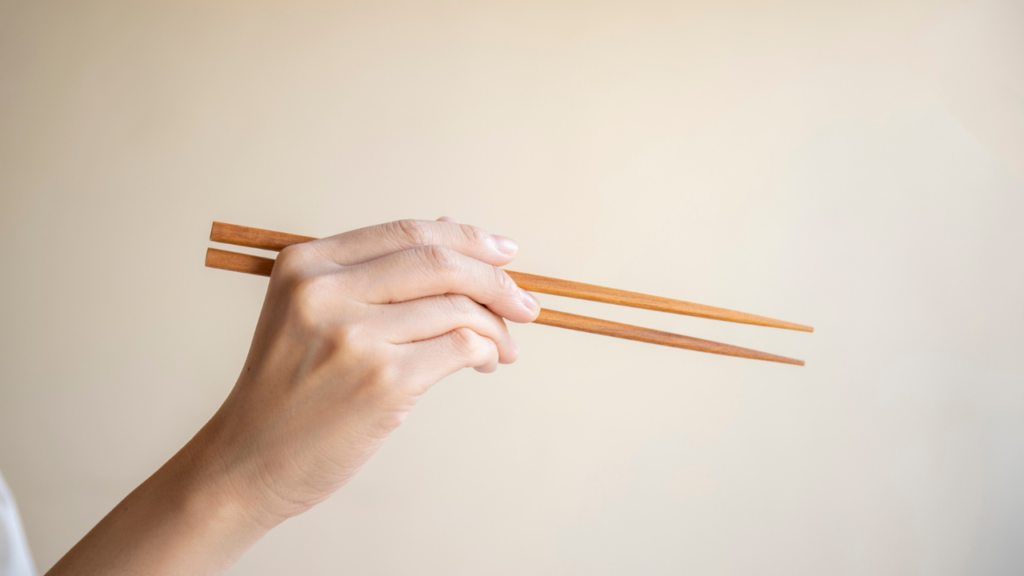
Chopsticks
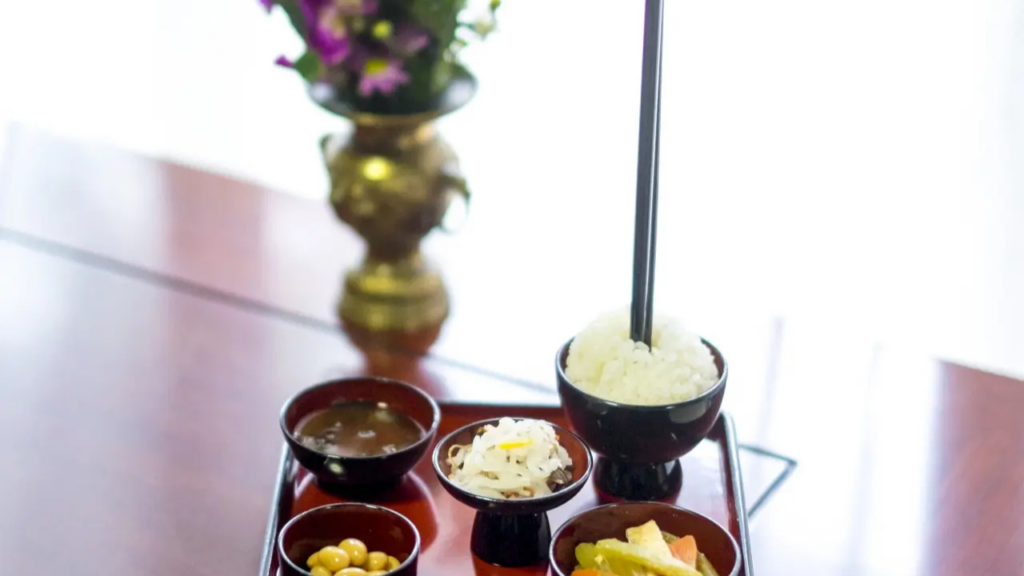
Avoid these actions:
- Sticking chopsticks upright in rice
- Passing food directly from chopsticks to chopsticks
Both are linked to funeral customs.
Before and After Eating
- Itadakimasu – said before eating
- Gochisousama deshita – said after finishing
If you say this to the cook or staff, you may see a genuine smile.
Add “Totemo oishikatta desu” (It was very delicious), and you might melt a heart.
7. Onsen (Hot Springs) Etiquette
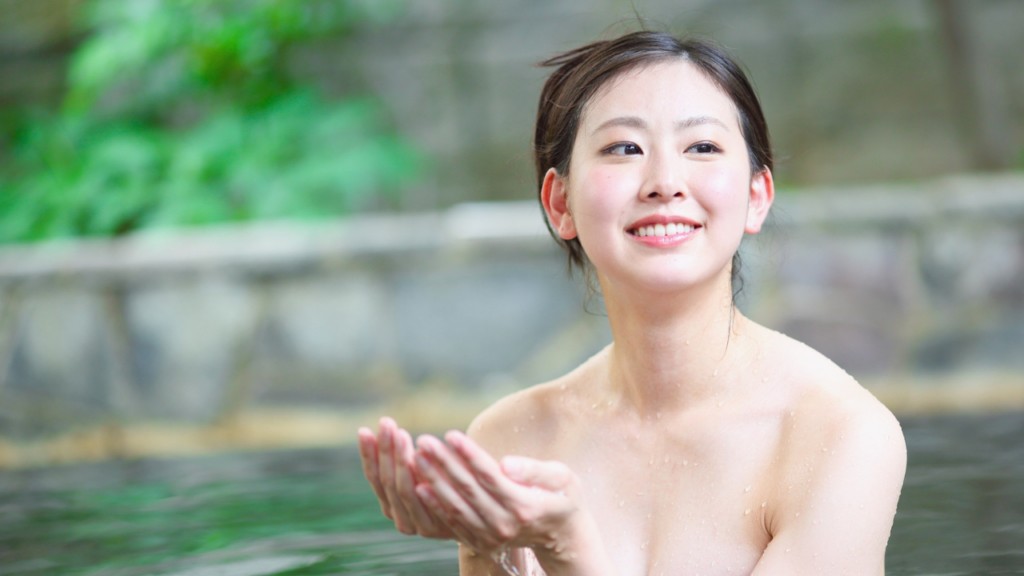
Before entering the bath:
- Wash your body thoroughly
- Rinse off all soap
Inside the bath:
- Do not put towels in the water
- Keep large towels outside
Not sure where to put your small towel?
Fold it and place it on your head—yes, that’s normal.
8. Visiting Temples and Shrines
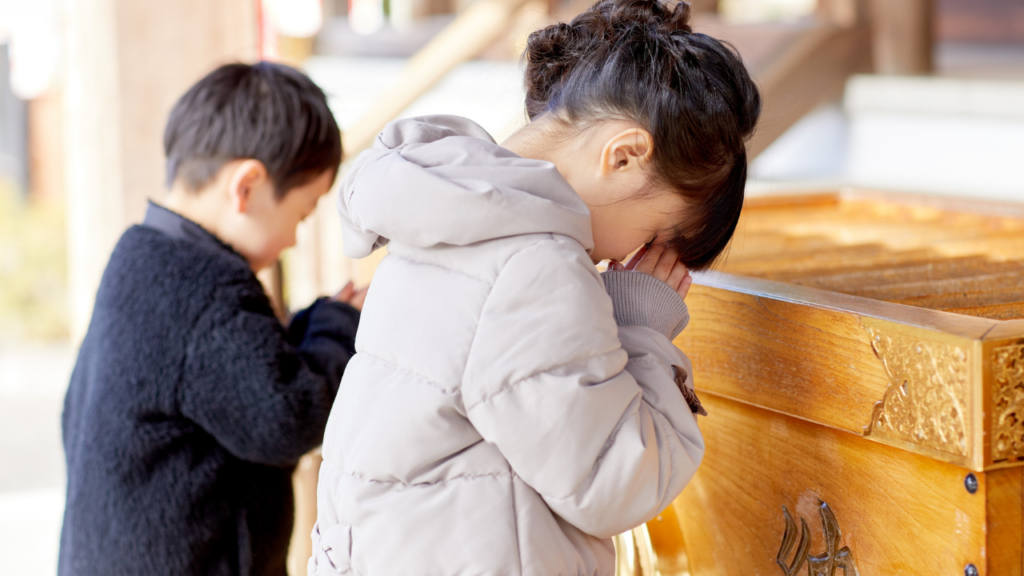
Before entering, purify your hands (and lightly rinse your mouth) at the water basin.
Prayer Differences
- Shrines: Two bows, two claps, one bow
- Temples: Hands together, quiet prayer
Even many Japanese people mix this up.
What truly matters is respect, not perfection.
9. Nara’s Deer: What You Should Know
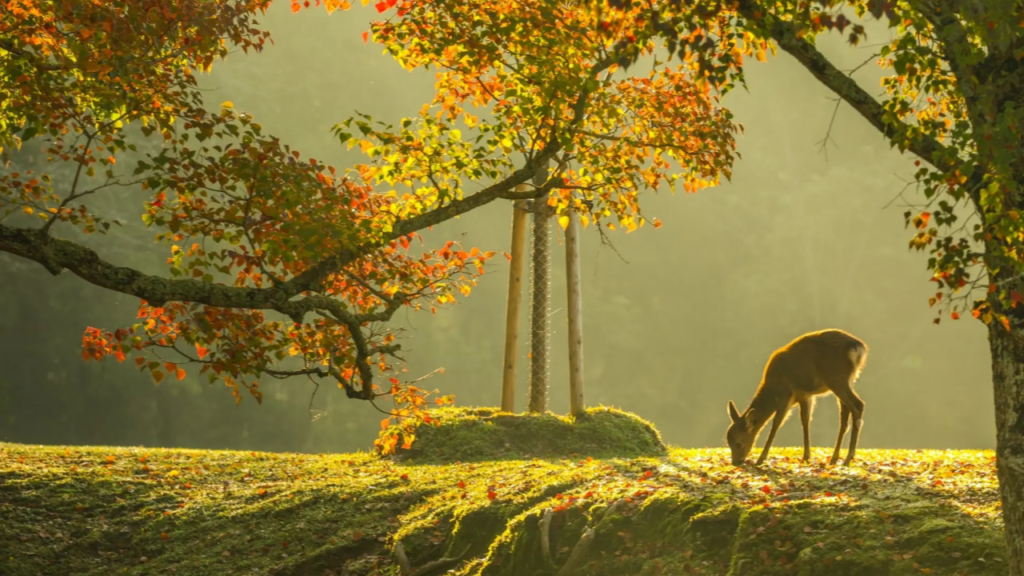
The deer in Nara Park are considered sacred.
Safety Tips
- Feed only Shika Senbei (special crackers sold in the park)
- Never hit or tease the deer
- Avoid touching them unnecessarily
Be extra careful:
- Spring: mothers protect fawns
- Autumn: males can be aggressive during mating season
Always supervise children closely.
10. Common Scams and Precautions in Japan
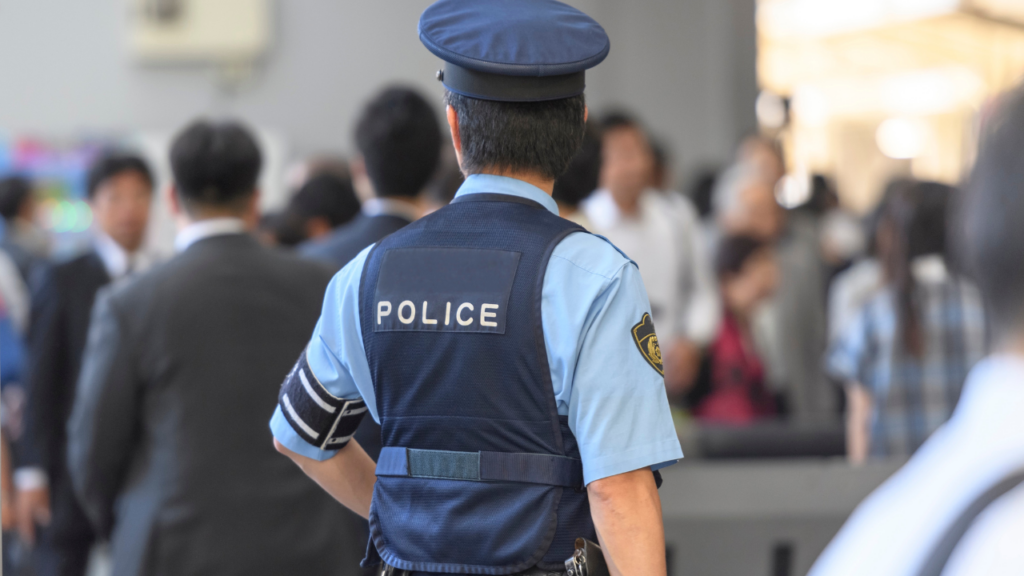
Japan is very safe, but stay aware:
- Be cautious of offers that sound too good
- Avoid aggressive street promoters in nightlife areas
- Buy branded goods only from trusted stores
- Keep valuables secure in crowded places
A calm “No, thank you” is enough.
Final Thoughts
You don’t need to memorize every rule to enjoy Japan.
A little awareness, patience, and kindness go a long way.
Respect the space, follow the flow, and you’ll find that Japan welcomes you quietly—and warmly.
Yes, perfect bowing is not required for travelers.
However, a small bow or a smile felt natural, and the atmosphere stayed calm.
As a result, the interaction felt quiet and friendly.
Yes, trains usually feel very quiet compared to other countries.
For example, I noticed fewer sounds and could relax my body more easily.
Therefore, even standing felt less tiring.
Yes, it is better to stop and eat in one place.
However, when I walked without eating, the streets felt cleaner and calmer.
As a result, the air felt less busy.