Karaoke in Japan is widely used in daily life. People use it for gatherings with friends, relaxation after work, and personal time. It is an entertainment space, but it also functions as a place for communication. The ways people use karaoke are diverse.
Private rooms make karaoke easy to use
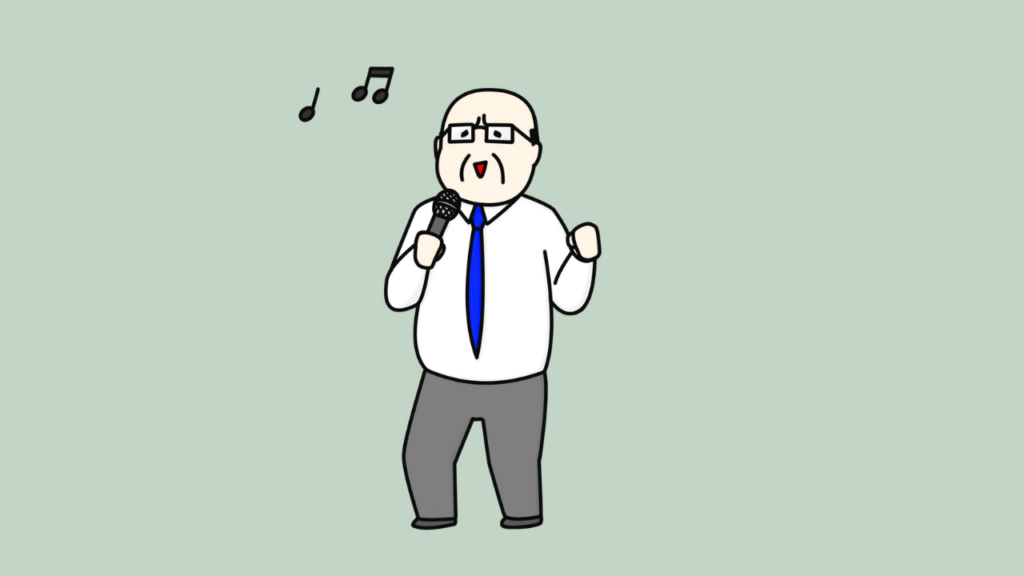
Most karaoke in Japan uses private rooms (booths).
This style allows people to sing without worrying about others.
- groups can talk and eat inside the room
- people can control volume and song choices
- solo users can also feel comfortable
This system makes karaoke flexible for many situations.
It is a place to share time, not a place to compete
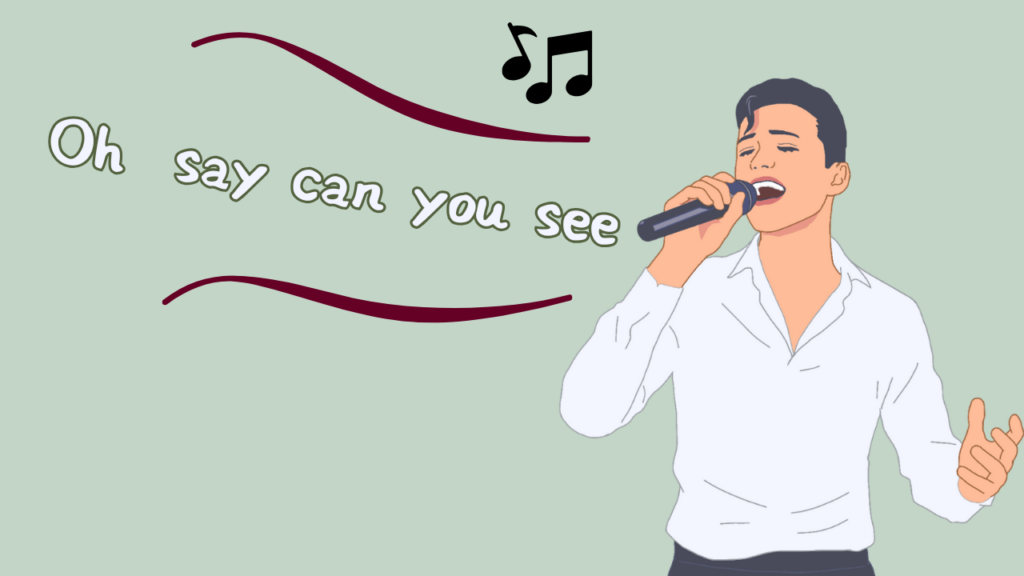
Karaoke is not mainly a place to compete in singing skill.
People often use it as a place to share time in the same space.
- after-party gatherings from company events
- meetings with friends
- student celebrations
It functions as a stay-type leisure activity that includes conversation, food, and breaks.
Solo karaoke as a common style
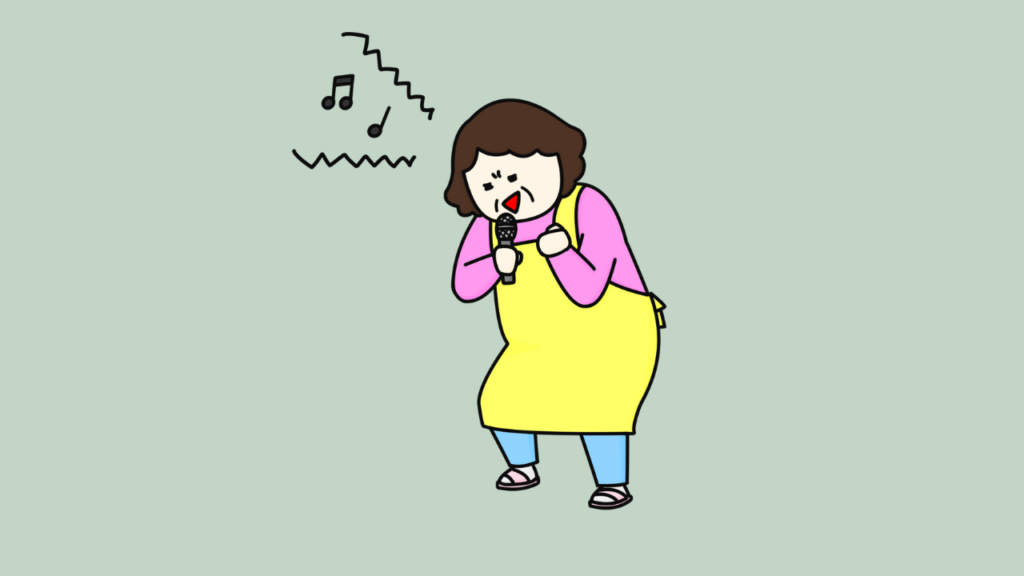
In Japan, solo karaoke is also common.
- stress relief
- practice purposes
- sometimes as a quiet private space
The private-room system supports this style of use.
Flexible pricing systems
Many karaoke stores offer time-based pricing and free-time plans.
Plans match different types of visits.
- short visits
- long stays
- late-night use
This flexible system makes it easy to choose how to use the facility.
Practical points for travelers
- many stores provide English menus or remote controls
- many locations also offer food orders
- late-night hours may include extra charges or age limits
Understanding the basic process
check-in → number of people → choose a time plan
helps the experience go smoothly.
Summary
Karaoke in Japan is popular because of:
- private-room facilities that are easy to use
- its role as a communication space
- multiple usage styles, including solo karaoke
- flexible pricing systems
These elements work together to support karaoke culture in Japan.