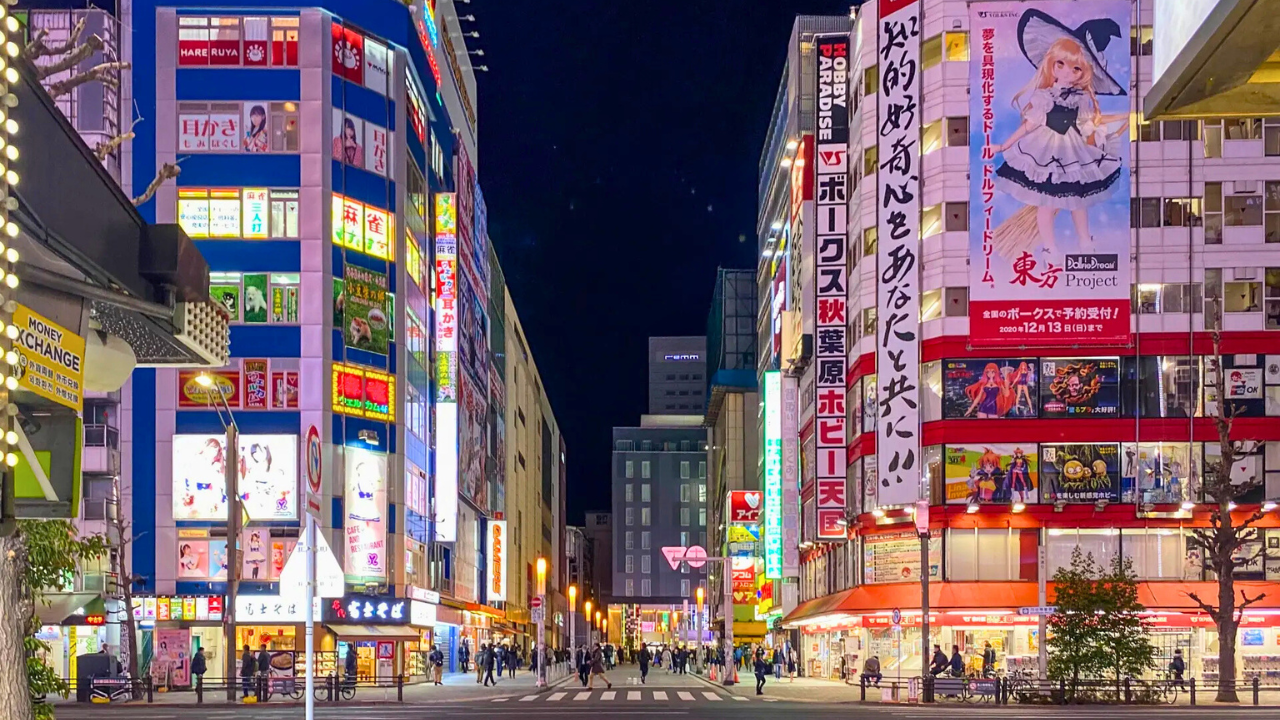
Akihabara is one of Tokyo’s most visually distinctive districts. Electronics shops, anime culture, gaming stores, and themed spaces coexist within a dense urban environment. The area feels energetic, layered, and constantly stimulating.
Here are five experiences that capture its character.
Radio Kaikan
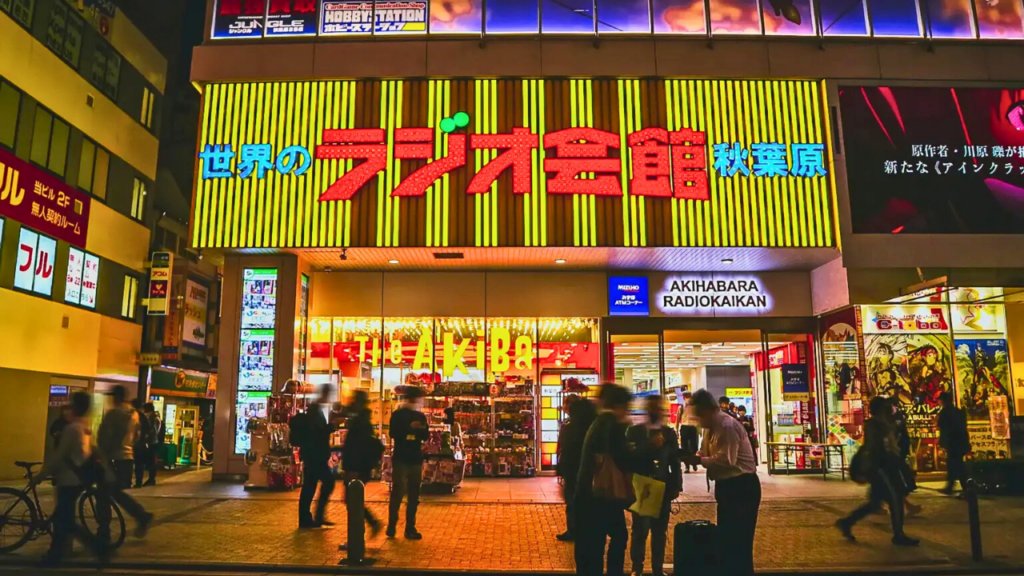
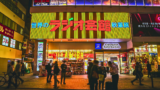
Radio Kaikan stands as one of Akihabara’s most recognizable landmarks. Multiple floors concentrate collectibles, figures, hobby goods, and specialty items in a single vertical space.
Moving between levels feels dense and immersive. Bright lighting, tightly packed displays, and constant visual detail define the experience.
Kanda Myojin Shrine
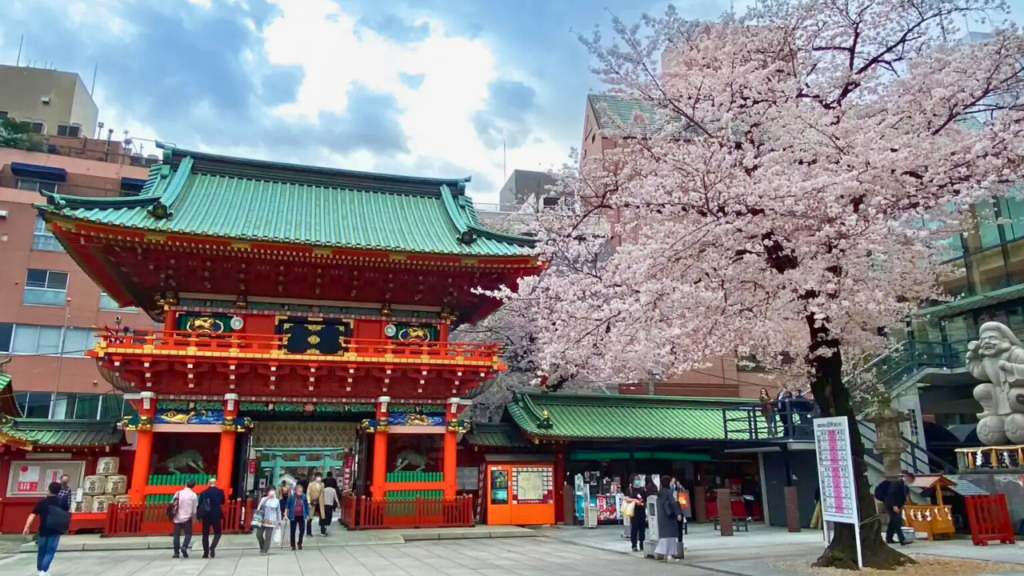
Located within walking distance, Kanda Myojin Shrine introduces a sharp environmental contrast. Traditional architecture and open space replace Akihabara’s dense commercial streets.
The atmosphere feels calmer and more structured. The transition from neon streets to quiet shrine grounds becomes part of the experience.
Animate Akihabara
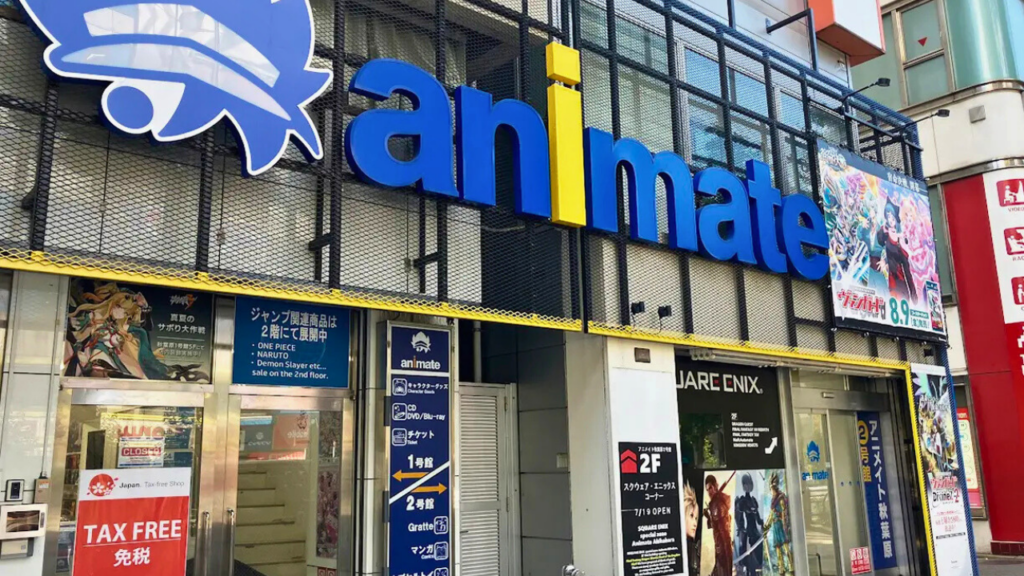
Animate represents one of the district’s core destinations for anime and manga culture. The store organizes books, media, and merchandise across multiple themed floors.
The interior feels vibrant and visually saturated. Color, sound, and motion create a highly concentrated sensory environment.
Akiba Fukurou – Owl Cafe

Akiba Fukurou offers a completely different spatial rhythm. Reservations control entry, creating a quieter and more regulated atmosphere.
Inside, lighting feels soft and stable. The contrast between the silent room and Akihabara’s noisy streets feels especially pronounced.

Super Potato
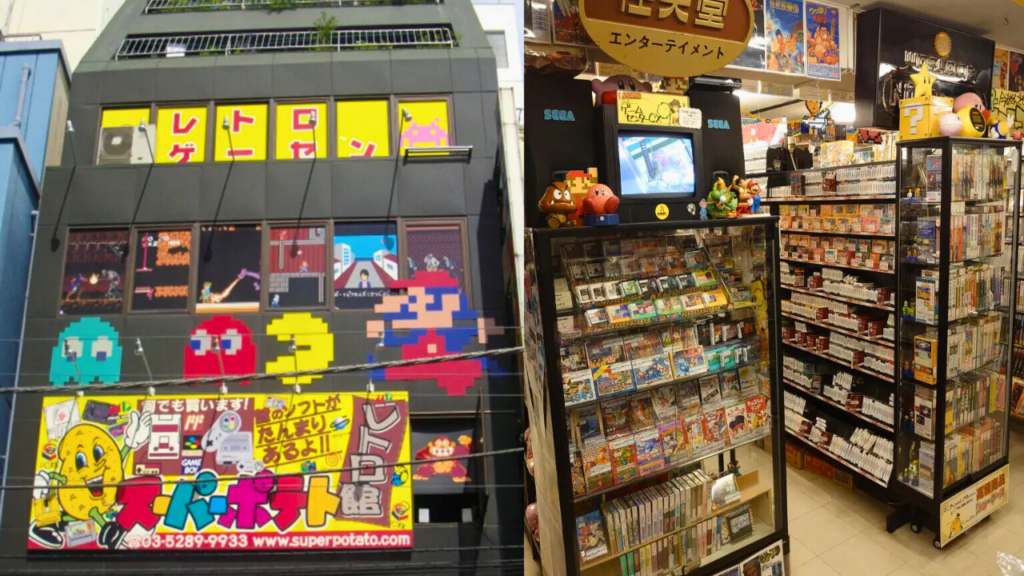
Super Potato preserves gaming history through vintage consoles and retro titles. The layered interior design emphasizes nostalgia rather than modern retail minimalism.
The environment feels dense, colorful, and textured. Sound effects, music, and visual clutter shape the mood.
Understanding Akihabara’s Appeal
Akihabara is defined by sensory intensity and contrast. Bright streets transition into quiet interiors. Modern electronics coexist with retro culture. Highly structured retail spaces sit near chaotic visual environments.
For travelers exploring things to do in Akihabara, the experience often emerges through these shifts. Movement between spaces — loud to quiet, modern to nostalgic, dense to open — defines the district’s unique identity.