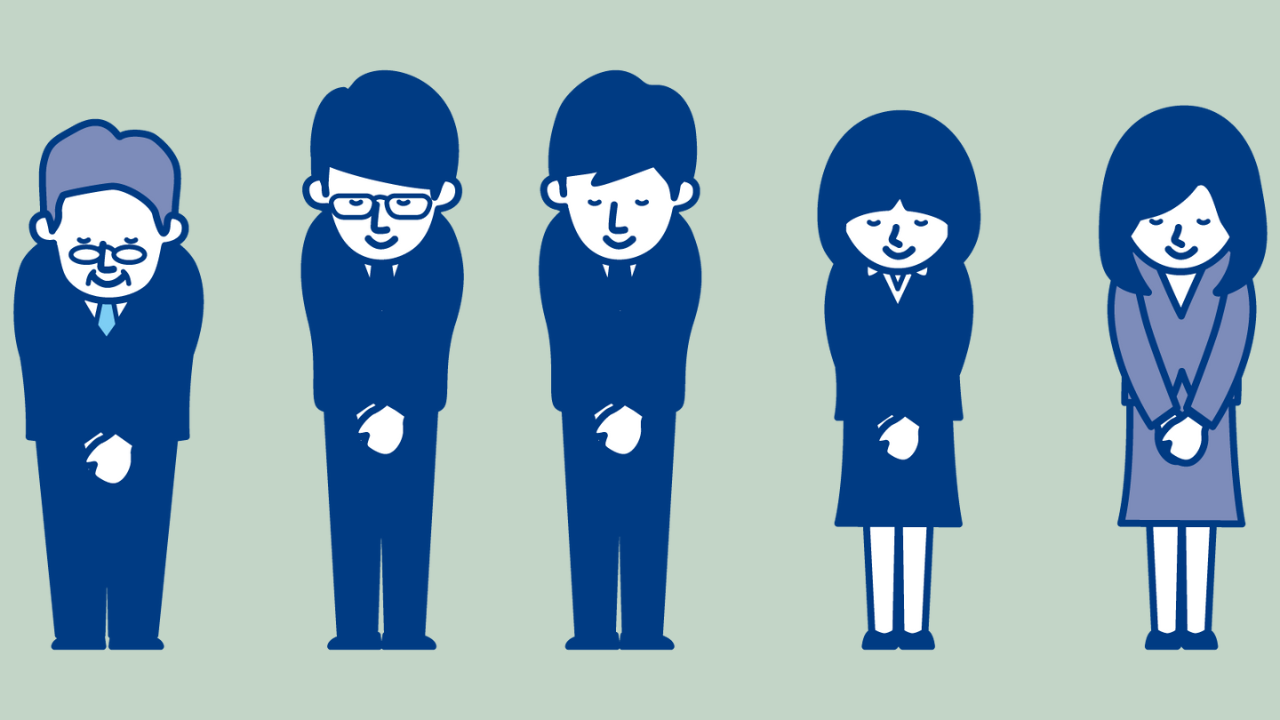
Japan often appears to be a “polite country.” However, social rules and situations shape many behaviors in daily life, not personal character. People use politeness mainly to keep order in society, and sometimes it works more as a social function than as personal kindness.
Social roles shape polite behavior
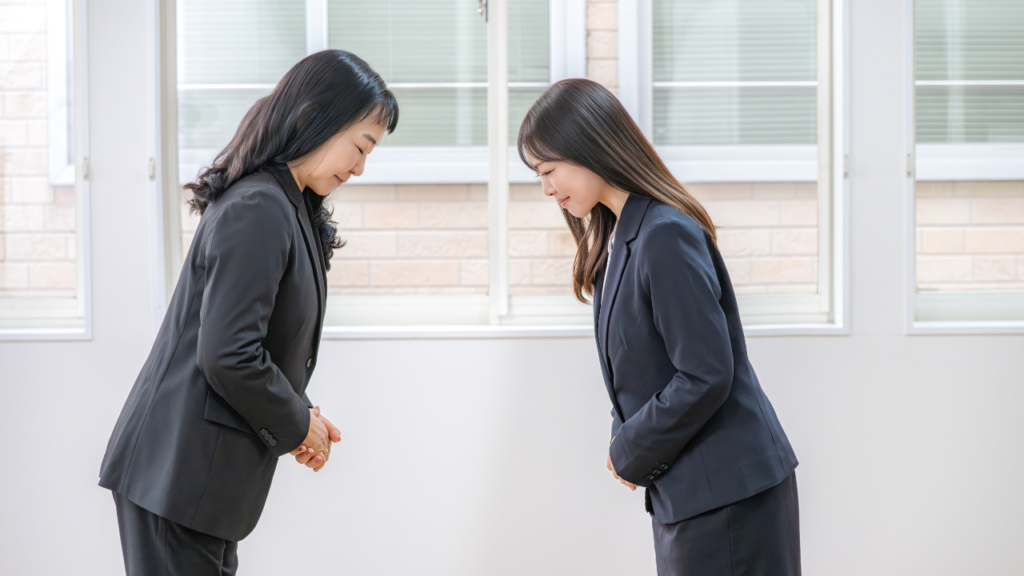
People in public places, workplaces, and service settings follow expected roles. For example, staff use polite language because their job requires it, and companies train them to do so.
People avoid direct expression to reduce conflict
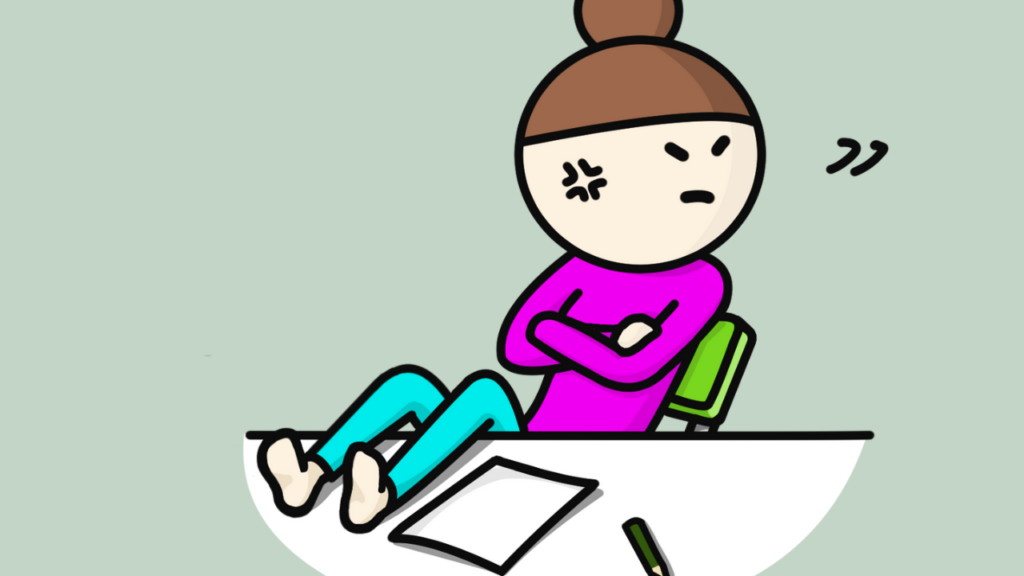
Many people choose indirect wording to prevent tension or disagreement. This approach helps relationships stay smooth and stable in daily communication.
People act quietly in shared public spaces
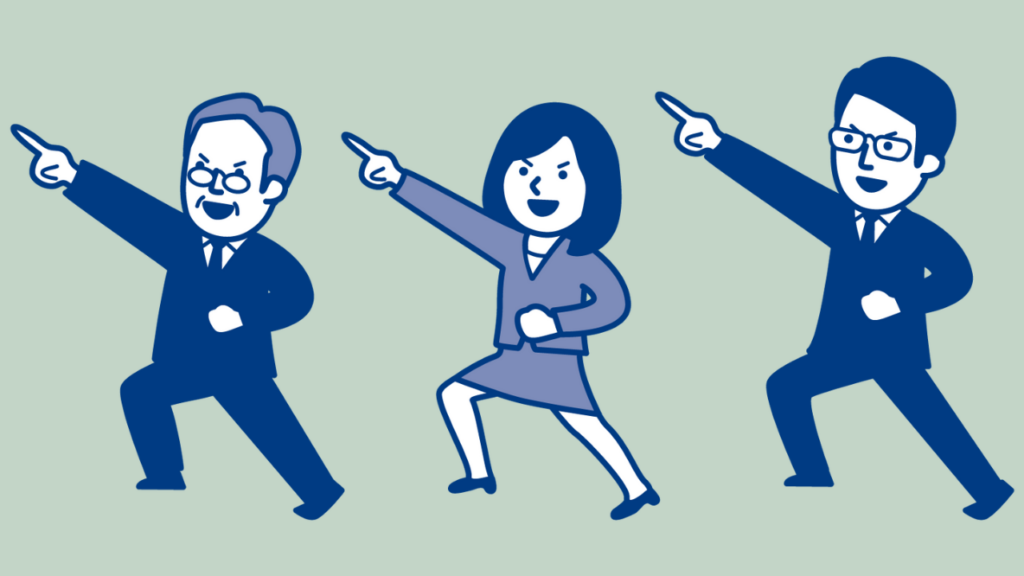
On trains and in stores, people try not to disturb others. They control their behavior so the group can use the space comfortably and without trouble.
Practical points for travelers
- Limited emotional expression does not signal unfriendly behavior
- Indirect wording may gently indicate refusal
- Group-oriented behavior supports public order
- Formal politeness and personal friendliness work as separate ideas
Summary
Politeness in Japan develops from several factors:
- Awareness of social roles
- Communication that avoids conflict
- Strong value on order in public spaces
- Behavior that maintains harmony with others
These elements work together to shape how people act in society.