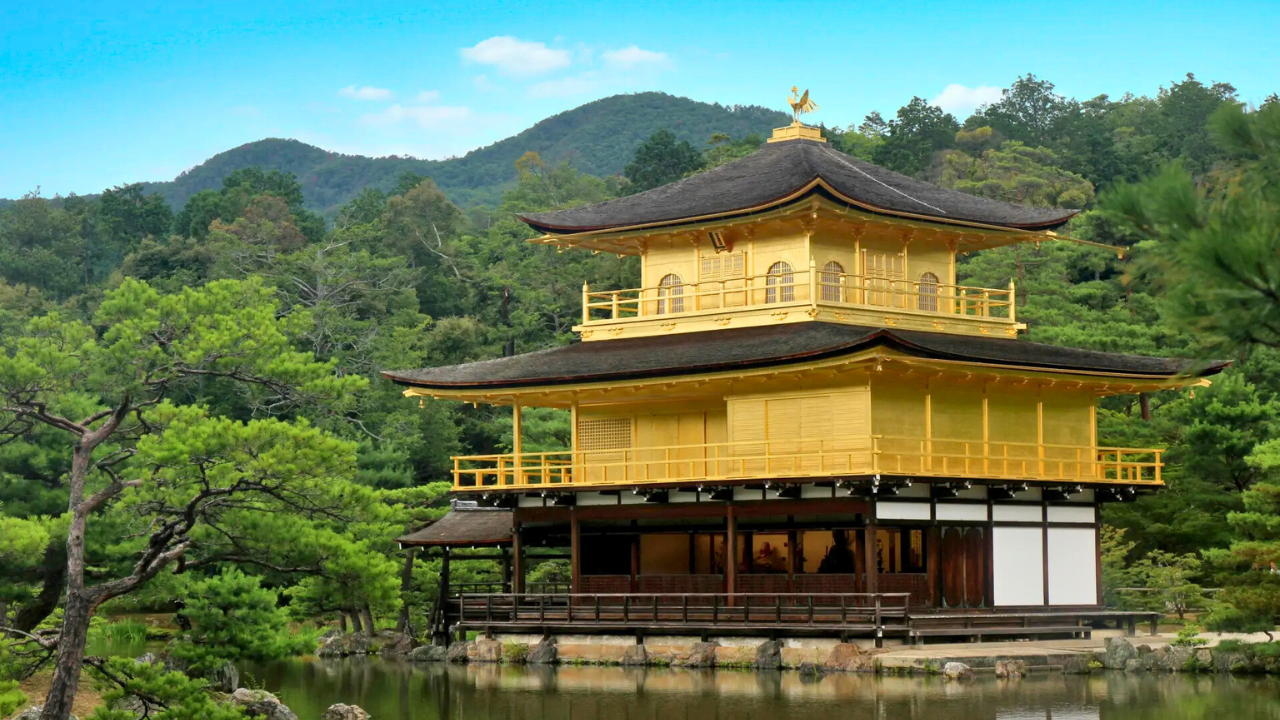
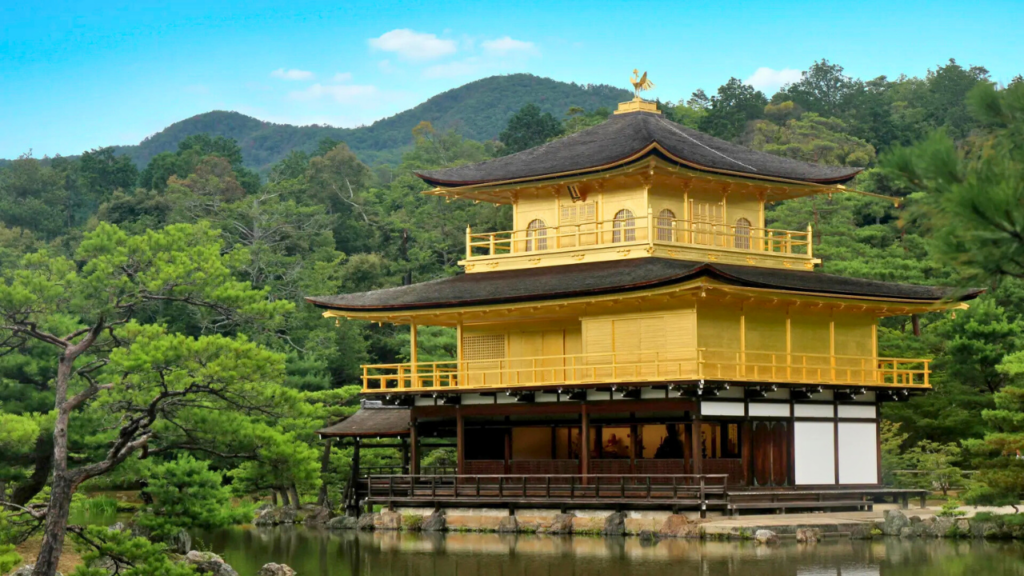
Kinkakuji, also called the Golden Pavilion, is one of the most well-known landmarks in Kyoto.
This Zen temple stands beside a pond. The gold-covered building reflects on the water and creates a well-known view of Kyoto.
History of Kinkakuji
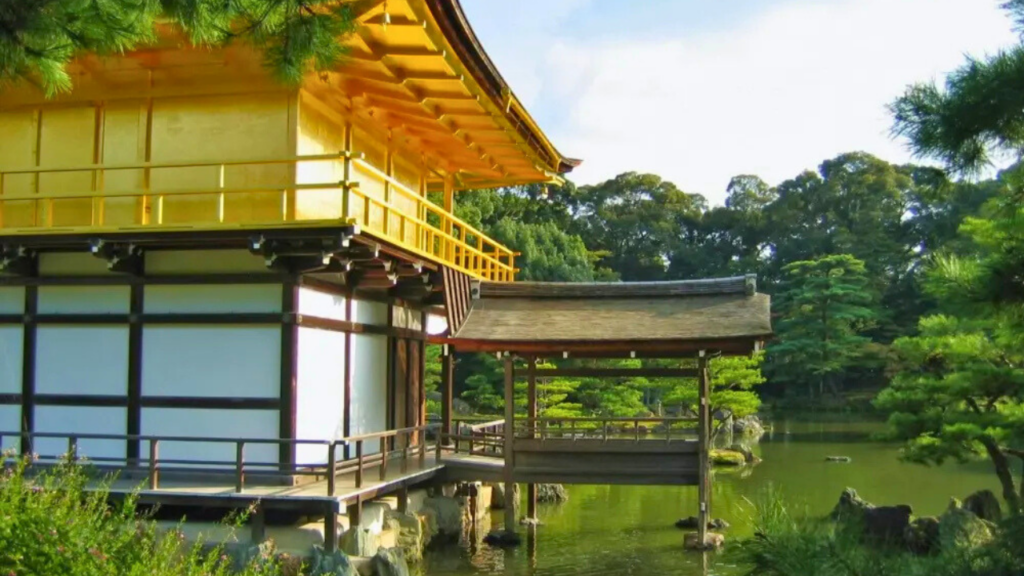
Shogun Ashikaga Yoshimitsu built Kinkakuji in 1397 as a retirement villa.
After his death, the building became a Zen Buddhist temple. Today it is part of the UNESCO World Heritage Site “Historic Monuments of Ancient Kyoto.”
Gold Leaf Exterior
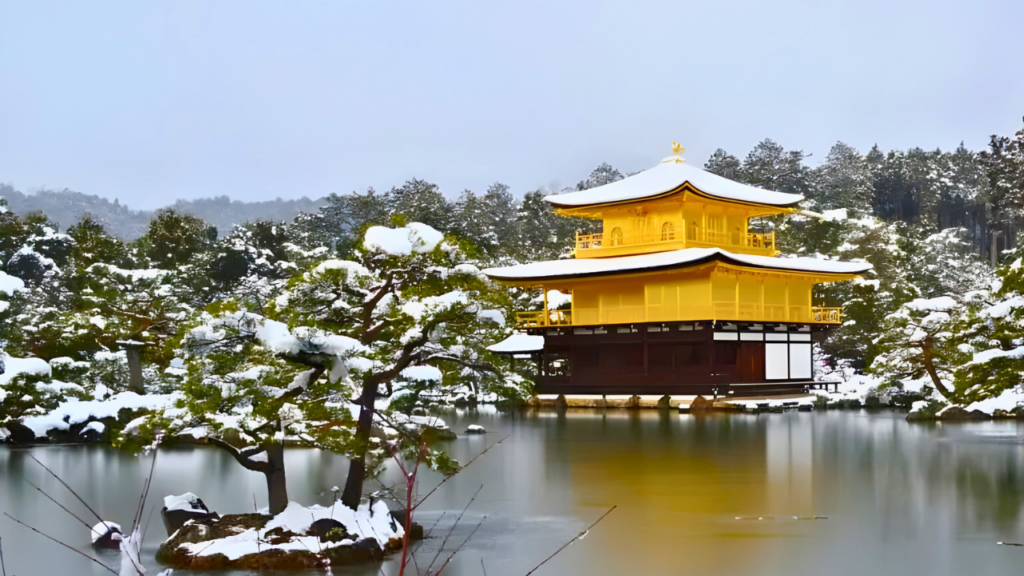
The upper two floors of Kinkakuji are covered with gold leaf.
About 20 kilograms of gold were used on the building. The gold represents purity in Zen Buddhism.
Reflection on the Pond
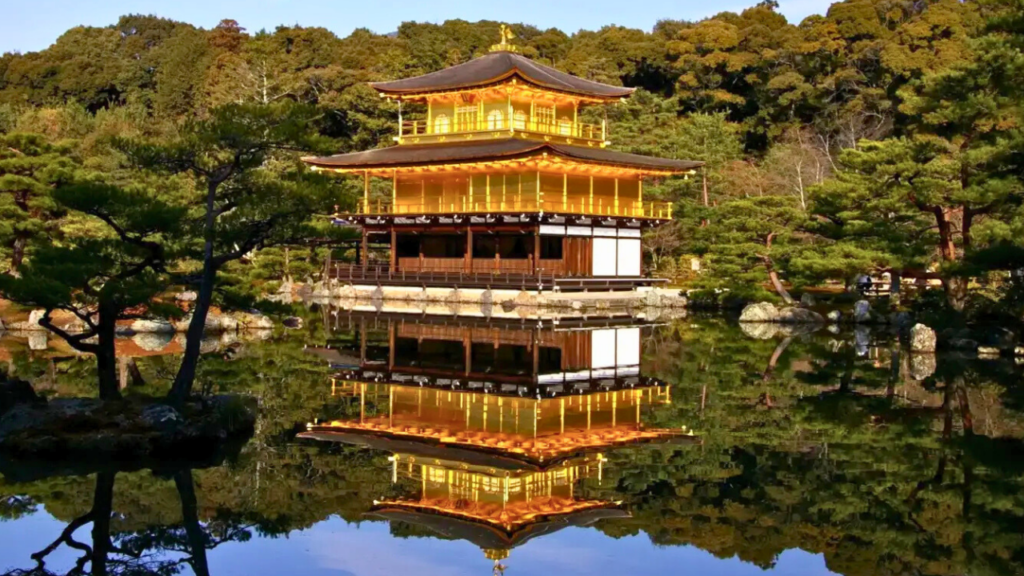
Kinkakuji stands beside a pond called Kyoko-chi (Mirror Pond).
The gold building reflects on the calm water. This view is one of the most photographed scenes in Kyoto.
Temple Garden
A walking path surrounds the pond and garden area.
Visitors walk along the path while viewing the pavilion from several angles. The garden includes seasonal plants and traditional landscape design.
Sekkatei Teahouse
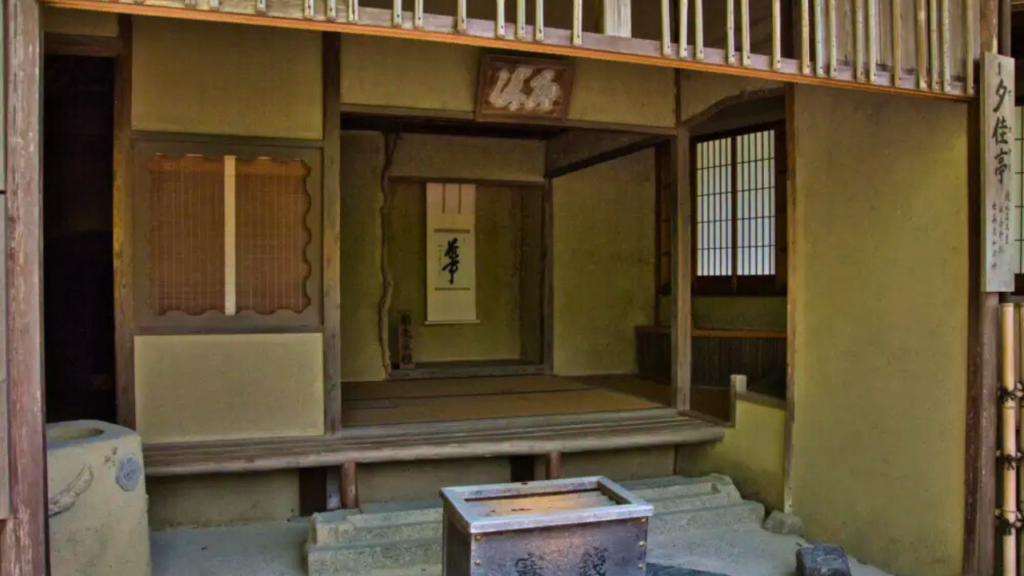
Sekkatei is a traditional teahouse inside the temple garden.
Visitors usually view the building from outside while walking through the garden.
\ Kinkakuji Temple Tickets /
Skip the line
Visitor Information
Admission
Adults: 500 yen (about $3.33)
Children: 300 yen (about $2.00)
Opening hours
9:00 AM – 5:00 PM
Access
From Kyoto Station, take Kyoto City Bus 101 or 205.
Get off at Kinkakuji-michi Bus Stop, then walk about 5 minutes.
Travel time from Kyoto Station: about 40 minutes.
\ Kinkakuji Temple Tickets /
Skip the line
FAQ
The upper two floors of the building are covered with real gold leaf.
No. Visitors view the pavilion from the garden path.
Spring and autumn attract many visitors because of cherry blossoms and autumn leaves.