
Japan is famous for its traditions, manners, and strong sense of social harmony. Many everyday habits in Japan may feel unusual or even surprising to visitors from overseas.
These customs are deeply rooted in respect, politeness, and consideration for others. Below are 10 unique things commonly seen in daily life in Japan—and why they matter.
1. Bowing in Japan
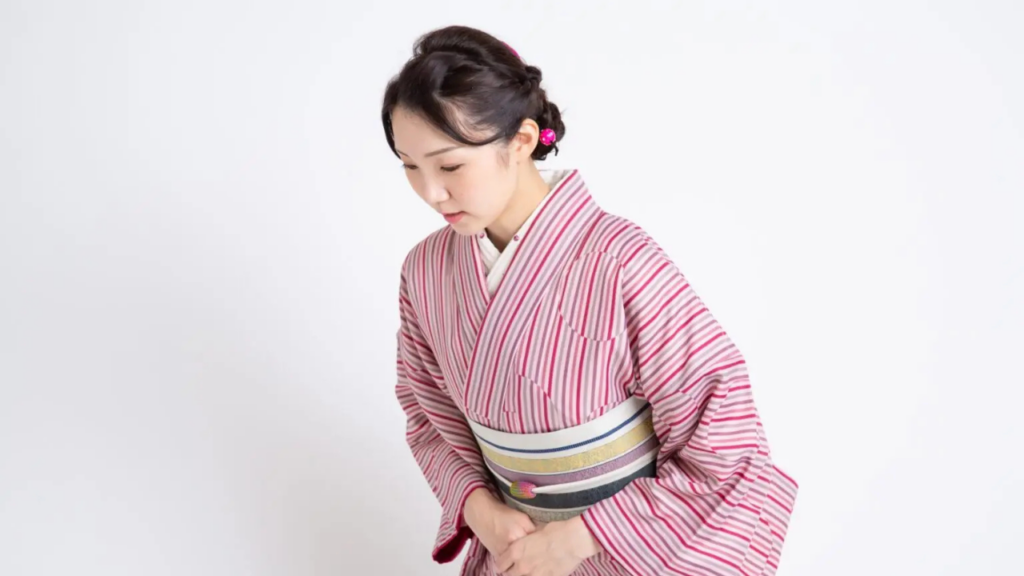
In Japan, people bow to greet each other, show gratitude, and apologize. Bowing is a fundamental part of daily communication.
Unlike many Western countries where handshakes or hugs are common, bowing is the standard way to show respect. Some Japanese people even bow while talking on the phone—out of habit and courtesy.
2. Taking Off Shoes Indoors
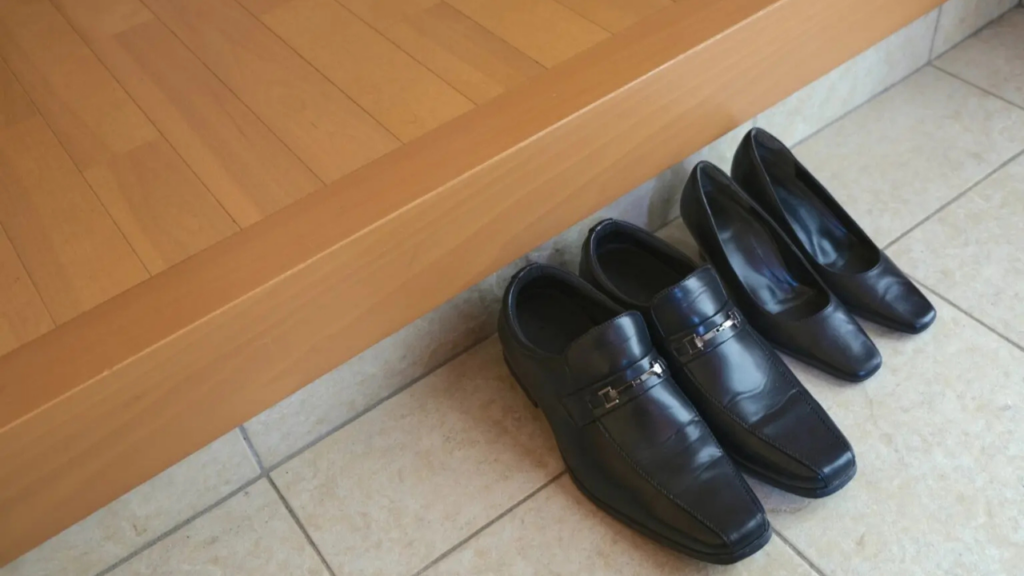
Japanese people remove their shoes when entering homes, schools, traditional restaurants, and some workplaces.
This practice helps keep indoor spaces clean and is a basic rule of Japanese etiquette. Visitors from countries where shoes are worn indoors often find this custom surprising at first.
3. Saying “Sumimasen” for Many Situations
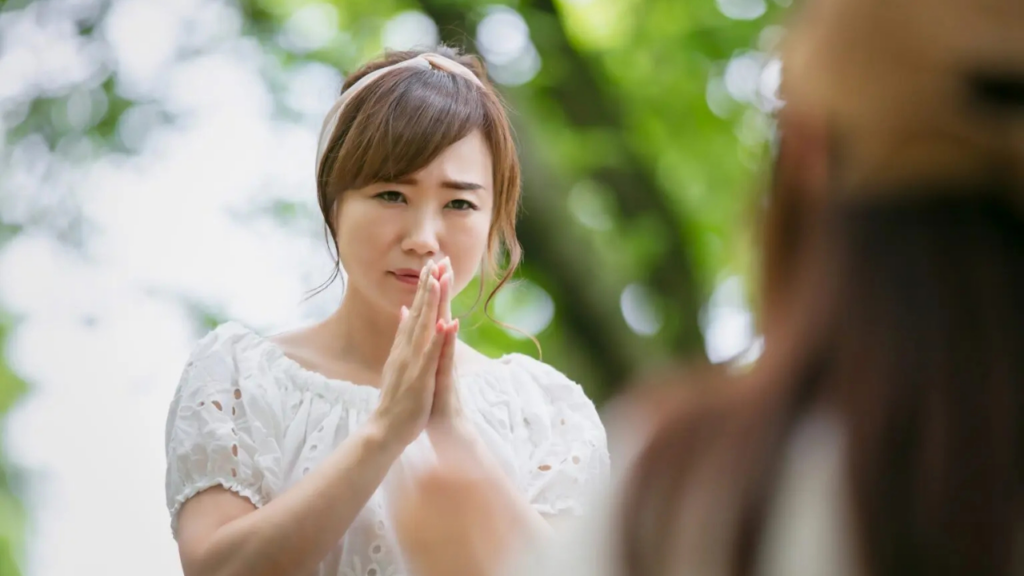
“Sumimasen” (sometimes pronounced “suimasen”) is a very flexible Japanese word. It can mean “I’m sorry,” “Excuse me,” or even “Thank you,” depending on the situation.
It is often used to apologize, get someone’s attention, or express appreciation. While foreigners may think Japanese people apologize too much, the word actually reflects politeness and awareness of others.
4. Silence on Public Transport
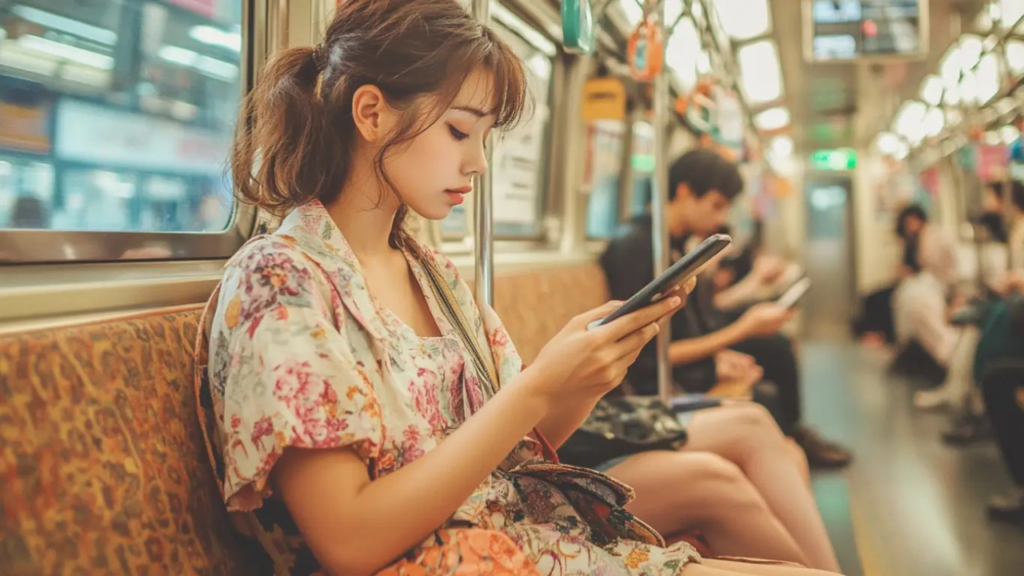
Trains and buses in Japan are usually very quiet. Loud conversations and phone calls are considered rude.
This unspoken rule helps create a calm and comfortable environment for everyone. Visitors from noisier public transport cultures often notice this difference immediately.
5. Children Traveling Alone
It is common to see young children walking to school or riding trains alone in Japan.
This is possible because Japan is generally very safe, and local communities often look out for children. For many visitors, this level of independence at such a young age is surprising.
6. Organized Train Lines
Even in crowded stations, Japanese commuters line up neatly while waiting for trains.
In many other countries, people rush toward the doors as soon as a train arrives. The orderly lines in Japan often leave a strong impression on visitors.
7. Unique Hand Gestures
Hand gestures in Japan can differ from Western ones. For example, when calling someone over, Japanese people face their palm downward and wave their fingers.
In contrast, the palm-up gesture common in the U.S. can look like “go away” in Japan, which sometimes causes confusion for visitors.
8. Leaving Valuables Unattended
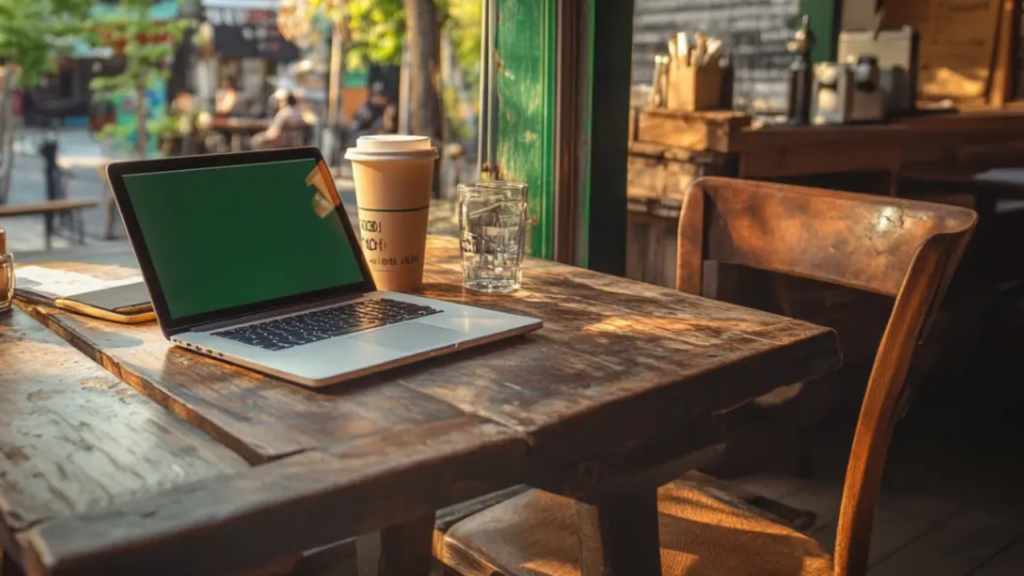
In Japan, it is not unusual for people to leave their phone or wallet on a café table while ordering food.
The risk of theft is low, and mutual trust is strong. Many visitors are amazed by how safe this feels compared to their home countries.
9. Holding Bowls While Eating
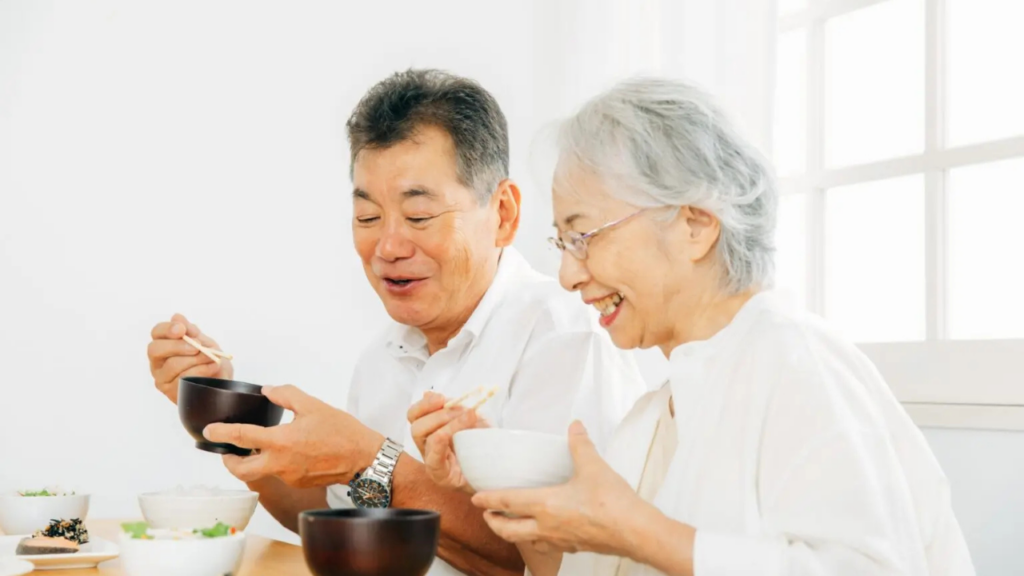
When eating rice or soup, it is polite in Japan to lift the bowl and hold it close to your mouth.
In many Western cultures, plates stay on the table, and lifting bowls may even be considered bad manners. This difference often surprises first-time visitors.
10. The “Circle” and “Cross” Hand Signs
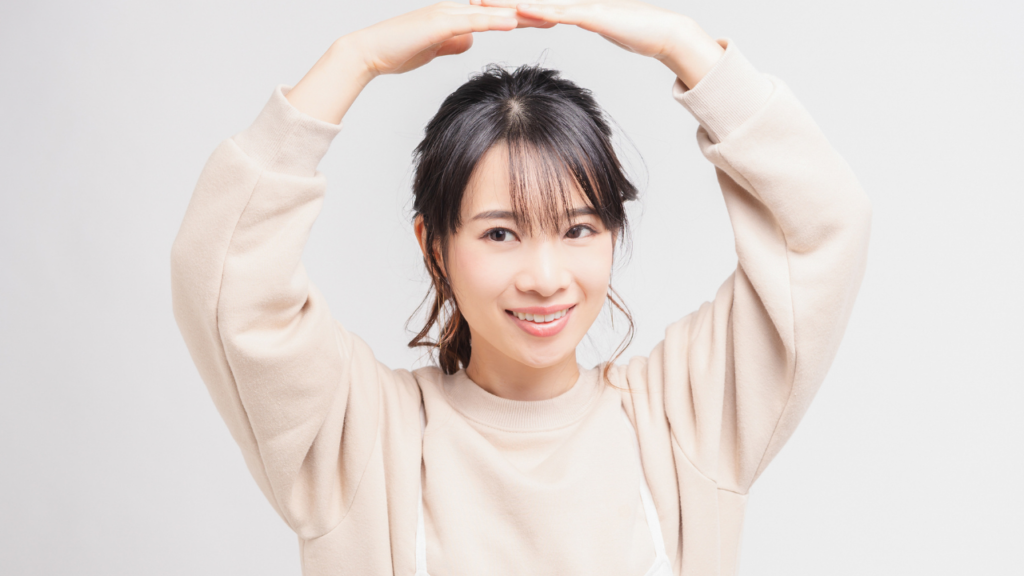

In Japan, making a circle (⭕) with your hands or fingers means “OK” or “correct.” Crossing your arms in front of your chest (❌) means “no” or “not allowed.”
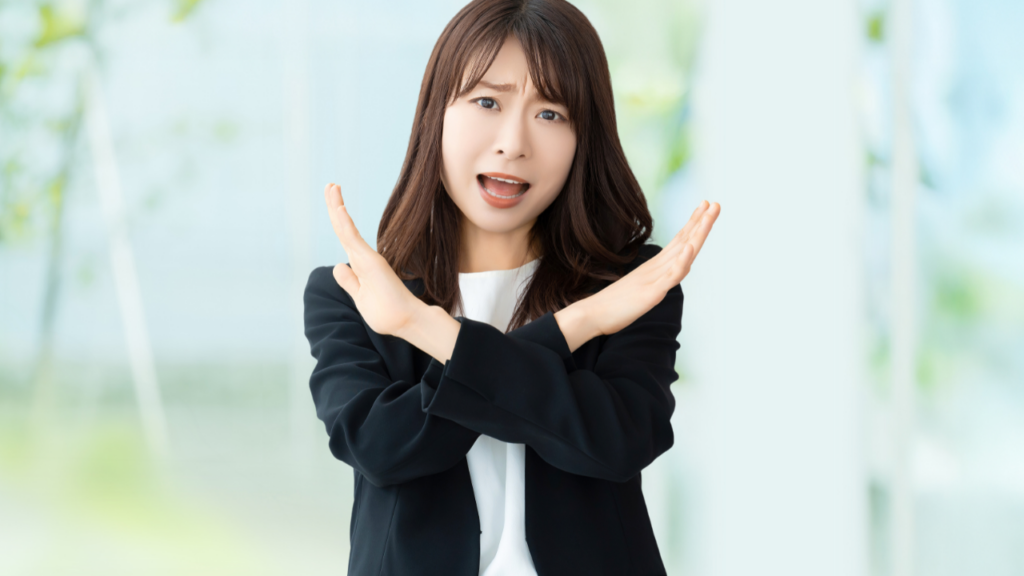
While Japanese people also understand Western gestures, the ❌ sign is a very clear and strong way to say “no,” so it’s worth remembering.
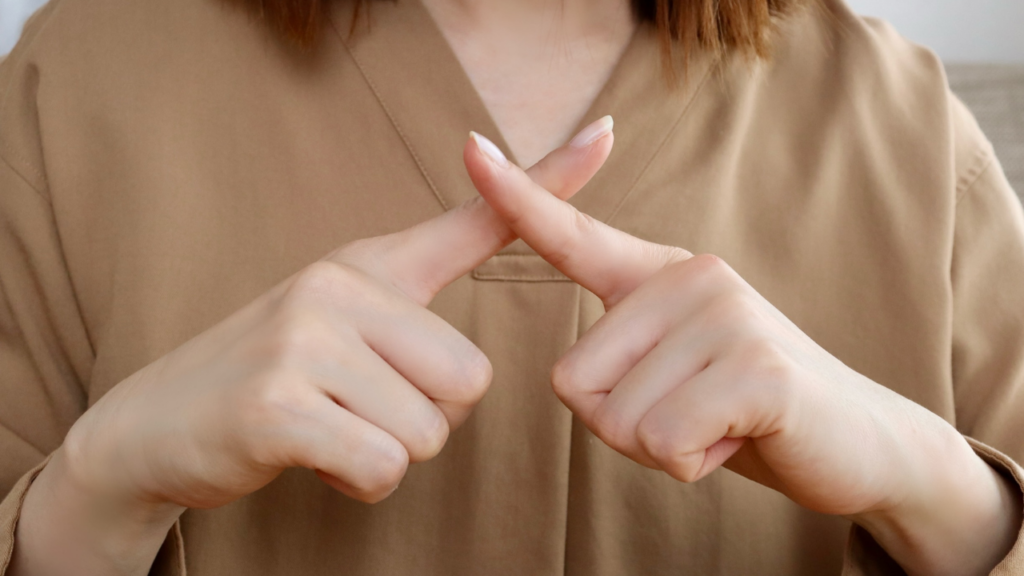
For example, if you enter a restaurant or an izakaya and the staff makes an ❌ sign, it usually means the place is full and you cannot enter right now.
It does not mean “no foreigners allowed.”
It simply means there are too many customers, and you may need to wait or come back later.