


Many travelers visit Japan and want a special souvenir from their trip.
For some people, a small Japanese tattoo becomes a meaningful reminder of their journey.
This guide introduces popular kanji tattoo designs, their meanings, and a few tips before getting one in Tokyo.
Popular Kanji Tattoos and Their Meanings
Small kanji tattoos are popular with travelers.
They are simple, symbolic, and easy to place on the body.
Below are several well-known kanji characters and what they represent.

美 (Bi) — Beauty
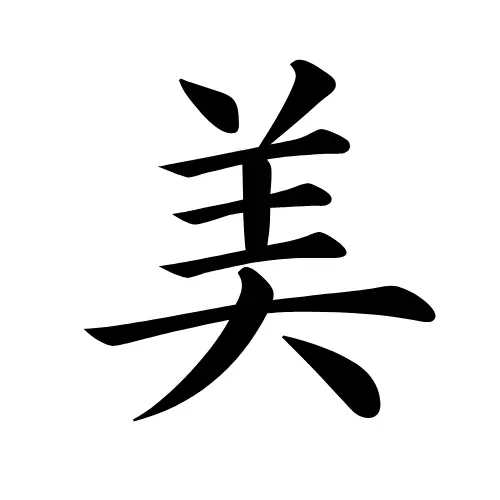
This kanji represents beauty and elegance.
It can refer to physical beauty, inner charm, or an appreciation for aesthetics.
愛 (Ai) — Love
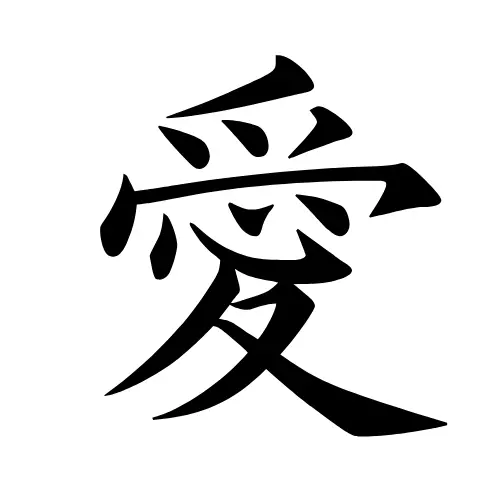
愛 symbolizes love and compassion.
It can express deep affection or universal love.
旅 (Tabi) — Journey
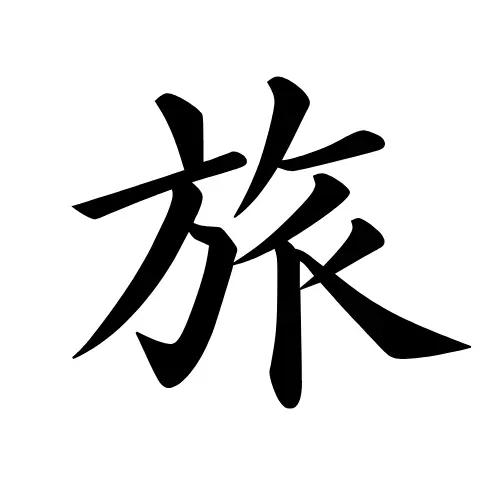
A perfect kanji for travelers.
It represents adventure, exploration, and the journey of life.
風 (Kaze) — Wind
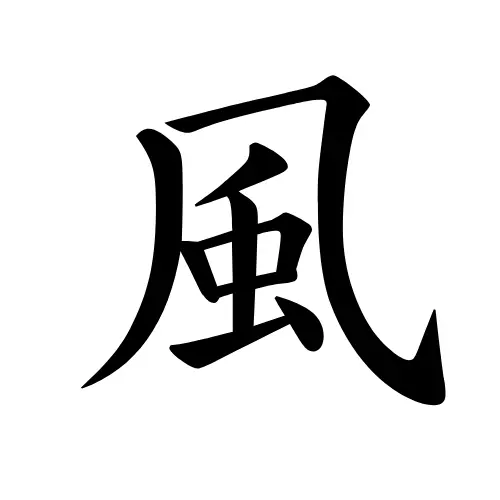
This character is connected with freedom and movement.
It also represents flexibility and going with the natural flow.

夢 (Yume) — Dream
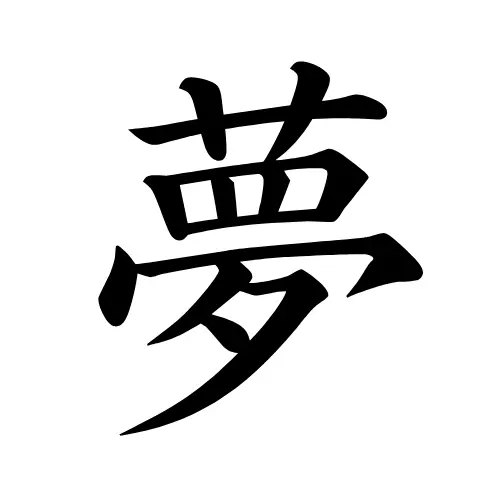
夢 represents hopes and ambitions.
It often symbolizes following your dreams.
龍 (Ryu) — Dragon
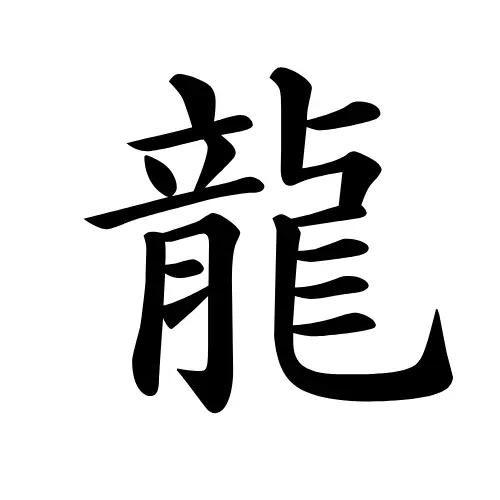
The dragon is a powerful symbol in Japanese culture.
It represents strength, wisdom, and protection.
桜 (Sakura) — Cherry Blossom
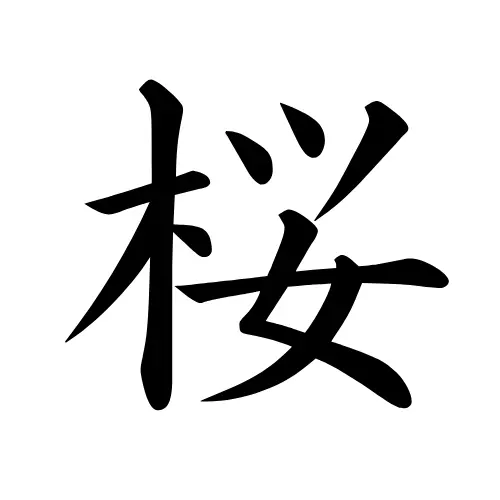
Cherry blossoms symbolize the short and beautiful nature of life.
They remind people to appreciate each moment.
亀 (Kame) — Turtle
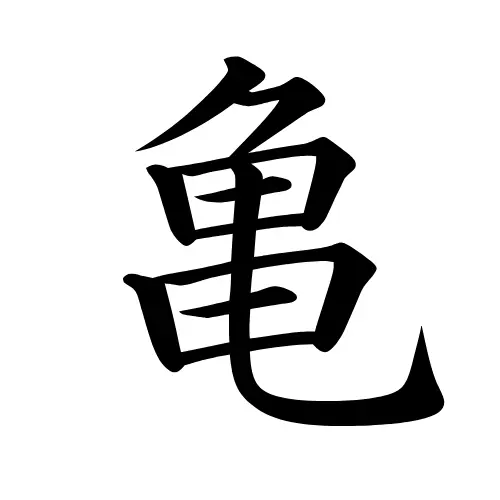
In Japanese culture, turtles represent longevity and good fortune.
They are also associated with wisdom.
(If you tattoo a huge “亀” across your back, you might become famous worldwide… maybe!)
Tips for Choosing a Kanji Tattoo
Before getting a kanji tattoo, keep these points in mind.
Check the meaning
Make sure the character truly matches the meaning you want.
Confirm the accuracy
Ask a native Japanese speaker or an experienced tattoo artist to confirm the correct character and design.
Keep it simple
Small kanji tattoos often look clean and elegant.
Many travelers choose simple designs as a memory of their trip.
One Funny Example I’ve Seen
One of the funniest tattoos I have ever seen was on a traveler who had 「足」 (foot) tattooed on his ankle and 「右」 (right) on his right shoulder.
It was actually pretty funny and creative.
However, kanji tattoos can sometimes become awkward if the meaning or placement feels strange to Japanese people.
Before getting a kanji tattoo, it’s a good idea to ask a Japanese friend or a native speaker something like:
“Would people laugh if I got this tattoo?”
A quick check can help you avoid mistakes and make sure your tattoo is something you will be happy with for years.