
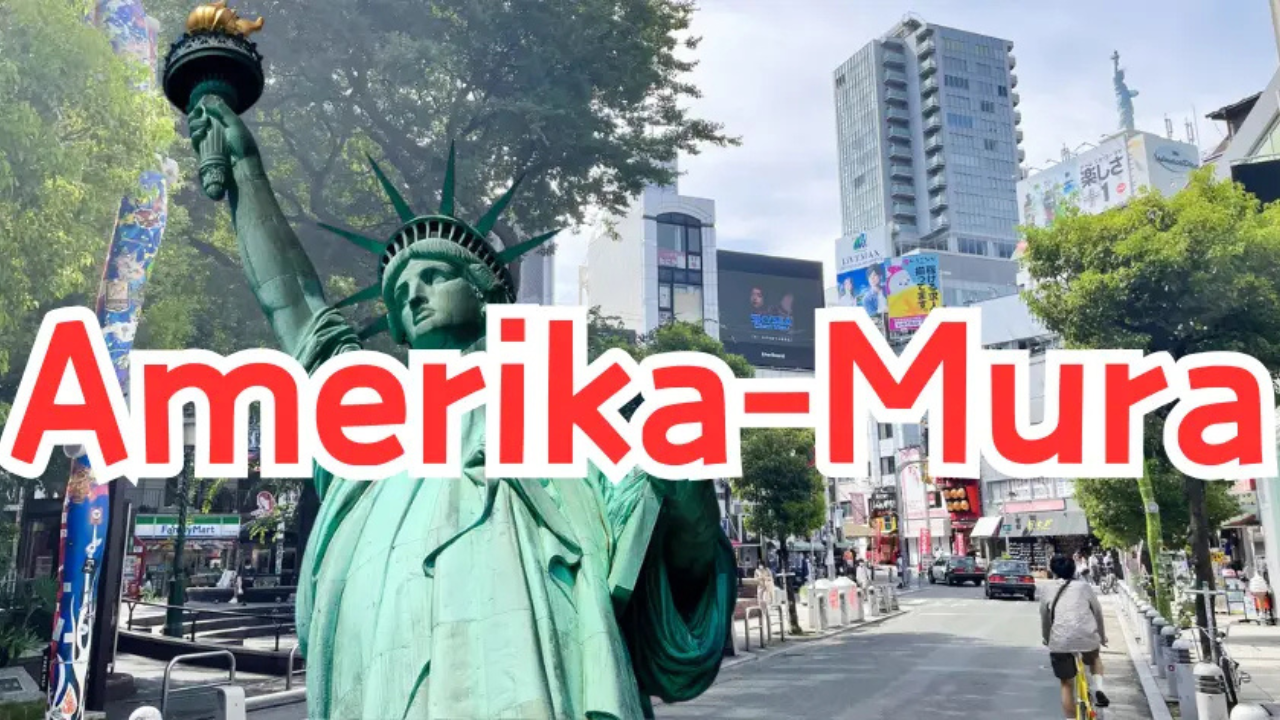
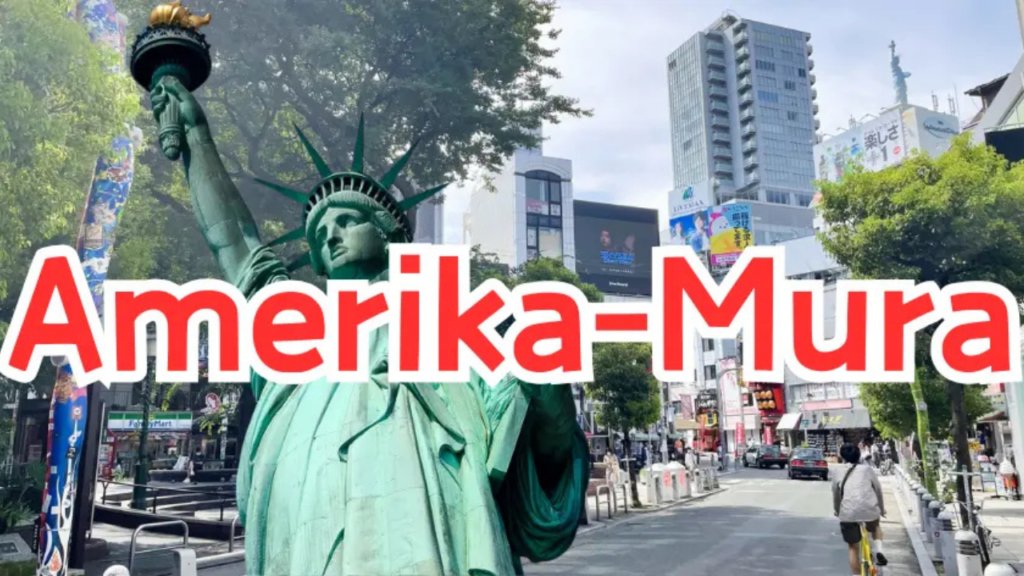
Amerikamura, often called Amemura, is a compact district near Shinsaibashi in central Osaka.
Rather than a traditional sightseeing spot, it functions as a living space for youth culture, shaped by fashion, music, street art, and everyday movement.
It is sometimes compared to Harajuku in Tokyo, but the atmosphere is rougher, more spontaneous, and less curated.
What Is Amerikamura Osaka?
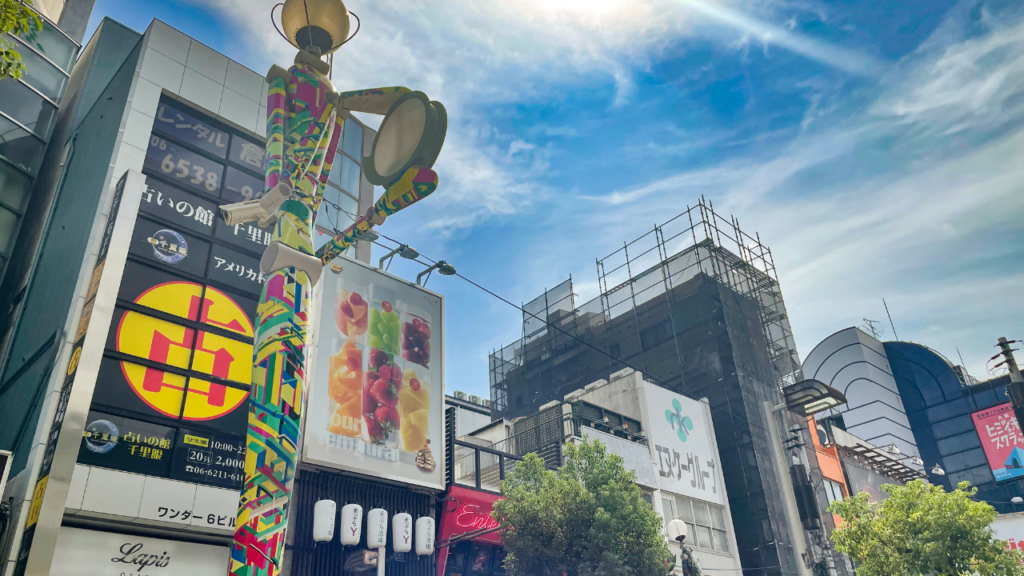
The name Amerikamura means “America Village.”
In the 1970s, shops selling imported American clothing and goods began to gather in this area. Over time, it developed into a cultural base for Osaka’s younger generation.
Today, Amerikamura blends Japanese and Western influences, but it no longer feels like a trend showcase.
Instead, it feels like a place where people pass through, stop briefly, and move on again.
The Center of the Area: Triangle Park
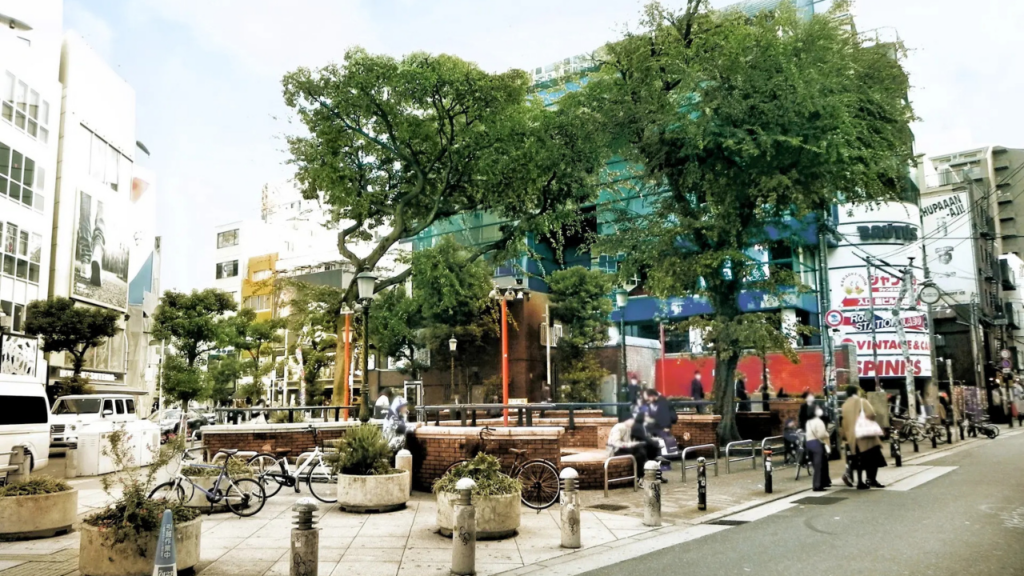
Sankaku Koen, also known as Triangle Park, sits at the heart of Amerikamura.
It is not large, and nothing specific happens there on schedule.
People sit, talk, skate past, check their phones, or simply wait.
- Daytime: a resting spot between shops
- Evening: more people, more sound
- Night: louder, sometimes messy
Triangle Park works as a reference point rather than an attraction.
Street Art as Part of the Landscape
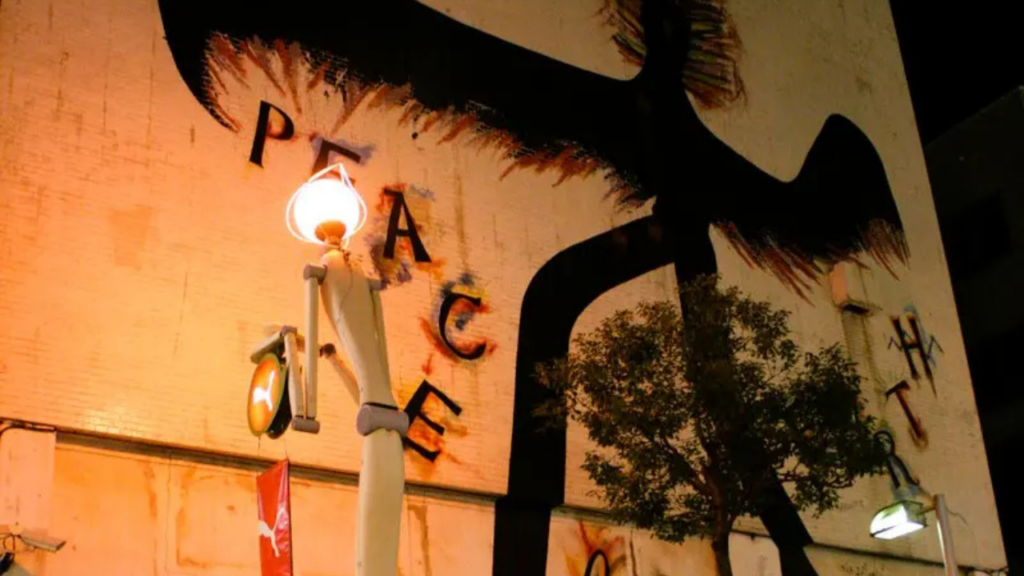
Amerikamura is known for its murals and graffiti.
Walls, shutters, and narrow alleys often serve as open canvases for local and visiting artists.
The art changes frequently.
Some pieces last years, others disappear quickly. This instability is part of the area’s character.
Rather than an outdoor gallery, the street art feels like background noise in visual form.
Takoyaki at the Corner: Kougaryu
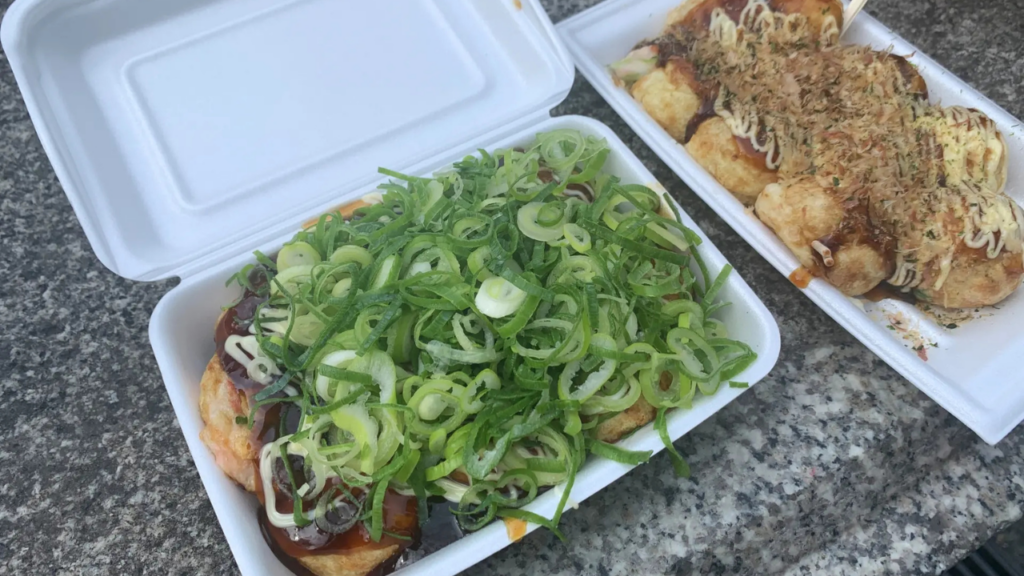
Kougaryu is located directly in front of Triangle Park.
Takoyaki here is:
- Crisp on the outside
- Soft inside
- Finished with simple but balanced sauces
The shop is listed in the Michelin Guide, but it still operates like a street-side stand.
It is a practical food stop rather than a sit-down experience, fitting the pace of the area.
Fashion and Small Shops
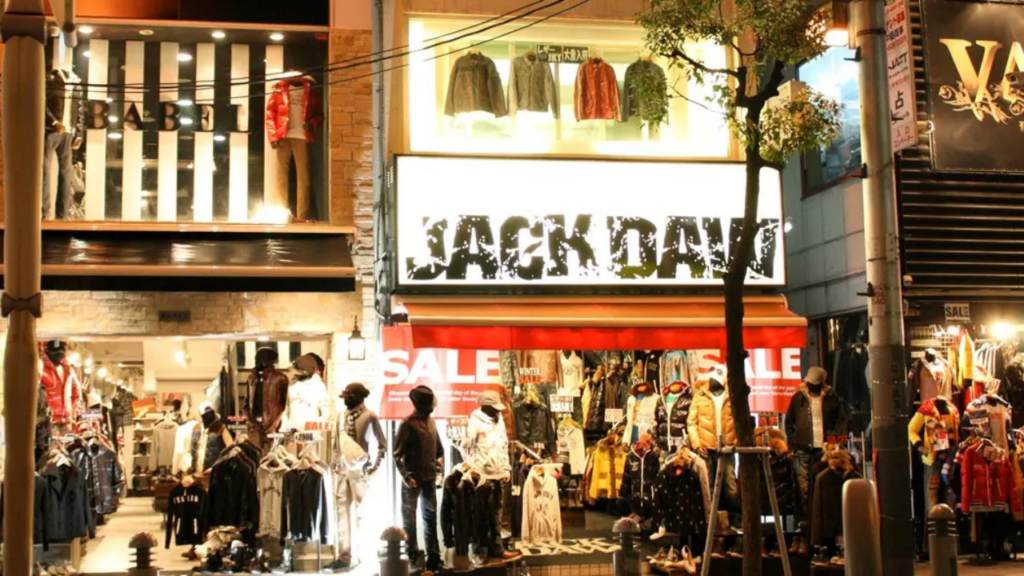
Amerikamura’s shopping is less about luxury and more about individual taste.
You will find:
- Vintage clothing stores
- Independent boutiques
- Handmade accessories
Prices are not always cheap, and trends are inconsistent.
Shopping here works best if you enjoy browsing without clear goals.
Nighttime in Amerikamura
At night, Amerikamura becomes louder and more crowded.
Bars, clubs, and live music venues open, and the area shifts toward nightlife.
Some people enjoy the energy, while others find it chaotic.
It is not dangerous by default, but it is not quiet or orderly either.
Those looking for a calm evening usually choose a different area.
How to Get to Amerikamura
- By Subway:
Take the Midosuji Line to Shinsaibashi Station.
Amerikamura is about a 5-minute walk. - From Osaka Station:
Around 10 minutes by Midosuji Line to Shinsaibashi. - From Dotonbori (Glico Sign):
About a 10-minute walk, easy to combine in one route.
Who Amerikamura Is For
Amerikamura suits people who:
- Like observing street life
- Prefer unplanned walks
- Are comfortable with noise and crowds
It may not suit those who want:
- Quiet sightseeing
- Polished shopping streets
- Clearly organized attractions
Summary
Amerikamura is not a place to “see something.”
It is a place to walk through without expectations.
The area reflects a side of Osaka that remains informal, slightly chaotic, and constantly changing.
Whether you enjoy it or not depends on how you respond to that kind of environment.
Amerikamura is known for youth culture, street fashion, and murals.
For example, music and voices overlap, and the area rarely feels quiet.
As a result, people experience constant movement rather than sightseeing.
Amerikamura is worth visiting if you like active street environments.
For example, the noise level stays high, and visual details change every few steps.
Therefore, it works better for short walks than long stays.
The afternoon and evening show the area’s real character.
For example, footsteps increase, and the space feels more crowded after sunset.
However, weekdays reduce fatigue compared to busy weekends.