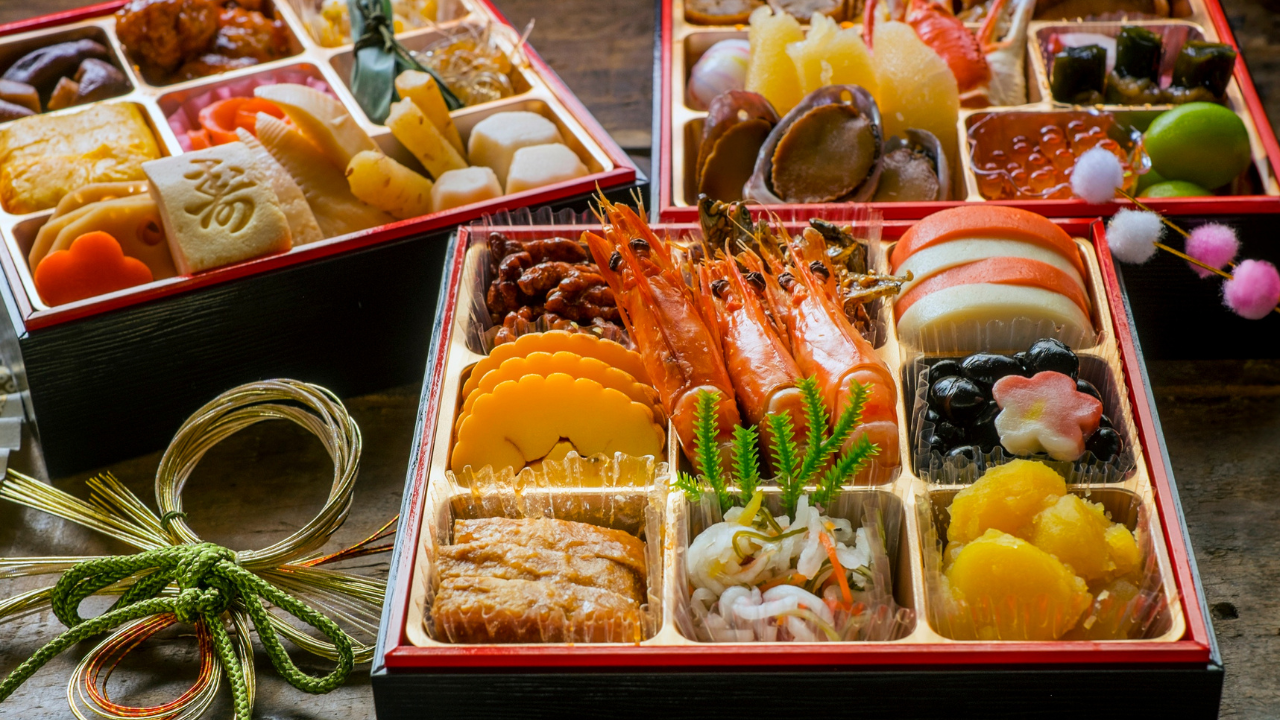
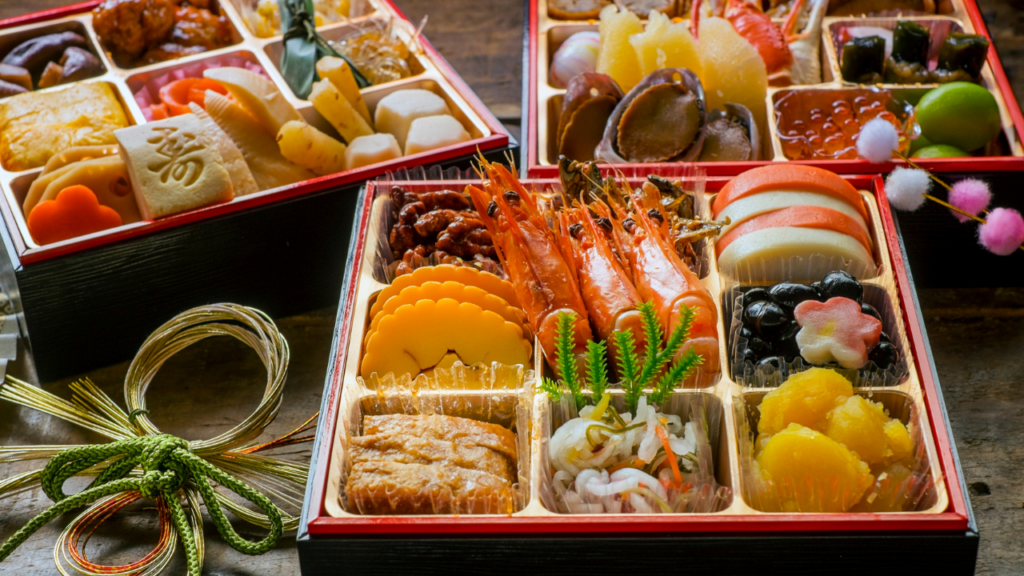
People in Japan eat osechi ryori as a traditional set of dishes during the New Year period.
Families usually prepare it at the end of the year and eat it at home during the first three days of January.
The contents and types of dishes differ by region and household.
Purpose of Osechi Ryori
Osechi ryori developed as a way to reduce kitchen work during the New Year holiday.
Many of the dishes are designed to keep well and can be eaten cold.
Each item has a symbolic meaning, such as health, longevity, or a good harvest.
Characteristics
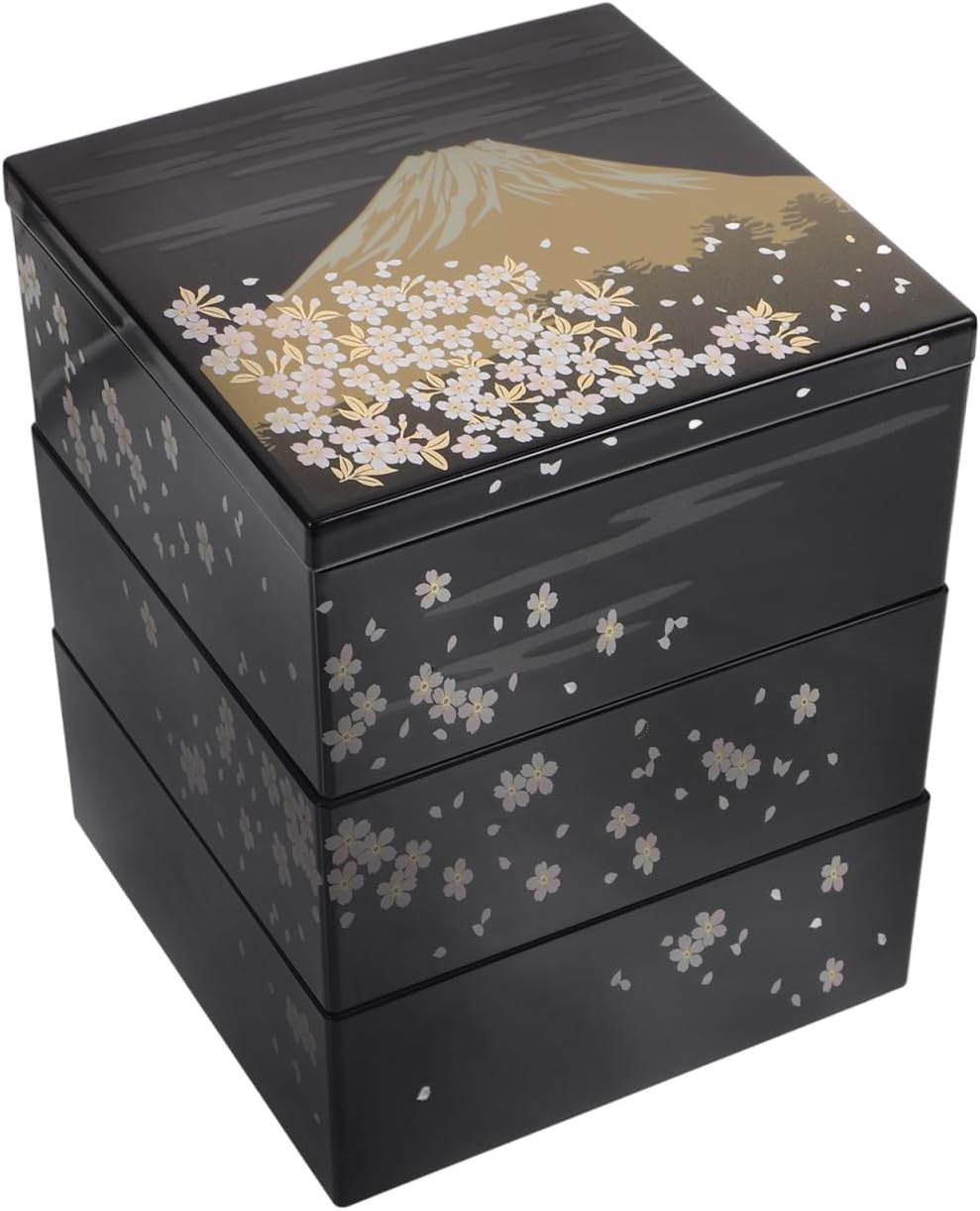
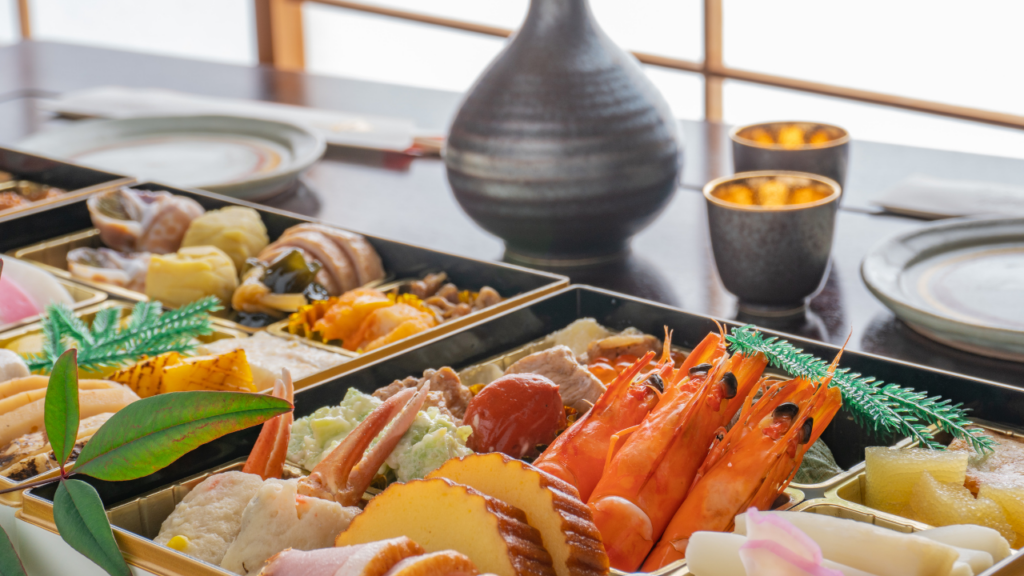
Families commonly arrange the dishes in a layered box called a jubako.
Some households instead serve the food on plates.
The contents usually combine standard dishes with regional variations.
Common Dishes
Kazunoko
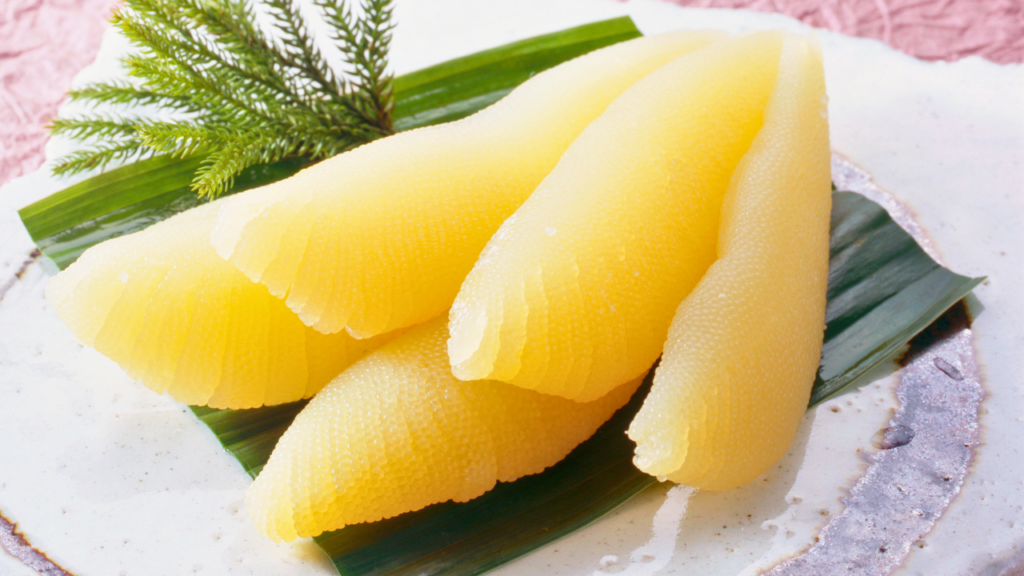
symbolizes prosperity and the blessing of many descendants, representing hopes for family continuity and fertility
Kuromame
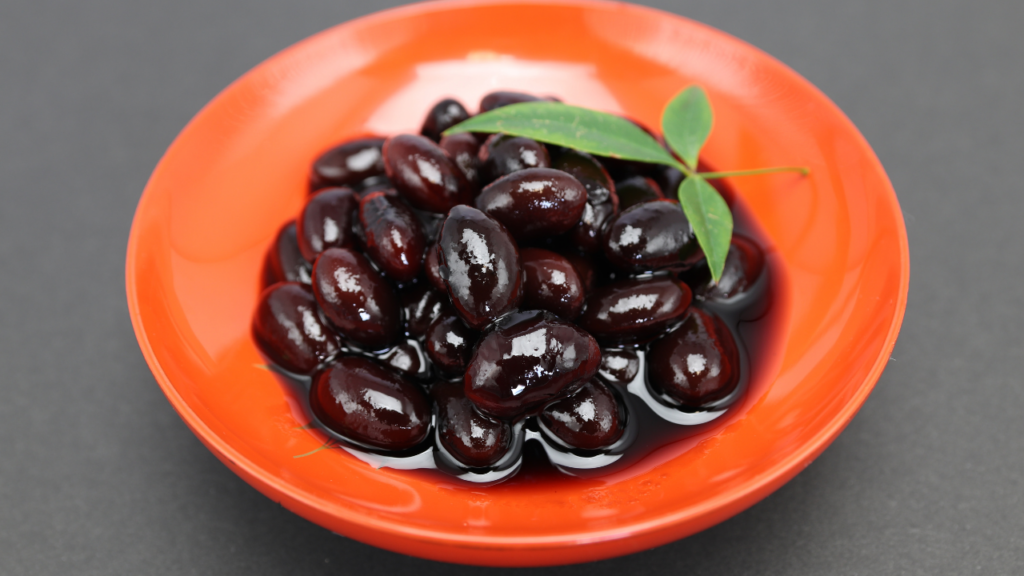
expresses a wish for health and diligence, based on the idea of “working earnestly and staying strong”
Kobumaki
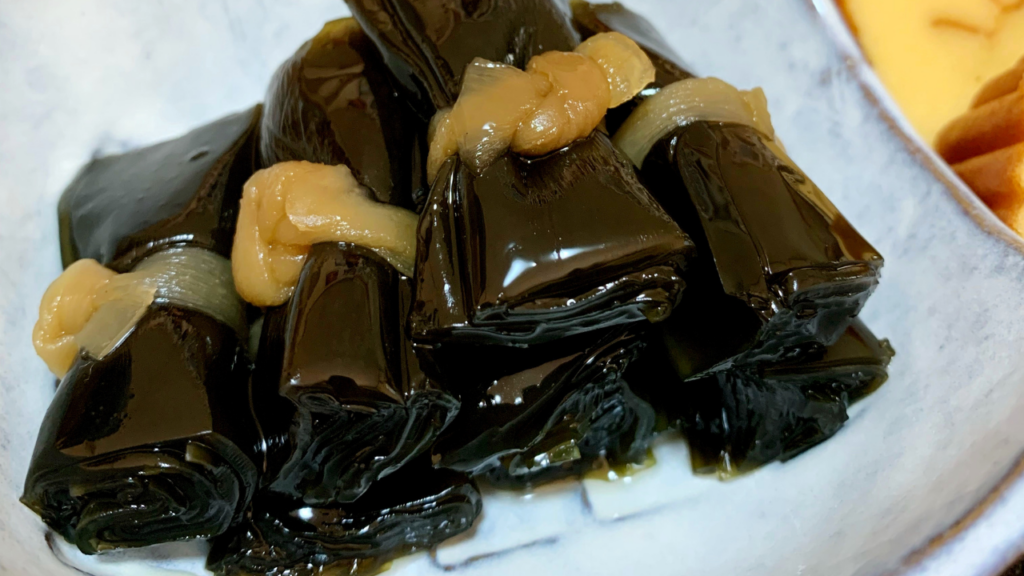
onsidered a lucky food associated with the word “joy,” symbolizing good fortune and happy occasions
Kurikinton
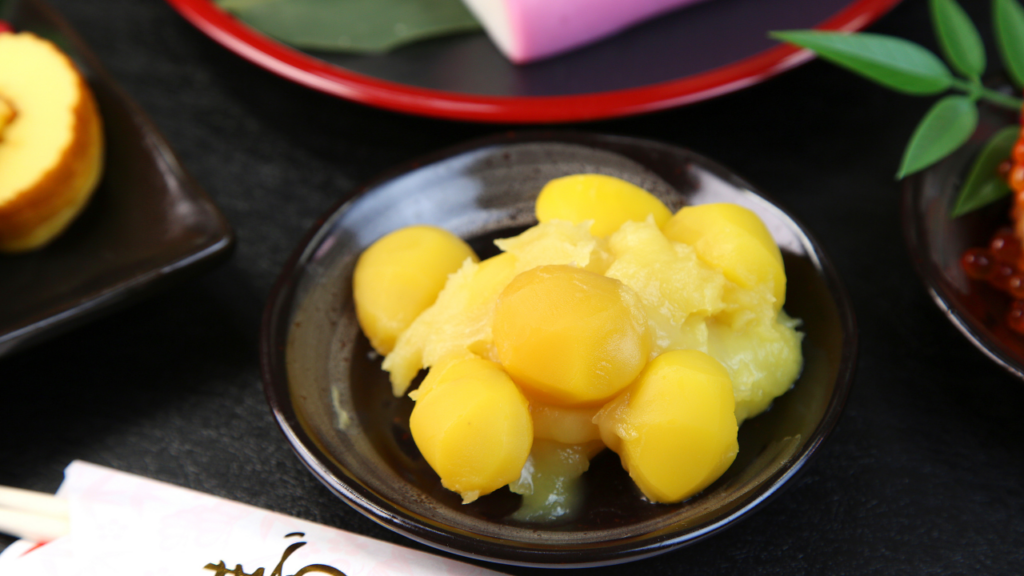
represents wealth and prosperity, since its golden color suggests success and financial good fortune
Red and white kamaboko
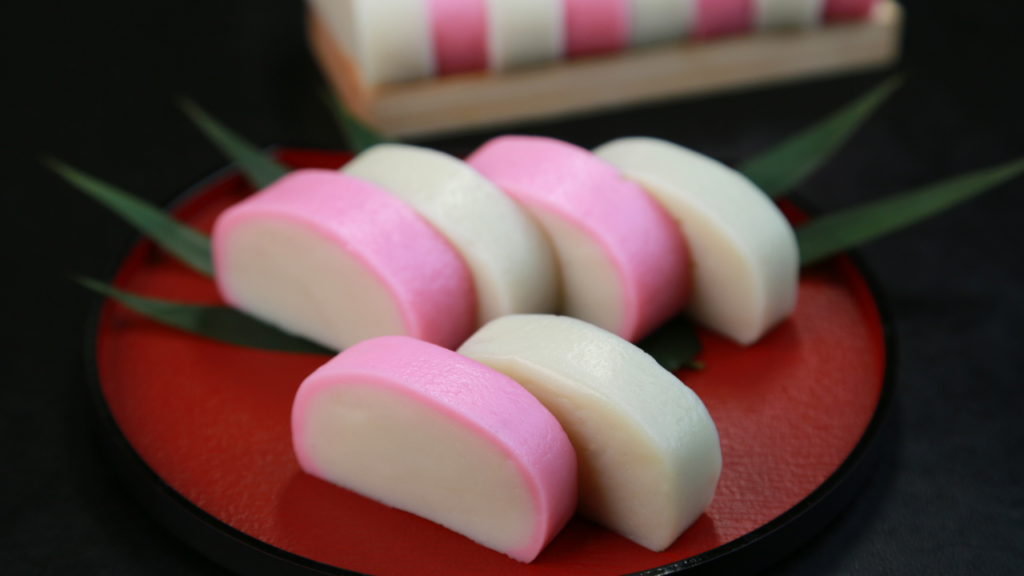
represents celebratory colors in Japan, symbolizing purity, happiness, and auspicious beginnings
Shrimp
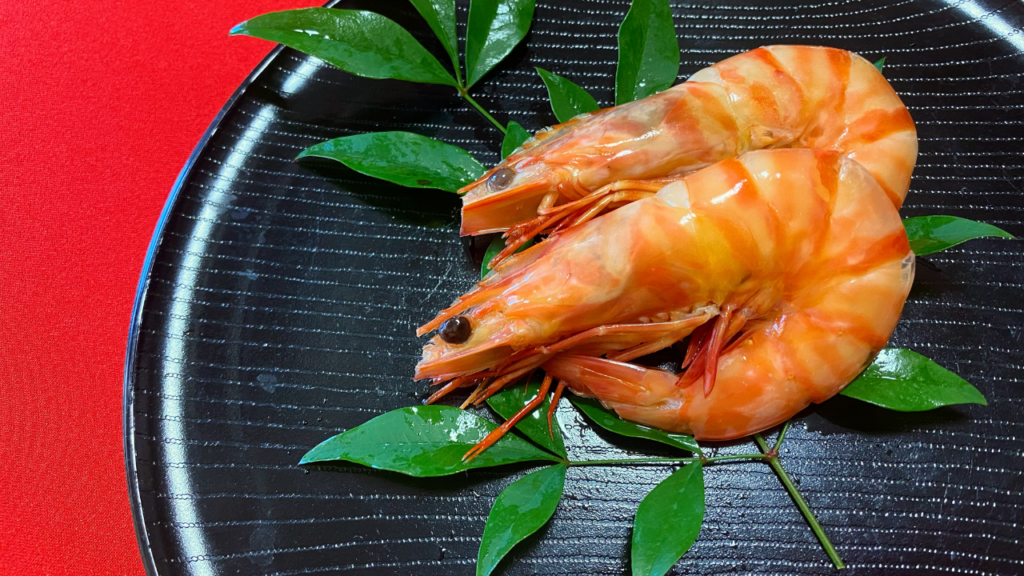
symbolizes longevity, with its curved shape and long whiskers associated with living to an old age
Modern Osechi Styles
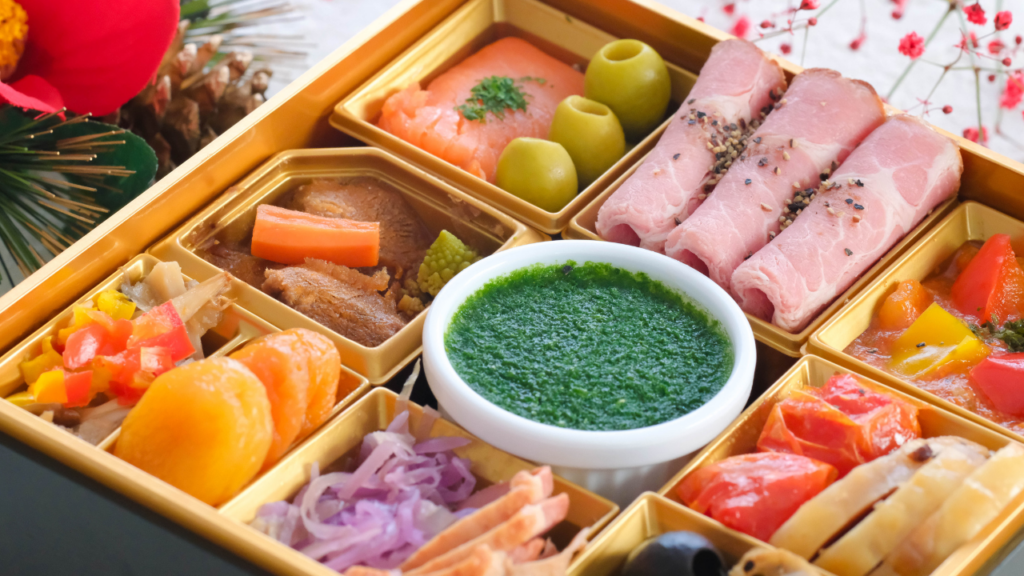
In the past, osechi was mainly handmade at home.
Today, many households buy prepared osechi from department stores or supermarkets.
Some hotels and restaurants offer New Year dishes as part of their menus.
Among younger generations, fewer people prepare osechi at home.
How Travelers May Encounter Osechi
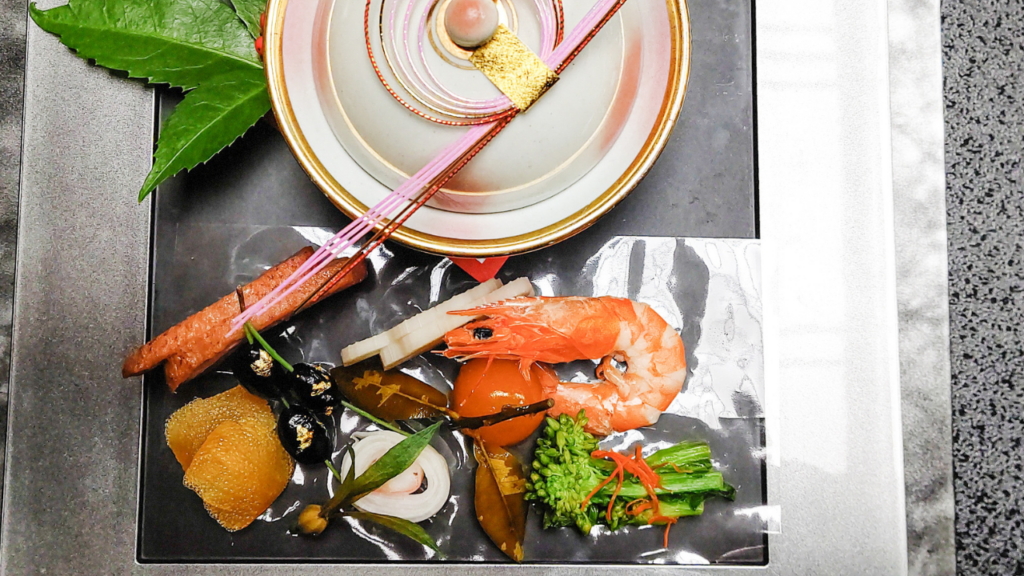
Travelers can find osechi in department-store food sections or at hotel breakfasts from late December to early January.
Some stores require travelers to reserve special sets in advance.
Most offerings are available only around the New Year holiday.