Japan has 26 UNESCO World Heritage Sites that reflect the country’s culture, history, and natural scenery.
From world-famous landmarks to quiet historical towns, this guide gives an easy overview of Japan’s World Heritage Sites.
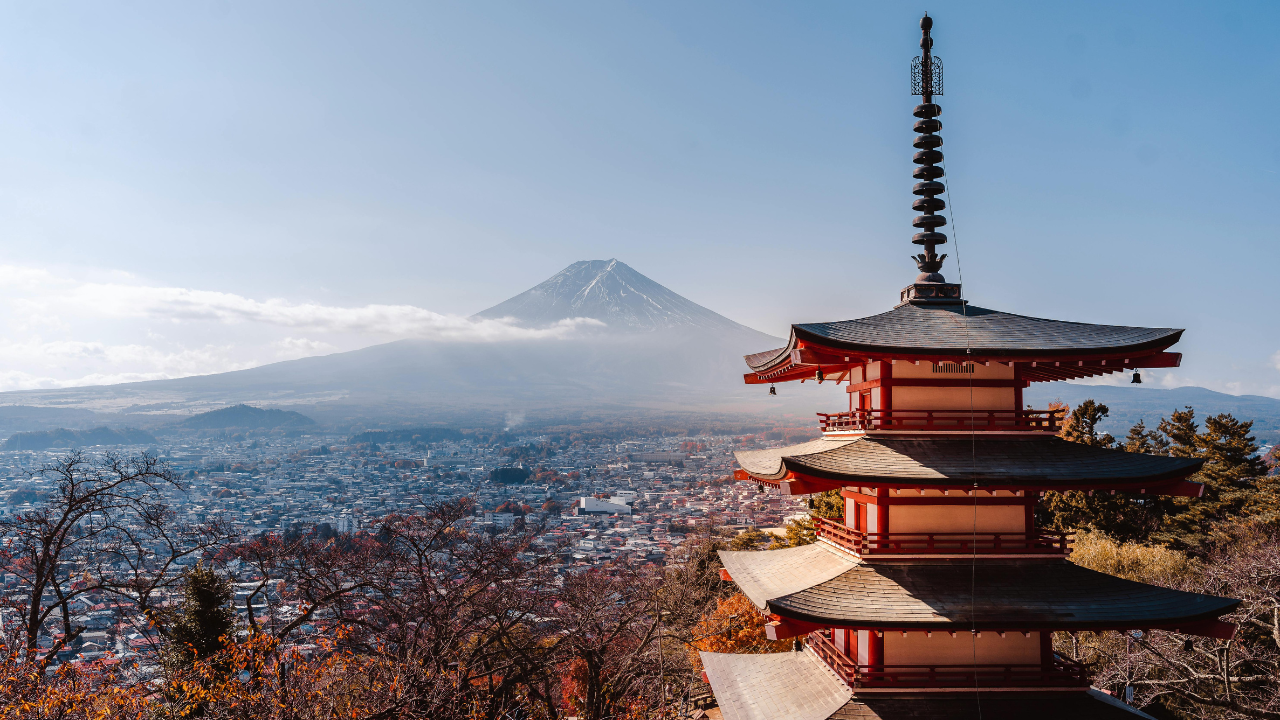
- Mount Fuji (Shizuoka & Yamanashi)
- Himeji Castle (Hyogo)
- Historic Monuments of Ancient Kyoto (Kyoto & Shiga)
- Itsukushima Shrine (Hiroshima)
- Yakushima (Kagoshima)
- Hiroshima Peace Memorial (Hiroshima)
- Historic Monuments of Ancient Nara (Nara)
- Nikko (Tochigi)
- Shirakawa-go & Gokayama (Gifu & Toyama)
- Kumano Kodo — (Wakayama)
- FAQ
Mount Fuji (Shizuoka & Yamanashi)
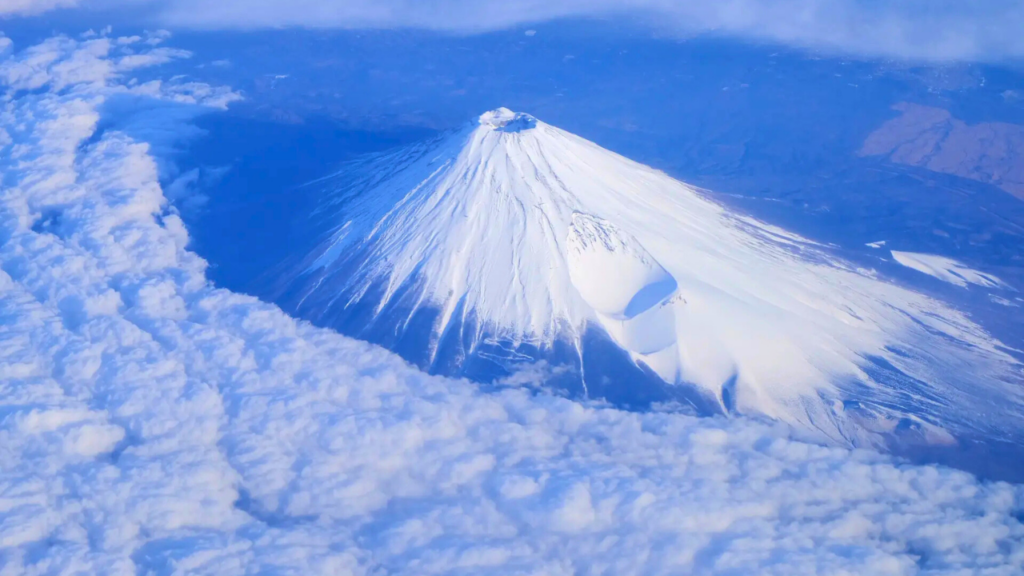
Recognized in 2013 as a “Sacred Place and Source of Artistic Inspiration,”
Mount Fuji is Japan’s most iconic mountain. For centuries, artists, travelers, and worshippers have admired its perfect cone shape. Nearby attractions such as the Fuji Five Lakes and Shiraito Falls make the area even more beautiful.
Himeji Castle (Hyogo)
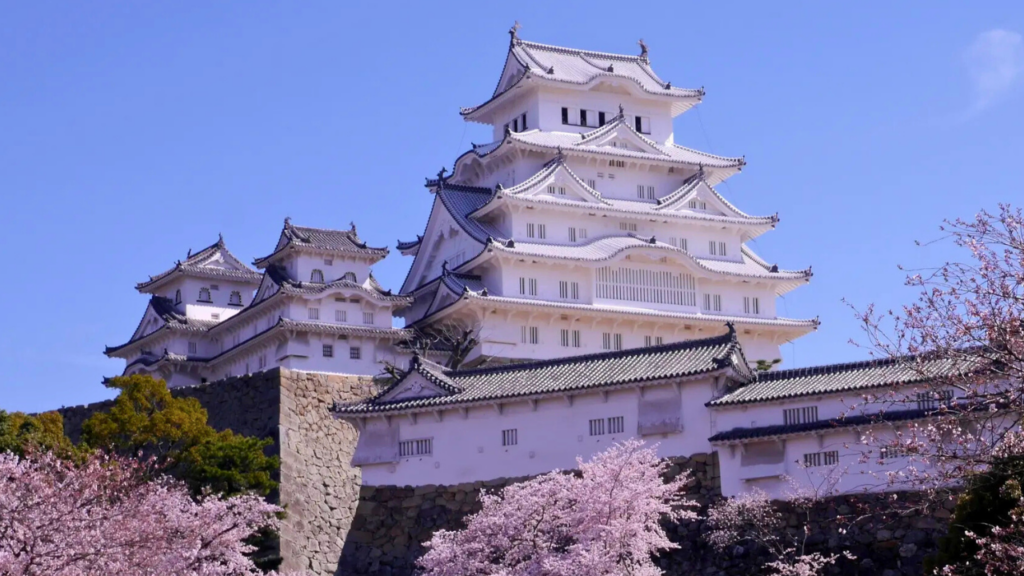
Registered in 1993, Himeji Castle is the best-preserved feudal castle in Japan.
Its bright white walls and elegant design earned it the nickname “White Heron Castle.” The castle survives in its original form, offering a rare glimpse into Japan’s samurai era.
Historic Monuments of Ancient Kyoto (Kyoto & Shiga)
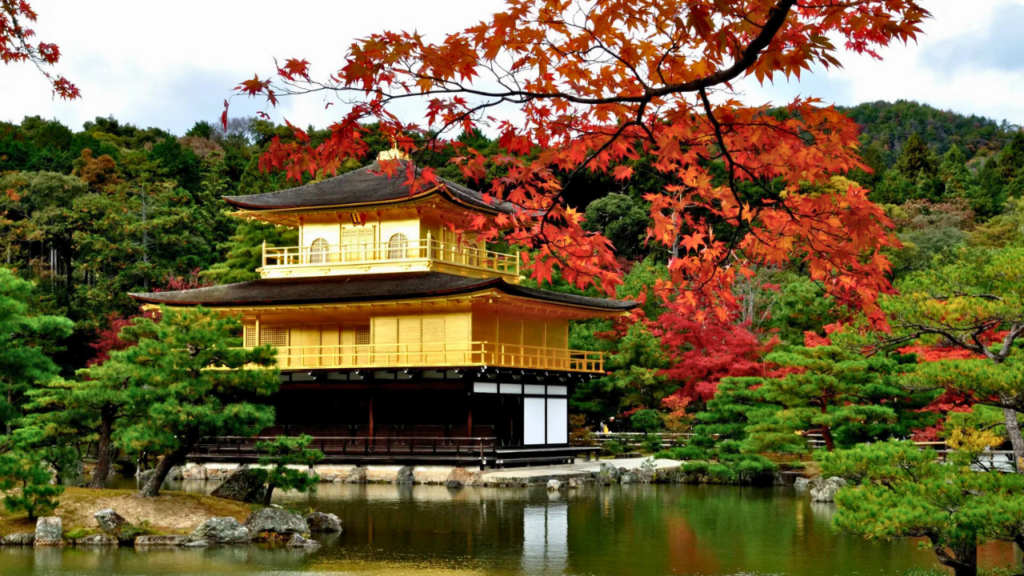
This site includes 17 temples, shrines, and gardens, registered in 1994.
Highlights include Kinkaku-ji (Golden Pavilion), Kiyomizu-dera, and Nijo Castle. Together, they represent the heart of traditional Japanese culture and architecture.
Itsukushima Shrine (Hiroshima)
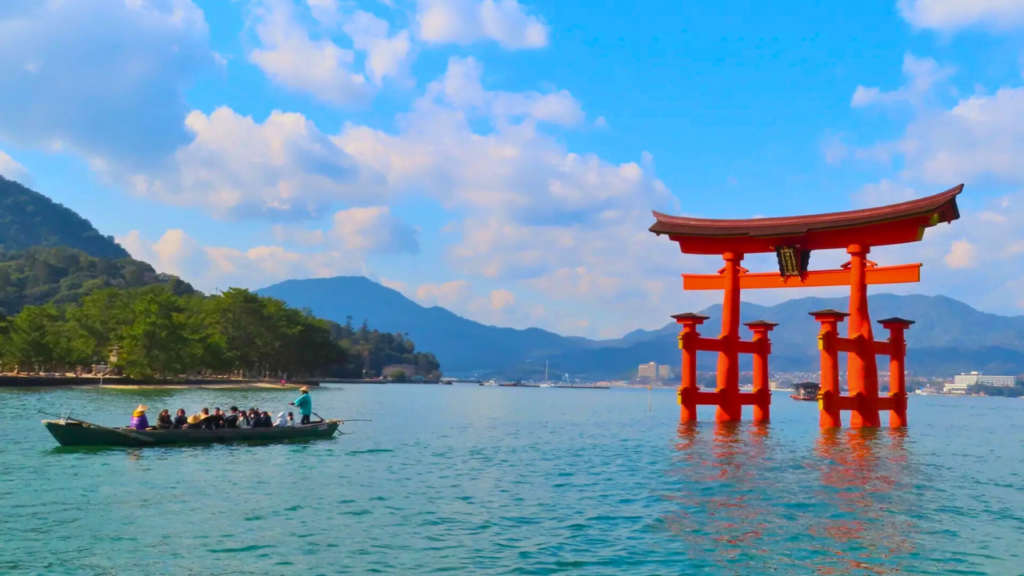
Located on Miyajima Island, Itsukushima Shrine is famous for its red torii gate that appears to float on the sea at high tide.
Registered in 1996, the site is admired for its harmony between religion, architecture, and nature.
Yakushima (Kagoshima)
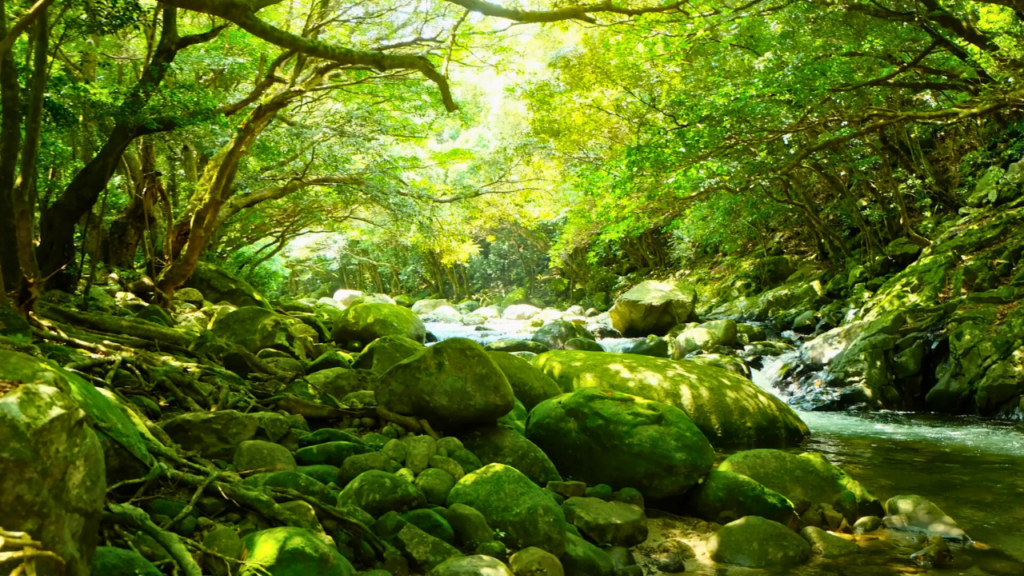
Registered in 1993, Yakushima is known for its ancient forests and giant cedar trees.
The most famous tree, Jomon Sugi, is believed to be more than a thousand years old. The island’s lush landscape makes it a paradise for nature lovers and hikers.
Hiroshima Peace Memorial (Hiroshima)
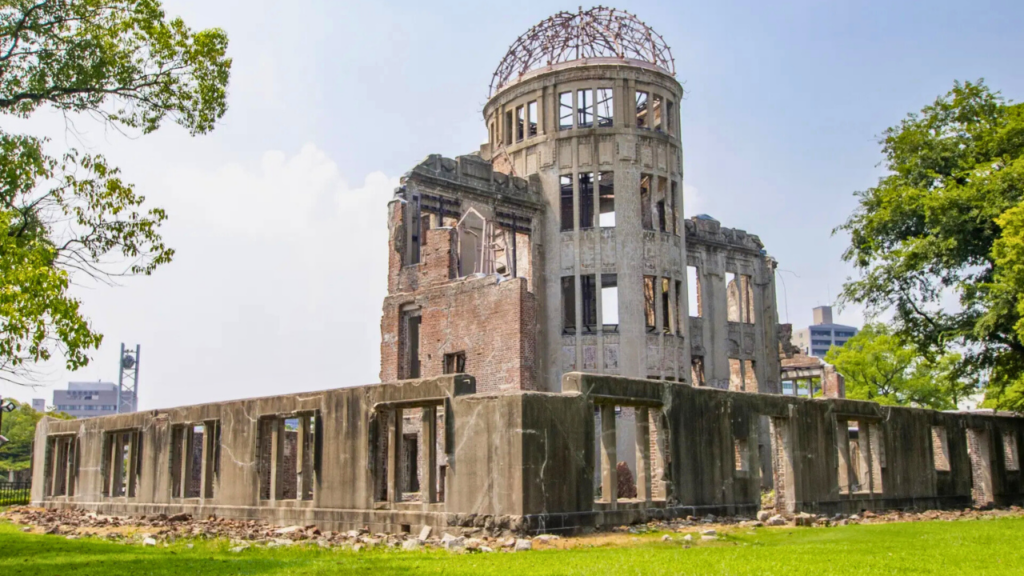
The Atomic Bomb Dome, registered in 1996, is part of the Hiroshima Peace Memorial.
It stands as a powerful symbol of the tragedy of war and a message to promote peace for future generations.
Historic Monuments of Ancient Nara (Nara)
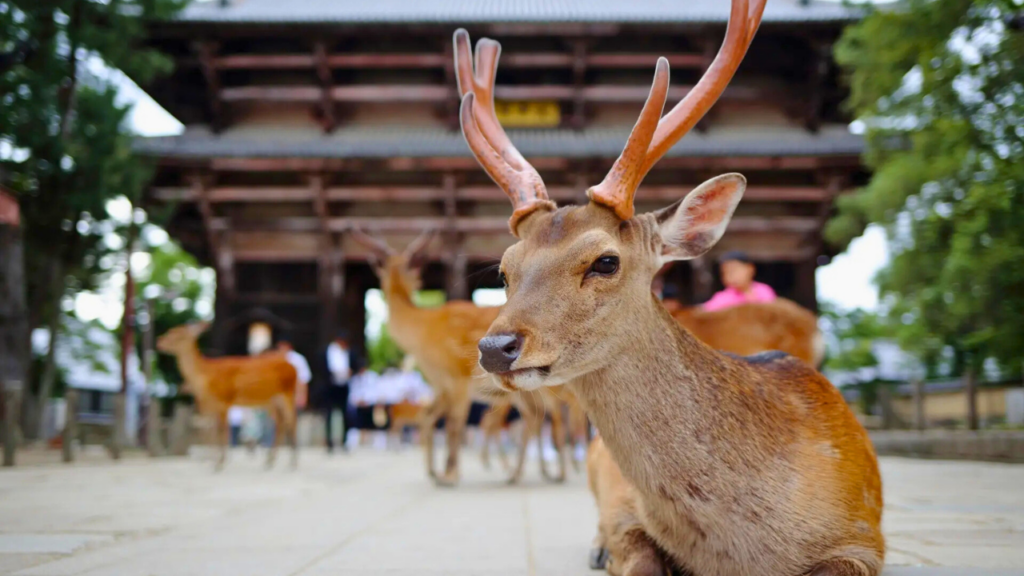
Registered in 1998, this World Heritage Site includes temples, shrines, and the remains of the former Imperial Palace. Notable structures such as Todaiji Temple and Kofukuji Temple illustrate the architectural and religious foundations of the period.
The site reflects Nara’s role as Japan’s first permanent capital and an early center of Buddhism.

Nikko (Tochigi)
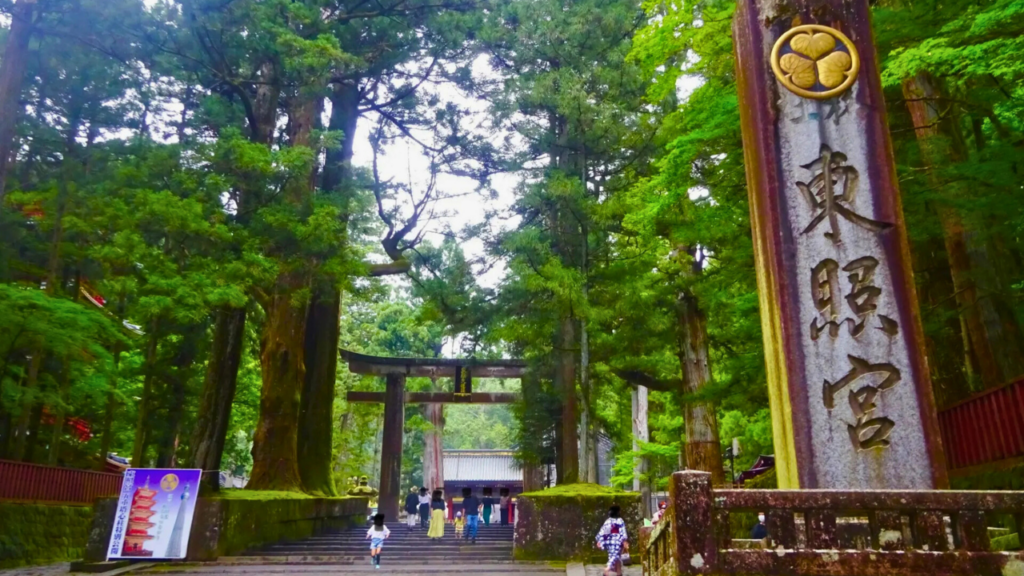
Registered in 1999, Nikko is famous for its richly decorated shrines and temples surrounded by forest.
The most notable structure is Toshogu Shrine, known for its artistic carvings and colorful design.
Shirakawa-go & Gokayama (Gifu & Toyama)
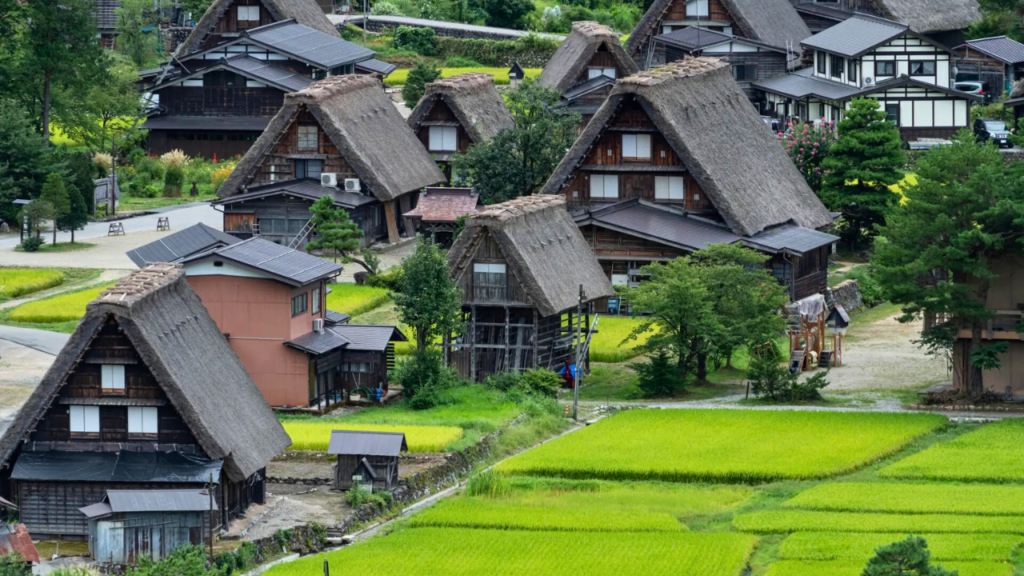
Registered in 1995, these villages are known for their thatched-roof farmhouses, designed to withstand heavy winter snow.
This unique architectural style reflects the communities’ way of life in a harsh mountain environment.
Kumano Kodo — (Wakayama)
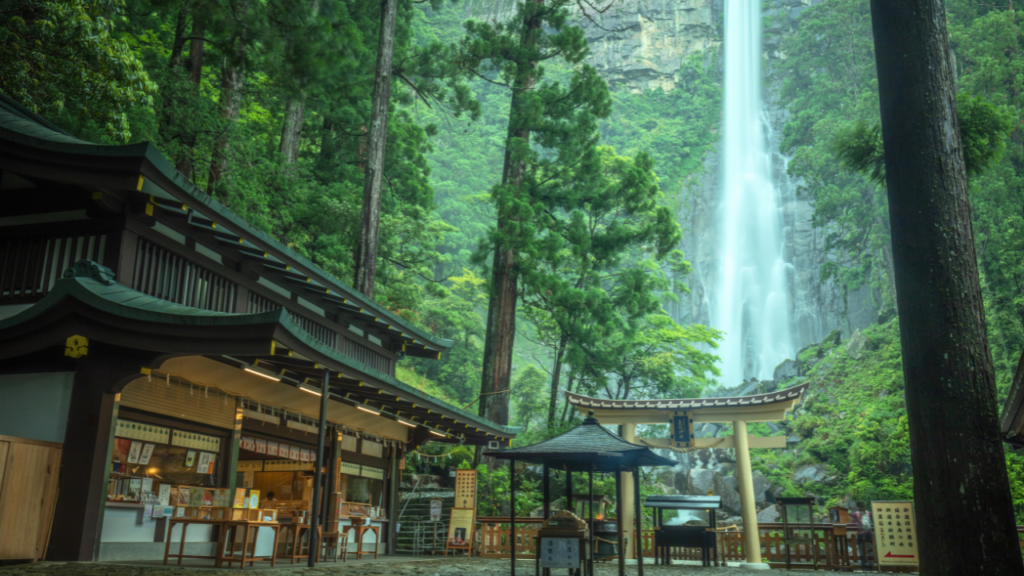
Registered in 2004, the Kumano Kodo is a network of ancient pilgrimage routes that wind through the mountains of the Kii Peninsula. For more than 1,000 years, emperors, monks, and ordinary travelers walked these sacred paths to visit the three grand shrines of Kumano: Kumano Hongu Taisha, Kumano Nachi Taisha, and Kumano Hayatama Taisha.
Additional UNESCO Sites in Japan (Summary List)
- Horyu-ji Area (Nara)
- Shirakami-Sanchi (Aomori & Akita)
- Gusuku Sites (Okinawa)
- Shiretoko (Hokkaido)
- Iwami Ginzan Silver Mine (Shimane)
- Ogasawara Islands (Tokyo)
- Hiraizumi (Iwate)
- Tomioka Silk Mill (Gunma)
- Meiji Industrial Revolution Sites
- National Museum of Western Art (Tokyo)
- Okinoshima & Munakata Region (Fukuoka)
- Hidden Christian Sites (Nagasaki & Kumamoto)
- Mozu-Furuichi Kofun Group (Osaka)
- Amami-Oshima / Tokunoshima / Okinawa / Iriomote
- Jomon Prehistoric Sites (Hokkaido & Aomori)
- Sado Island Gold Mines (Niigata)
For full details, visit the JAPAN Heritage official site.
FAQ
Japan has 26 UNESCO World Heritage Sites, including 21 cultural sites and 5 natural sites.
The first World Heritage Sites in Japan were Himeji Castle (Himeji-jo) and Horyu-ji Temple, registered together in the early UNESCO listings for Japan.
Italy has the largest number of UNESCO World Heritage Sites, followed by China, with Germany and France ranking next.