
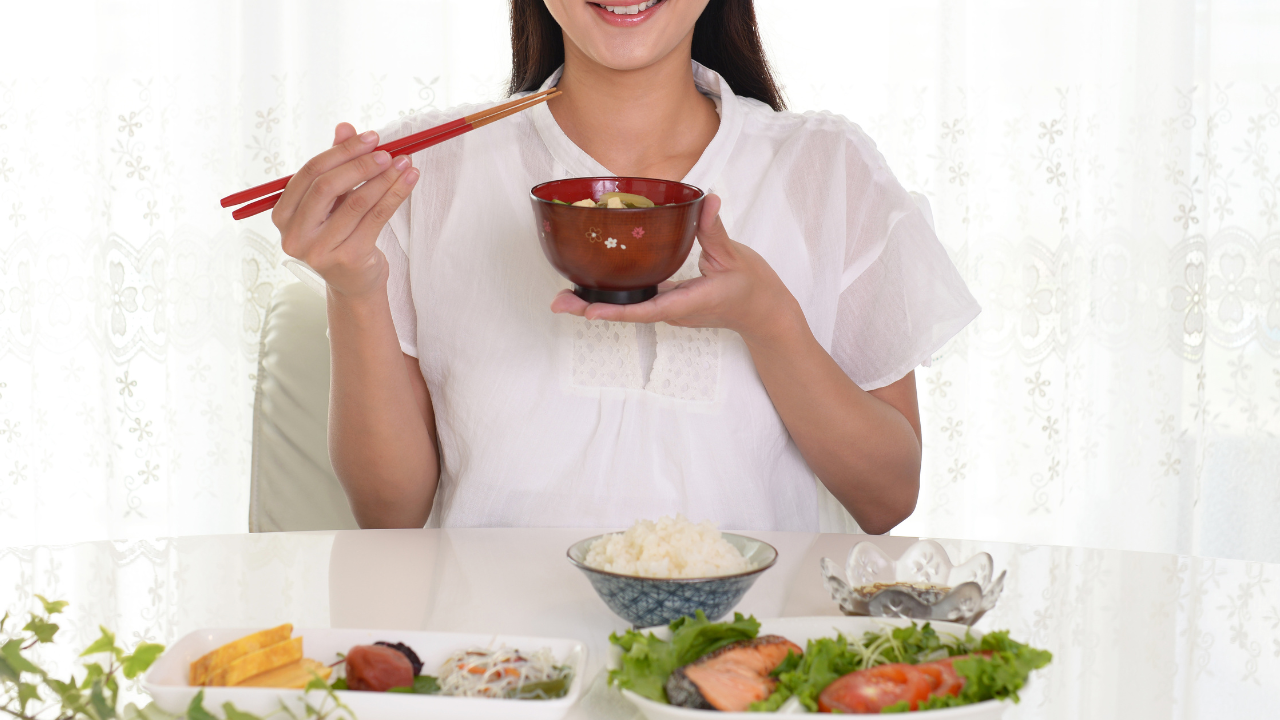
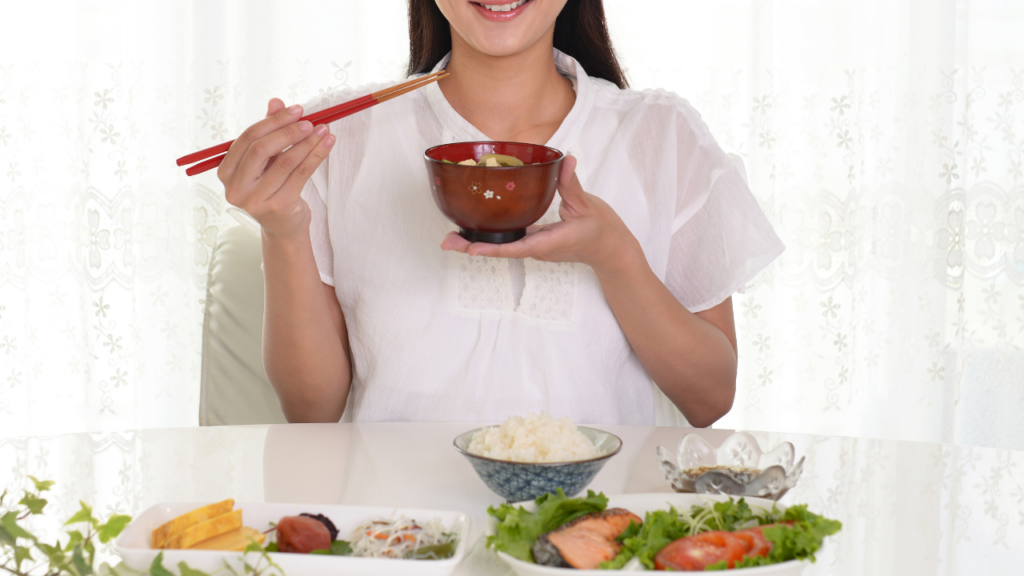
Japanese table manners reflect daily habits and cultural values. This guide explains basic manners that are useful in restaurants and when eating home-style meals. The content is simple and easy for first-time visitors to understand.
Basic Table Manners
In Japan, people value consideration for others and calm, quiet behavior. Loud actions and rough handling of table items can appear impolite. Use the points below to help maintain polite behavior during meals.
1. Use the oshibori only to clean your hands
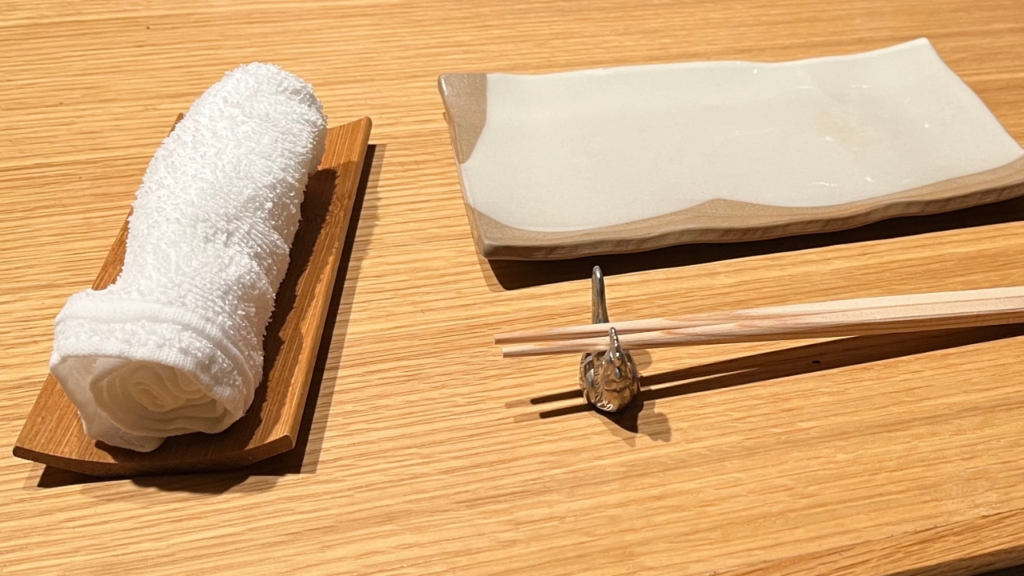
Many restaurants give an oshibori (wet towel) when you sit down. Use it only to clean your hands. Do not use it on your face, neck, table, or dishes. The oshibori is free to use.
2. Greet before and after a meal
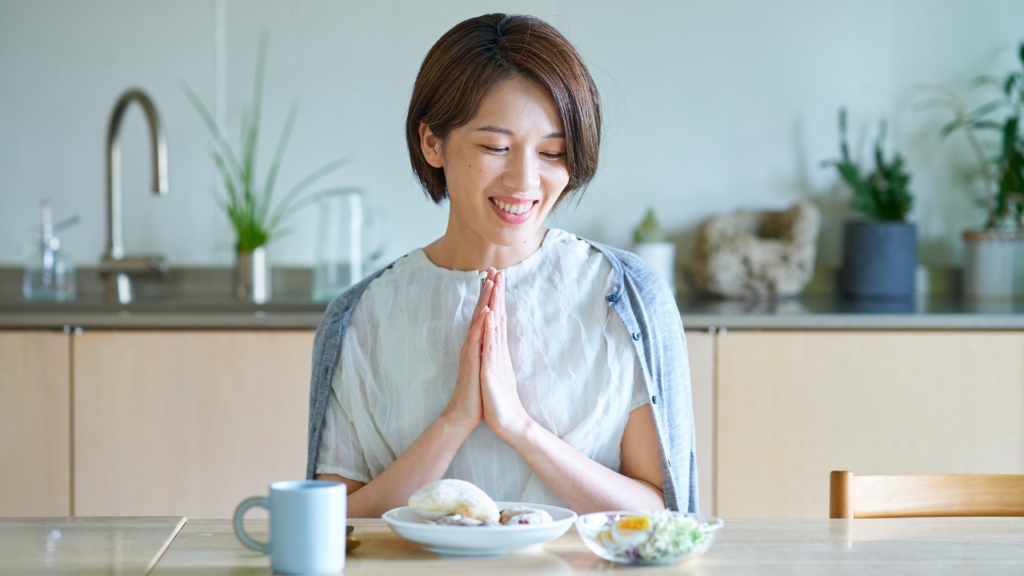
Before eating, people say “Itadakimasu.” After finishing, they say “Gochisousama.” These phrases show gratitude for the food and for the people involved in preparing it.
3. Use chopsticks with care
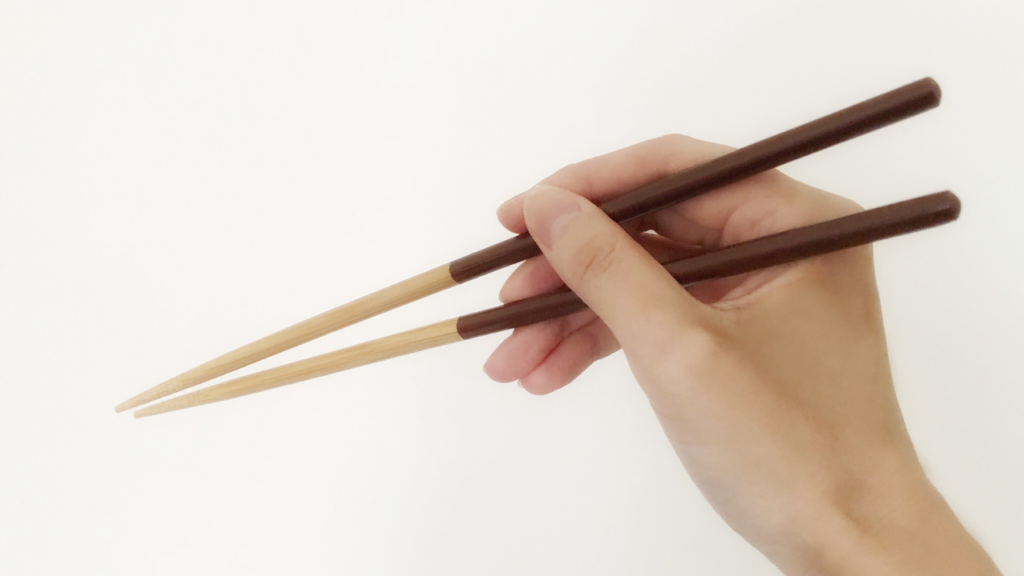
Chopsticks are the main eating tool in Japan. Do not point with chopsticks, wave them, or move them over dishes in the air. If chopsticks are difficult to use, ask the staff for a fork. Many places can provide one.
4. Hold small bowls while eating
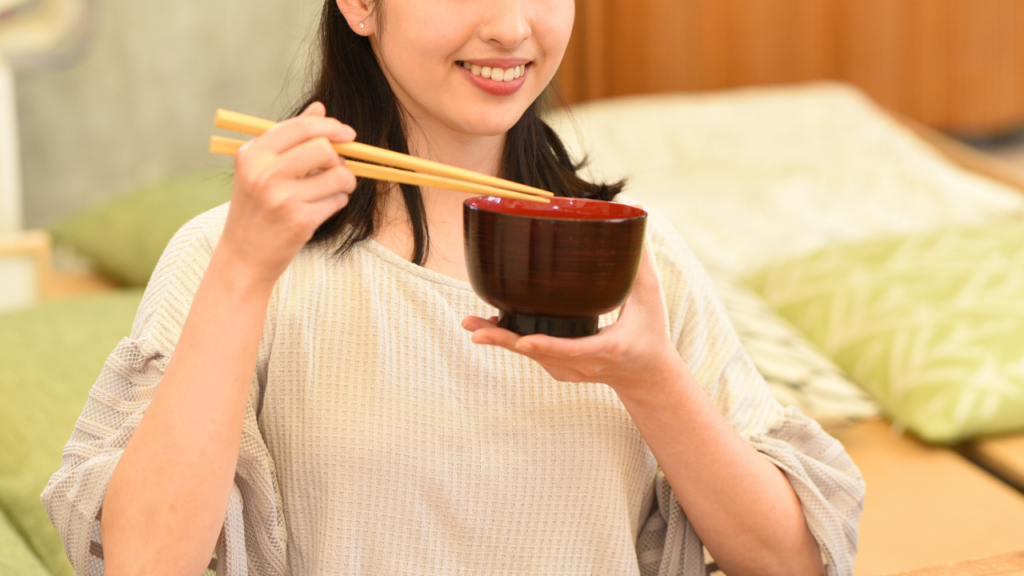
People usually hold small, light bowls such as rice bowls and miso soup bowls while eating. Do not lift large bowls, such as ramen bowls. Place one hand on the side of the bowl while eating instead.
5. Making a slurping sound can be acceptable with hot soup or noodles
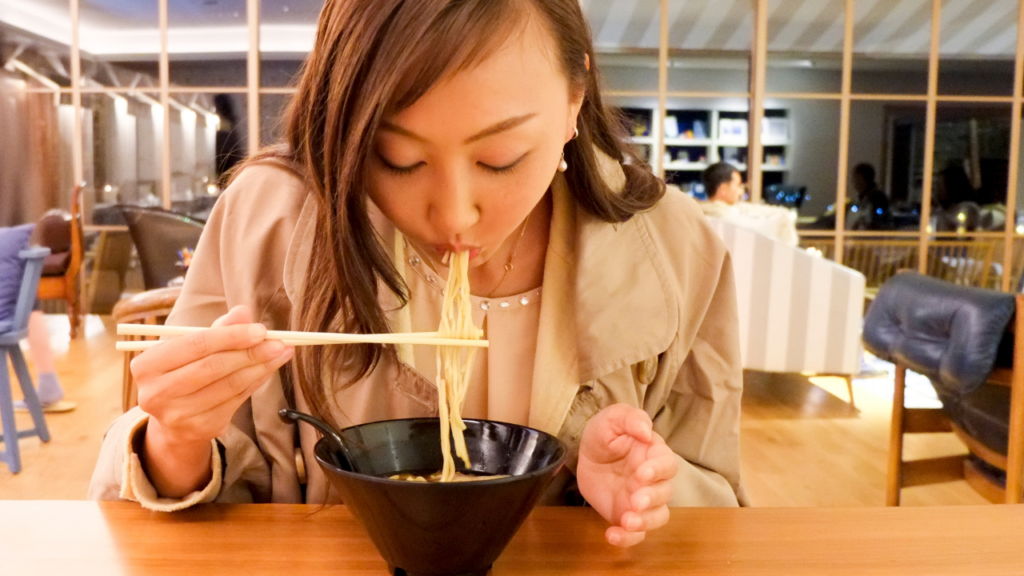
With miso soup and noodles, slurping can be acceptable in some situations. People do this to enjoy the aroma while eating. However, loud chewing sounds or banging dishes on the table are considered impolite. If you are unsure, eat quietly.
6. Try not to leave food on the plate
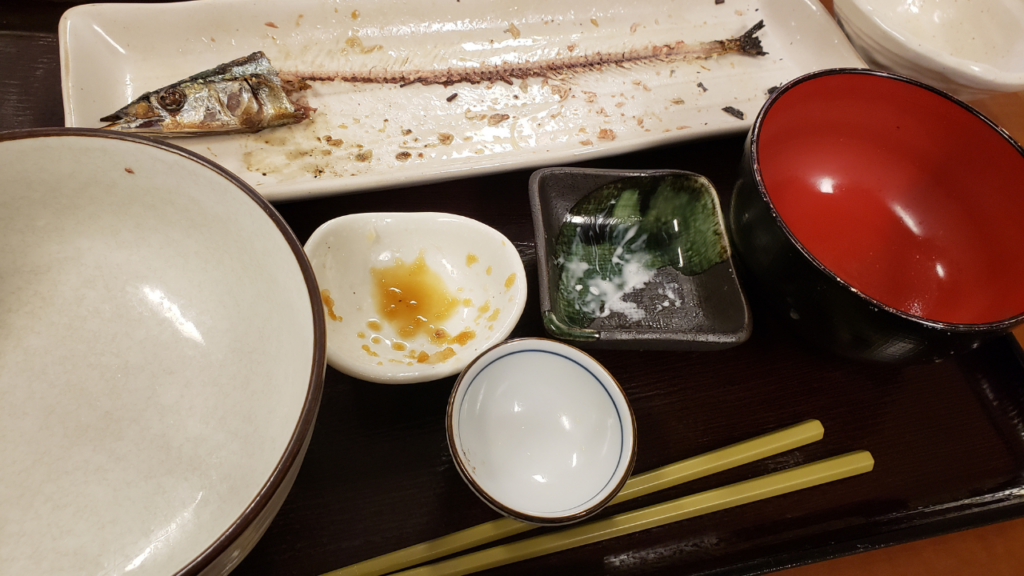
In Japan, finishing your meal is seen as a sign of appreciation for the food. If there are items you cannot eat, tell the staff before ordering. They may be able to adjust the dish.
7. Avoid behavior that may disturb others during a meal
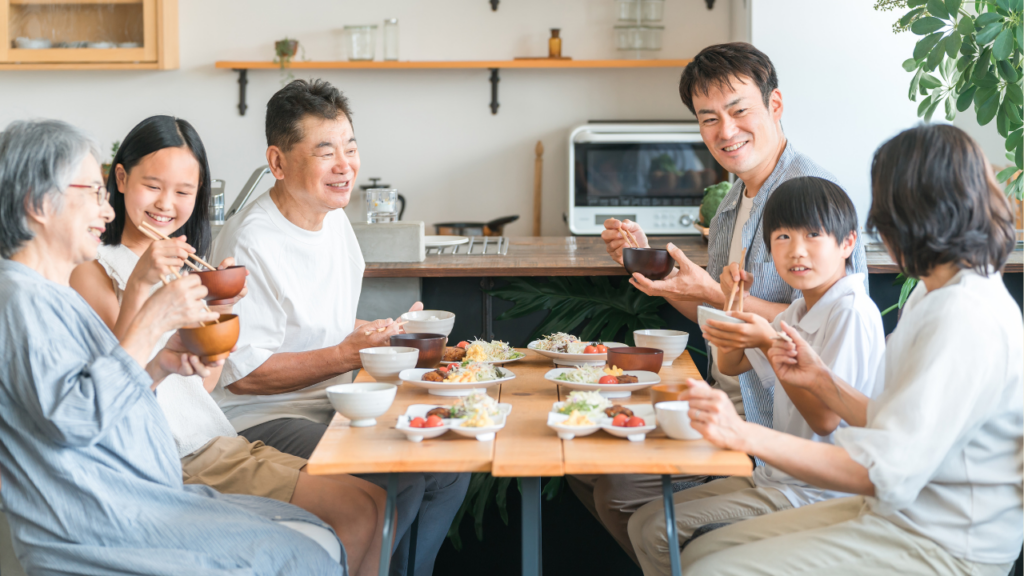
During meals, avoid the following actions:
- Using a mobile phone
- Speaking in a loud voice
- Crossing your legs
- Resting your elbows on the table
Summary
Japanese table manners are based on respect, gratitude, and consideration for others. Understanding these basic points helps travelers feel comfortable and confident when dining in Japan.
FAQ
Yes. Sticking chopsticks upright in a bowl of rice is associated with funeral rituals in Japan and is considered very bad manners. Instead, place your chopsticks on the chopstick rest when not in use.
No. Slurping noodles such as ramen, soba, and udon is generally acceptable and can even show that you are enjoying the meal. However, be mindful not to splash food on others.
You don’t have to, but it is polite. “Itadakimasu” is a phrase used before meals to express appreciation for the food, while “Gochisousama deshita” is said after finishing the meal.