
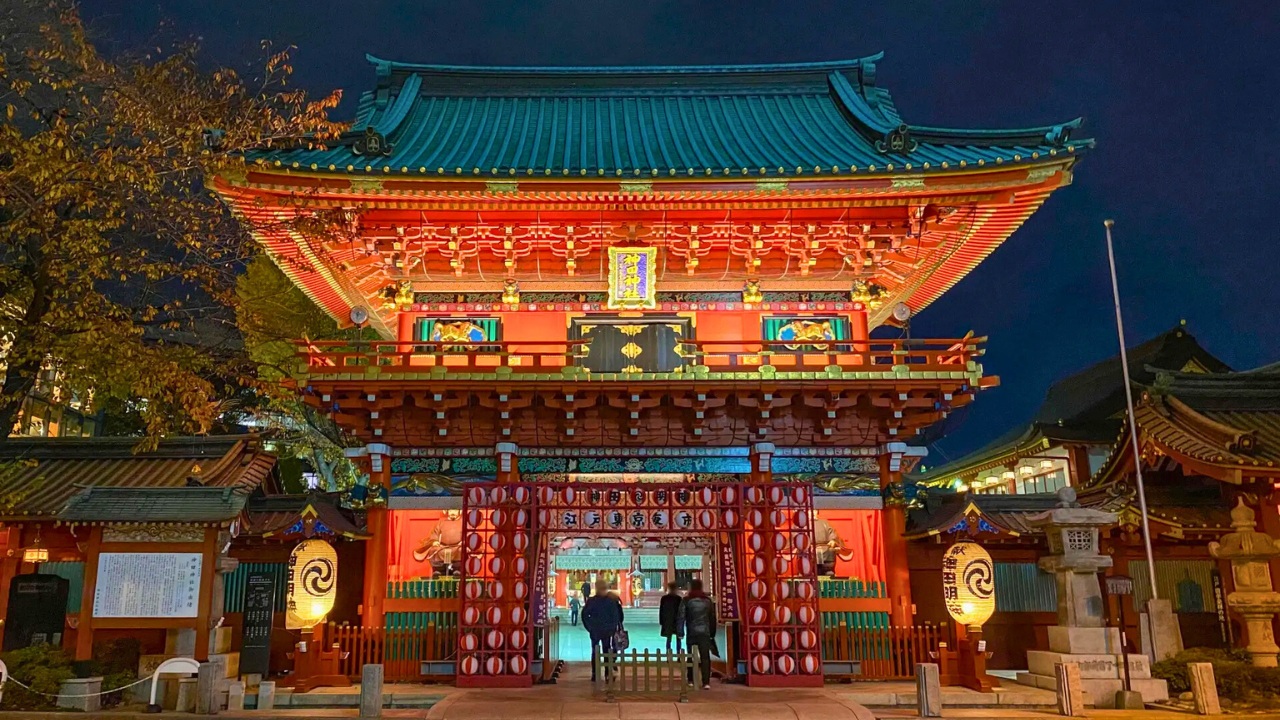
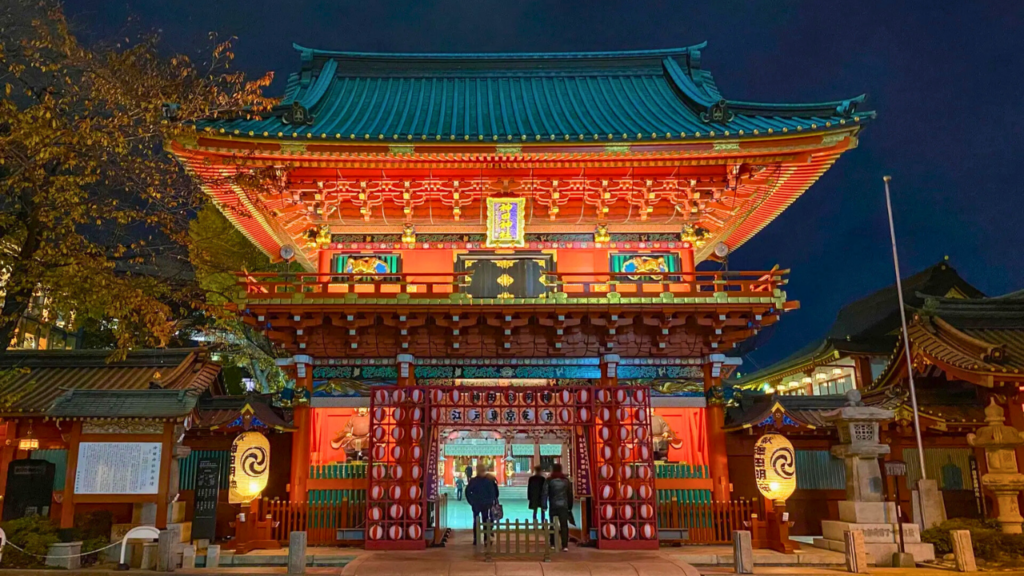
Japanese culture and traditions come from a long history.
They mix Shinto and Buddhism with modern life.
This mix creates a special way of life in Japan.
It also shapes how people think, act, and celebrate.
From bowing and tea ceremonies to big festivals,
Japan keeps old customs while also moving forward.
How Shinto and Buddhism Shape Japanese Culture
Shinto and Buddhism both shape life in Japan.
Shinto teaches respect for nature and ancestors.
It is linked to shrines, festivals, and seasonal events.
Buddhism came to Japan from India through China and Korea.
It teaches ideas like calm, compassion, and reflection.
Buddhism also brought temples, meditation, and ceremonies for the dead.
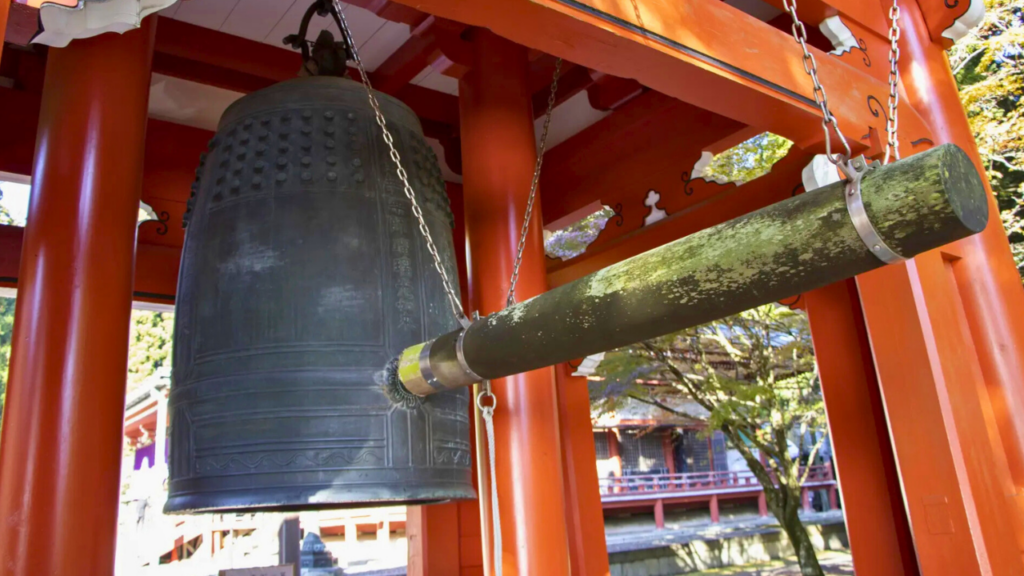
These two religions exist together in daily life.
People may visit shrines for happy events and temples for funerals.
Because of this, religion in Japan feels natural and balanced.
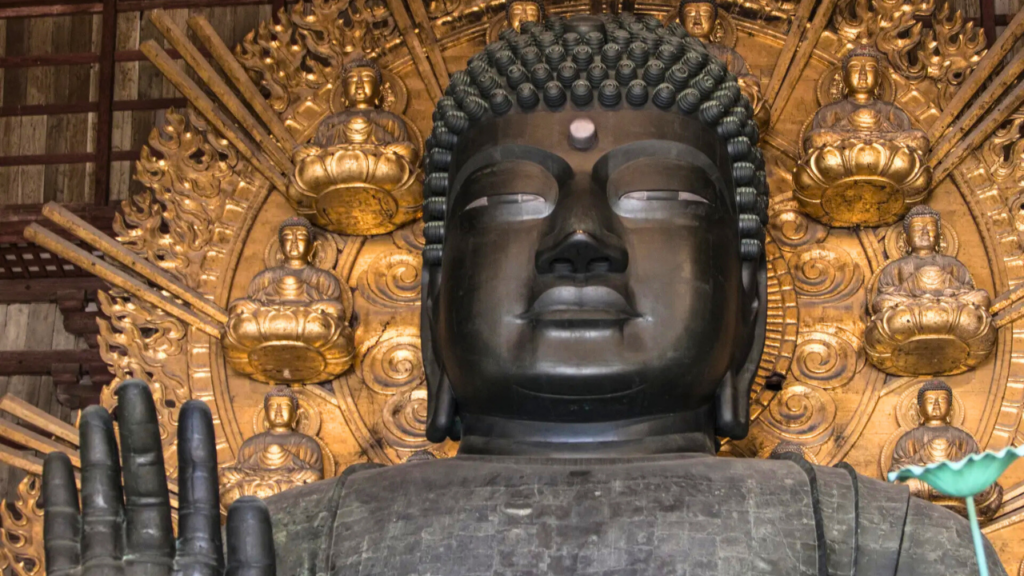
One famous Buddhist symbol is the Great Buddha in Nara at Todai-ji Temple.
How Names and Honorifics Work in Japan
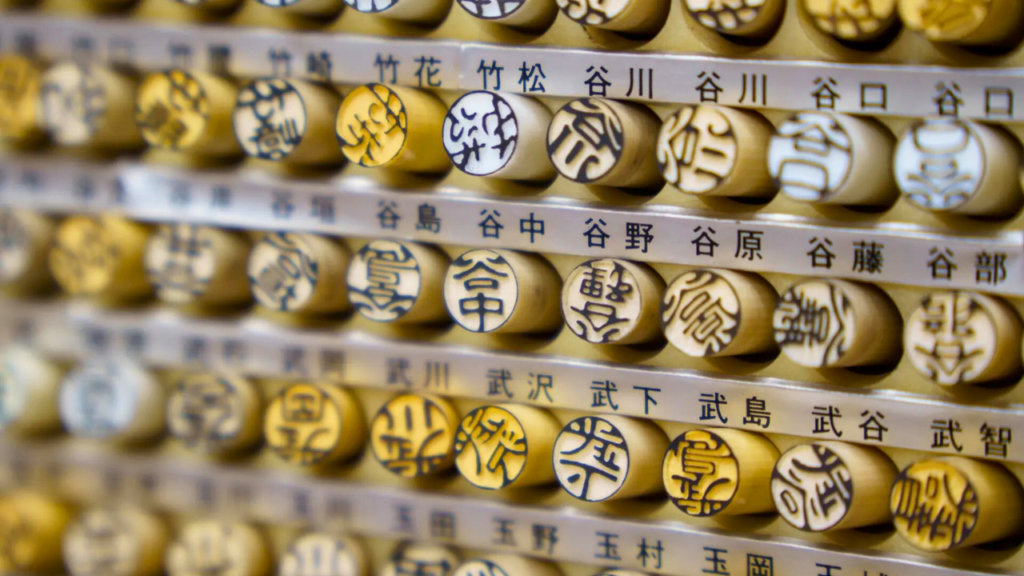
In Japan, the family name comes first.
The given name comes after it.
People use honorifics to show respect.
“San” and “sama” are polite.
“Chan” and “kun” are for friends and children.
Japan does not use middle names in most cases.
However, some people with international backgrounds may have one.
Daily Etiquette and Respect
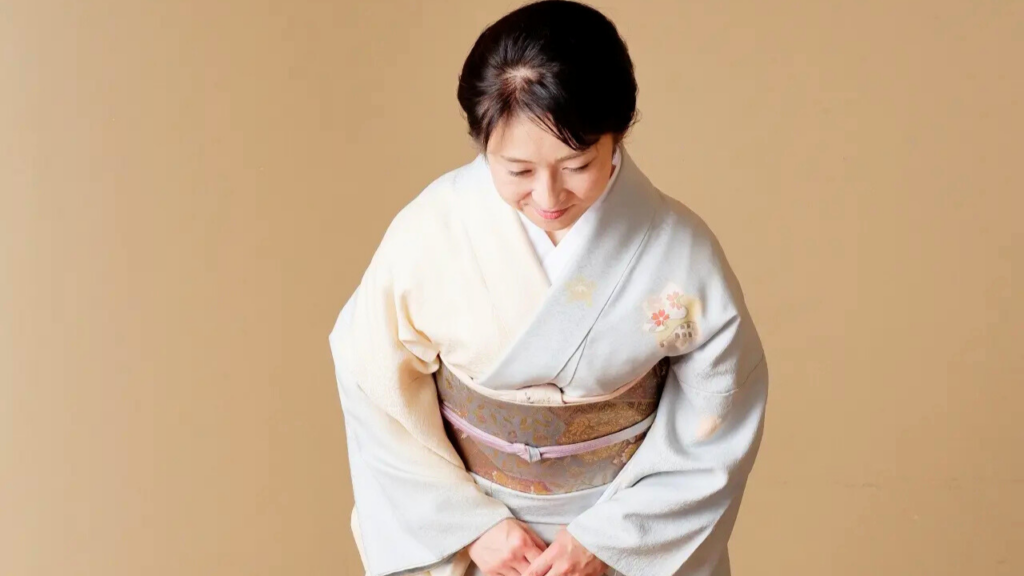
Respect is very important in Japan.
People bow when they greet others.
The deeper the bow, the more respect it shows.
People also take off their shoes before entering homes and some buildings.
Before eating, people say “Itadakimasu” to show thanks for the food.
Seasonal Celebrations and Festivals
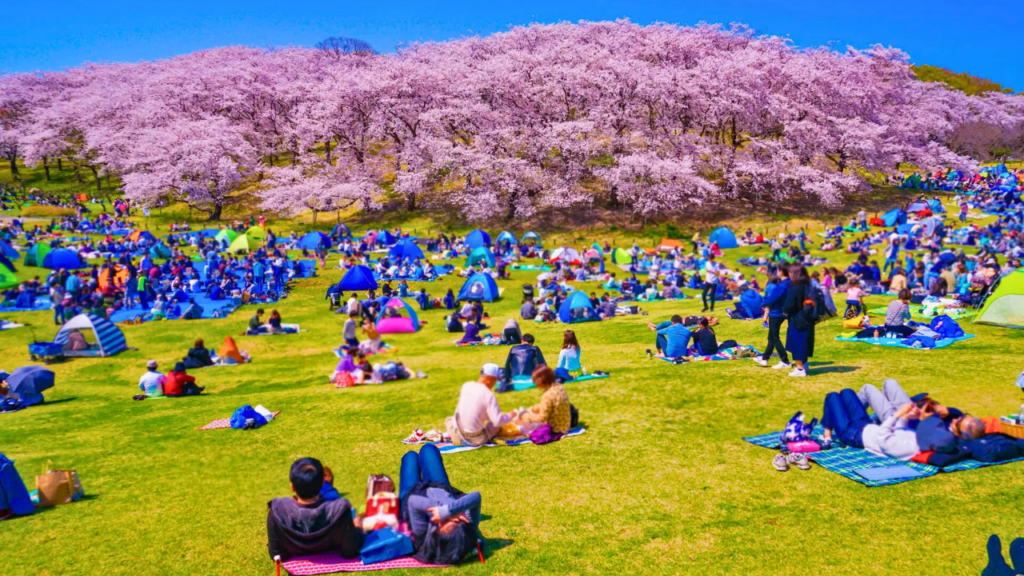
Each season has its own traditions.
Spring brings cherry blossom viewing, called hanami.
Summer has fireworks and Bon Odori dances.
Autumn is for harvest festivals and red leaves.
Winter is for New Year visits to shrines and temples.
Hanami is especially popular.
Cherry blossoms usually bloom from late March to early April.
During this time, parks across Japan turn pink and white.
It is one of the best times to visit the country.
The main traditions include New Year shrine visits, cherry blossom viewing, and seasonal festivals.
Therefore, people mark the year with food, prayers, and outdoor events.
Bowing, taking off shoes, and quiet public behavior guide daily life.
Additionally, people show respect through careful and polite actions.
People slurp noodles to show they enjoy the food, and they draw omikuji at shrines.
However, these small acts carry clear meaning in daily culture.
Japan blends old traditions with modern life, such as temples beside high-speed trains.
Meanwhile, food, pop culture, and clean cities shape its global image.