
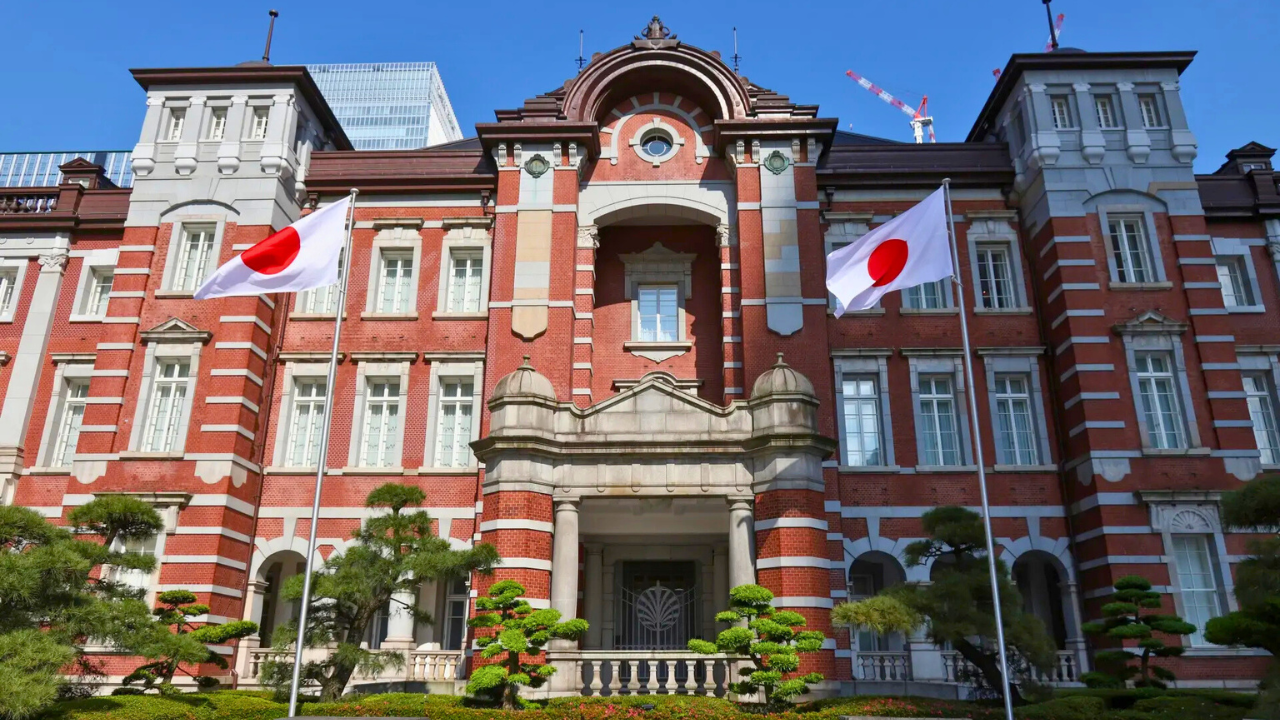
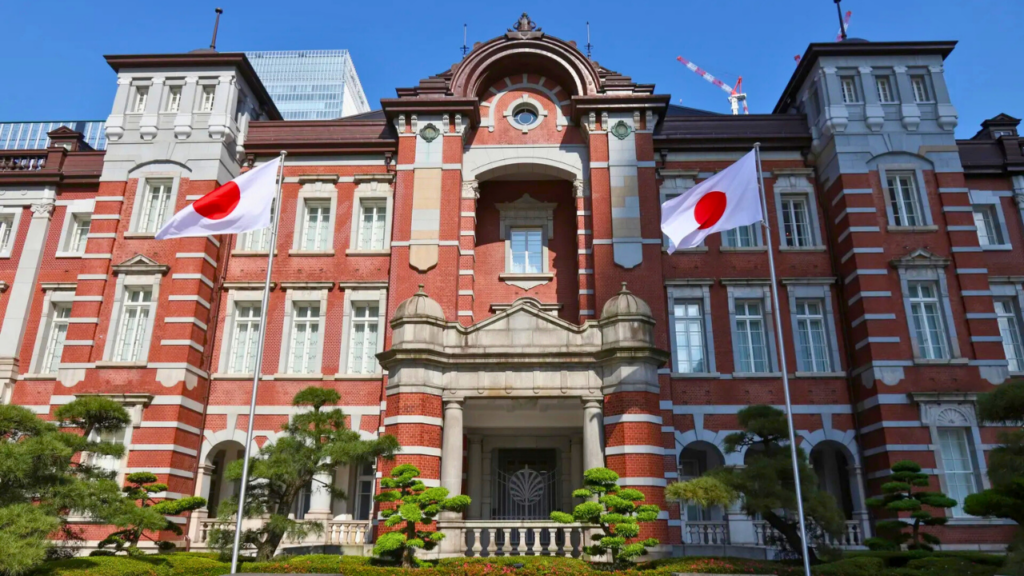
Japan is an island nation in East Asia known for balancing long-standing traditions with advanced modern systems.
This overview explains Japan’s basic structure—its geography, people, language, and economy—without relying on travel imagery or stereotypes.
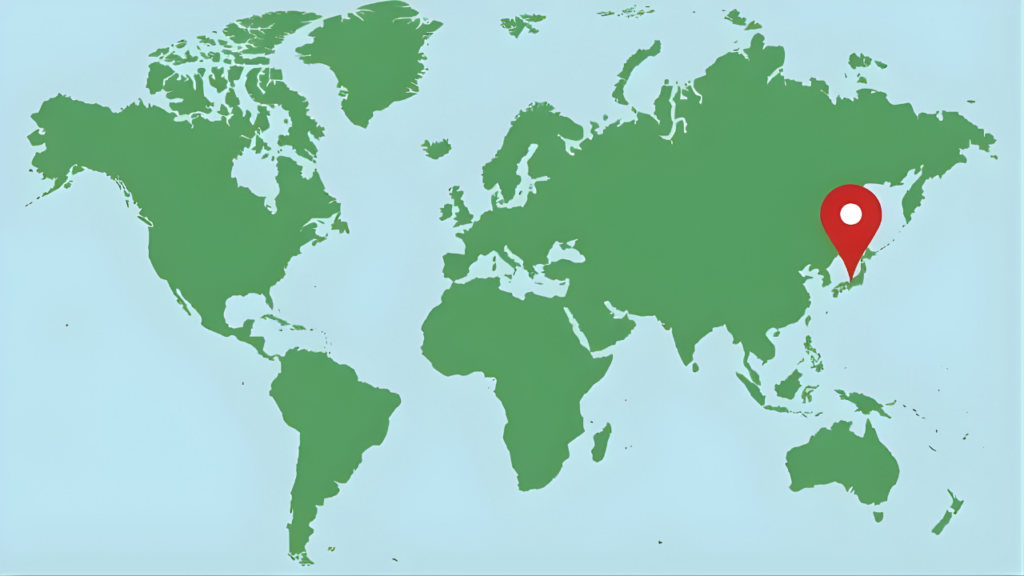
Geographically, Japan is easy to recognize.
It stretches north to south along the eastern edge of the Asian continent and consists of several large islands surrounded by the Pacific Ocean.
Official Name of Japan
Official name: Nihon / Nippon
Both names mean “origin of the sun,” which later became known in English as “the Land of the Rising Sun.”
The term reflects Japan’s position east of China, where the sun rises.
International name: Japan
The English name comes from early European trade routes.
It derives from historical pronunciations recorded by Portuguese and Italian merchants and was later standardized in English.
An Overview of Japan’s Geography
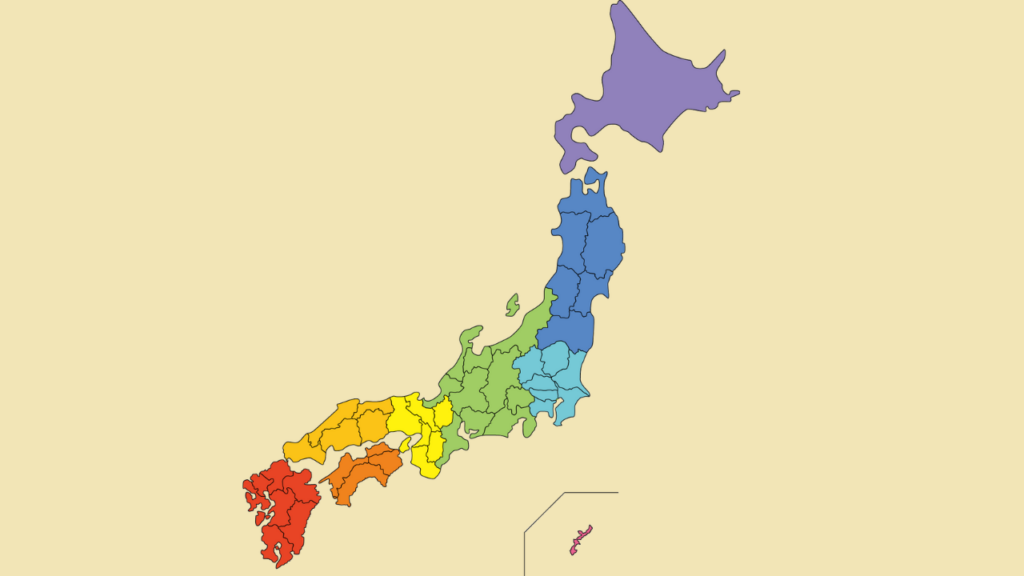
Japan consists of 8 regions and 47 prefectures, each with distinct local cultures and identities.
The four main islands are:
- Hokkaido
- Honshu
- Shikoku
- Kyushu
More than 70% of Japan is mountainous, which limits flat land and shapes where cities develop.
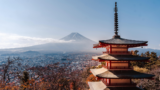
Mount Fuji stands out as the country’s most recognized natural landmark and a UNESCO World Heritage Site.
Key Facts About Japan
Capital
Tokyo functions as Japan’s political, economic, and administrative center.
It combines dense urban infrastructure with historical districts and long-established neighborhoods.
National Flag
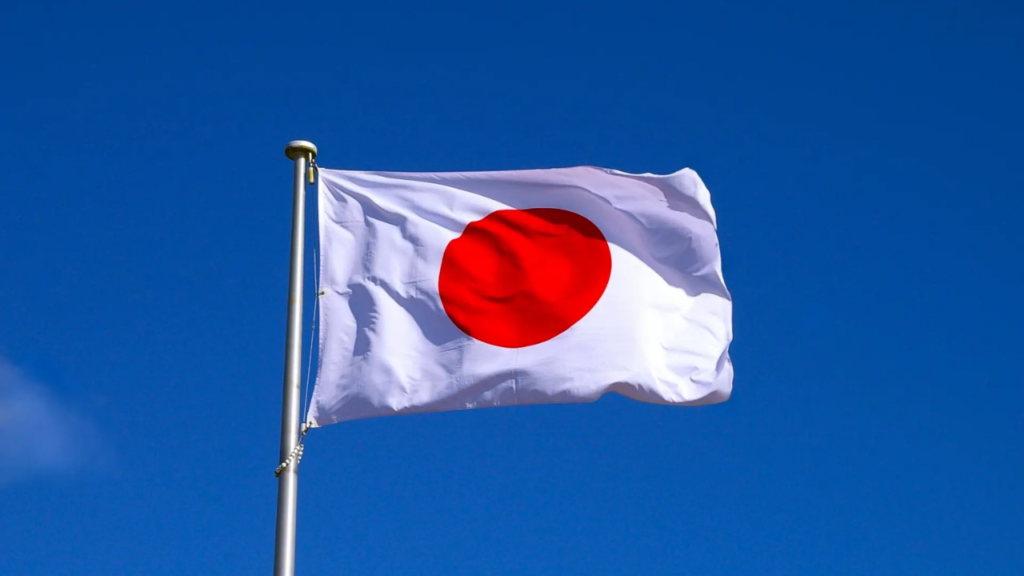
The Japanese national flag is called the Hinomaru, a Japanese word meaning “circle of the sun.”
It shows a red circle on a white background.
Japan – The Island Empire 1932
Climate
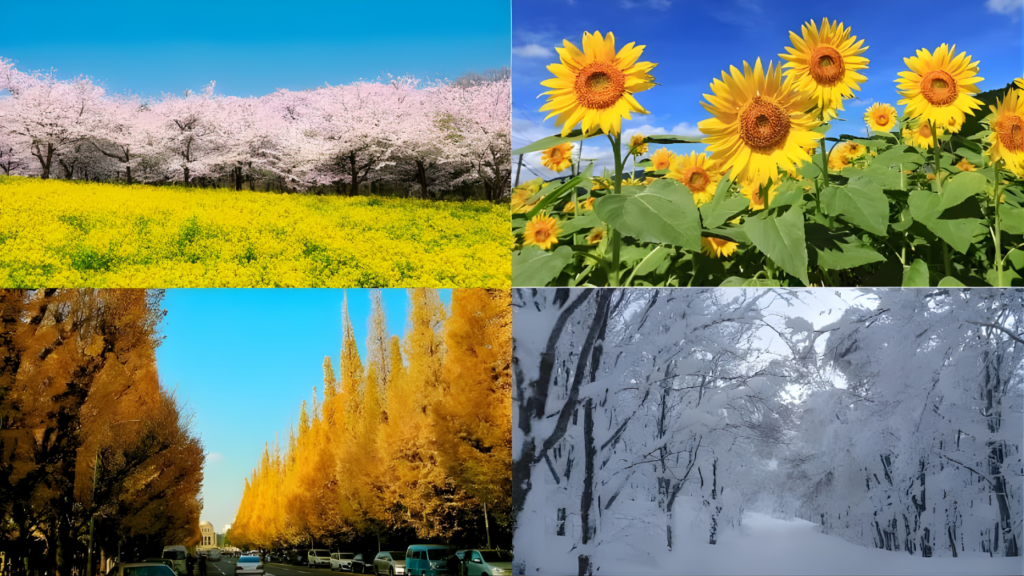
Japan experiences four distinct seasons:
- Spring: Mild temperatures and cherry blossom season
- Summer: Hot and humid, especially in urban areas
- Autumn: Cooler weather with noticeable seasonal color changes
- Winter: Cold in the north with heavy snowfall in some regions
Climate conditions vary significantly by region.
Population
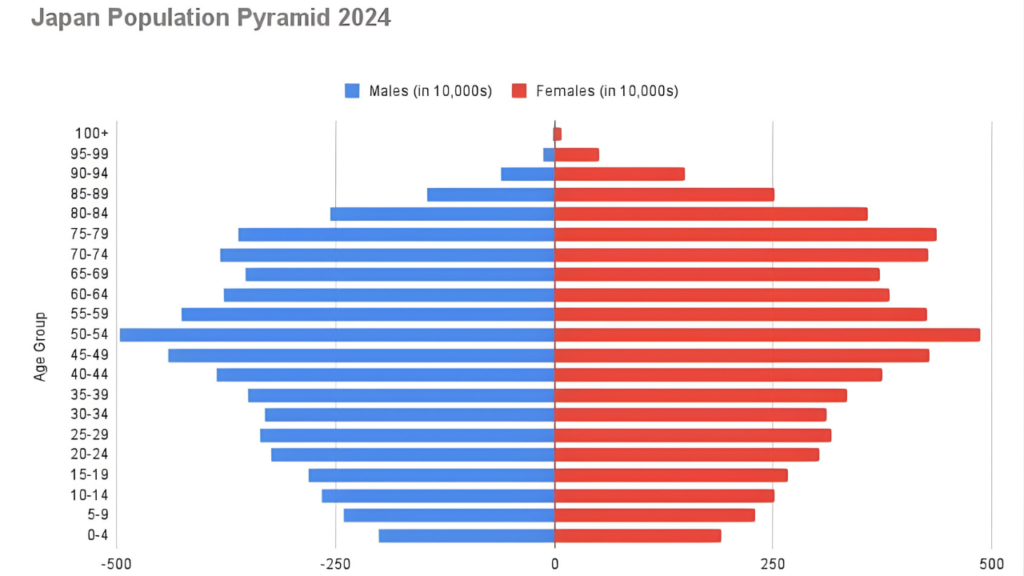
Japan’s population is approximately 126 million (2024).
The country entered an aging phase decades ago.
As a result, population decline and labor shortages now affect economic planning and social systems.
While Japan remains relatively homogeneous, the number of long-term foreign residents continues to grow.
Language
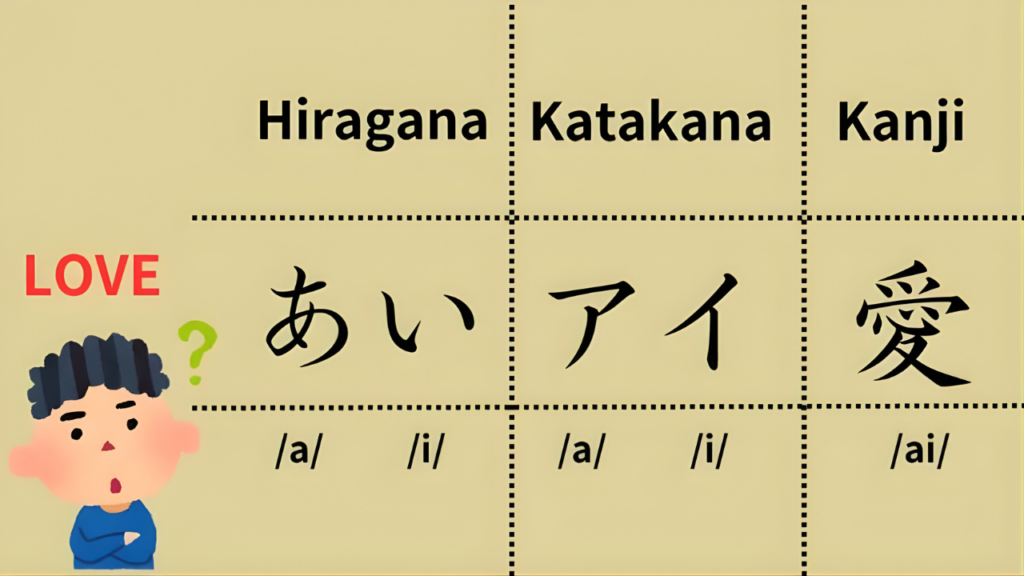
The official language is Japanese, written using three systems:
- Hiragana – native grammar and endings
- Katakana – foreign words and names
- Kanji – characters of Chinese origin
Students learn over 1,000 kanji in elementary school.
Roughly 2,000 characters allow functional reading of newspapers.
Currency
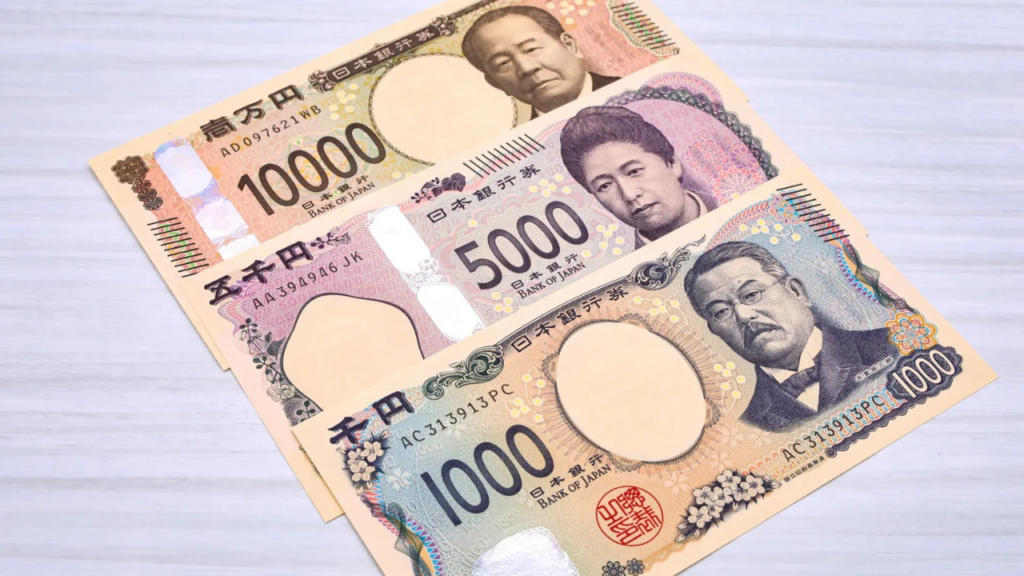
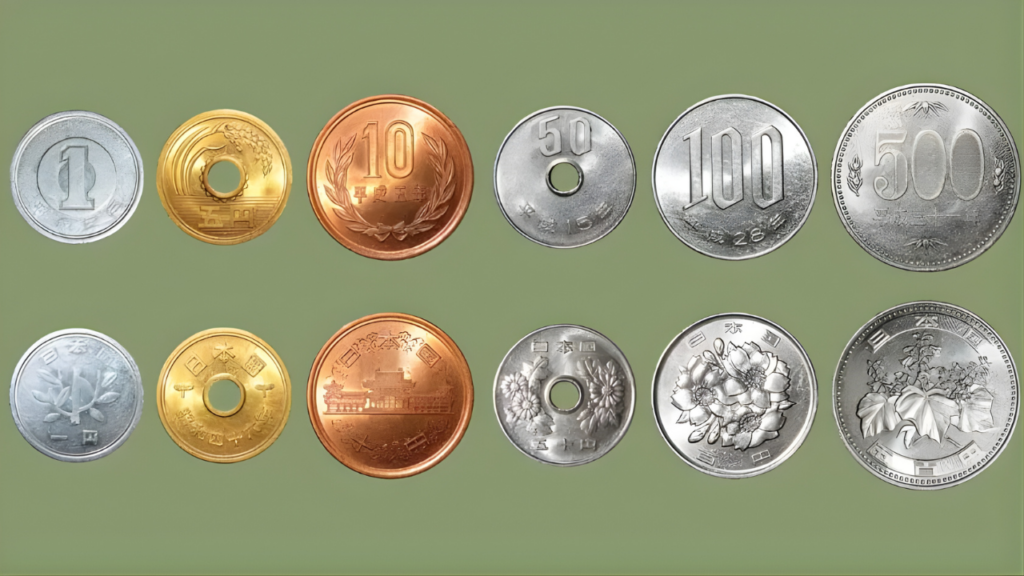
Japan uses the Japanese yen (JPY).
- Coins: ¥1, ¥5, ¥10, ¥50, ¥100, ¥500
- Banknotes: ¥1,000, ¥5,000, ¥10,000
Cash remains common, though electronic payments continue to expand.
Government
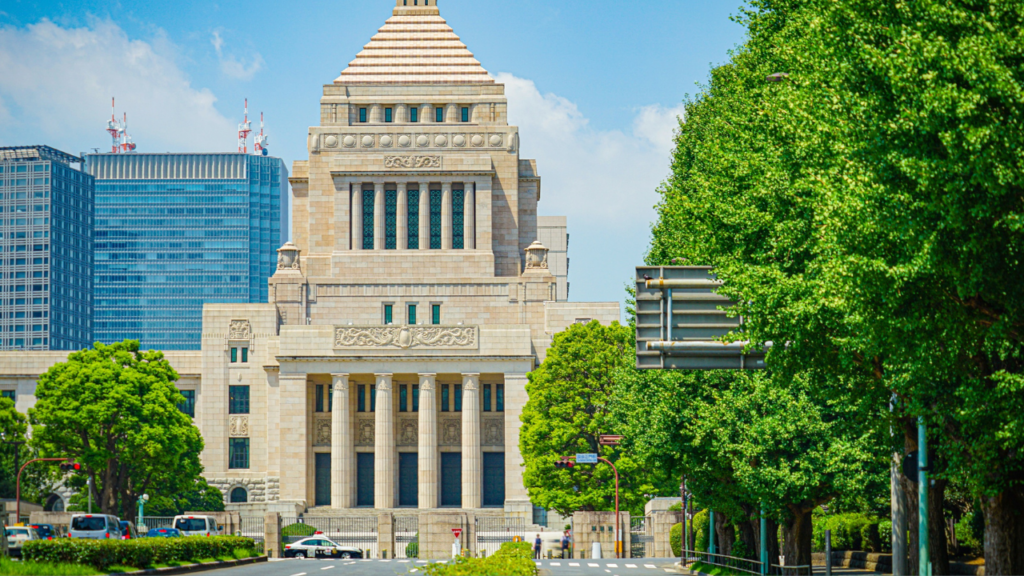
Japan operates as a constitutional monarchy with a parliamentary system.
- The Emperor serves as a symbolic figure
- Political authority rests with the elected government
- The Prime Minister leads the executive branch
Economy

Japan ranks among the world’s largest economies.
However, long-term challenges include a shrinking workforce and low birth rates.
After the collapse of its economic bubble, growth slowed significantly.
Since then, recovery has remained gradual and uneven.
GDP of Major Countries (2024)
| Rank | Country | GDP (Million USD) |
|---|---|---|
| 1 | United States | 27,966,553 |
| 2 | China | 18,560,013 |
| 3 | Germany | 4,700,875 |
| 4 | Japan | 4,286,187 |
| 5 | India | 4,105,381 |
Source: International Monetary Fund (IMF), 2024
Key Industries and Cultural Output

Automotive
Japanese manufacturers play a major role in global vehicle production, particularly in hybrid and efficiency-focused technologies.
- Toyota
- Honda
- Nissan
- Mazda
- Subaru
Gaming and Entertainment
Japan has shaped modern gaming culture through hardware innovation and long-running franchises.
- Nintendo
- Sony (PlayStation)
- Sega
- Bandai Namco
- Capcom
Fashion and Retail
Japanese brands emphasize functional design, durability, and large-scale production.
Anime and Manga
Serialized comics and animation form a major cultural export, influencing global media and storytelling styles.

Japan’s official name in Japanese is Nippon-koku or Nihon-koku, meaning “Nation of Japan.”
Therefore, English uses the short form “Japan,” which I often see clearly on official documents and signs under bright office lights.
Japan is a mountainous island country with forests covering much of the land.
As a result, the air often feels cooler in rural areas, and my legs felt tired after walking on slopes and stairs.
Japan has four clear seasons, though climate changes by region.
For example, the air felt humid in summer but dry and cold in winter, especially when moving between indoors and outdoors.
Japan is known for both traditional culture and modern industries like technology and entertainment.
Meanwhile, city streets felt bright at night, and constant train vibrations reminded me how active daily life is.