Japan has 16 national holidays each year, officially defined by law.
These days mark moments to celebrate, reflect, and show gratitude together.
Japanese holidays and festivals show how tradition and modern life quietly coexist.
For travelers, they help explain why places feel crowded, quiet, festive, or suddenly closed.
- National Holidays in Japan
- New Year’s Day – January 1
- Coming of Age Day – Second Monday of January
- National Foundation Day – February 11
- Emperor’s Birthday – February 23
- Vernal Equinox Day – Around March 20
- Showa Day – April 29
- Constitution Memorial Day – May 3
- Greenery Day – May 4
- Children’s Day – May 5
- Marine Day – Third Monday of July
- Mountain Day – August 11
- Respect for the Aged Day – Third Monday of September
- Autumnal Equinox Day – Around September 23
- Sports Day – Second Monday of October
- Culture Day – November 3
- Labor Thanksgiving Day – November 23
- Seasonal Festivals in Japan
- Final Thoughts
- FAQ
National Holidays in Japan
Japan’s national holidays are not only days off.
They reflect respect for nature, social milestones, and shared values.
Below is a practical overview of the main public holidays.
New Year’s Day – January 1
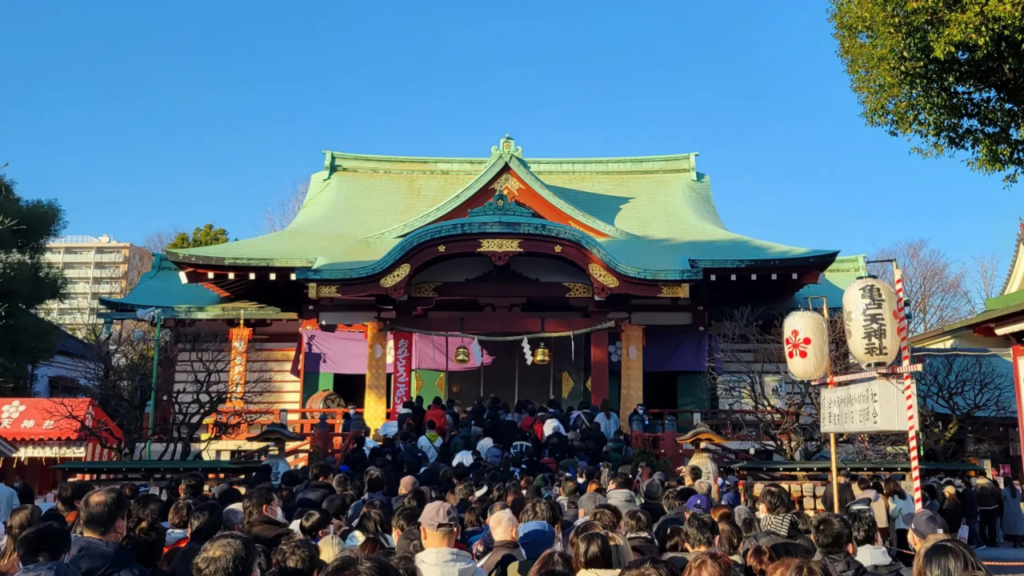
The most important holiday of the year.
Families eat osechi-ryori and visit shrines for Hatsumode, the first prayer of the year.
Cities feel quiet, shops may close, and the air feels calm and reset.
Coming of Age Day – Second Monday of January
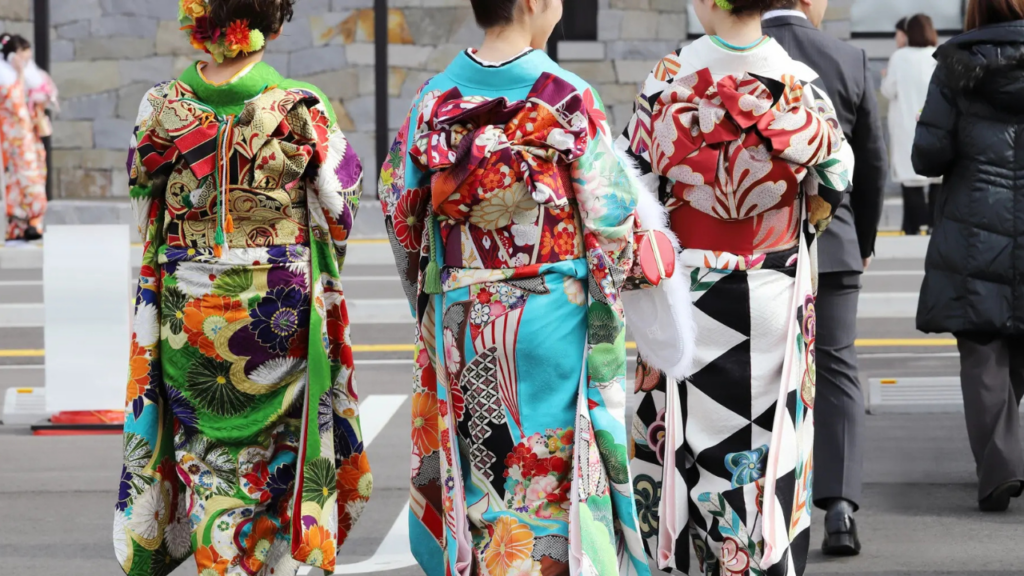
This day celebrates young adults who reach legal adulthood.
Many wear formal clothing—especially colorful furisode kimono—while local ceremonies mark the transition into adult life.
National Foundation Day – February 11
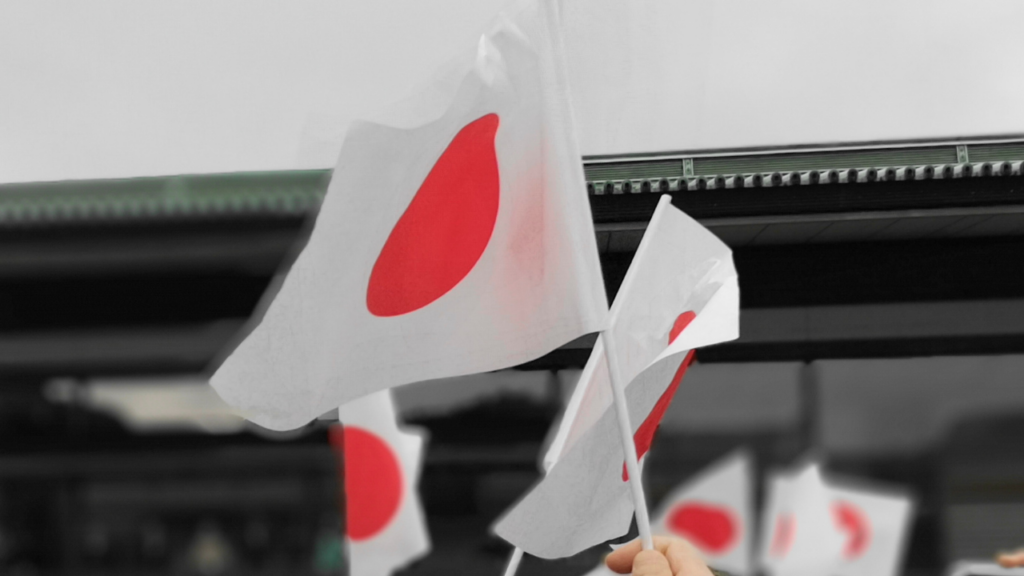
A day connected to Japan’s origin stories and early history.
It is generally quiet, with ceremonies rather than festivals.
Emperor’s Birthday – February 23
This holiday celebrates the birthday of the current Emperor.
It is a calm day with official ceremonies rather than festivals, and daily life feels mostly normal. Some public facilities may close, but shops and transport usually operate as usual.
Vernal Equinox Day – Around March 20
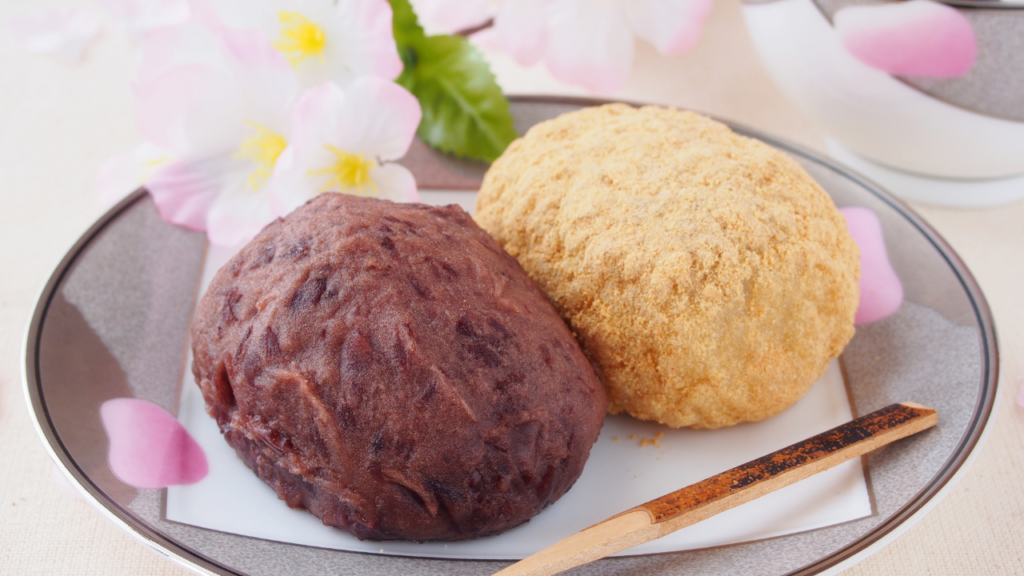
This holiday marks the shift toward spring and longer daylight.
It also overlaps with Ohigan, a Buddhist period when families visit graves and honor ancestors.
Seasonal sweets like botamochi often appear during this time.
Showa Day – April 29
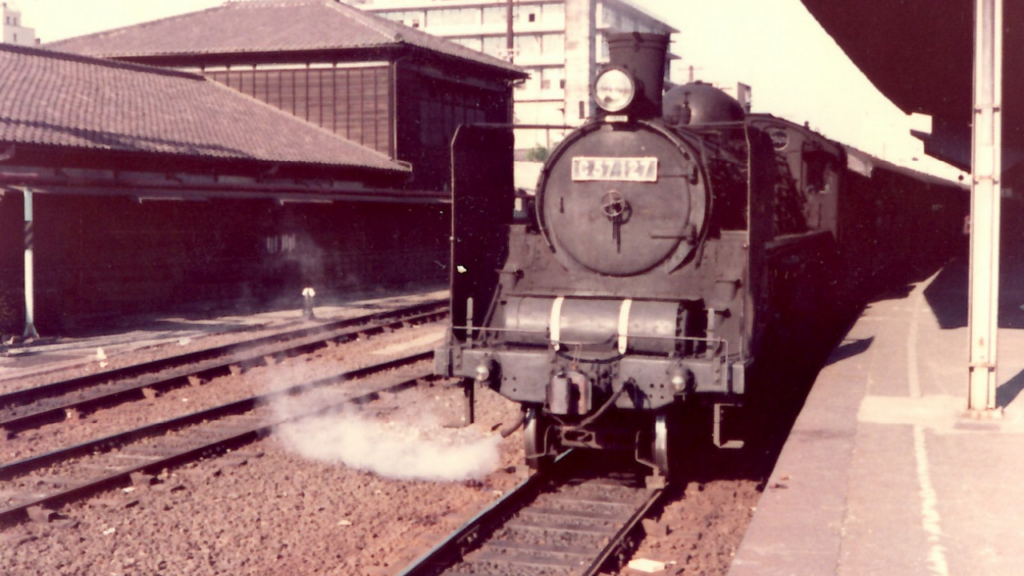
Showa Day reflects on the era of Emperor Showa, a period of major change in Japan.
It also signals the start of Golden Week, when travel demand rises sharply.
Constitution Memorial Day – May 3
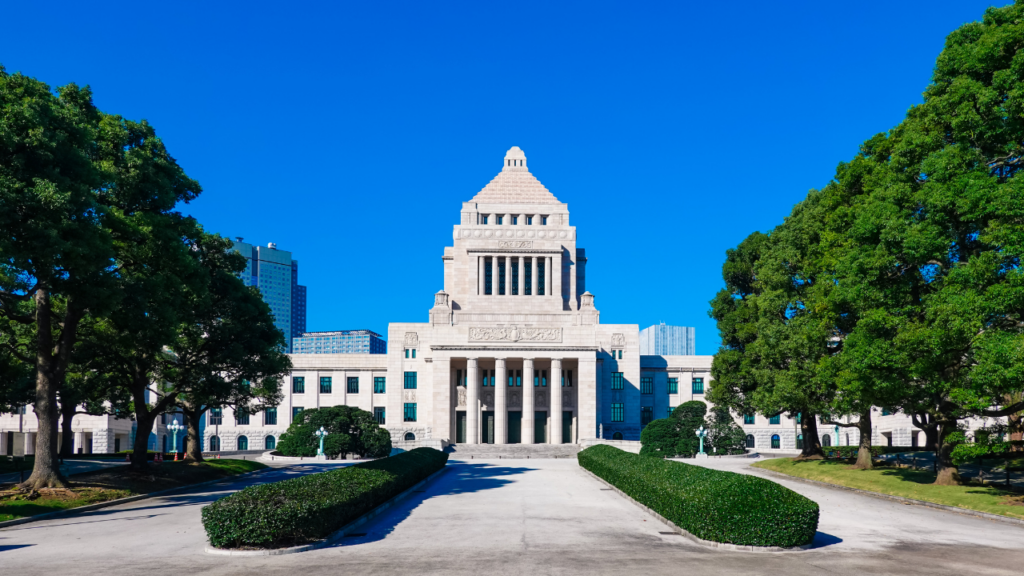
This day marks the enactment of Japan’s post-war constitution in 1947.
Discussions focus on democracy, peace, and civic values rather than celebration.
Greenery Day – May 4
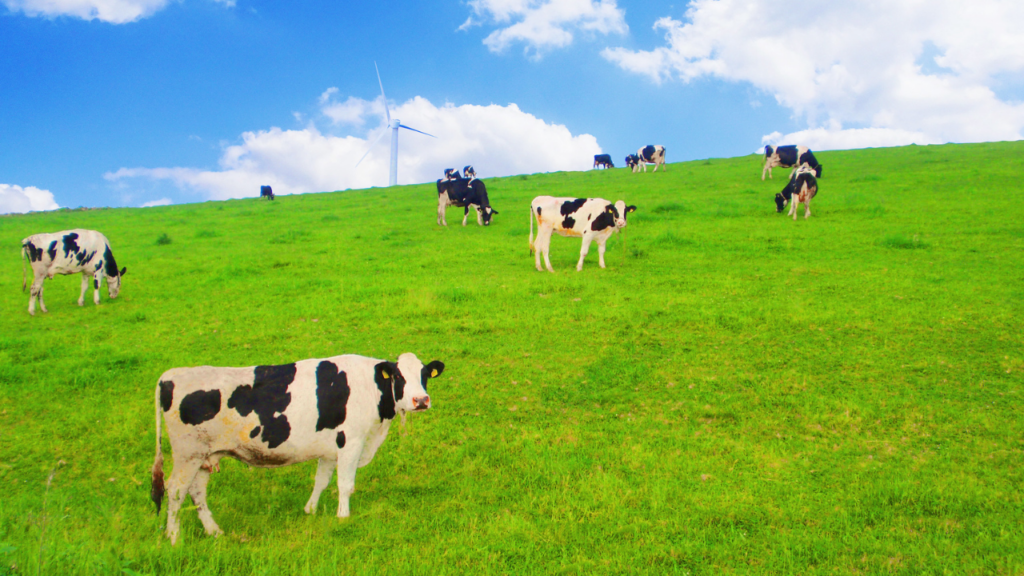
A holiday dedicated to nature.
Parks feel busier, and many people choose outdoor activities or quiet walks.
Children’s Day – May 5
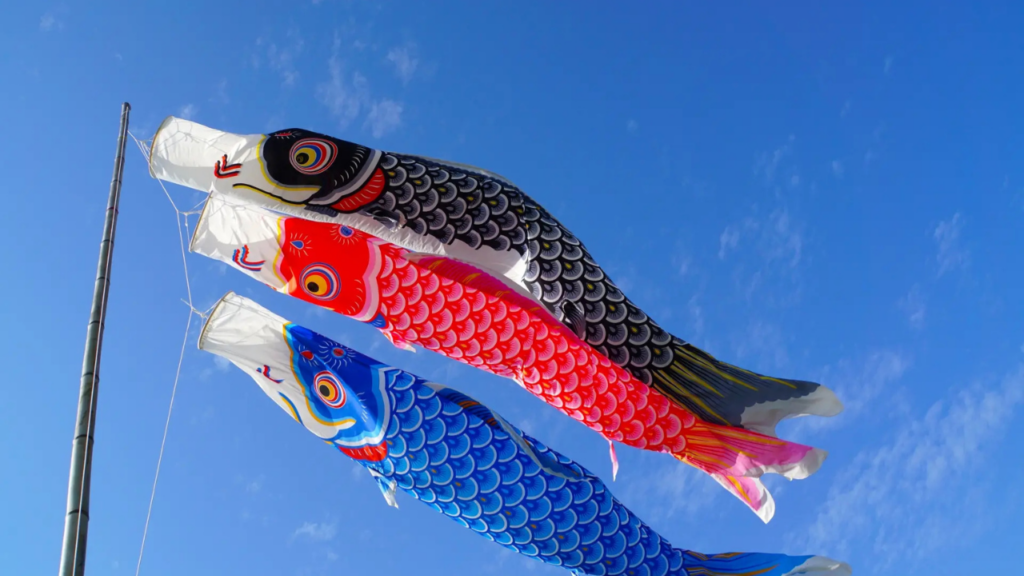
Part of Golden Week, this day celebrates children’s growth and well-being.
Families display koinobori (carp streamers), symbolizing strength and resilience.
Marine Day – Third Monday of July
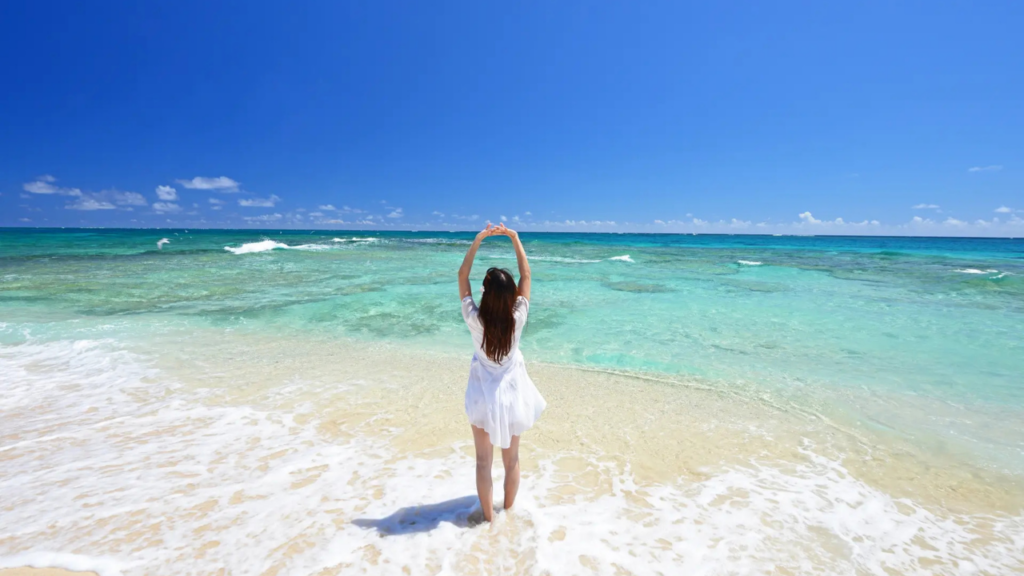
A holiday reflecting Japan’s relationship with the sea.
Beaches and coastal areas feel lively, while cities remain relatively normal.
Mountain Day – August 11
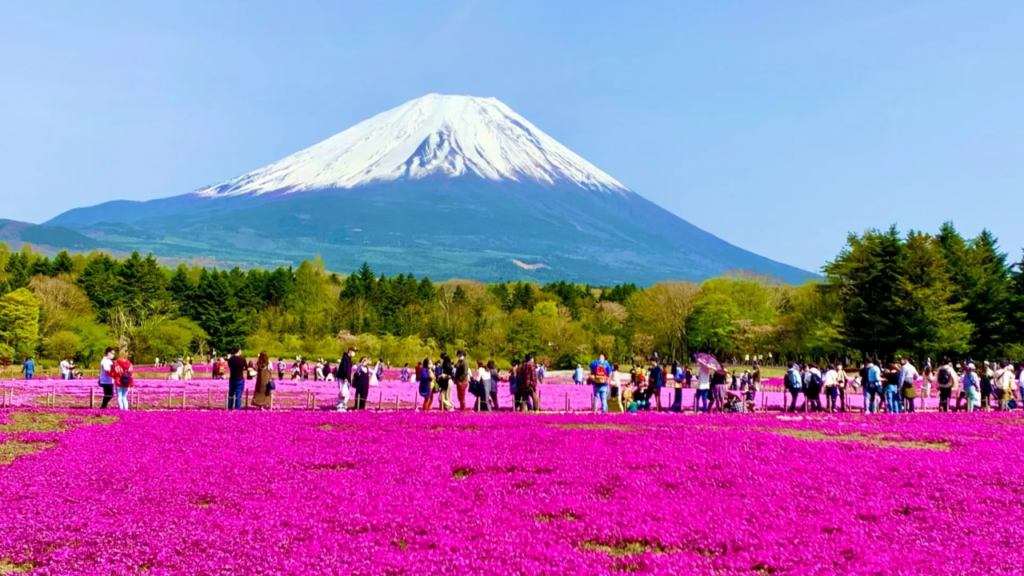
This day encourages appreciation of Japan’s mountains.
Some people hike or travel, while others simply enjoy seasonal scenery.
Respect for the Aged Day – Third Monday of September
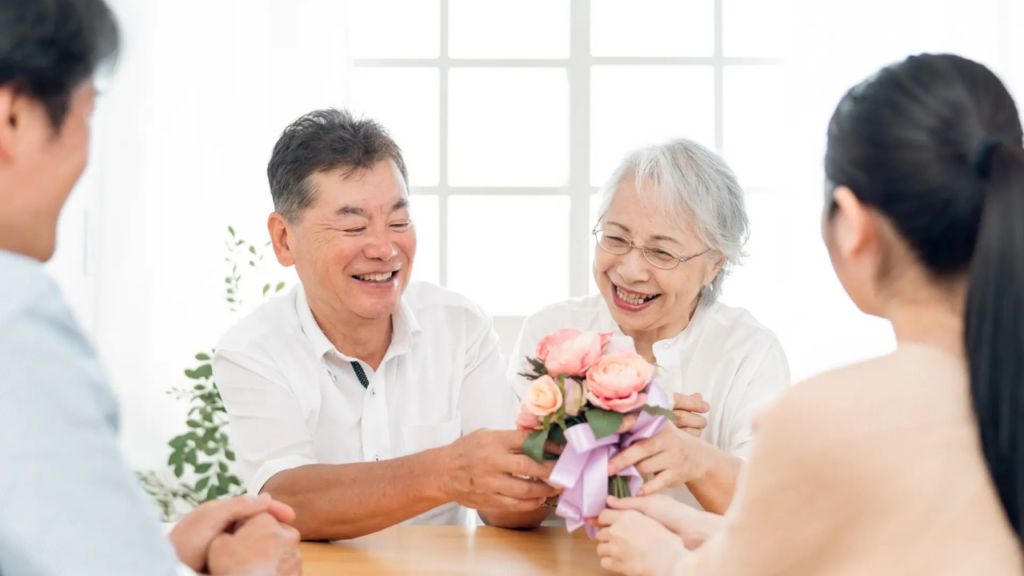
Families visit older family members and express gratitude.
It is a quiet holiday centered on time spent together rather than events.
Autumnal Equinox Day – Around September 23
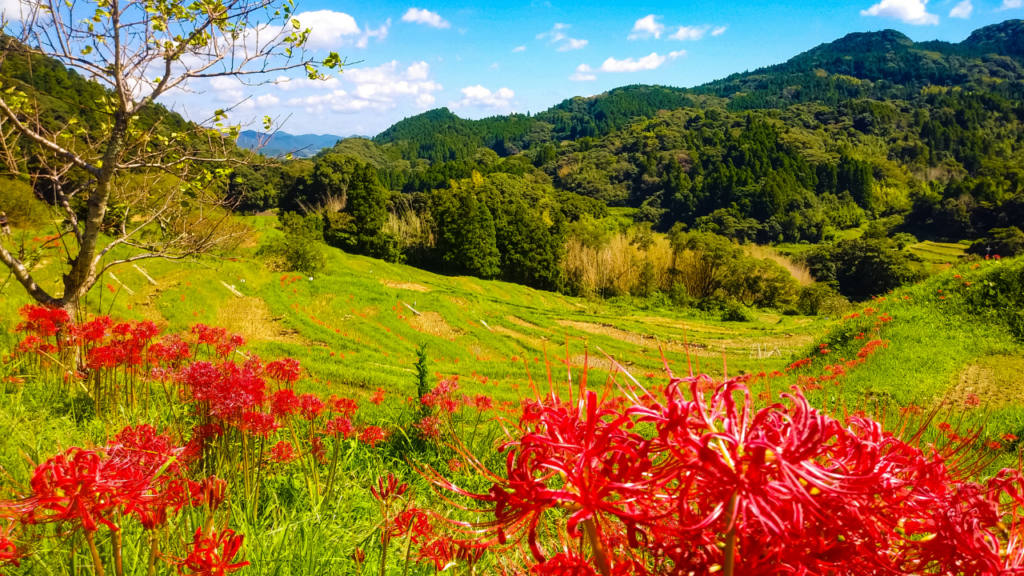
Autumnal Equinox Day marks the shift toward shorter days and cooler air.
It is traditionally linked to honoring ancestors, and many families visit graves. The mood is quiet, and cities often feel slightly less busy.
Sports Day – Second Monday of October
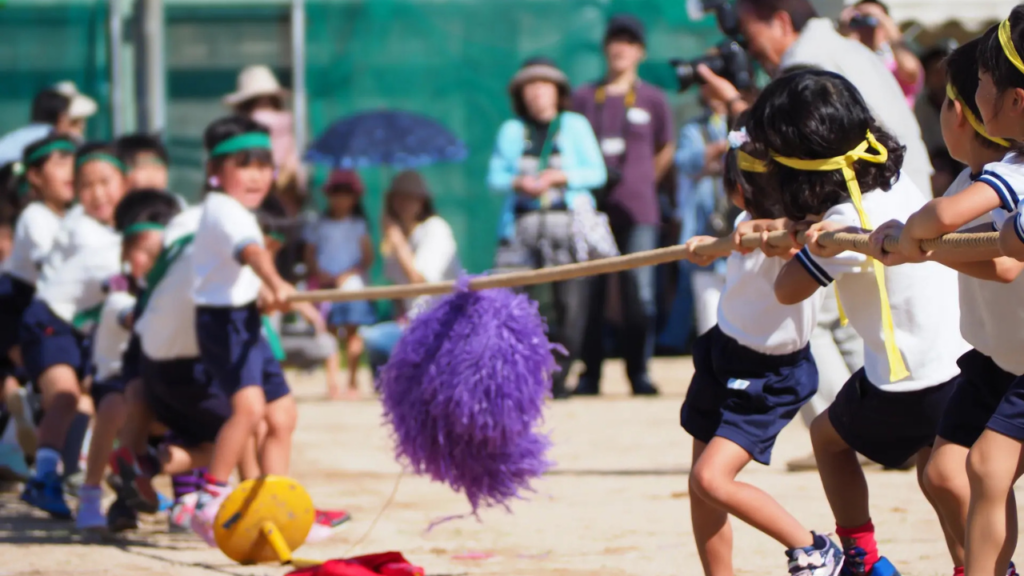
Sports Day promotes health and teamwork.
Schools and local communities often hold undokai (sports festivals), which feel energetic but organized.
Culture Day – November 3

Culture Day celebrates culture, arts, and academic achievement.
Museums and cultural institutions may offer special exhibitions or free entry, while the overall atmosphere remains relaxed and orderly rather than festive.
Labor Thanksgiving Day – November 23

This day expresses appreciation for work, production, and everyday life.
It is generally low-key, with no major events, but it can affect business hours and public services in some areas.
Seasonal Festivals in Japan
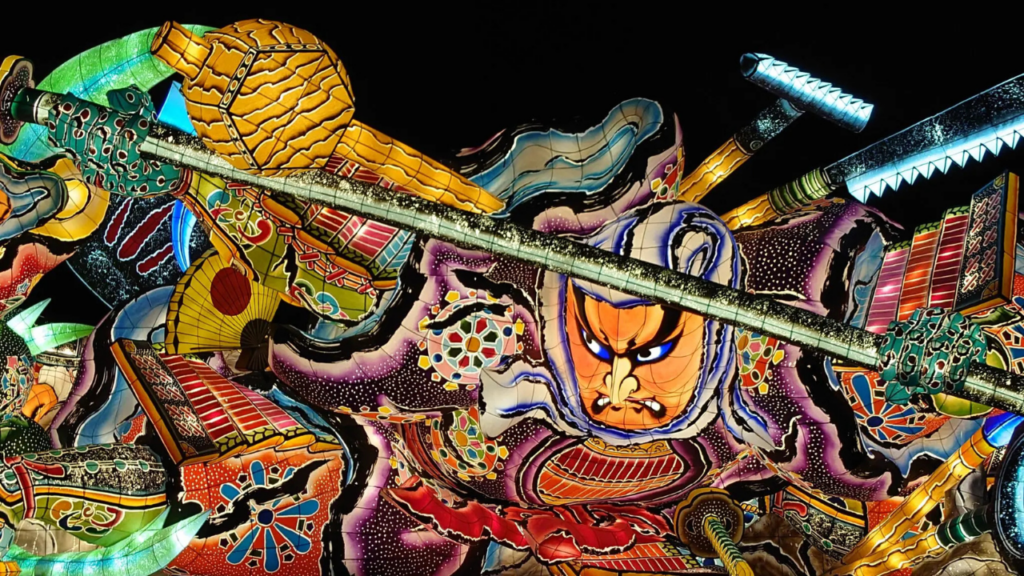
Beyond national holidays, seasonal festivals reflect local identity.
Well-known examples include:
- Gion Matsuri (Kyoto, July)
Famous for large floats and long-standing traditions. - Awa Odori (Tokushima, August)
A lively dance festival open to spectators and participants. - Nebuta Matsuri (Aomori, August)
Known for illuminated floats moving through city streets at night.
These festivals show how communities preserve tradition while adapting to modern life.
Final Thoughts
Japanese holidays are not always loud or dramatic.
Many are quiet markers of time, nature, and social rhythm.
For travelers, knowing when these days happen helps set expectations—and adds meaning to everyday scenes you might otherwise overlook.
FAQ
New Year’s Day feels the quietest across Japan.
For example, streets sounded calm and the air felt still, therefore walking felt less tiring.
Yes, some holidays increase crowd levels, especially during Golden Week.
However, I felt more vibration underfoot in busy areas, while quieter neighborhoods stayed calm.
Yes, large festivals can be loud in the evening.
For example, drums and music felt strong in the air, therefore sleep felt lighter near the venue.
Yes, holidays can change shop hours and transport flow.
Meanwhile, stations felt less rushed and my body felt less stressed during quieter holidays.