Japanese history is a long story of continuity and change.
Across centuries, Japan absorbed outside influences while preserving its own traditions.
From early settlements to industrial modernization, each era shaped how Japan functions today.
- Ancient Japan: The Jomon and Yayoi Periods
- The Rise of Centralized Power: Asuka to Heian
- Envoys to China (7th–9th Century)
- Feudal Japan: Samurai and Shogun
- Nanban Trade (16th Century)
- The Edo Period: Isolation and Stability
- Sakoku and the Opening of Japan
- The Meiji and Taisho Eras
- Japan in the 20th Century
- Post-War International Relations
- Japan Since the 2000s
Ancient Japan: The Jomon and Yayoi Periods
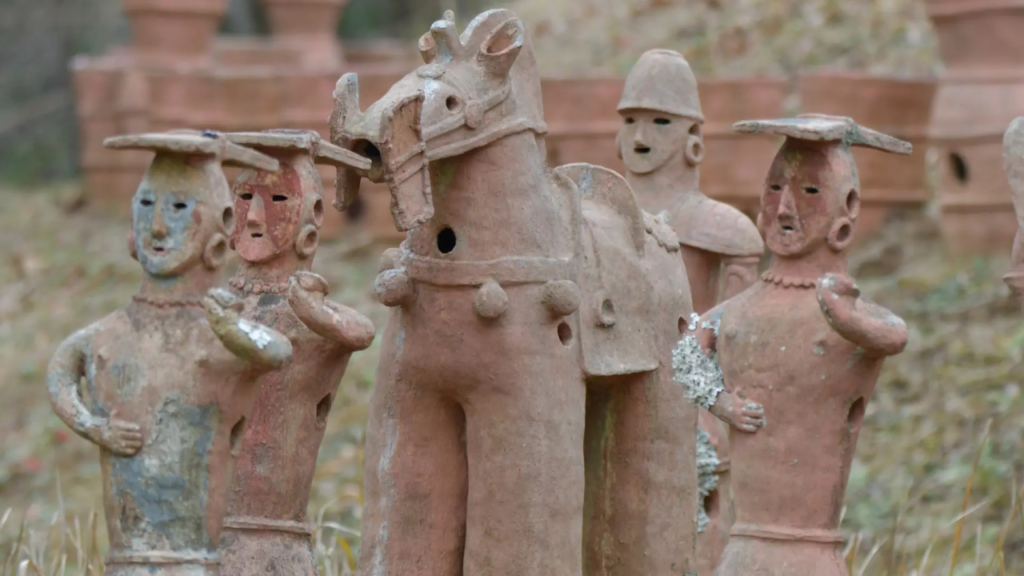
Japan’s earliest known history begins with the Jomon period (14,000–300 BCE).
People lived as hunter-gatherers and produced distinctive rope-pattern pottery.
The Yayoi period (300 BCE–300 CE) followed.
Rice farming, metal tools, and social hierarchy appeared during this time.
These changes laid the foundation for organized communities and leadership.
The Rise of Centralized Power: Asuka to Heian
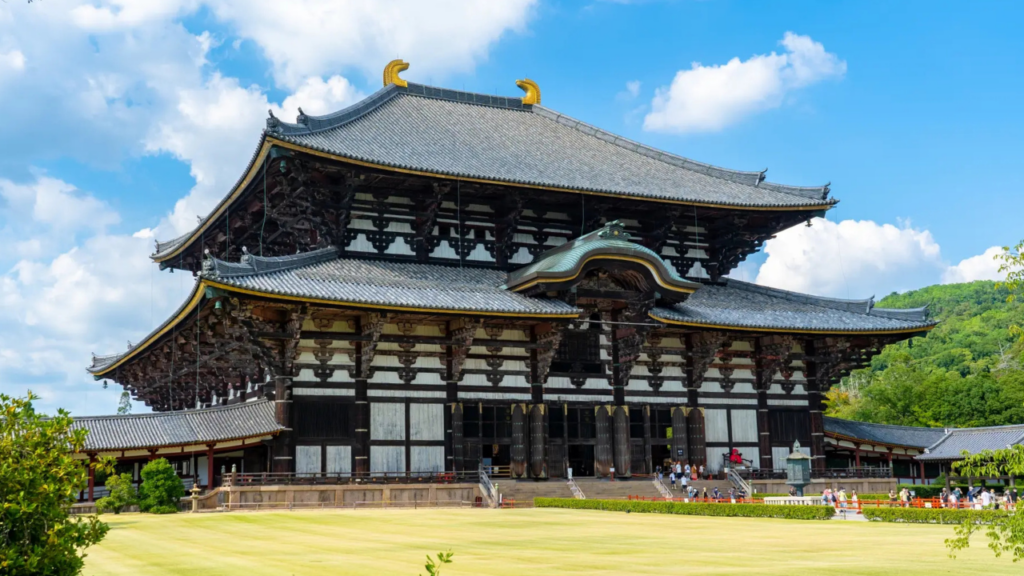
During the Asuka period (538–710), Buddhism arrived from China and Korea.
It strongly influenced politics, art, and law.
The Nara period (710–794) established Japan’s first permanent capital.
Government systems were modeled on Chinese administration.
In the Heian period (794–1185), Kyoto became the cultural center.
Literature, court culture, and aesthetics flourished.
Envoys to China (7th–9th Century)
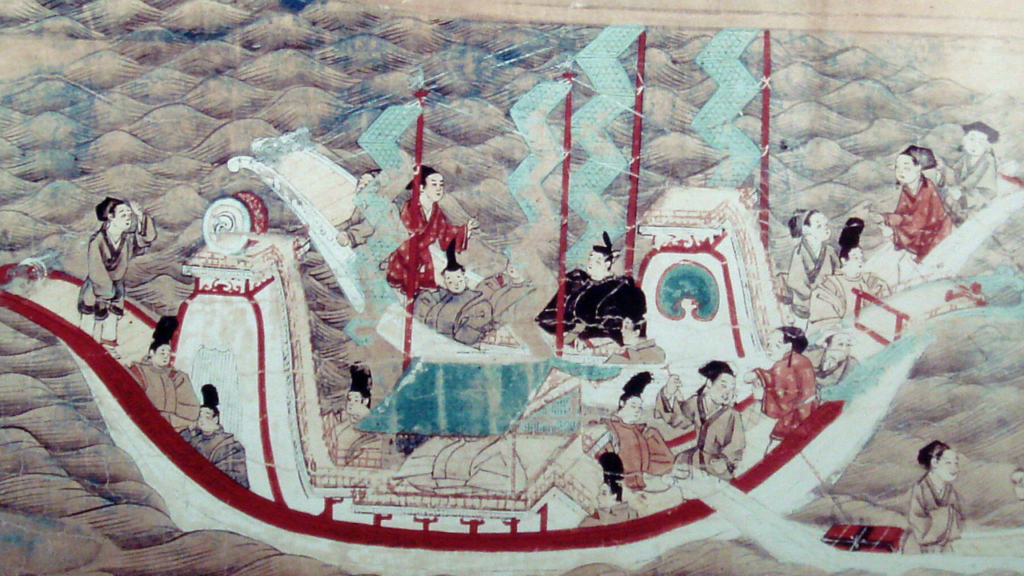
Japan sent official envoys to the Chinese Sui and Tang dynasties.
These missions brought back ideas that reshaped society.
- Religion: Buddhism spread nationwide
- Writing: Chinese characters became the basis of Japanese script
- Government: Legal and administrative systems were adopted
Nara’s city layout reflects direct Chinese influence.
Feudal Japan: Samurai and Shogun
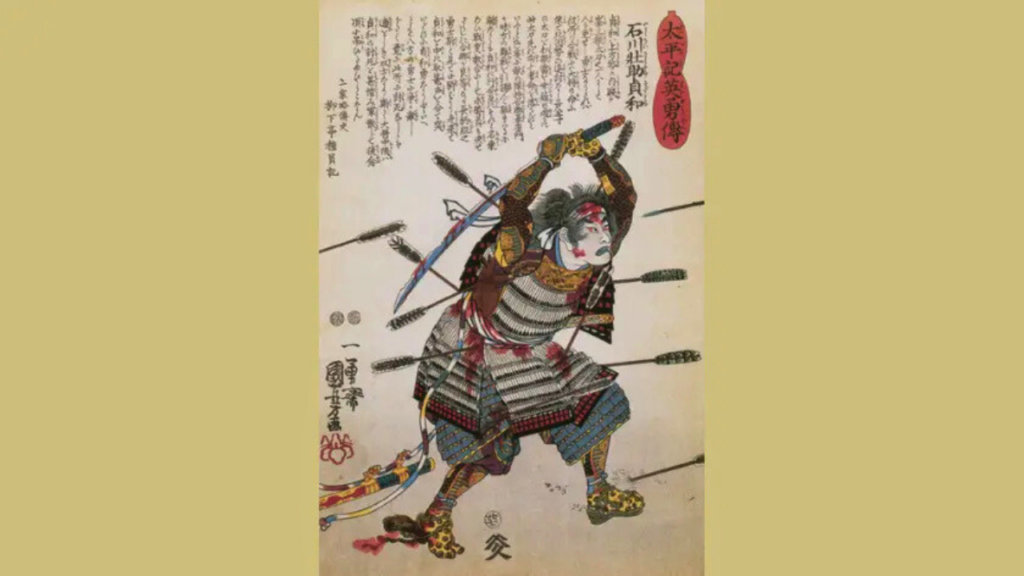
The Kamakura period (1185–1333) marked the rise of the samurai.
Political power shifted from the imperial court to military rulers.
The Muromachi period (1336–1573) followed.
It was unstable but produced lasting cultural forms such as Noh theater and tea ceremony.
The Azuchi–Momoyama period (1573–1603) brought unification.
Leaders like Oda Nobunaga and Toyotomi Hideyoshi reshaped the country.
Nanban Trade (16th Century)
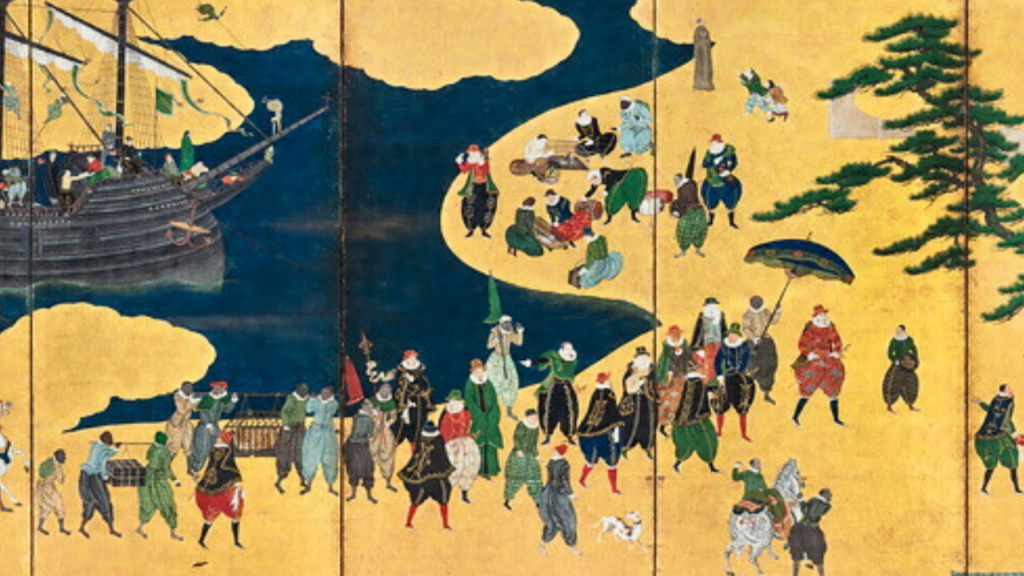
In 1543, Portuguese traders reached Japan.
This contact began the Nanban Trade with Europe.
- Firearms changed warfare
- Christianity spread through missionaries
- Foreign goods entered elite society
Growing foreign influence later caused political tension.
The Edo Period: Isolation and Stability
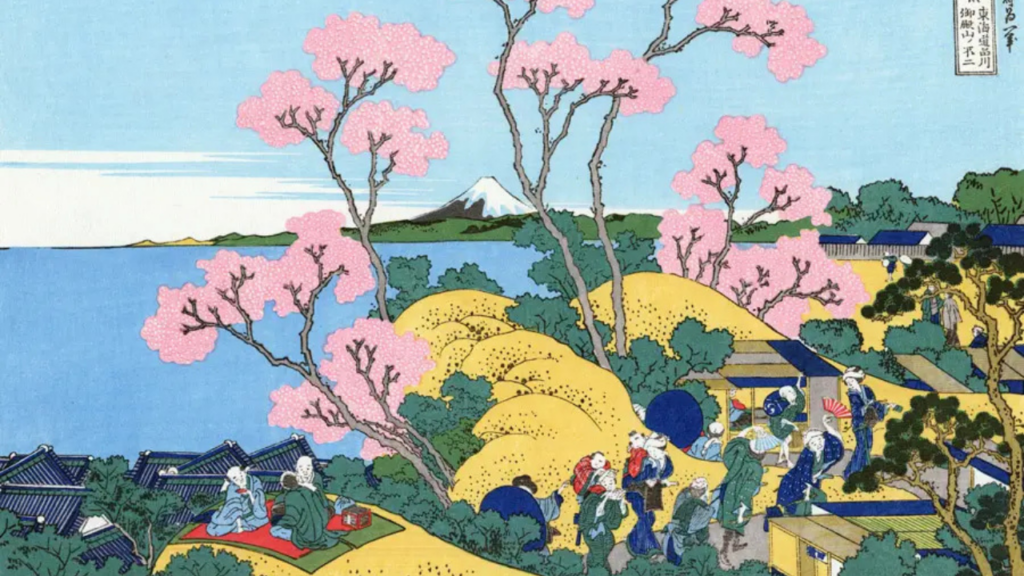
The Edo period (1603–1868) was ruled by the Tokugawa shogunate.
Japan entered a long era of peace.
Foreign contact was limited, but internal trade expanded.
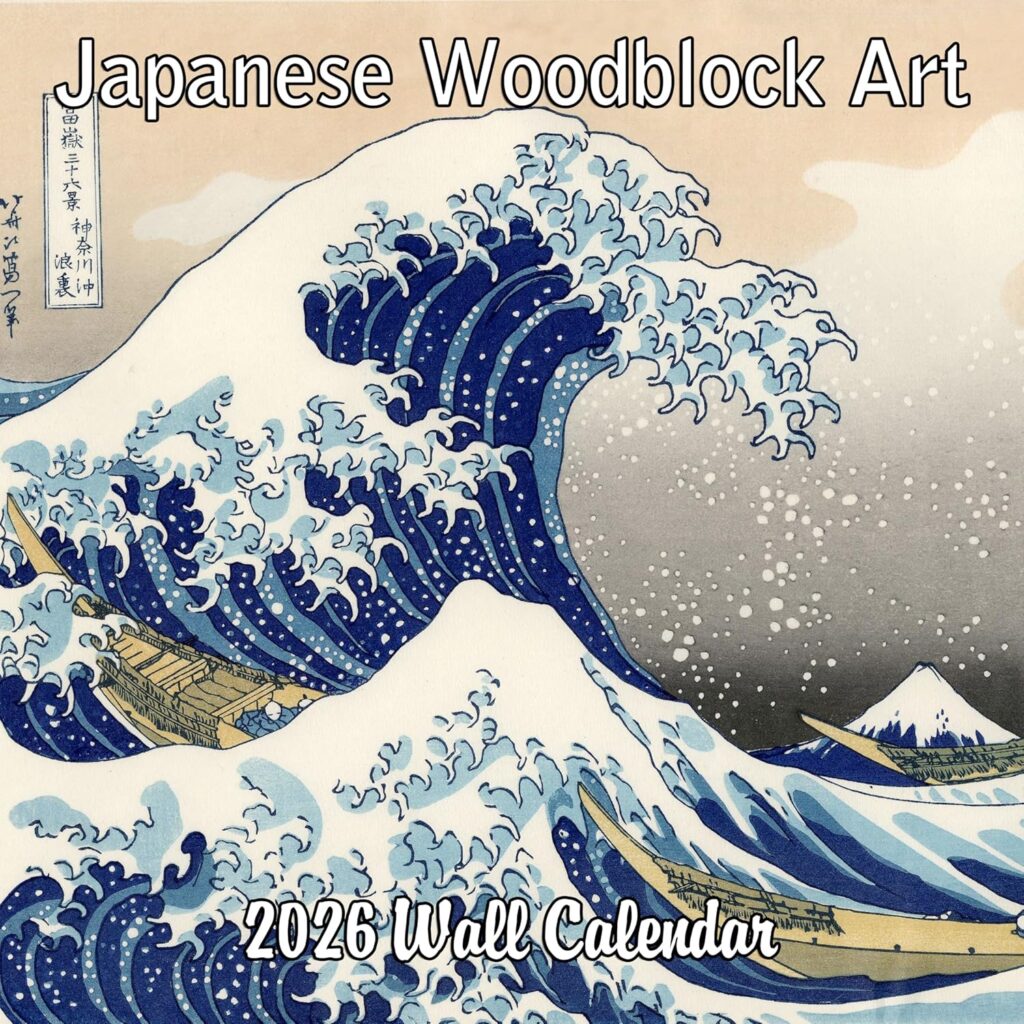
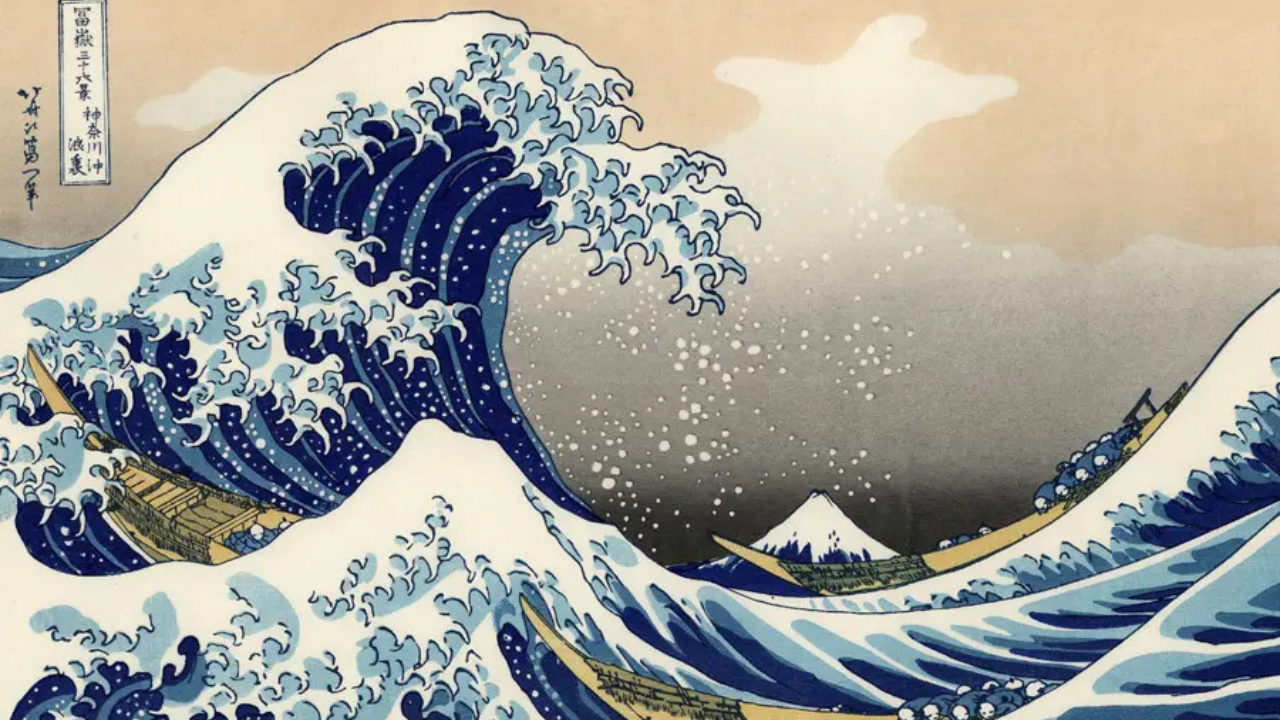
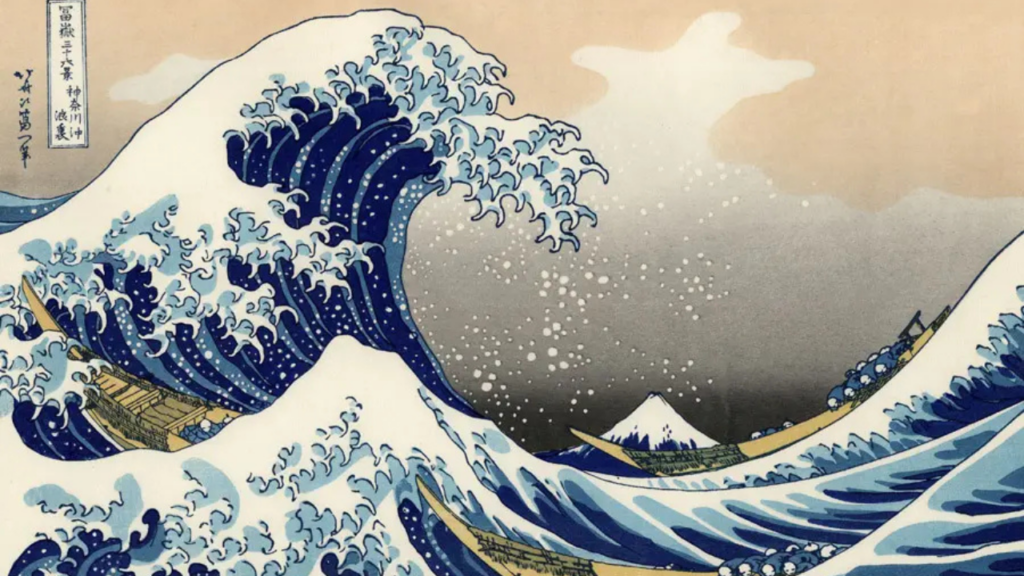
Arts such as ukiyo-e prints and kabuki theater developed.
Urban culture grew despite isolation.
Sakoku and the Opening of Japan
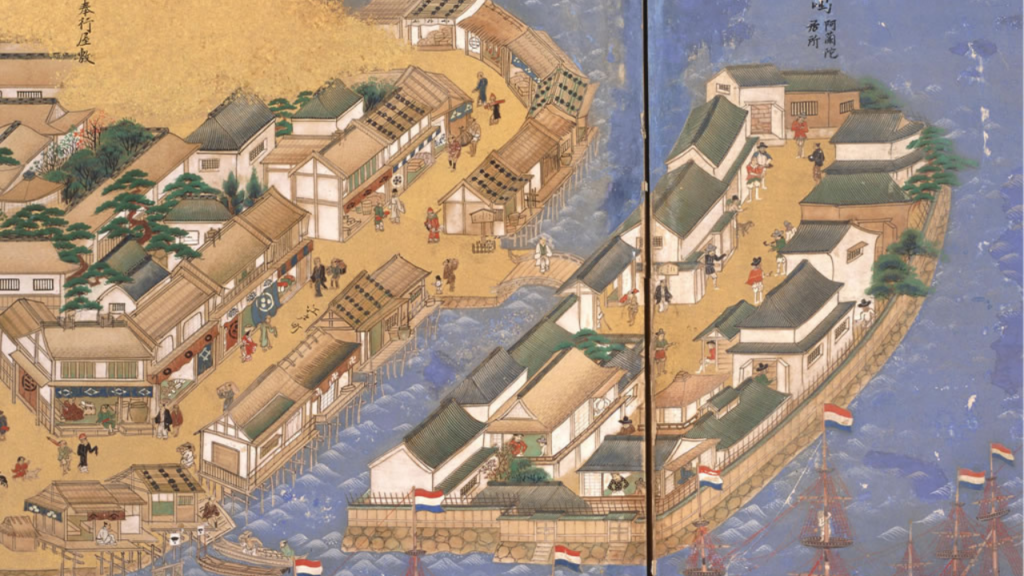
Under the Sakoku policy, foreign trade was tightly controlled.
Only limited exchange with China and the Netherlands continued.
Western knowledge still entered through Rangaku (Dutch studies).
Medicine and science advanced quietly.
In 1854, Commodore Perry forced Japan to open its ports.
This event ended isolation and triggered major change.
The Meiji and Taisho Eras
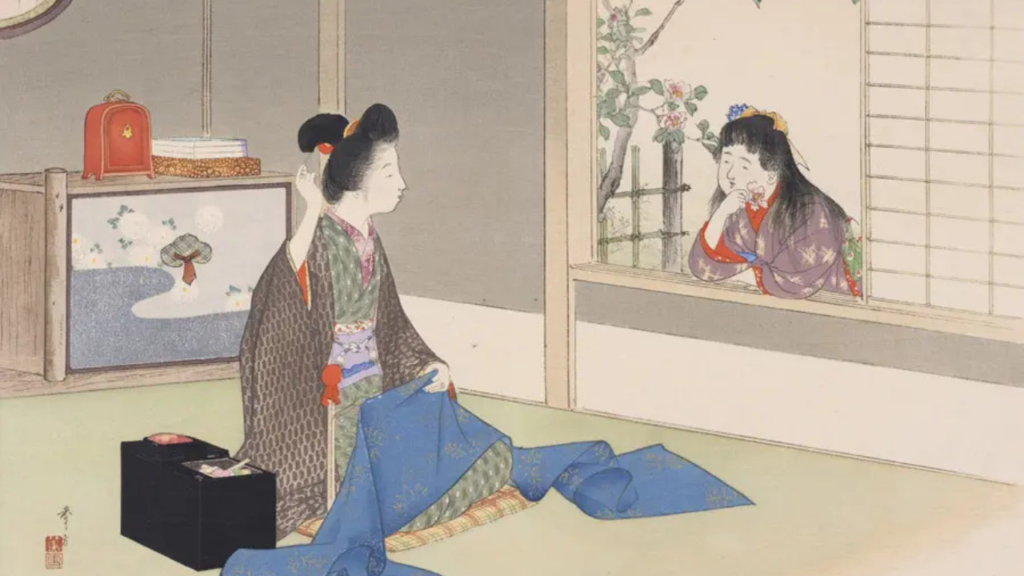
The Meiji Restoration (1868) ended the shogunate.
Japan adopted Western systems of government, industry, and education.
Railways, factories, and a modern military emerged quickly.
Japan became a global power within decades.
The Taisho era (1912–1926) followed.
Political participation increased, but economic and social tensions grew.
Japan in the 20th Century
From 1940 to 1945, Japan was fully engaged in World War II.
The government prioritized military expansion and total war mobilization.
Resources were redirected to the war effort.
Civilian life became increasingly restricted due to shortages and air raids.
Japan faced severe hardship during World War II.
Defeat in 1945 left cities destroyed and society shaken.
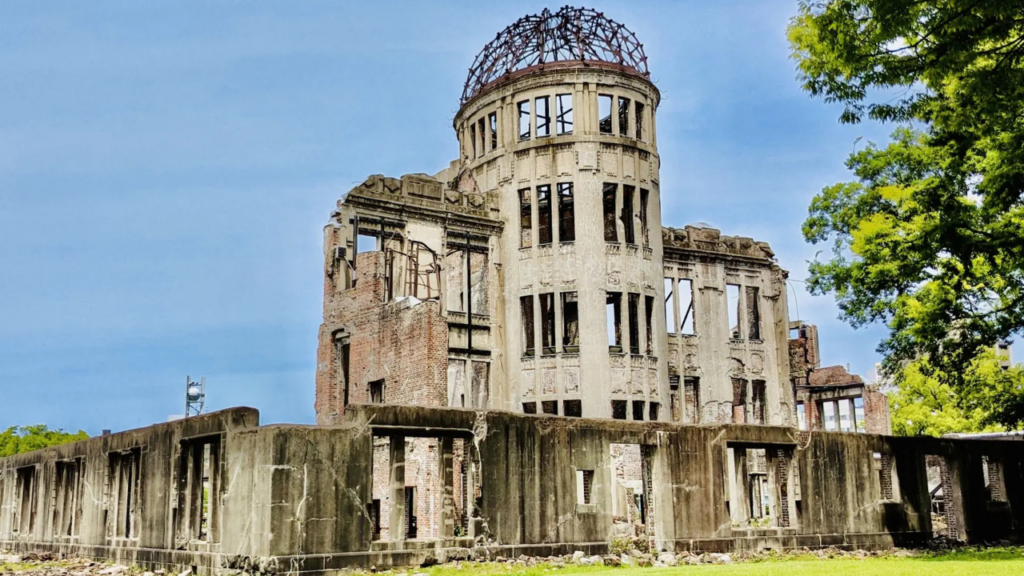
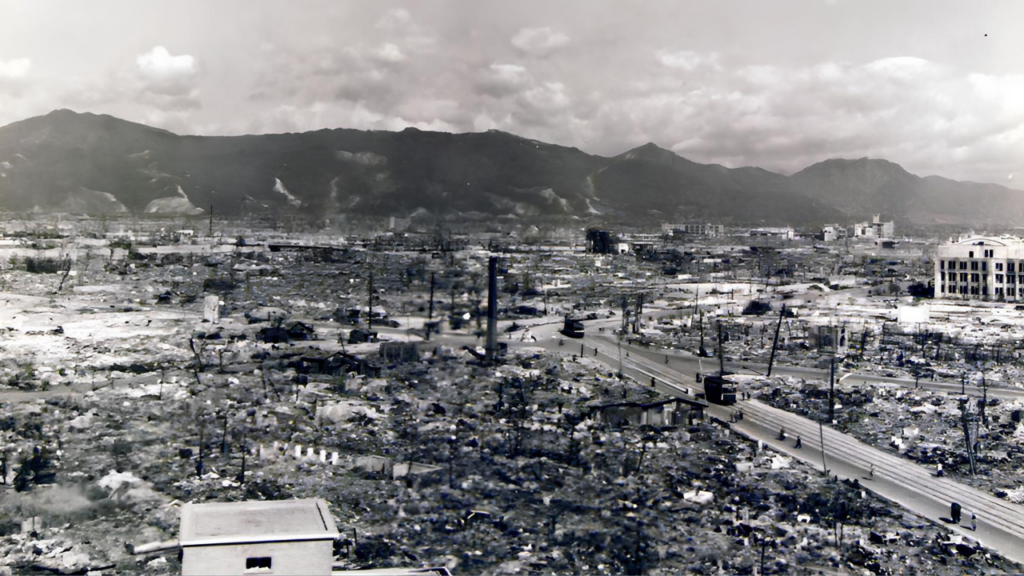
Under Allied occupation, democratic reforms reshaped the nation.
By the 1950s, recovery was already visible.
Economic growth accelerated in the following decades.
Post-War International Relations
Post-war Japan adopted a pacifist constitution.
It focused on rebuilding through trade and diplomacy.
- Joined the United Nations in 1956
- Strengthened ties with the United States
- Became a global economic leader by the 1980s
After the economic bubble burst in 1989, growth slowed.
These “Lost Decades” still affect Japan today.
Japan Since the 2000s
Since the 2000s, Japan has focused on stability over rapid growth.
Economic reform and long-term resilience became priorities.
An aging population and low birthrate reshaped domestic policy.
Healthcare, pensions, and labor shortages became central issues.
Japan focused on social stability and gradual reform.
Economic growth slowed, but daily life remained orderly and secure.