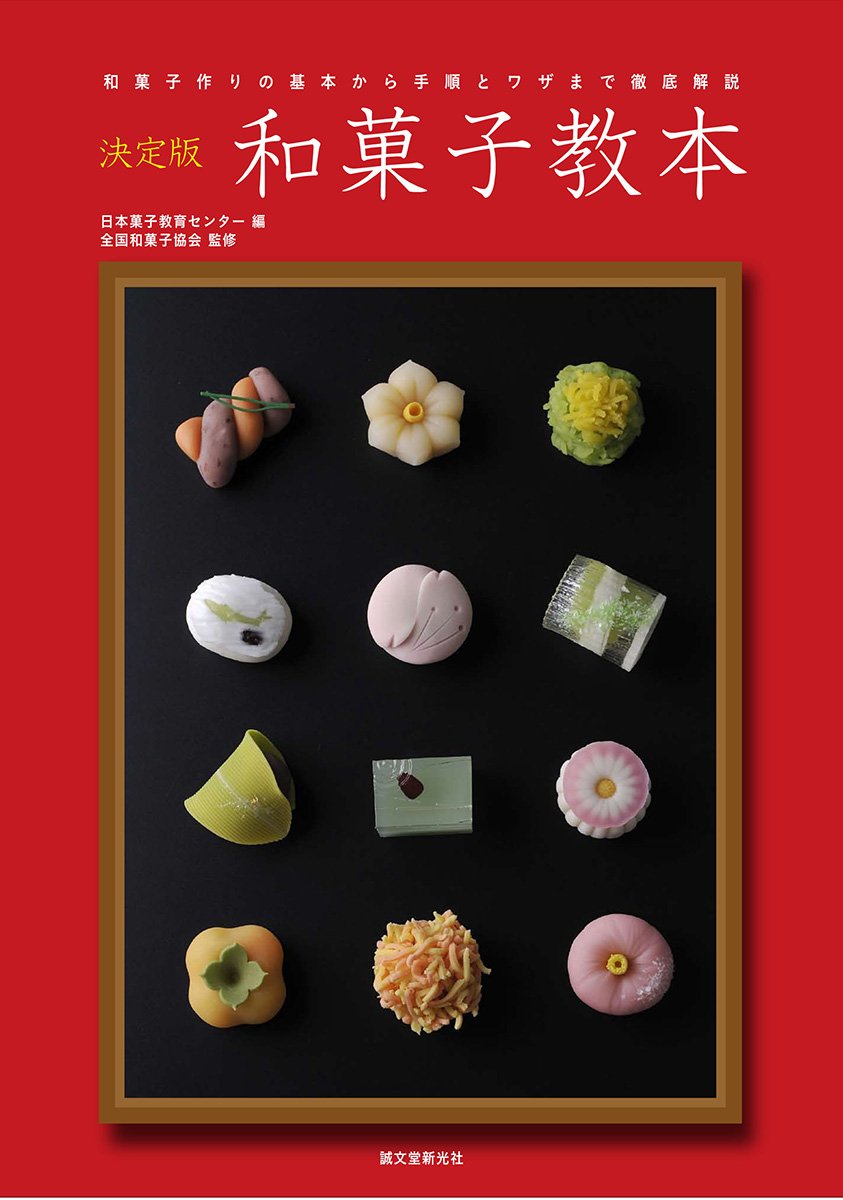
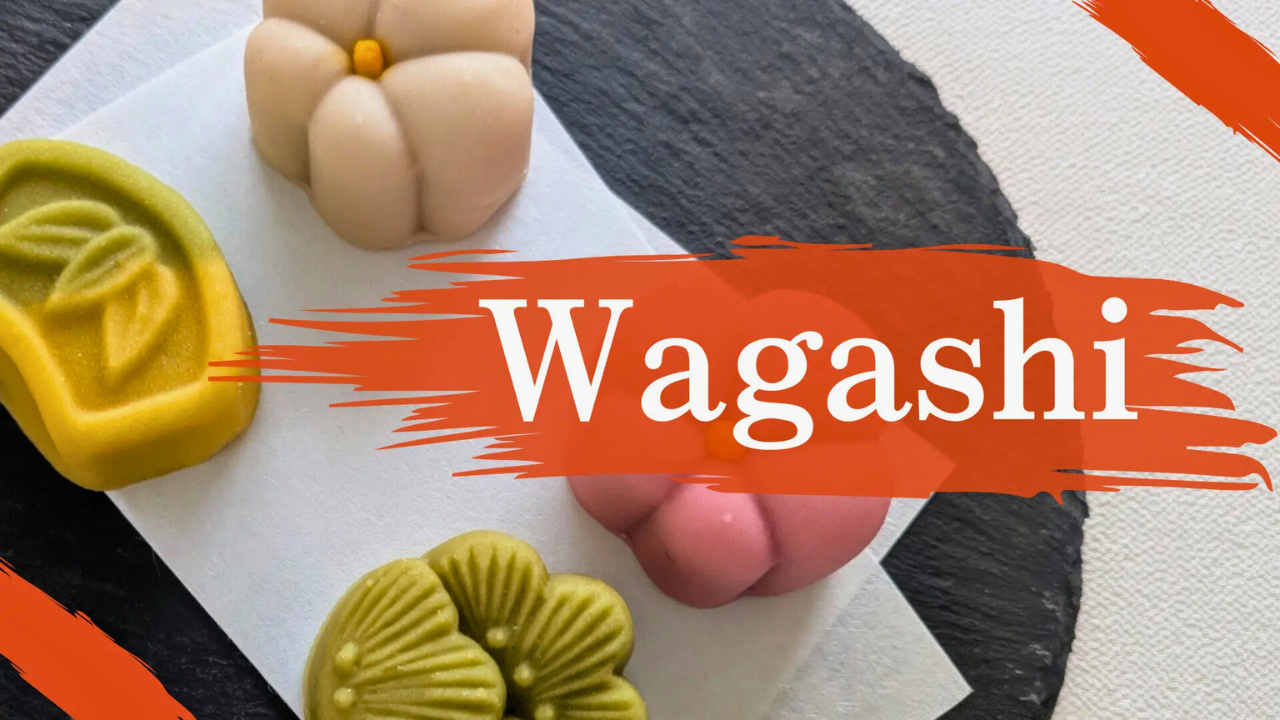
When you visit Japan, you will likely notice small, colorful sweets displayed like works of art.
These are called wagashi, traditional Japanese sweets that people have enjoyed for centuries.
Wagashi use simple ingredients such as rice, beans, sugar, and agar.
Rather than strong sweetness, they focus on balance, texture, and seasonality.
What Is Wagashi?
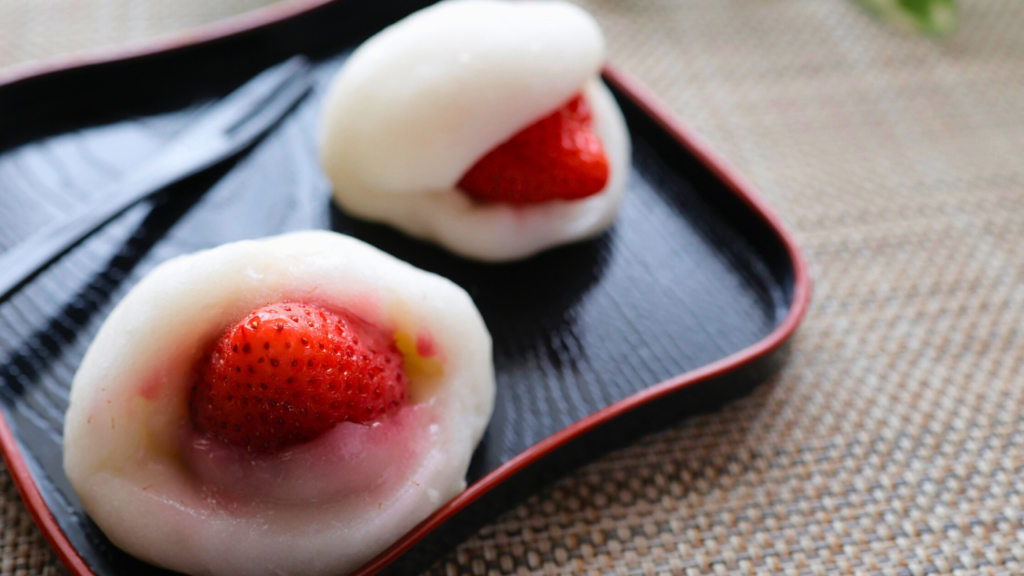
Wagashi are traditional Japanese sweets, often served with tea.
Unlike many Western desserts, wagashi use less sugar.
They highlight natural flavors like red bean paste, mochi (glutinous rice), and plant-based gelatin.
People also value wagashi for their appearance.
Many designs reflect seasons, flowers, and nature, making them as visual as they are edible.
How Do You Say “Wagashi” in English?
English has no exact word for wagashi.
The most natural expressions are:
- traditional Japanese sweets
- Japanese confectionery
In most cases, keeping the word wagashi and adding a short explanation works best.
Common Types of Wagashi
1. Manju
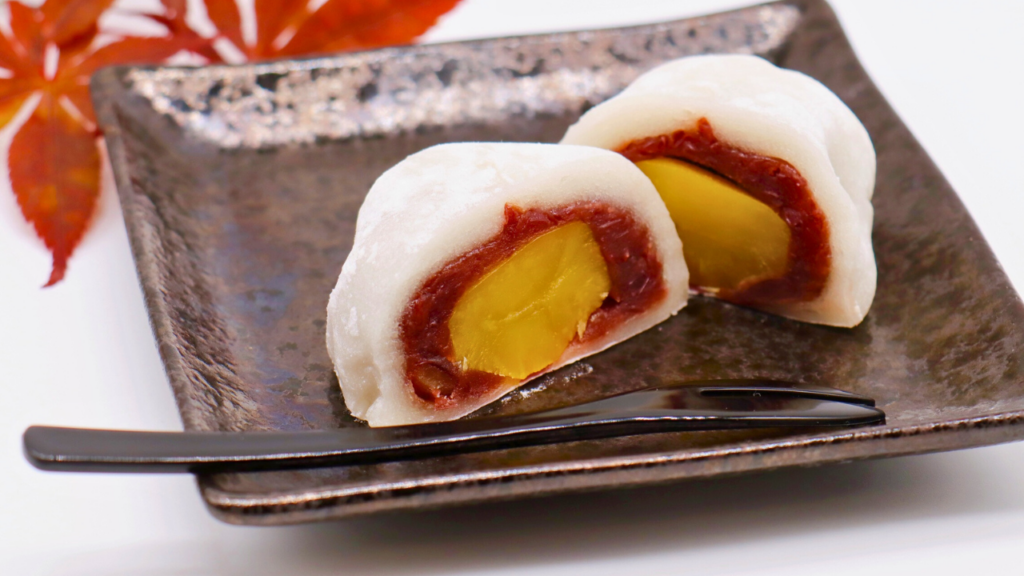
Manju are small, round steamed cakes filled with sweet red bean paste.
The outer layer feels soft and fluffy and often uses flour, rice powder, or buckwheat.
Some versions include chestnut or green tea flavors.
2. Dorayaki
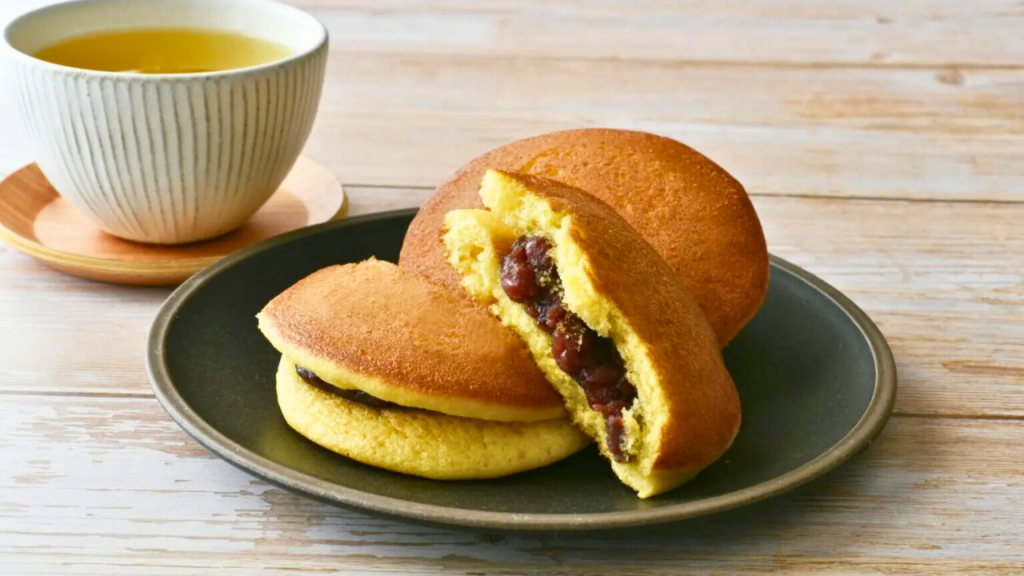
Dorayaki consists of two fluffy pancake-like cakes with sweet red bean paste inside.
Many people know dorayaki as the favorite snack of Doraemon, a famous Japanese cartoon character.
3. Dango
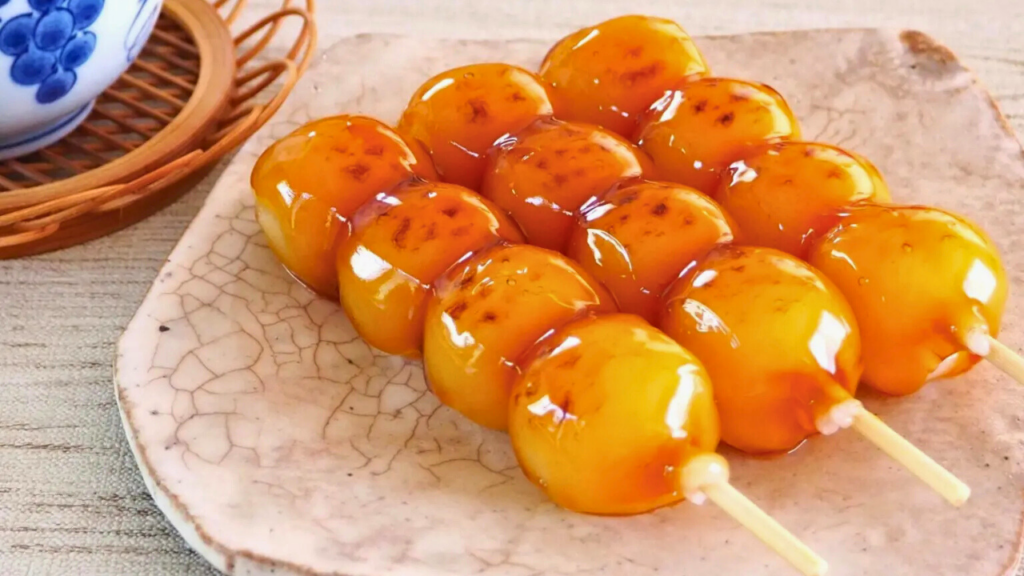
Dango are chewy rice dumplings served on a skewer.
Popular varieties include:
- Mitarashi Dango – coated in sweet soy sauce glaze
- Anko Dango – topped with red bean paste
- Hanami Dango – pink, white, and green dumplings enjoyed during cherry blossom season
4. Taiyaki
Taiyaki is a fish-shaped pastry filled with red bean paste, custard, or chocolate.
It has a crisp outside and a warm, soft filling.
Despite the shape, it contains no fish.
5. Yokan
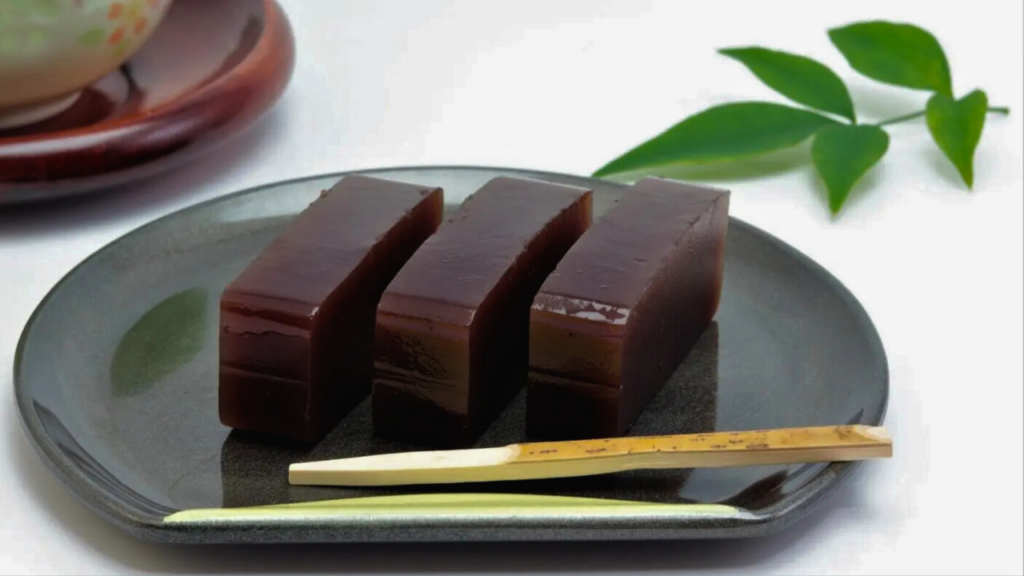
Yokan is a firm, jelly-like sweet made from red bean paste, agar, and sugar.
Shops usually sell it in blocks and slice it before serving.
Because yokan stores well, people often buy it as a gift or travel snack.
6. Mochi
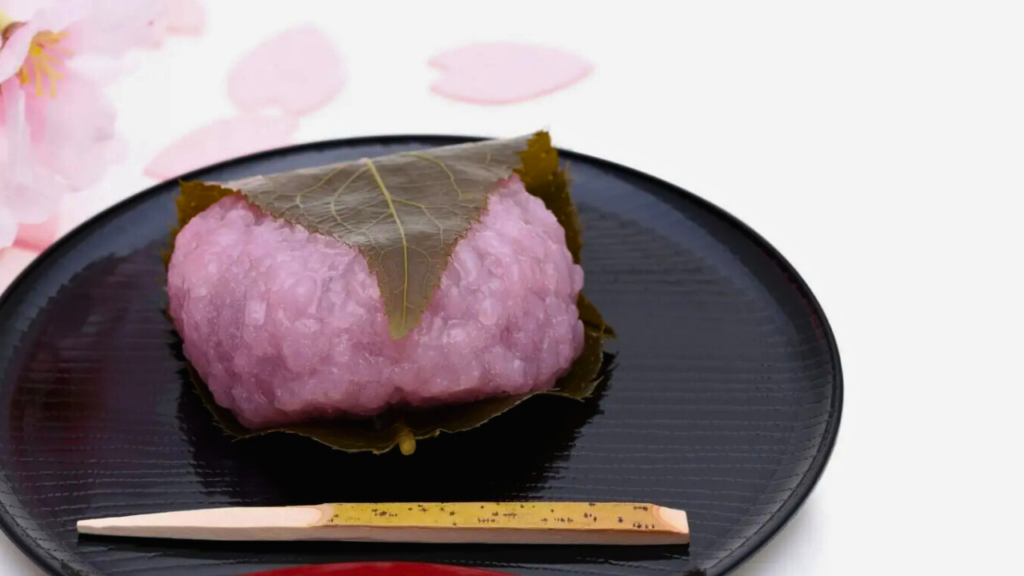
Mochi is a traditional Japanese rice cake made from glutinous rice.
It has a soft, chewy texture and is used in many types of wagashi.
Common fillings include sweet red bean paste, white bean paste, and seasonal flavors.
Sakura mochi is one popular type of mochi.
It uses pink-colored rice, filled with red bean paste, and is wrapped in a pickled cherry blossom leaf.
The leaf adds a gentle saltiness that balances the sweetness.
People mainly eat sakura mochi in spring, during cherry blossom season.
Where Can You Try Wagashi?
You can find wagashi in many places across Japan:
- Traditional tea houses – served with matcha
- Department store food floors – high-quality selections
- Local sweet shops – especially in Kyoto and Asakusa
If you want to try yomogi mochi (mugwort rice cake), visit Nakatanidou in Nara.
The shop is famous for its fast-paced mochi pounding.
After visiting Nara Park, stopping by for freshly made mochi is an easy and satisfying choice.
Why Try Wagashi?
- Less sweet – focuses on natural flavors
- Visually beautiful – inspired by seasons and nature
- Culturally meaningful – closely tied to tea culture and traditions
Wagashi offer a quiet, uniquely Japanese way to enjoy dessert.
FAQ
Yes, but it is usually milder than Western desserts.
No. Some use white bean paste, chestnuts, sesame, or sweet potato.
Yes. Many wagashi use plant-based ingredients only.
No. Anko comes from sweetened red beans and has an earthy taste, while chocolate comes from cocoa.
Kyoto and Asakusa have many long-established wagashi shops that are easy for beginners.