
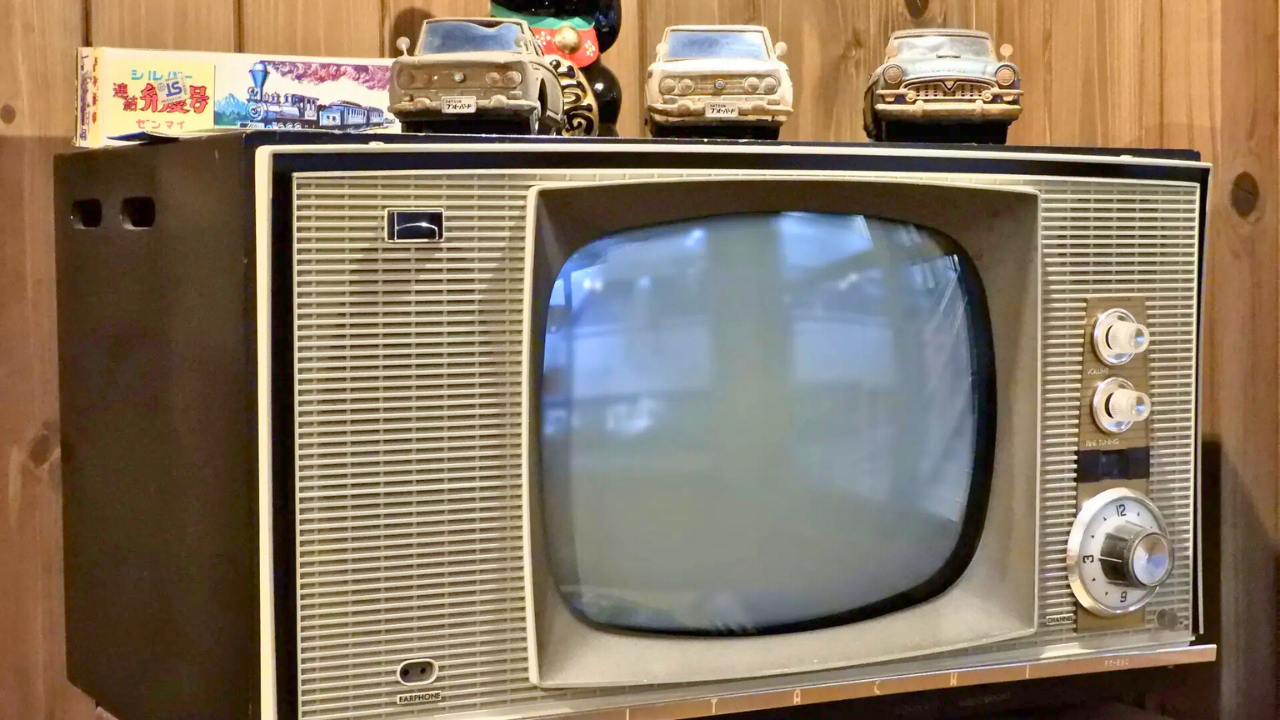
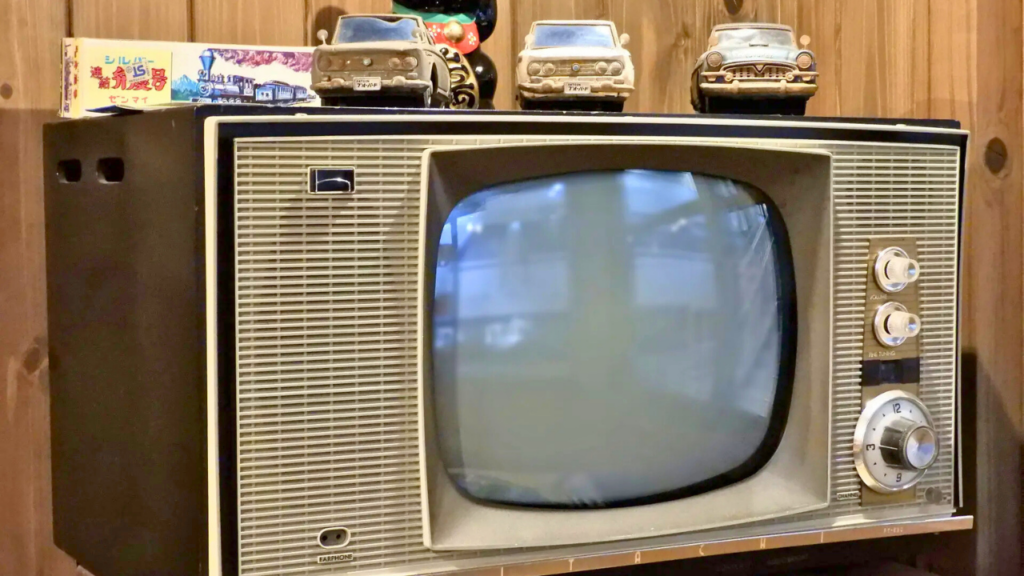
Showa Retro describes a nostalgic style based on Japan’s Showa era (1926–1989).
The term focuses mainly on the postwar decades, especially the 1950s through the 1970s.
During this period, Japan experienced rapid economic growth and major social change.
Today, the phrase refers to the design, atmosphere, and everyday objects associated with that time.
What was the Showa Era?
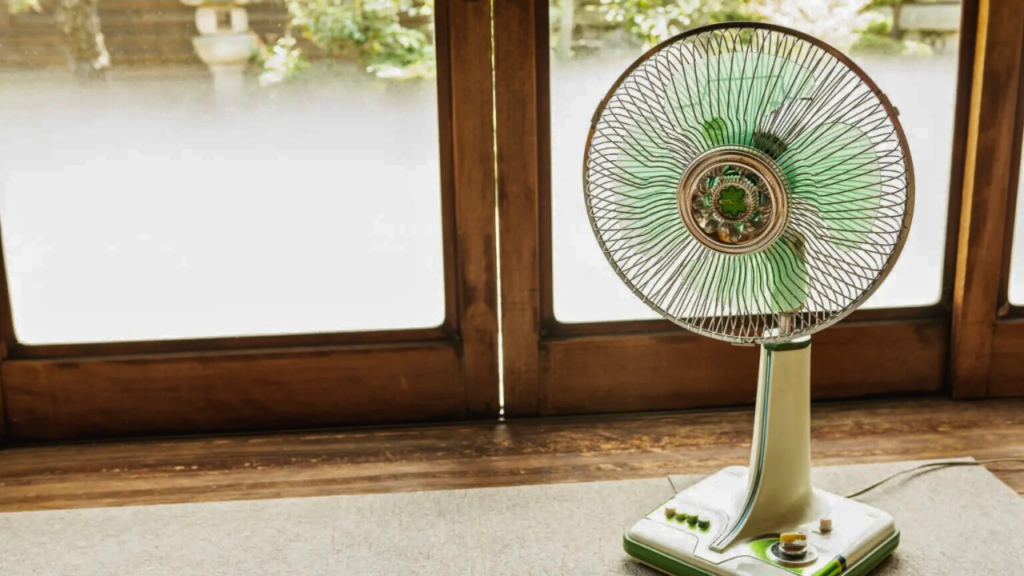
The Showa era lasted from 1926 to 1989.
It included very different historical phases:
• Prewar years
• World War II
• Postwar reconstruction
• High economic growth
Because of this long span, Showa culture does not have a single uniform style.
However, “Showa Retro” usually points to the postwar urban lifestyle.
Japan’s Era Name System (Gengo)
Japan uses an era name system called gengo.
An era begins when a new emperor ascends the throne.
The era name appears in calendars and official documents.
Examples:
| Era Name | Period |
|---|---|
| Meiji | 1868–1912 |
| Taisho | 1912–1926 |
| Showa | 1926–1989 |
| Heisei | 1989–2019 |
| Reiwa | 2019–present |
For example, 2024 corresponds to Reiwa 6.
This system functions alongside the Gregorian calendar.
Characteristics of Showa Retro
Showa Retro is not a strict historical category.
It is a visual and atmospheric concept.
Design and Objects
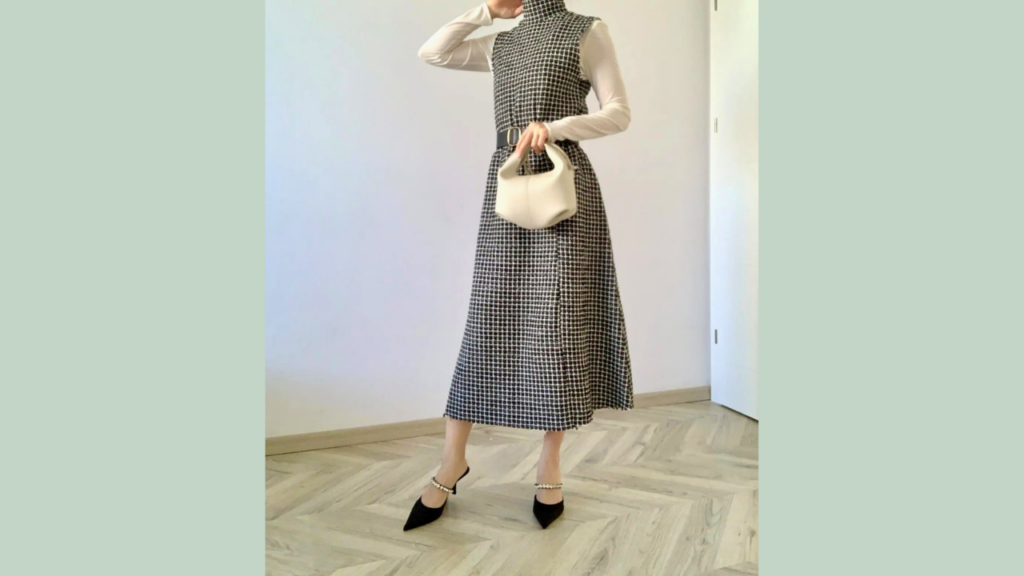
Showa-era design often features:
• Bold colors
• Geometric patterns
• Practical materials
• Functional layouts
Common examples include:
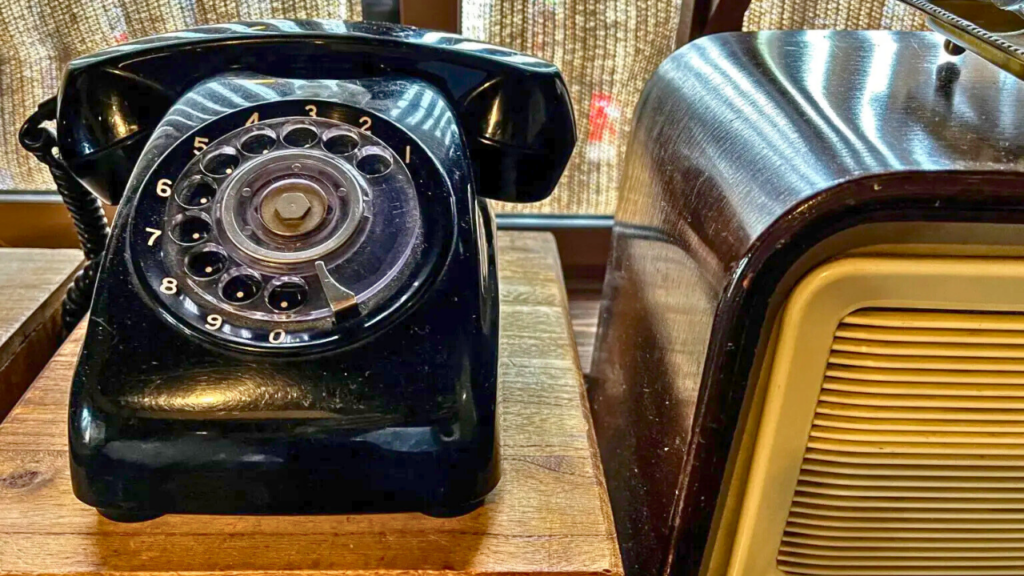
• Analog telephones
• Plastic tableware
• Metal signage
• Vinyl seating
The overall impression feels simple and utilitarian.
Cafés (Kissaten)
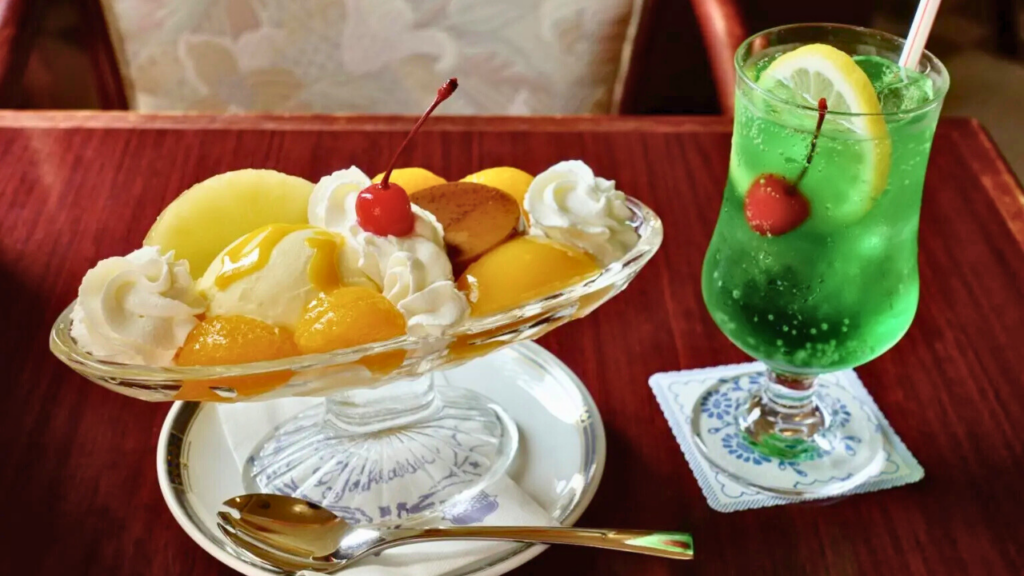
Retro cafés, known as kissaten, represent a major part of Showa Retro culture.
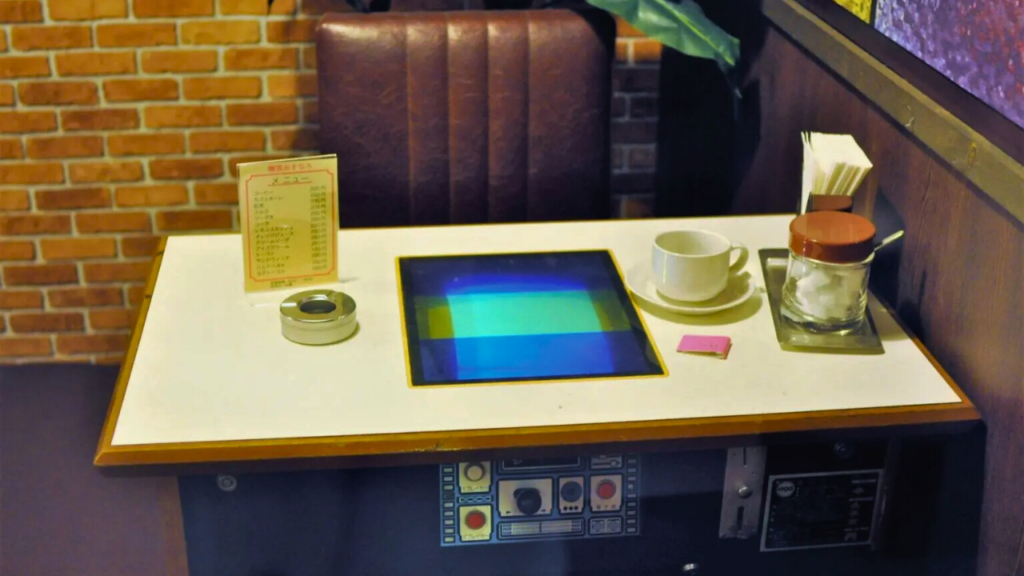
Typical features:
• Dim lighting
• Wooden interiors
• Hand-dripped coffee
• Cream soda
• Custard pudding
These spaces emphasize atmosphere rather than speed.
Music and Media
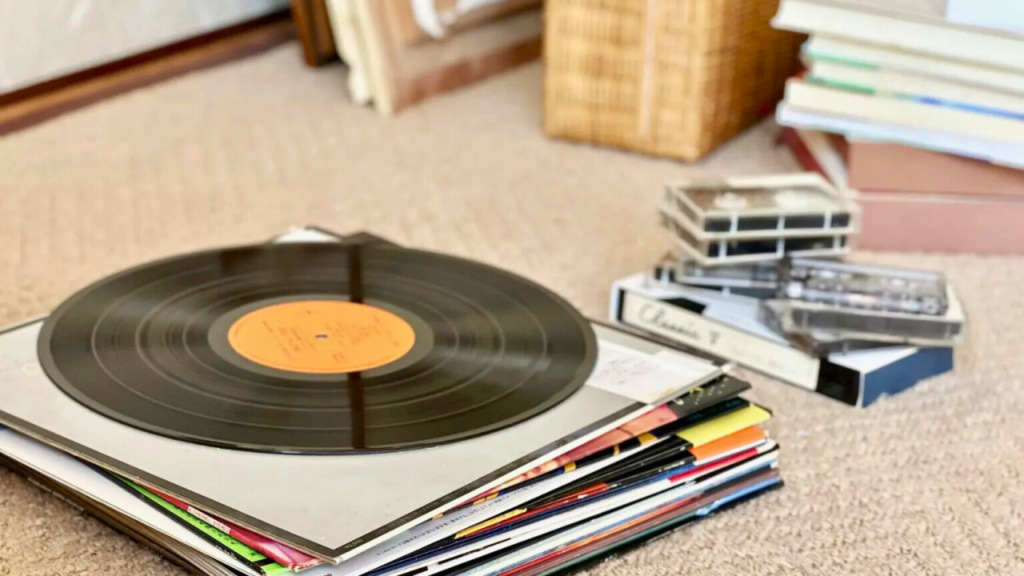
Showa-era entertainment includes:
• Enka music
• Early J-pop
• Classic Japanese films
Many works reflect everyday life, romance, or postwar society.
Why Showa Retro Attracts Attention
Modern life is highly digital and fast-paced.
In contrast, Showa Retro represents:
• Analog technology
• Slower environments
• Tangible objects
• Physical textures
Younger generations often view it as a distinctive aesthetic.
Older generations may associate it with lived experience.
Common Showa Retro Examples
Retro Cafés (Kissaten)
Preserved interiors and classic menus.
Dagashiya (Candy Shops)
Small stores selling inexpensive snacks and toys.
Vintage Signage
Old-style advertisements and storefront designs.
Retro Electronics
Radios, televisions, and telephones.