
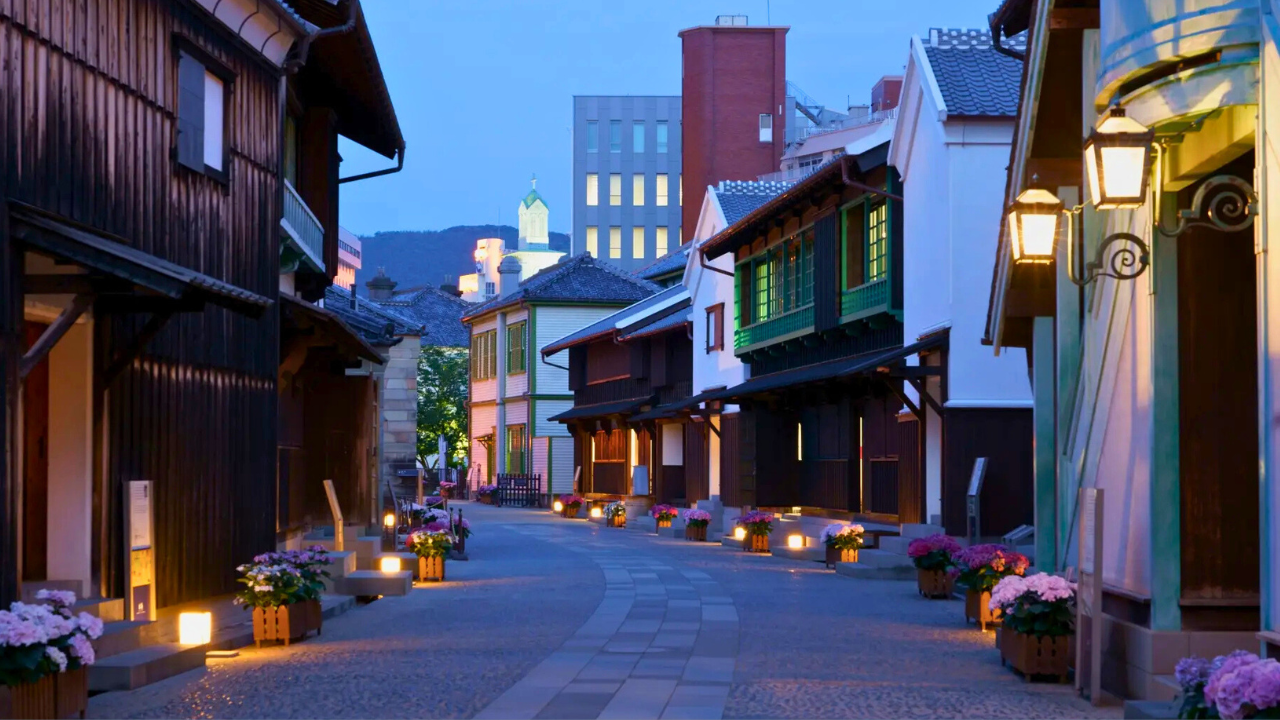
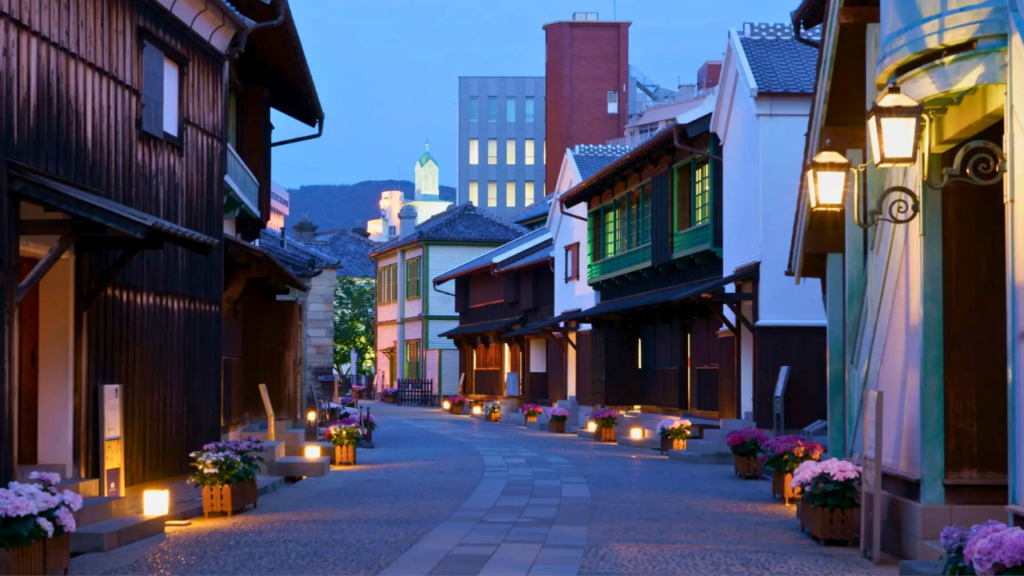
Dejima is a historic site in Nagasaki, Japan.
During the Edo period, when Japan limited contact with other countries, Dejima served as a special place for international trade.
For about 200 years, it functioned as one of the few locations where Japan maintained contact with the outside world. Because of this role, Dejima became an important gateway between Japan and Europe.
An Artificial Island for Trade
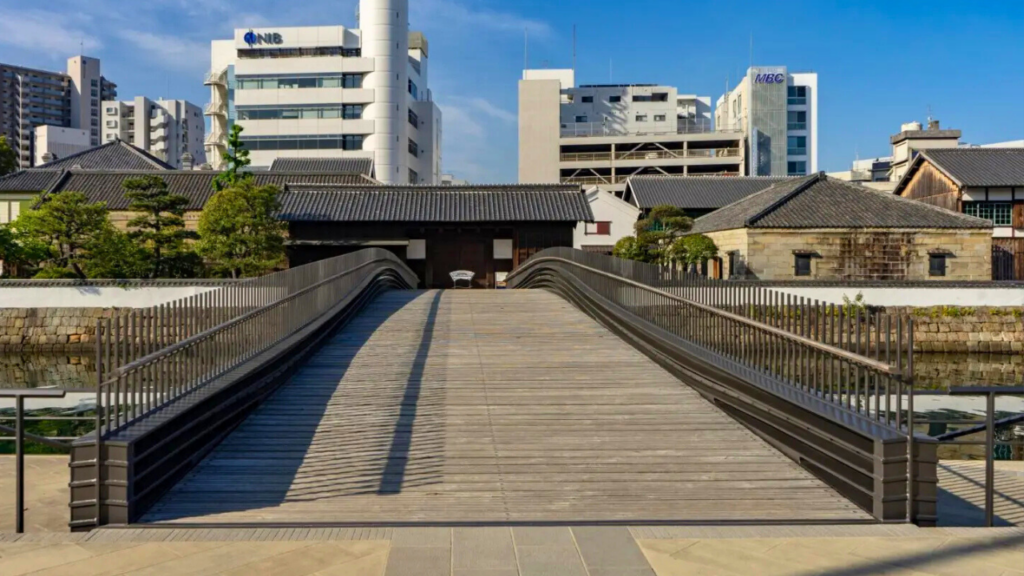
Dejima is an artificial island built in 1636.
The small island was constructed in a fan shape in Nagasaki Harbor. At first, authorities built it to control Portuguese traders. Later, the Dutch trading post moved there.
After that change, Dejima became the center of trade between Japan and the Netherlands.
For many years during Japan’s isolation policy, this was the only place where Europeans could trade with Japan.
Dejima and Rangaku (Dutch Learning)
Dejima also played an important role in the spread of Western knowledge in Japan.
Through trade with the Dutch, Japan received information about:
- Medicine
- Astronomy
- Geography
- Science
Japanese scholars studied this knowledge, which became known as Rangaku, or “Dutch learning.”
These studies later influenced Japan’s modernization.
Dejima Today
Today, Dejima is open as a historical site.
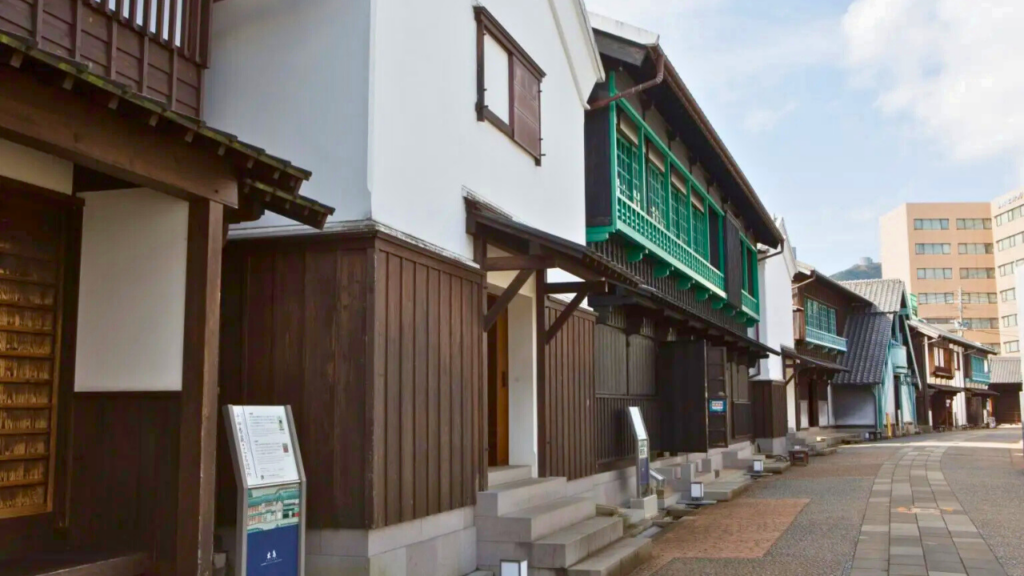
Several buildings have been reconstructed to show how the trading post looked during the Edo period. Visitors can walk through restored houses, warehouses, and trading offices.
Exhibits inside the buildings explain daily life, trade activities, and cultural exchange during that time.
Access
Dejima is easy to reach from central Nagasaki.
The nearest stop is Dejima Tram Stop on the Nagasaki Electric Tramway.
- Travel time from Nagasaki Station: about 10 minutes
▶ Official Website: Dejima
Summary
Dejima played a key role in connecting Japan with the outside world during the Edo period.
Today, visitors can explore reconstructed buildings and learn about the history of international trade in Japan. It is one of the most important historical sites in Nagasaki.