
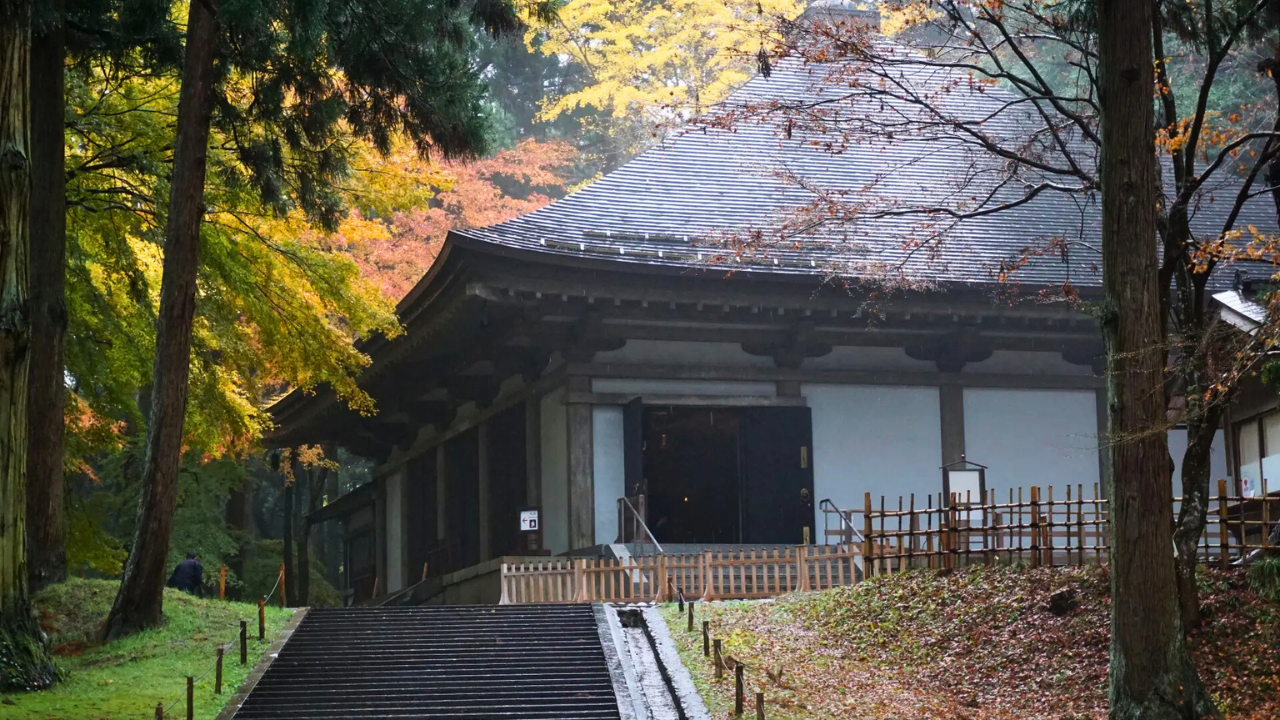
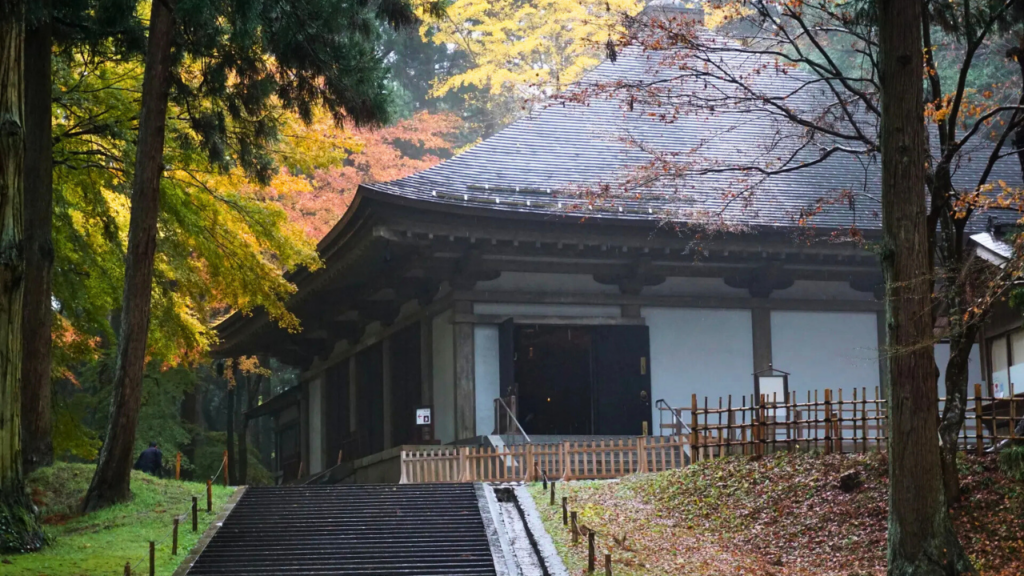
Located in Iwate Prefecture, Hiraizumi preserves a rare concentration of Heian-period Buddhist heritage. Recognized as a UNESCO World Heritage Site, the area reflects the Pure Land ideals that shaped its temples, gardens, and spatial design.
The town of Hiraizumi Iwate is a remarkable destination for those interested in history and culture.
Chusonji Temple
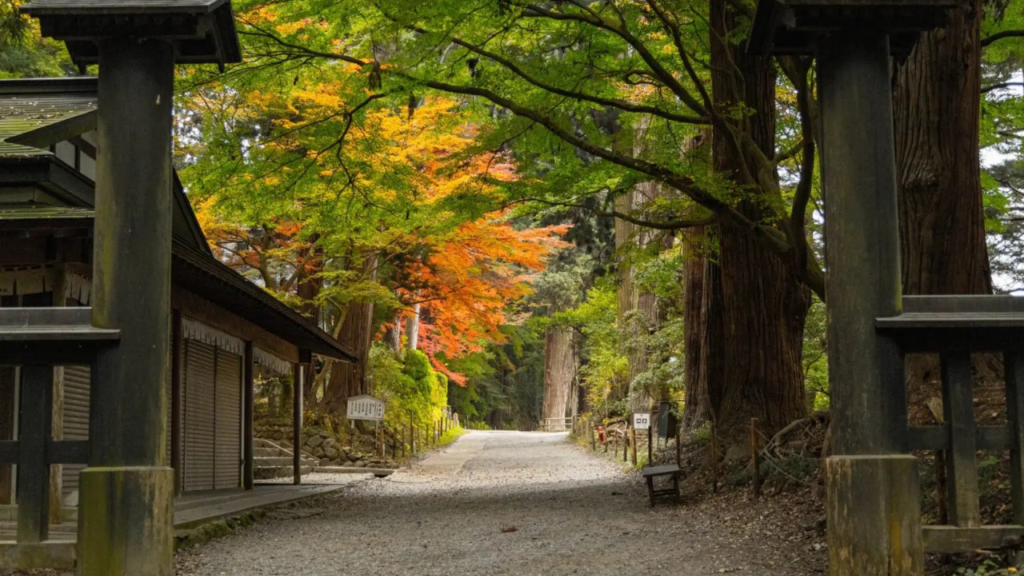
Chusonji is Hiraizumi’s most historically significant site. Founded in the 12th century, it is best known for the Konjikido, a golden hall covered in gold leaf and protected within a modern structure.
The temple grounds include quiet walking paths lined with cedar trees, reinforcing the contemplative atmosphere.
Motsuji Temple
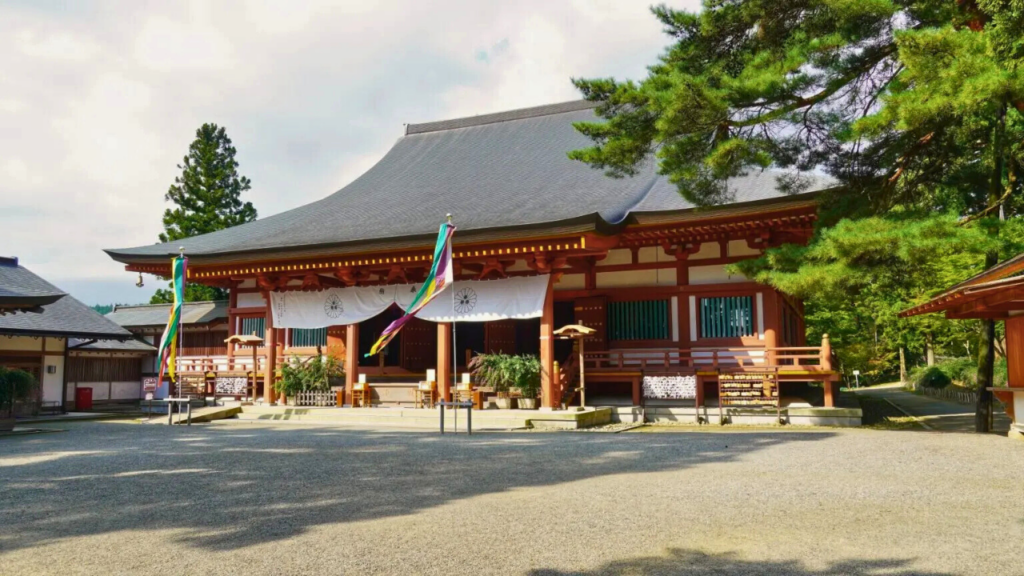
Motsuji is defined by its Pure Land Garden. The central pond, open sightlines, and restrained design reflect Buddhist cosmology rather than decorative landscaping.
Seasonal changes subtly alter the scenery, making the site visually distinct throughout the year.
Takkoku no Iwaya
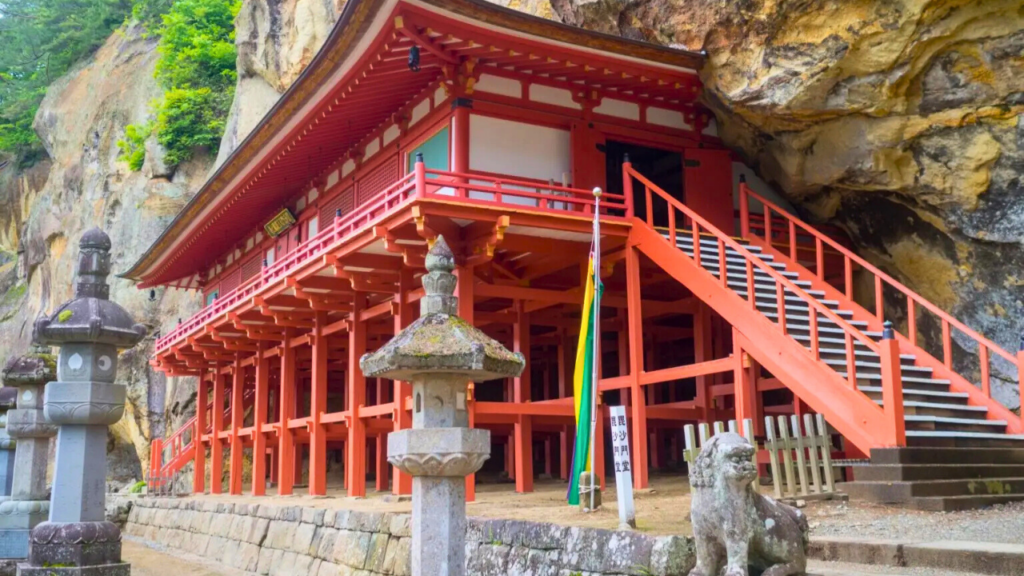
Takkoku no Iwaya stands apart architecturally. Built against a rock face, the structure creates a dramatic contrast between natural stone and wooden construction.
The site is associated with Bishamonten and carries a markedly different visual character from Hiraizumi’s garden temples.
Access
Hiraizumi is reached via the JR Tohoku Shinkansen.
Tokyo → Ichinoseki Station
Transfer to JR Tohoku Line → Hiraizumi Station
Approximate travel time: 2.5–3 hours

Seasonal Conditions
Spring and autumn typically offer the most visually striking conditions.
Spring: Cherry blossoms
Autumn: Foliage
▶ Official Website: Chusonji Temple
Summary
Hiraizumi is less about individual landmarks and more about the preservation of a coherent religious landscape. The temples, gardens, and layout function as a unified historical environment rather than isolated attractions.