
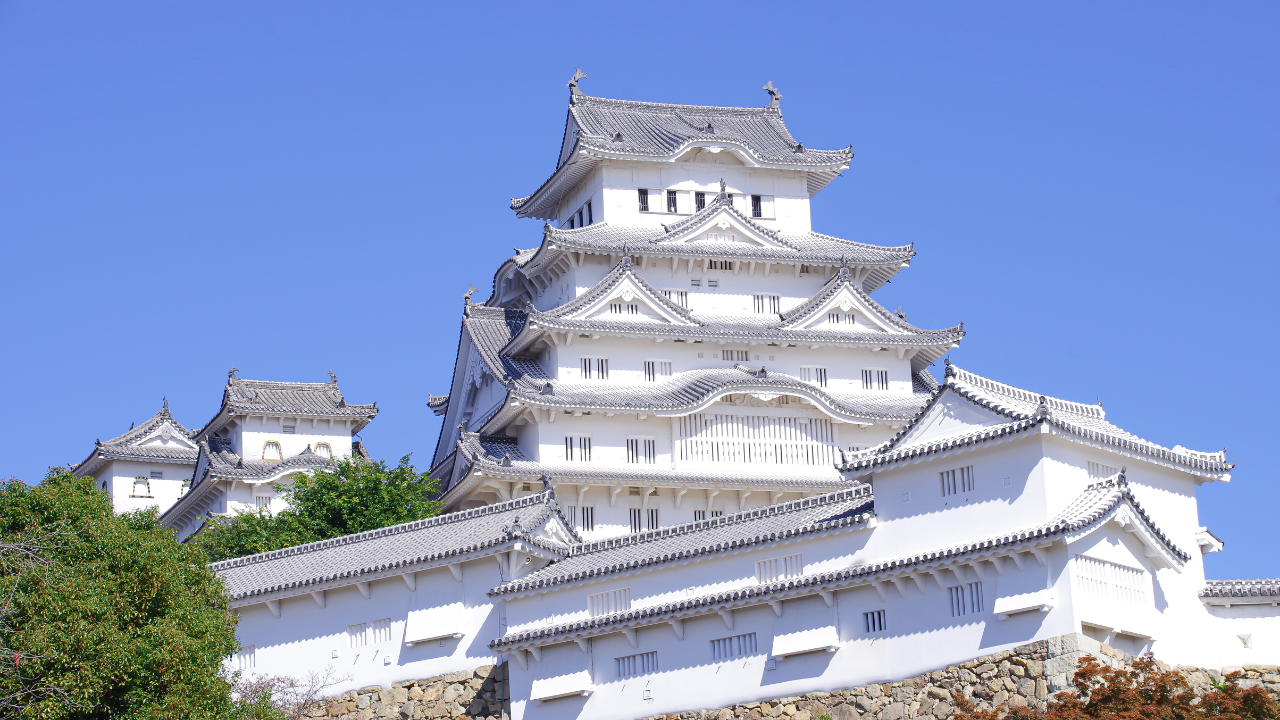
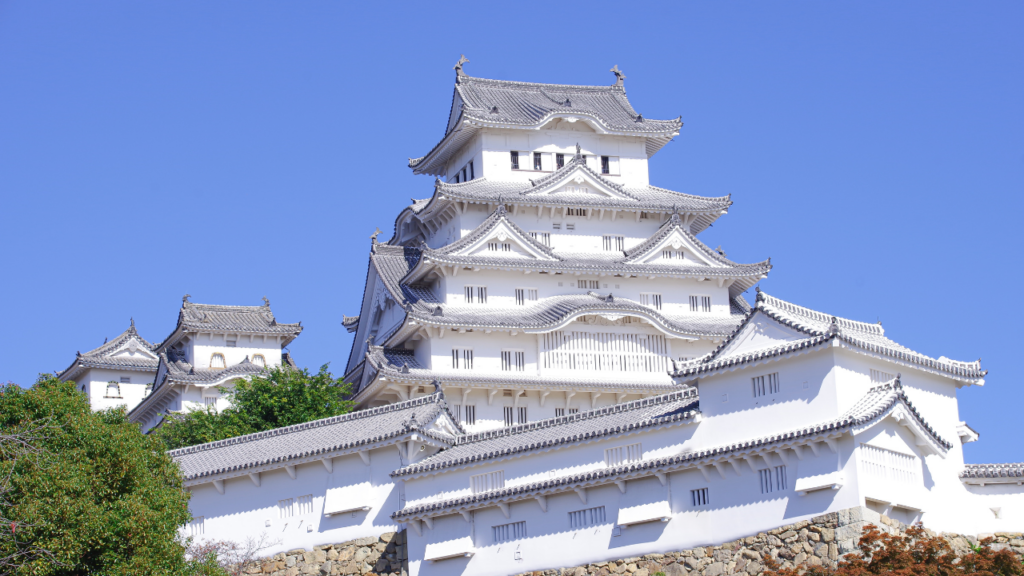
Himeji Castle is one of Japan’s most famous historic landmarks.
Located in Hyogo Prefecture, it holds both National Treasure status and UNESCO World Heritage recognition.
Because Osaka and Kyoto sit relatively close, many travelers visit Himeji Castle as a day trip.
The castle stands out for one simple reason:
Its remarkably preserved original structure.
What Makes Himeji Castle Special?
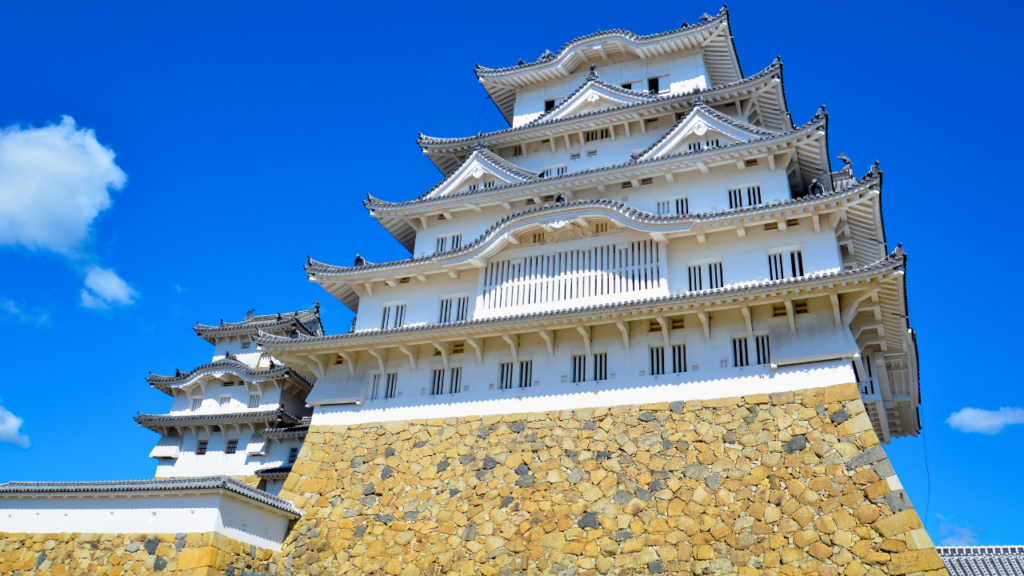
Unlike many reconstructed castles in Japan, Himeji Castle retains its original main keep, completed in 1609.
This preservation gives the site a very different atmosphere.
Visitors do not see a modern replica.
They walk through an authentic Edo-period wooden fortress.
The experience feels structurally real:
✔ Bare wood interiors
✔ Steep staircases
✔ Minimal decoration
✔ Visible aging of materials
Why Is It Called the “White Heron Castle”?

Himeji Castle is widely known as the White Heron Castle.
The name comes from its bright white exterior, created by traditional white plaster walls.
The visual effect is striking:
✔ Clean white surfaces
✔ Elegant rooflines
✔ Layered defensive design
Compared to darker castles such as Matsumoto Castle, Himeji Castle appears unusually light and refined.
\ Planning to visit Himeji Castle?/
Skip the planning
Historical Background
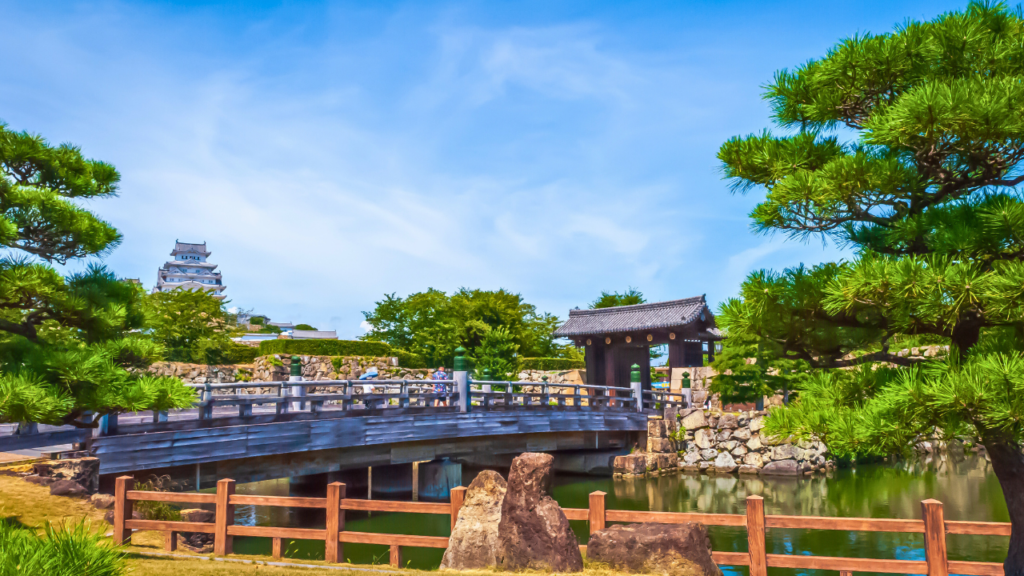
Construction began in the 14th century.
Over several centuries, rulers expanded and reinforced the structure.
The current appearance largely reflects early 17th-century renovations.
Importantly:
✔ The castle survived wars
✔ It avoided major fire damage
✔ It escaped WWII air raids
This survival explains its exceptional historical value.
UNESCO World Heritage Status
Himeji Castle became one of Japan’s first UNESCO World Heritage Sites in 1993.
Recognition focuses on:
✔ Traditional wooden engineering
✔ Defensive architectural design
✔ Structural complexity
✔ Visual harmony
Major Highlights Inside the Castle Grounds
Himeji Castle is not just a single tower.
Key areas include:
Main Keep (Tenshukaku)
The central structure visitors climb.
Expect:
✔ Steep stairs
✔ Wooden floors
✔ Minimal furnishing
✔ Panoramic views at the top
The interior feels surprisingly raw and functional.
Defensive Layout
The castle’s pathways form a deliberate maze.
Attackers historically faced:
✔ Narrow turns
✔ Hidden angles
✔ Elevated positions
Even modern visitors notice how movement patterns feel controlled.
Nishinomaru (West Bailey)
A quieter zone offering strong viewing angles.
Popular for:
✔ Clear castle photography
✔ Less crowd density
✔ Balanced perspectives
Practical Visitor Information
Opening Hours
Typically:
✔ 9:00 – Late afternoon
(Varies by season)
Closed:
✔ December 29 & 30
Admission Fee
✔ Adults: ¥1,000
✔ Children: ¥300
Crowd Considerations
Peak congestion periods:
✔ Cherry blossom season
✔ National holidays
✔ Long weekends
During heavy traffic:
Entry restrictions for the main keep may occur.
Early arrival reduces waiting time.
\ Planning to visit Himeji Castle?/
Skip the planning
Getting from Himeji Station to the Castle
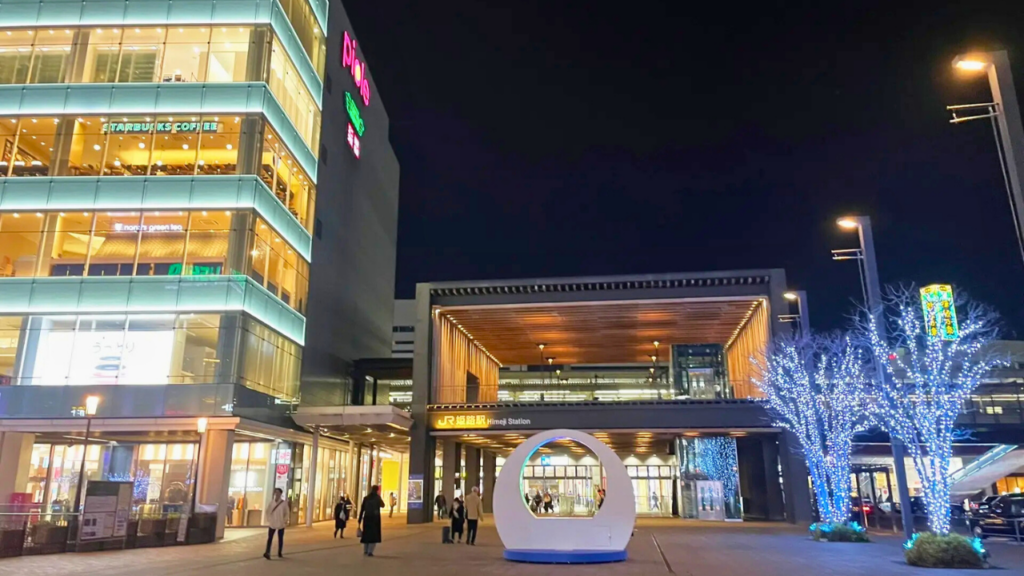
Distance: ~1 km
Three simple options:
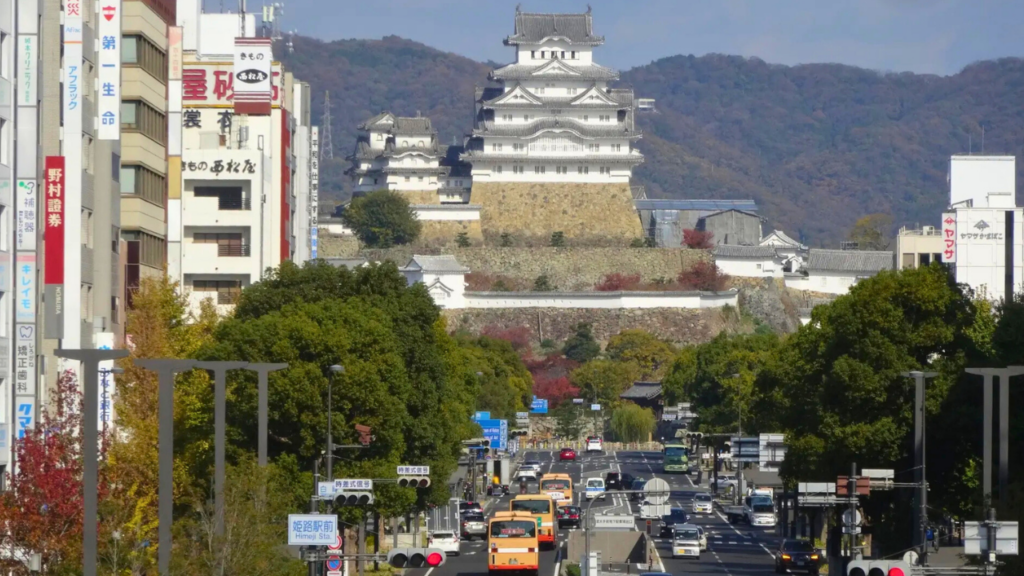
Walking (Most common)
✔ ~15–20 minutes
✔ Straight route
✔ Castle visible from station exit
Bus
✔ ~3 minutes
✔ Low fare
✔ Minimal effort
Taxi
✔ Short ride
✔ Useful in extreme weather
✔ Higher cost
Final Perspective
Himeji Castle offers something many castles cannot:
Authenticity of structure rather than interior decoration.
Expect:
✔ Physical stair climbing
✔ Minimalist interiors
✔ Strong architectural presence
✔ Highly photogenic exterior
For many travelers, the value lies less in exhibits and more in spatial experience.
FAQ
Himeji Castle keeps its original wooden structures from the 1600s.
Because of this, walking inside feels physically real, however the steep stairs feel tiring.
Additionally, the bright white walls reflect light strongly.
Yes, climbing requires steady movement through steep wooden stairs.
For example, the stair angles feel sharp, therefore leg fatigue builds quickly.
However, airflow inside often feels cooler than outside.
Several famous films used Himeji Castle as a location, including You Only Live Twice, Kagemusha, and Ran.
Because of the wooden interiors, footsteps often sound sharp during filming.
Additionally, the white walls reflect light very strongly.