
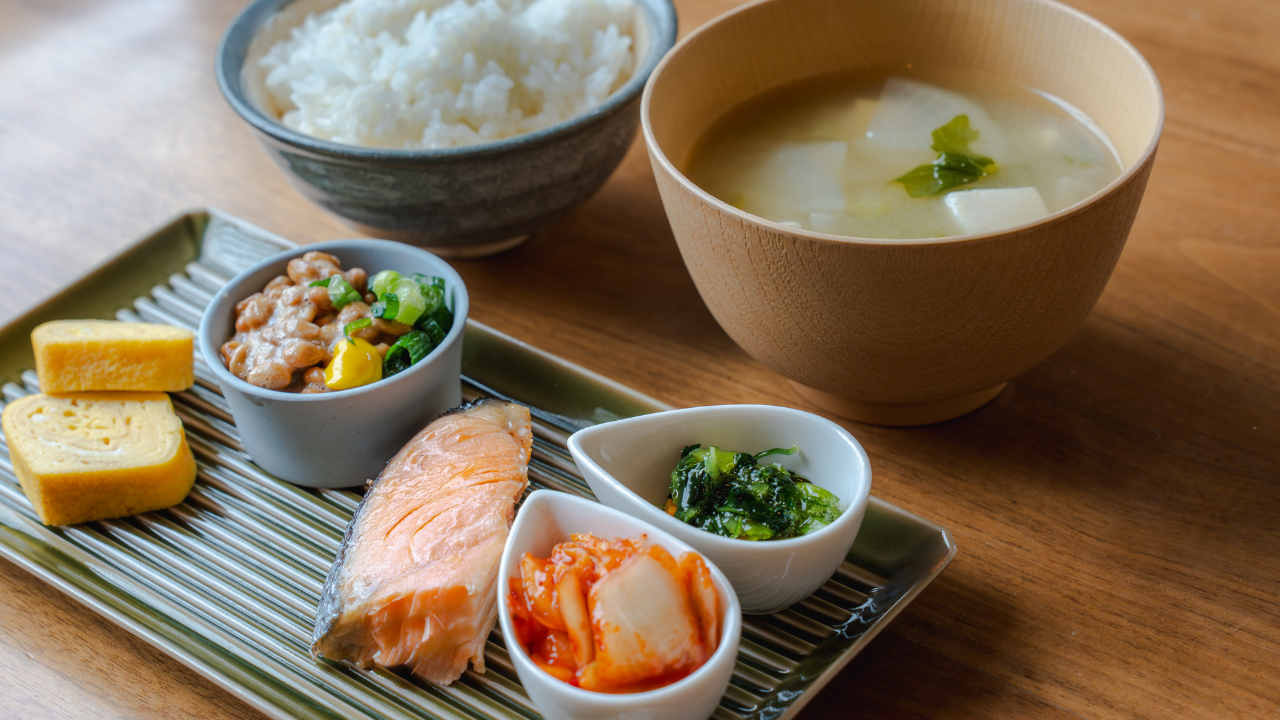
Washoku refers to Japan’s traditional food culture. It is not just a type of cuisine. It includes ingredients, cooking methods, meal structure, and seasonal awareness.
In 2013, UNESCO added Washoku to the Intangible Cultural Heritage list. This recognition focuses on food culture and customs rather than specific dishes.
Washoku Does Not Mean Sushi Only
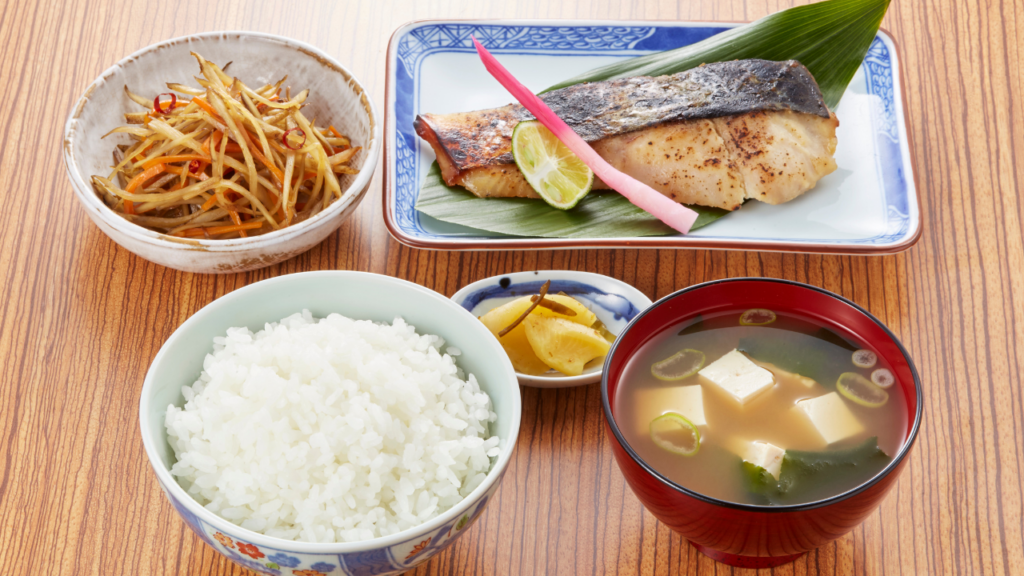
Many people associate Washoku with sushi or tempura. However, Washoku has a much broader meaning.
For example:
- Rice
- Miso soup
- Grilled fish
- Simmered dishes
- Pickles
These everyday meals are Washoku. In fact, daily meals represent the core of Washoku.
Basic Structure: Ichiju Sansai
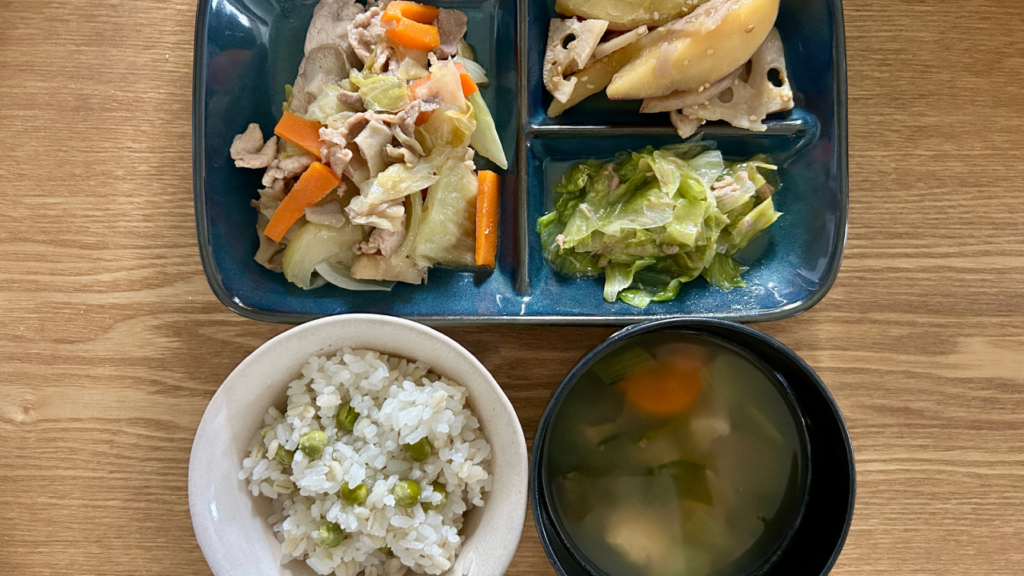
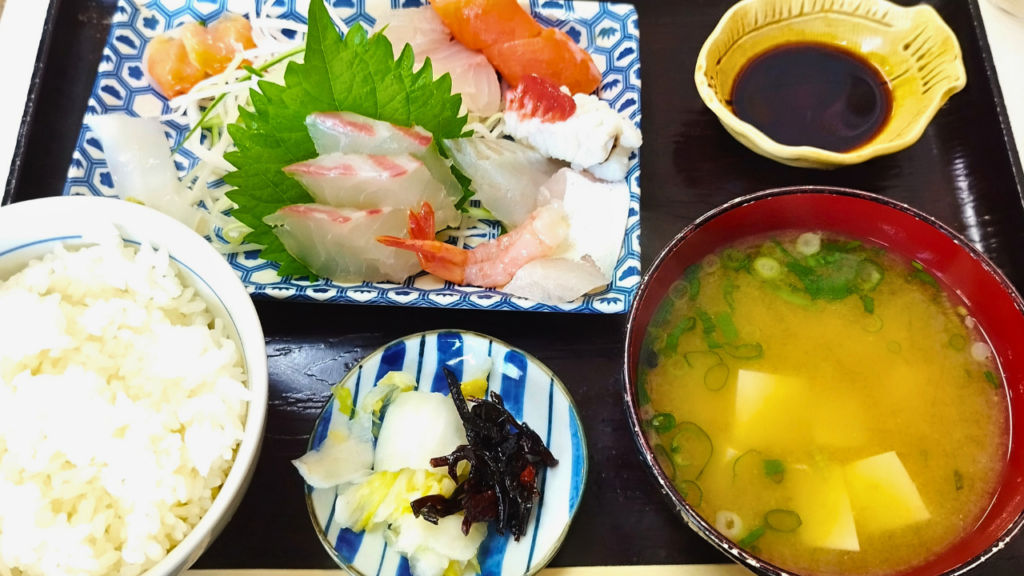
A common Washoku style is called Ichiju Sansai.
- One soup: Usually miso soup
- Three dishes: One main dish + two side dishes
- Rice: The central part of the meal
- Pickles: Used for balance and contrast
This structure supports nutritional balance. Additionally, it creates variety in taste and texture.
Key Characteristics of Washoku
1. Focus on Natural Flavors
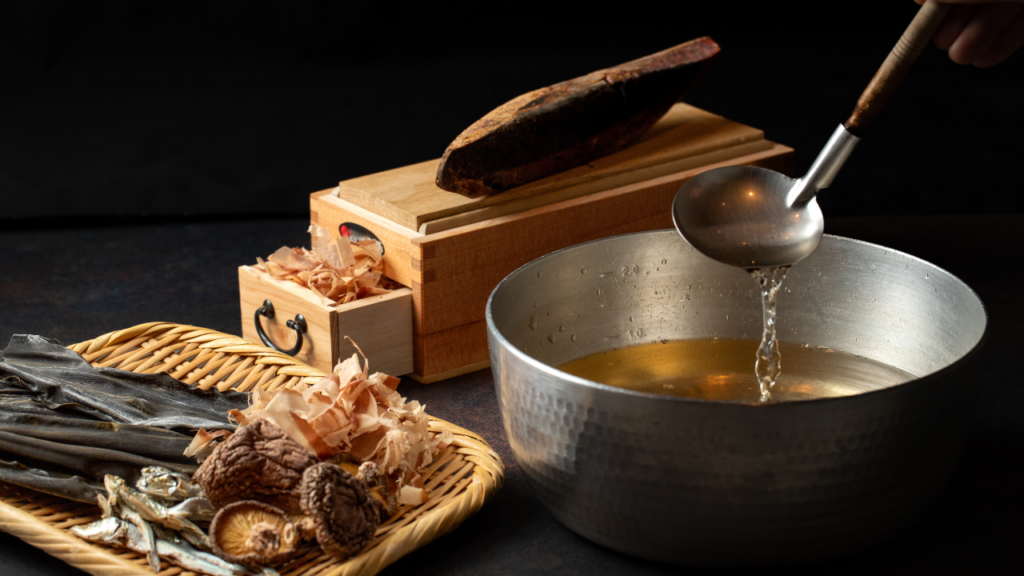
Washoku emphasizes the original taste of ingredients.
For example:
- Use of dashi (Japanese stock)
- Light seasoning
- Use of umami
As a result, the flavor of the ingredient remains clear.
2. Strong Seasonal Awareness
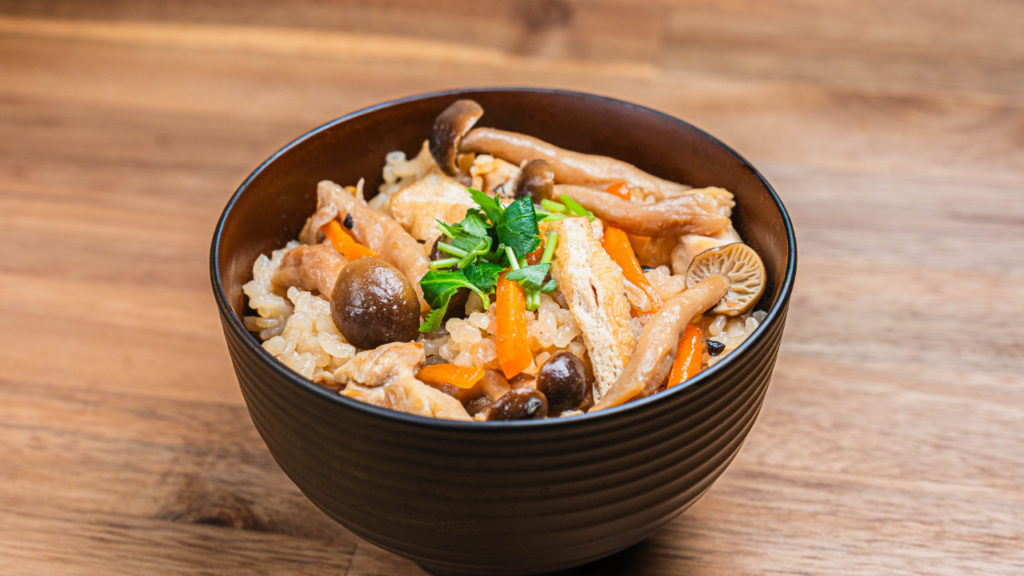
Season plays an important role in Washoku.
For example:
- Spring: Mountain vegetables
- Summer: Cold dishes
- Autumn: Mushrooms and new rice
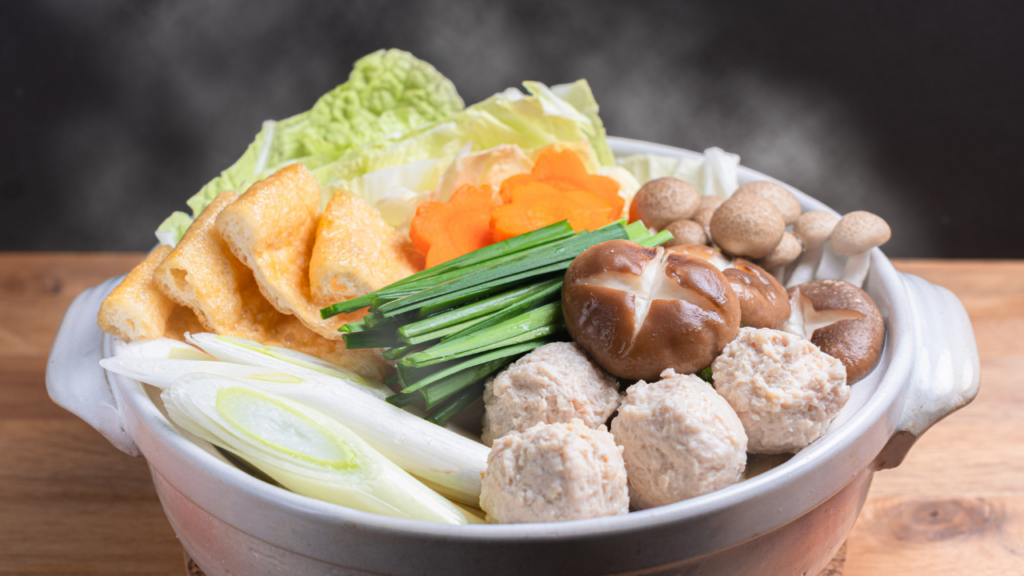
- Winter: Hot pot dishes
Therefore, choosing seasonal ingredients is a central idea.
3. Visual Presentation
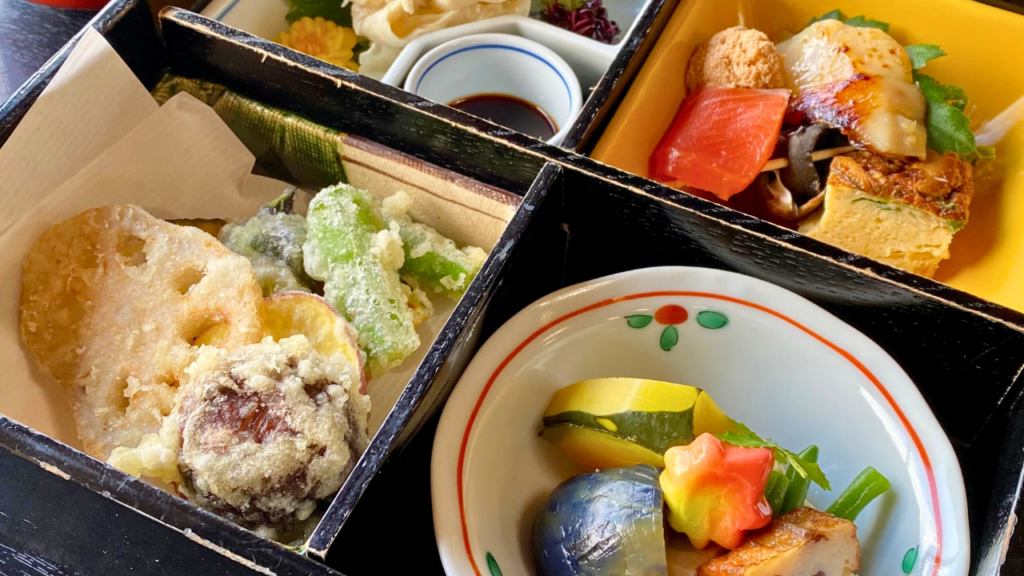
Appearance is an important part of Washoku.
For example:
- Harmony with tableware
- Color balance
- Use of space
Consequently, meals provide a visual experience as well.
4. Health-Oriented Image
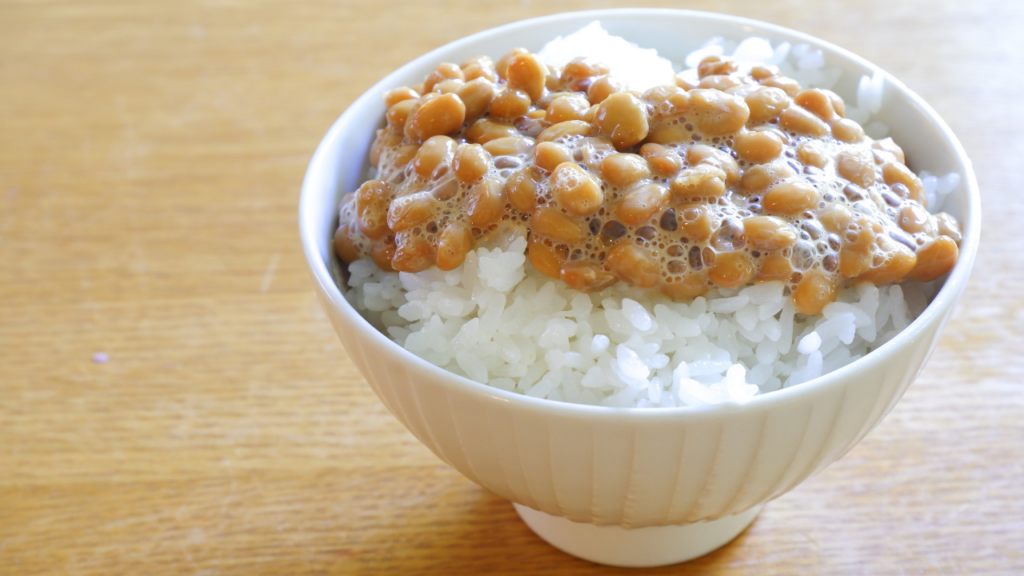
Washoku often has a healthy image.
For example:
- Lower fat content compared to many cuisines
- Frequent use of vegetables and fish
- Use of fermented foods such as miso and soy sauce
However, not all Washoku dishes are low-calorie. Fried dishes and salty foods also exist.
Washoku as a Cultural Concept
Washoku represents more than food. It reflects everyday habits and values.
For example:
- Awareness of nature
- Respect for season
- Balance in meals
- Mealtime expressions such as “Itadakimasu” and “Gochisosama”
These elements form part of Washoku culture.
Summary
Washoku refers to Japan’s traditional food culture. It includes dishes, structure, ingredients, and customs.
Sushi and tempura are well known examples. However, simple daily meals such as rice, miso soup, and grilled fish represent the essence of Washoku.
FAQ
Washoku refers specifically to traditional Japanese food culture. Meanwhile, Japanese food includes both traditional and modern dishes.
Traditional meals often use vegetables, fish, and fermented foods. However, some dishes contain high salt or oil. Balance and moderation remain important.
Rice functions as the central part of many traditional meals. Additionally, other dishes are designed to complement rice.