
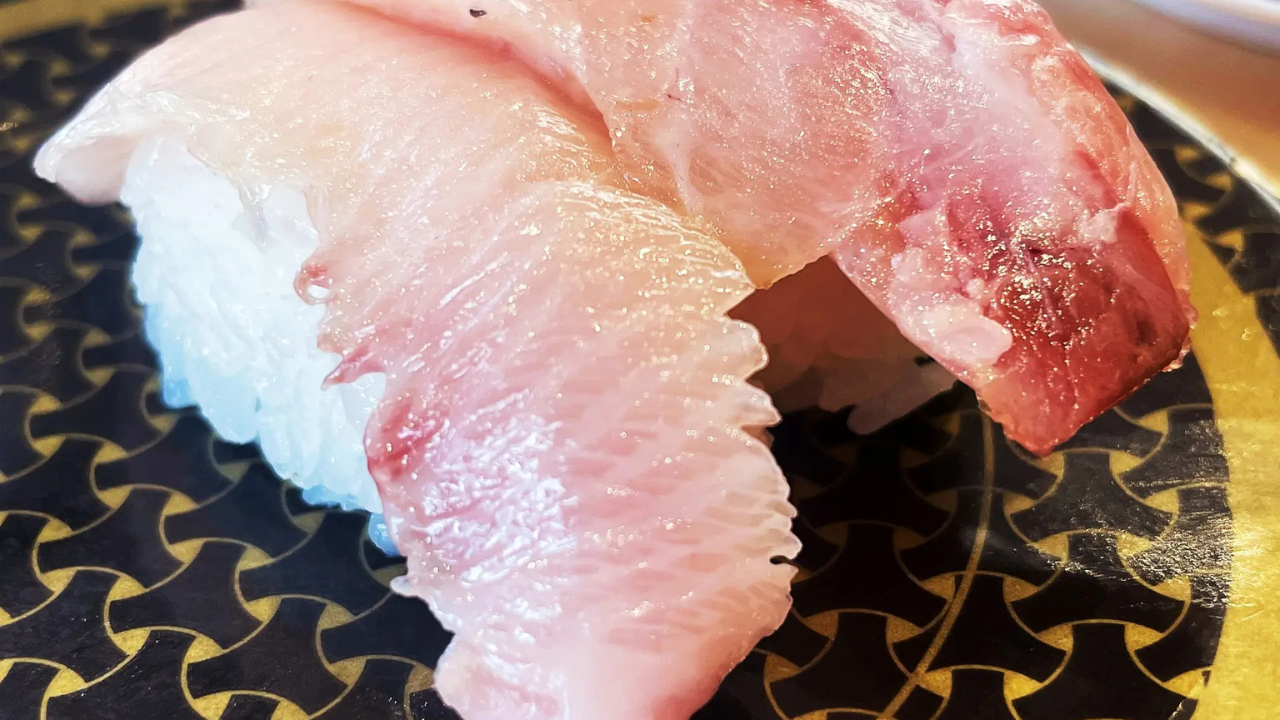
Kura Sushi is one of Japan’s most well-known conveyor belt sushi chains.
Customers select sushi from plates moving along a conveyor belt.
Additionally, touch panel menus allow direct ordering.
The system is designed for speed, simplicity, and predictable pricing.
How the Dining System Works
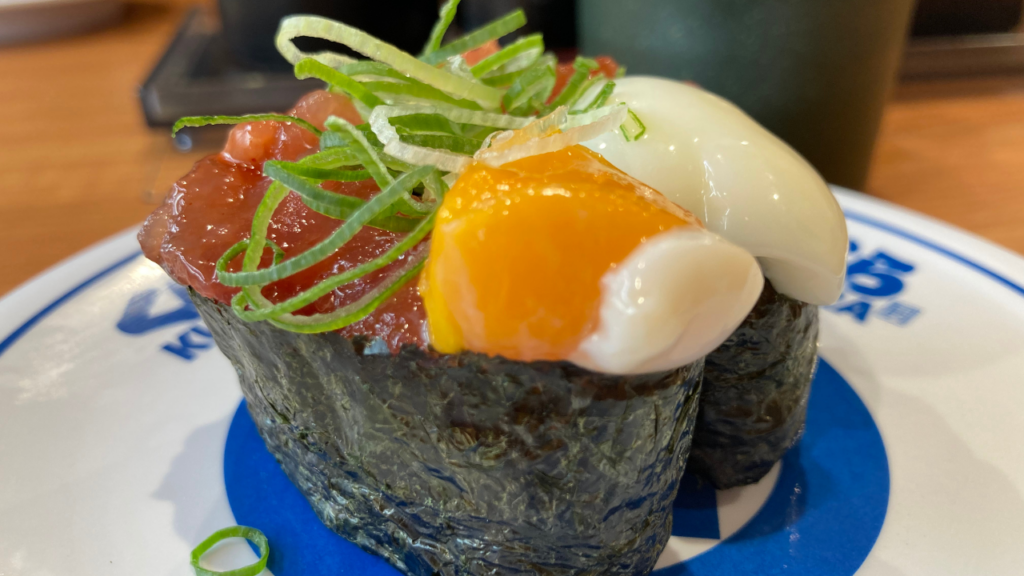
Sushi plates circulate continuously through the restaurant.
Customers can:
Take plates directly from the conveyor belt
Order specific items from the touch panel
Ordered dishes usually arrive via a separate lane.
Pricing Structure
Most plates follow a fixed price system.
Each plate color typically represents the same cost.
As a result, spending remains easy to track.
Menu Variety
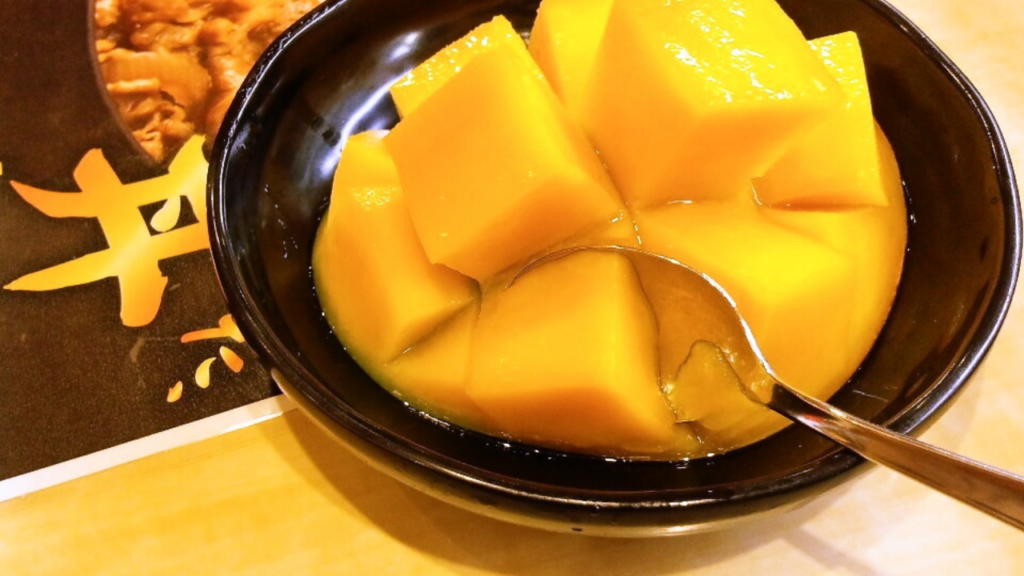
Kura Sushi offers more than basic sushi.
Common selections include:
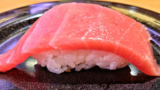
Nigiri sushi
Rolls
Seasonal items
Side dishes such as ramen and tempura
Desserts
The menu prioritizes accessibility over specialization.
Technology and Automation
Many locations rely heavily on automated systems.
Touch panel ordering
Automated plate counting
Self-checkout machines
Therefore, staff interaction is often minimal.
Plate Return System
After eating, customers insert empty plates into a table slot.
The system counts plates automatically.
Some stores include small game features linked to plate returns.
Background
Founded in 1977, Kura Sushi operates hundreds of locations across Japan.
The chain is widely recognized for combining sushi dining with automation and standardized service.
Store Atmosphere
The environment is casual and functional.
Noise levels vary depending on crowd size.
Seating arrangements emphasize efficiency.
Position in Japanese Dining Culture
Kura Sushi represents a modern, highly systemized version of sushi dining.
It differs from traditional sushi restaurants.
However, it provides an accessible experience for many visitors.
FAQ
Is Kura Sushi expensive?
No. Pricing is generally budget-friendly.
Is English support available?
Many locations provide English menus on touch panels.
Is sushi knowledge required?
No. The system is designed for first-time customers.
Yes, Kura Sushi started in Japan.
The system felt highly structured and efficient.
Inside, the atmosphere often felt bright and slightly noisy.
Kura Sushi operates over 550 locations in Japan (as of October 2024).
Additionally, it runs about 60 stores in the United States and over 60 in Asia.
The appeal comes from pricing and automation.
Touch panels and moving plates created continuous visual motion.
The environment often felt lively and mechanically active.
Yes, the ordering system is designed for simplicity.
Touch panels felt clear and easy to navigate.
Visual cues and screen brightness supported quick decisions.