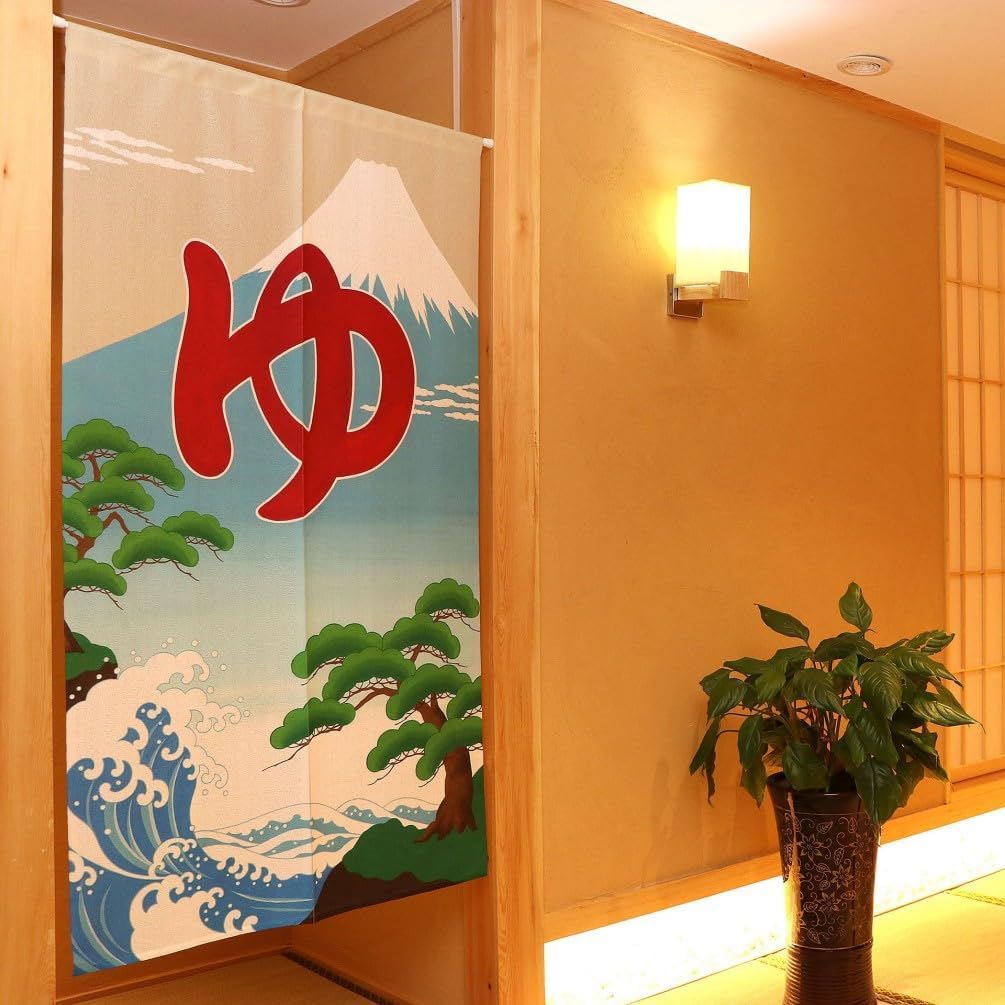
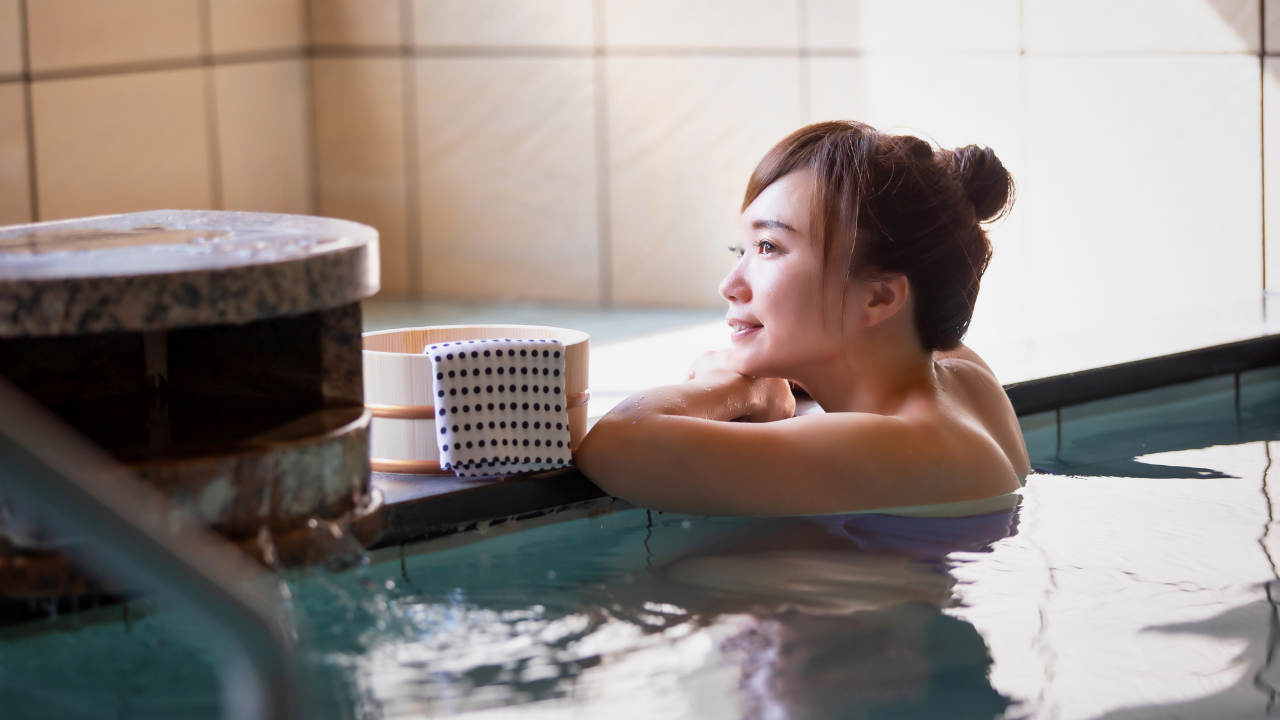
Many visitors think sento are only for people who do not have a bathroom, or even for homeless people. That idea is common online, but it is wrong.
To understand sento properly, it helps to look at how Japan legally defines public bathhouses, and how people actually use them today.
What Is a Sento?
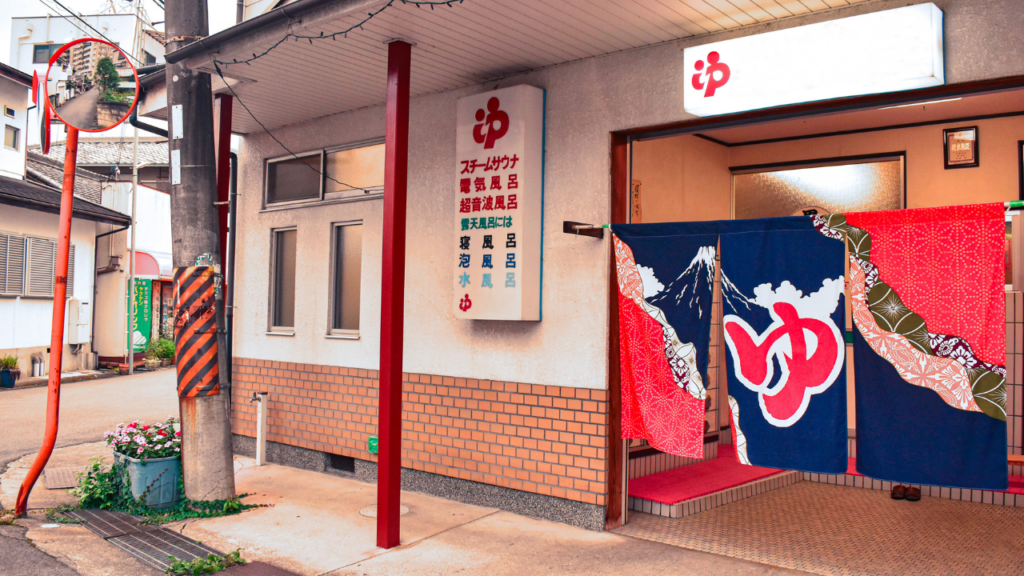
In Japan, the law clearly defines sento.
Under the Public Bathhouse Act, authorities divide public bathing facilities into two main categories:
General Public Bathhouses
Other Public Bathhouses
A sento falls into the first category: General Public Bathhouses.
Local communities rely on these facilities for daily life and public hygiene.
Because they serve this essential role, local governments regulate their admission fees.
Why Sento Are Affordable
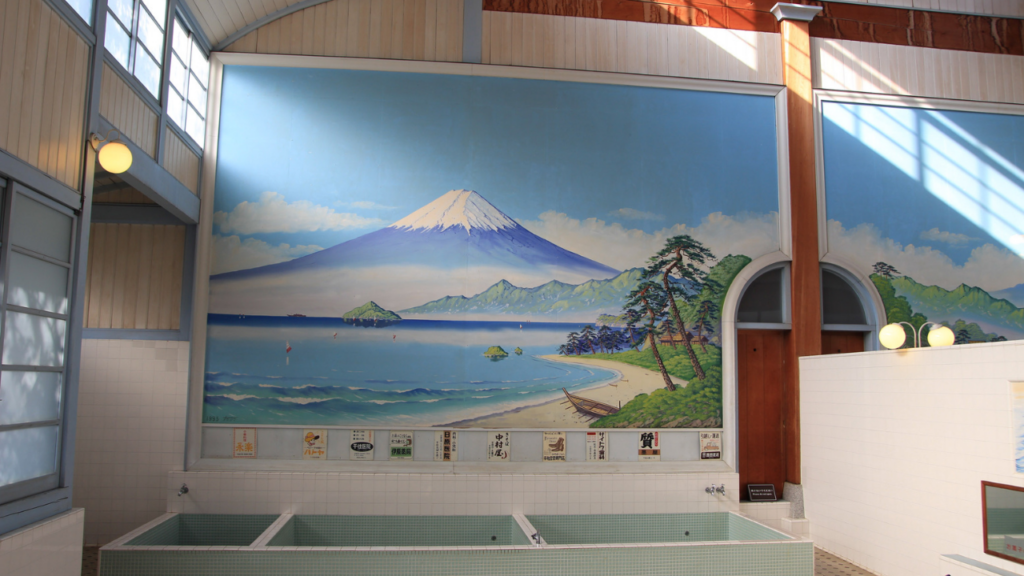
Since sento are classified as essential facilities, the bathing fee is set by each prefecture.
Even though prices have slowly increased due to fuel and maintenance costs, the standard sento price across Japan is still:
- around ¥500 (about $3.30 USD)
(varies slightly by prefecture)
This price system exists so that anyone in the neighborhood can use the bath regularly.
What Is Not a Sento?
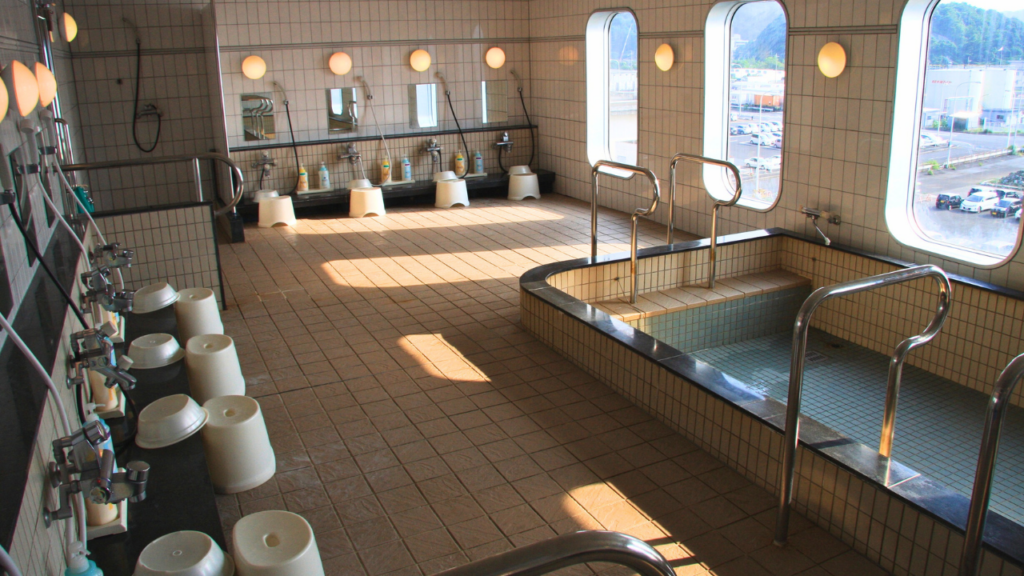
The Public Bathhouse Act also defines Other Public Bathhouses, which include:
- Health centers and spa-style bath complexes
- Super sento and large leisure bath facilities
- Baths inside gyms or sports clubs
- Company welfare baths
- Saunas
- Private-room bathhouses
- Mobile bathing vehicles
- Special baths such as mud baths in esthetic salons
These facilities are not considered sento under the law, even if they look similar.
What Is an Onsen?
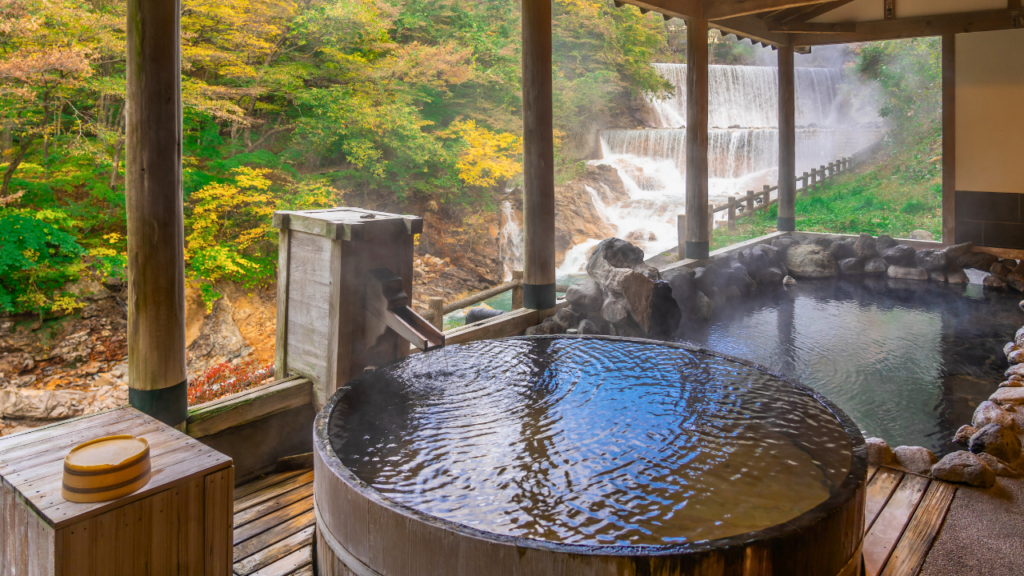
Onsen are defined by a completely different law: the Hot Spring Act.
According to this law, water can be called “onsen” if it:
- Comes from underground, and
- Is 25°C or warmer, or
- Contains at least one of 19 designated mineral substances above a set level
In short, onsen refers to the water itself, not the building.
The Key Difference Between Sento and Onsen
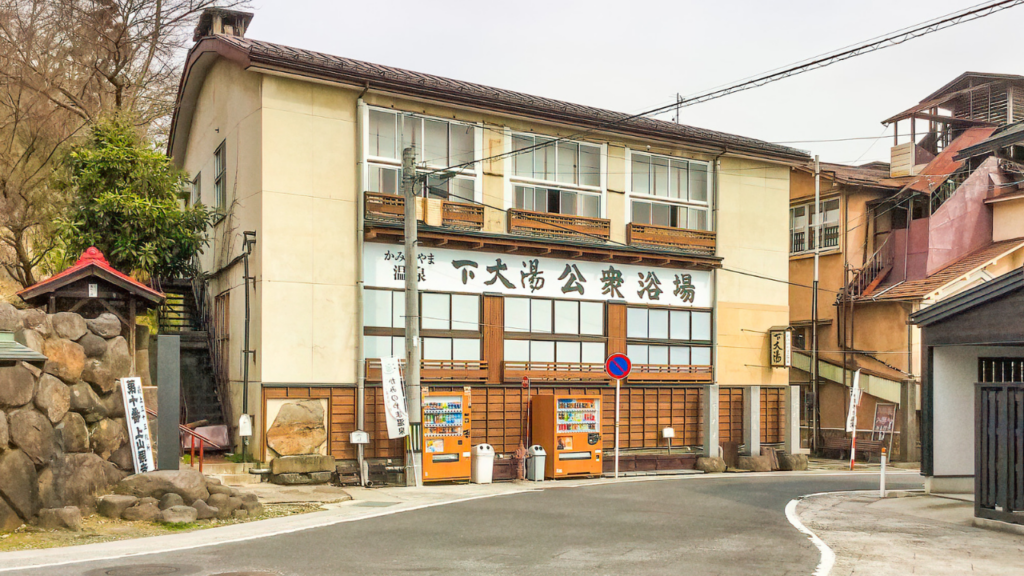
This is where many travelers get confused.
- Sento = a type of facility (a public bathhouse)
- Onsen = a type of water (natural hot spring water)
Because of this:
- Some sento use onsen water
- Some onsen facilities are not sento
- Some bathhouses are neither sento nor onsen
They are not opposites, and they are not mutually exclusive.
Who Uses Sento Today?
Based on everyday use in Japan:
- Older people
- Students
- Office workers
- Families
- People living in apartments without bathtubs
- People who simply want to relax
Sento are neighborhood spaces, not emergency facilities.
Why Go to a Sento If You Have a Bath at Home?
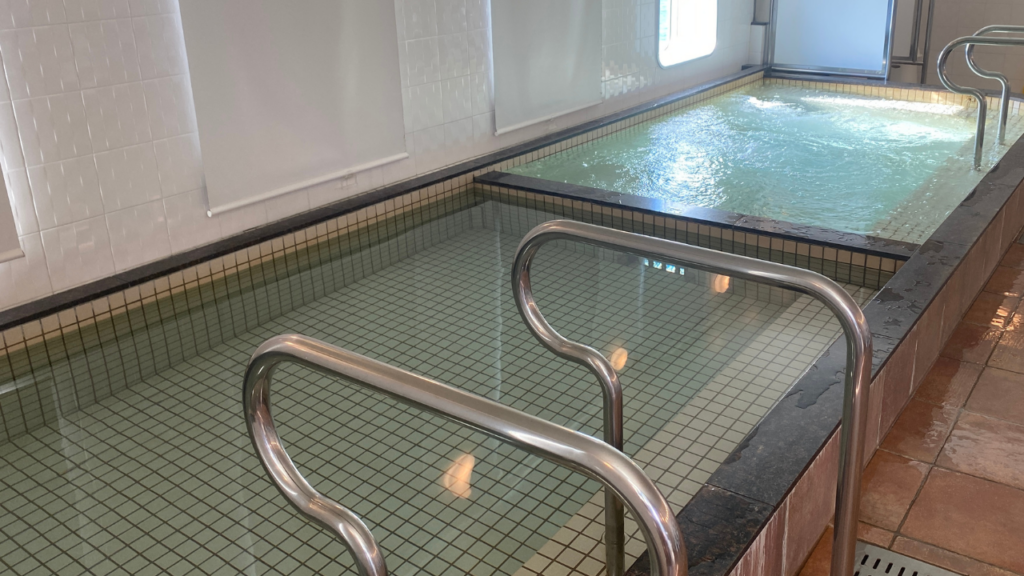
Common reasons include:
- Larger baths than at home
- Better warming in winter
- Saunas, cold baths, or electric baths
- Relaxing without phones or screens
- Casual social interaction with neighbors
Many people compare sento to a local pub — quiet, familiar, and communal, just without clothes.
Sento vs Onsen for Travelers
- Onsen: travel, special trips, higher cost, non-daily
- Sento: local, affordable, everyday relaxation
If you want to experience Japanese daily life, sento are often easier and more realistic than onsen resorts.
Summary
Sento in Japan are:
- Legally defined public facilities
- Affordable and regulated
- Part of everyday life, not poverty
- Separate from onsen by definition
Understanding this difference helps avoid disappointment and makes your bathing experience far more comfortable.