
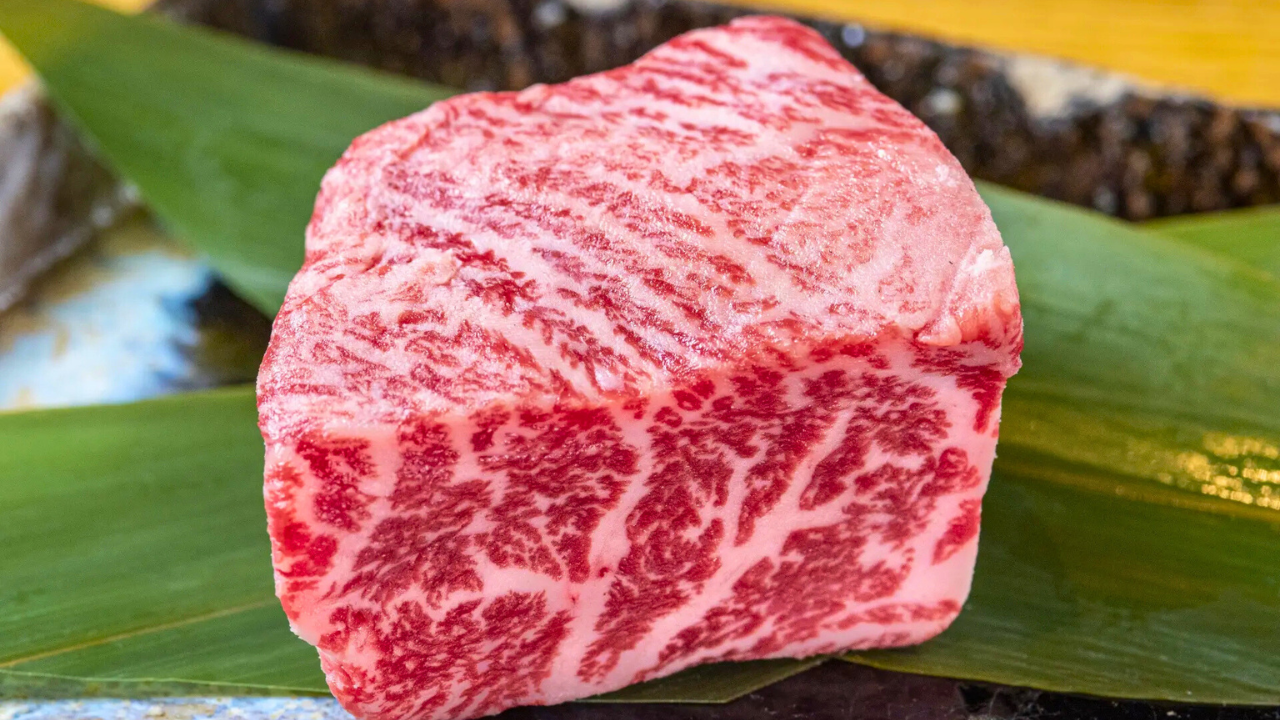
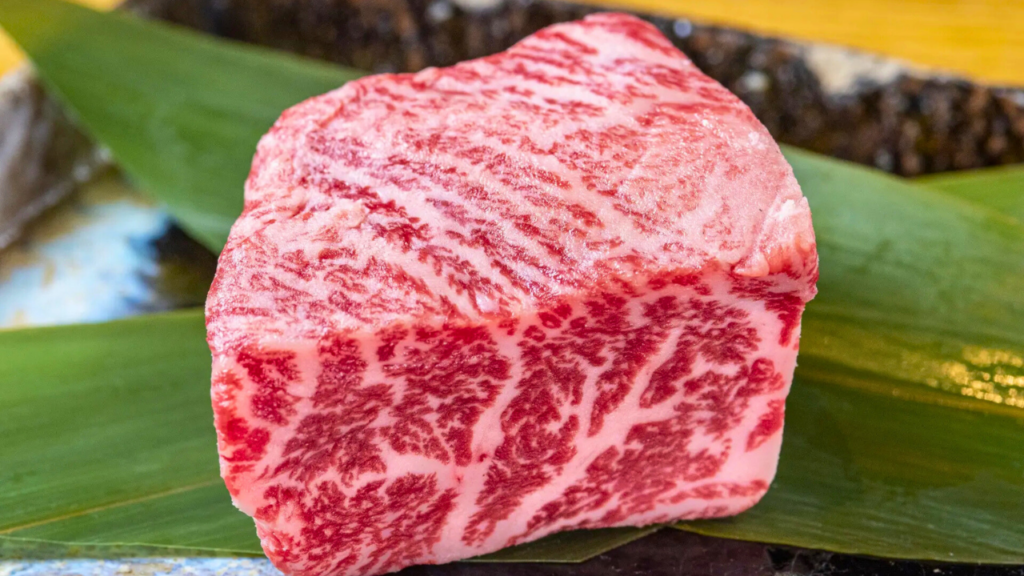
Wagyu is one of the most well-known foods associated with Japan.
Even people who have never visited Japan often know the word “Wagyu.”
Restaurants around the world use the term, and many people describe it as luxury beef.
But what exactly is Wagyu?
Wagyu Literally Means “Japanese Cow”
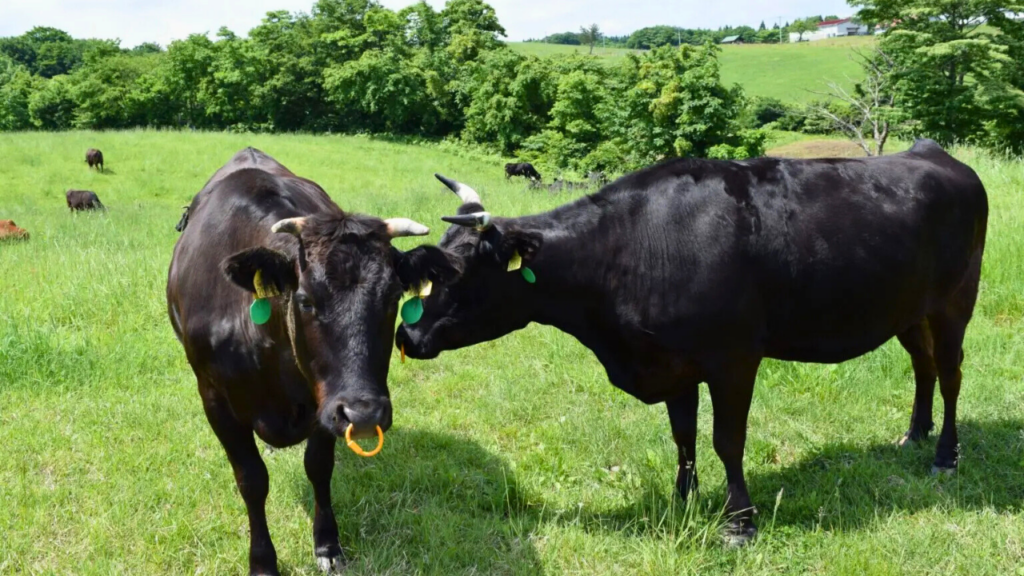
The word Wagyu (和牛) simply means:
Wa (和) = Japanese
Gyu (牛) = Cow / Cattle
So technically, Wagyu just means “Japanese cattle.”
However, in everyday use, people use the word Wagyu to describe specific cattle breeds raised in Japan, famous for their meat quality.
Why Is Wagyu So Famous?
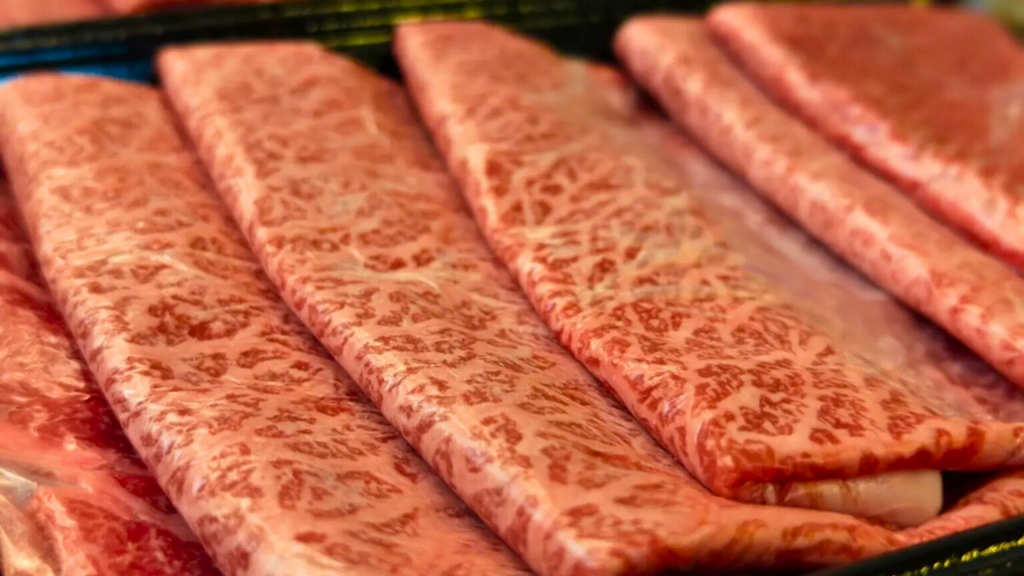
Wagyu is mainly known for its distinctive fat distribution.
1. Marbling (Shimofuri)
Wagyu meat contains fine streaks of fat evenly spread throughout the muscle.
This is called shimofuri in Japanese.
Instead of having fat only around the edges, Wagyu has fat inside the meat itself, which creates:
- A very soft texture
- A melt-in-your-mouth sensation
- A rich, buttery taste
2. Flavor Profile
Wagyu fat has a noticeably different taste compared to regular beef.
It is often described as:
- Slightly sweet
- Rich but clean
- Deeply savory (umami)
Even small portions can feel surprisingly satisfying.
3. Production Philosophy
Wagyu cattle are typically raised under tightly controlled conditions.
While many myths exist (yes, the “daily massage cow” story refuses to die), the reality is more practical:
- Carefully managed diet
- Stress-reduction practices
- Strict grading standards
The focus is consistency and meat quality rather than romance.
Is Wagyu the Same as Kobe Beef?
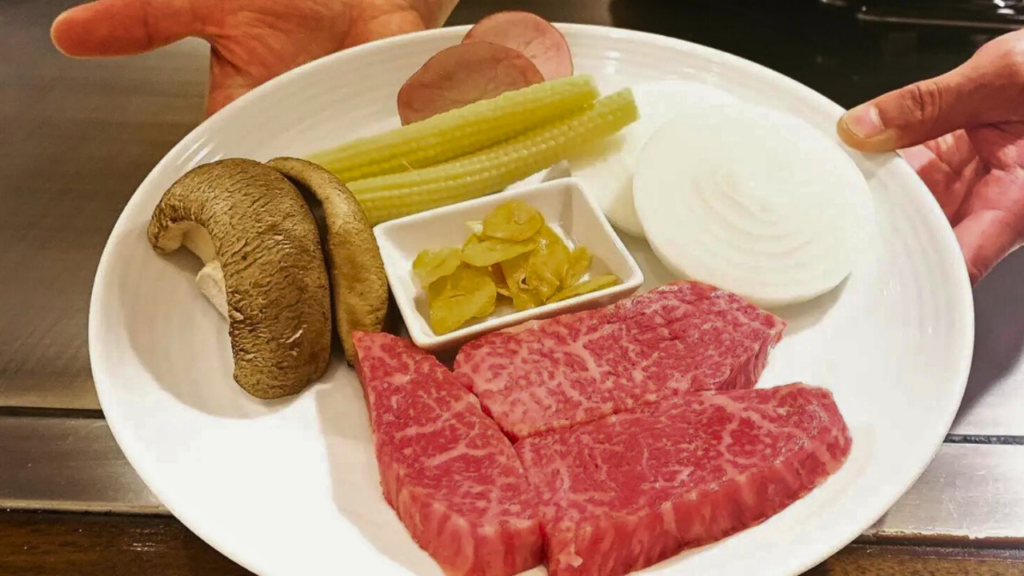
Not exactly.
Kobe Beef is Wagyu, but Wagyu is not always Kobe Beef.
Kobe Beef is a regional brand with very strict certification rules.
To be labeled Kobe Beef, the cattle must:
- Originate from Hyogo Prefecture
- Belong to Tajima cattle lineage
- Meet specific grading criteria
In other words:
All Kobe Beef is Wagyu
Not all Wagyu is Kobe Beef
This distinction often causes confusion outside Japan.
Other Famous Wagyu Brands
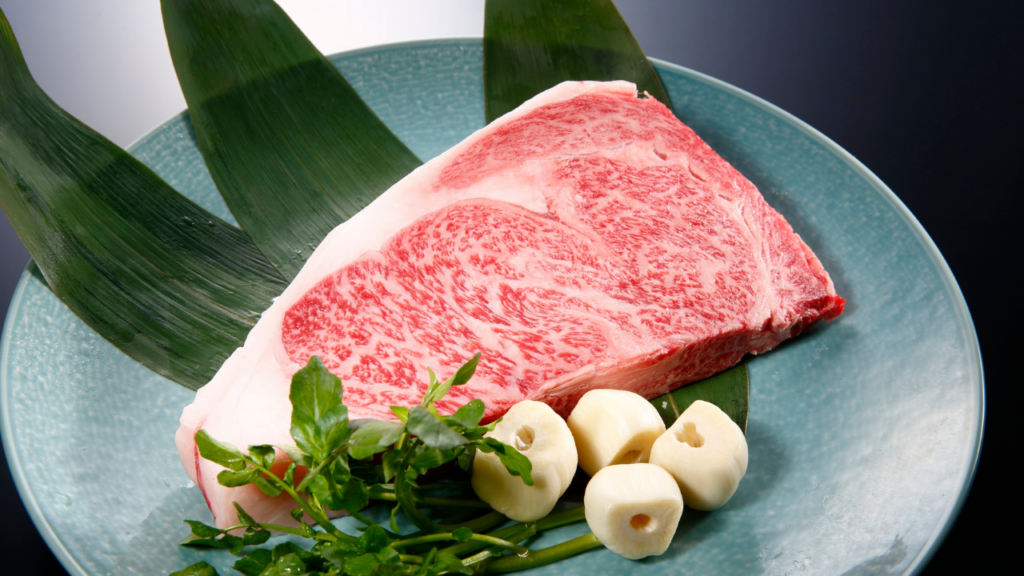
Japan has many regional Wagyu varieties.
They are similar in concept but differ slightly in reputation, fat balance, and flavor nuances.
Well-known examples include:
- Matsusaka Beef (Mie)
- Omi Beef (Shiga)
- Yonezawa Beef (Yamagata)
To most casual diners, the differences are subtle.
To enthusiasts, they are a serious topic of debate.
(Beef discussions can become unexpectedly intense.)
Why Is Wagyu Expensive?
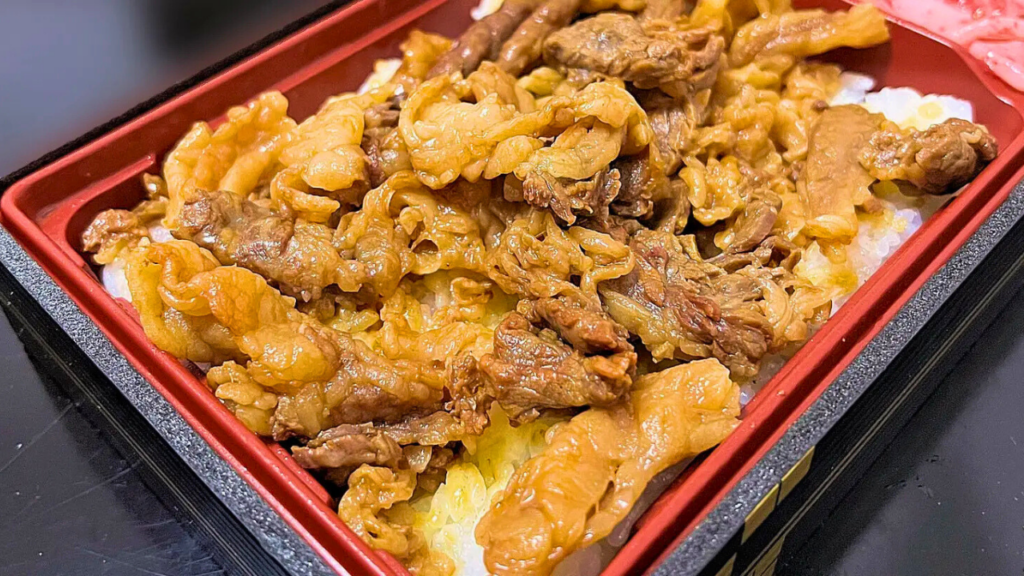
Several factors contribute:
- Limited production volume
- Strict grading systems
- High demand (domestic + international)
- Labor-intensive raising practices
Also, Wagyu is not designed for large, everyday portions.
People typically enjoy it in smaller servings because of its richness.
How Do People Eat Wagyu in Japan?
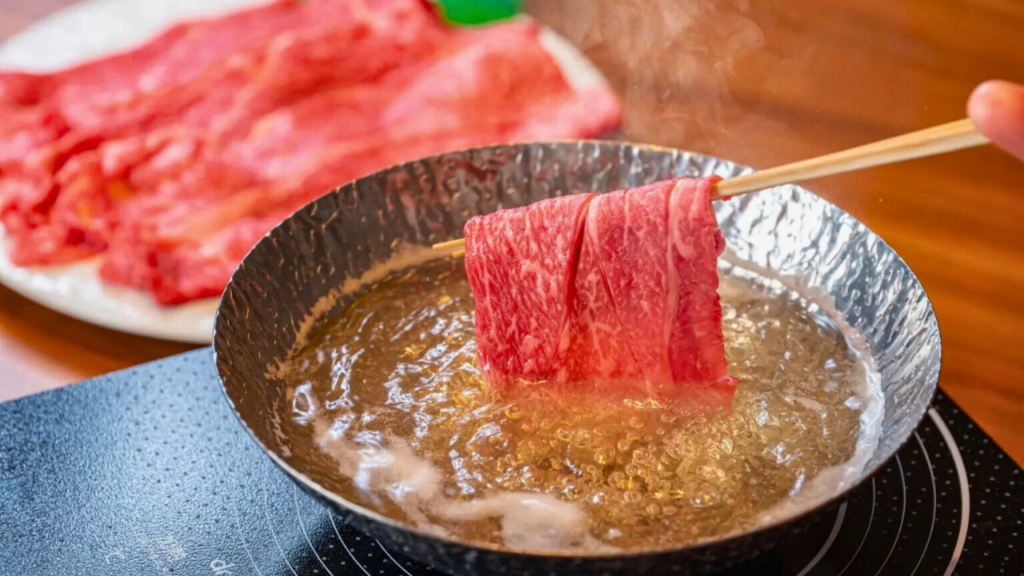
Wagyu is rarely treated as “just a steak.”
It often appears in dishes that highlight its texture and fat quality:
- Yakiniku (grilled slices)
- Sukiyaki
- Shabu-shabu
- Steak (usually smaller cuts)
The experience is usually about balance rather than quantity.
Kobe Beef is a certified regional type of Wagyu.
However, Kobe Beef must meet strict rules on origin and grading.
Therefore, both share similar richness, but quality control feels more precise.
Wagyu costs more because farmers raise cattle under controlled conditions.
Additionally, careful feeding produces dense marbling and softer fat.
As a result, the texture feels smoother and heavier on the tongue.
Yes, Wagyu tastes noticeably richer than regular beef.
For example, the fat melts quickly and feels buttery in the mouth.
Meanwhile, the flavor feels deeper but not greasy.
Wagyu is very rich, so large portions can feel overwhelming.
Additionally, the high fat content creates a heavier mouthfeel.
Therefore, smaller servings feel more balanced and easier to enjoy.