
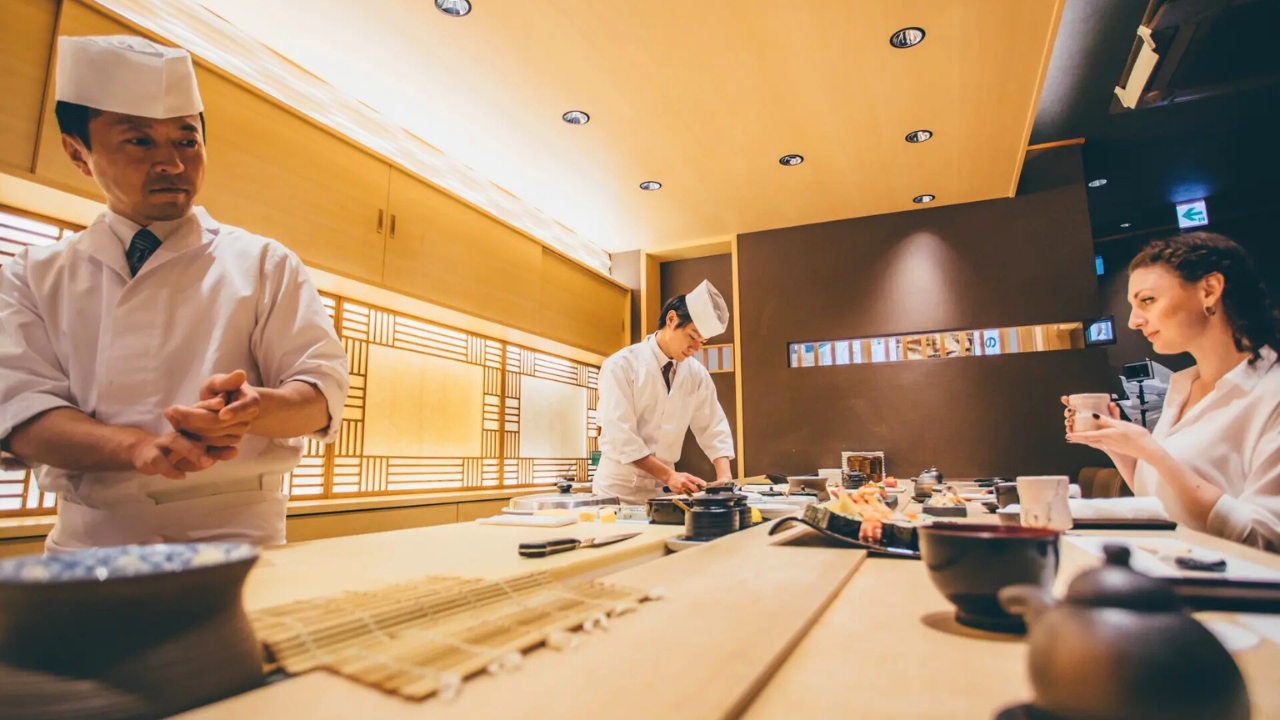
Kyoto’s dining scene is deeply rooted in craftsmanship and seasonality, and its sushi counters reflect that philosophy.
These restaurants are known for refined technique, carefully selected ingredients, and an intimate dining atmosphere.
1. Gion Sushi Nakamura
Gion Sushi Nakamura is often associated with a balance of Edomae technique and Kyoto-style subtlety.
The menu centers on seasonal fish, with particular attention to delicate flavors and precise preparation.
Recommended: Omakase Course
Reservation: Required
▶ Official Website: Gion Sushi Nakamura
2. Roji Tonomoto
Roji Tonomoto offers a quieter, more secluded dining experience. The focus is on traditional nigiri, prepared with restrained seasoning that highlights the natural character of the fish.
Recommended: Kyoto-style Nigiri
Reservation: Required
▶ Official Website: Roji Tonomoto
3. Nijo Kizuki
Nijo Kizuki emphasizes seasonality and pairing. Sushi and small dishes are often complemented by curated sake selections, creating a more layered dining progression.
Recommended: Sushi & Sake Pairing
Reservation: Recommended
▶ Official Website: Nijo Kizuki
4. Kyo Sushi Ookini
Kyo Sushi Ookini is known for its ingredient-driven approach. The emphasis is on freshness, simplicity, and natural flavors, often incorporating locally sourced products.
Recommended: Nigiri Selection
Reservation: Recommended
▶ Official Website: Kyo Sushi Ookini
5. Gion Sushi Yoshi
Gion Sushi Yoshi represents a classic high-end sushi counter. The experience centers on traditional technique, premium fish, and a carefully paced omakase sequence.
Recommended: Omakase Course
Reservation: Required
▶ Official Website: Gion Sushi Yoshi
Characteristics of High-End Sushi Dining in Kyoto
High-end sushi restaurants typically serve omakase courses at a counter. Meals are structured around seasonal availability, with each piece prepared individually by the chef.
Price ranges vary significantly depending on the restaurant, time of day, and course selection.
Summary
Kyoto’s sushi counters emphasize precision, restraint, and ingredient quality rather than spectacle. Each restaurant presents its own interpretation of the same core principles: seasonality, balance, and craftsmanship.
FAQ
Yes. Most high-end sushi counters in Kyoto require reservations because seating is limited and demand remains consistently high.
Kyoto sushi traditionally emphasizes subtle seasoning, preserved elements, and local ingredients. This approach reflects the city’s historical distance from coastal fish markets and its refined culinary culture.
Omakase means “I leave it up to you.” In dining, it describes a chef-selected course where the sushi chef designs the meal based on seasonal availability and ingredient quality.