People often describe bonsai as “a small tree in a pot.”
The phrase sounds simple, but it misses the point.
A bonsai is not a special type of tree, and it does not stay small by nature.
Growers take an ordinary tree and use specific techniques to control its size, shape, and growth over many years.
If someone plants the same tree back into the ground, it will grow into a full-sized tree again.
In Japan, people do not treat bonsai as simple gardening.
They see it as a traditional art form that reflects how they understand nature, time, and living things.
Bonsai Is a Method, Not a Species
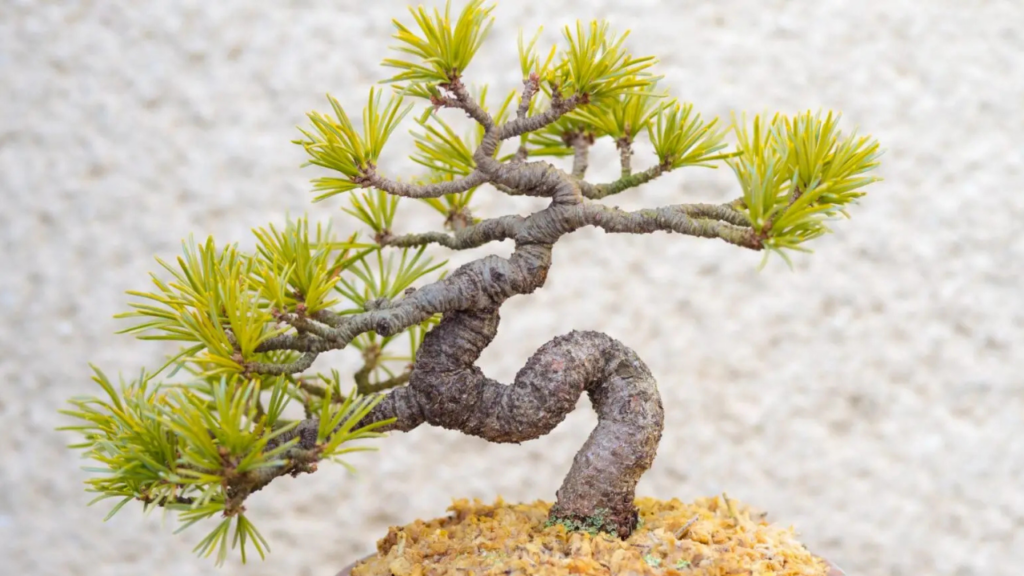
Almost any woody plant can become a bonsai, as long as it can stay healthy in a small container.
The key is how the tree is grown.
Bonsai artists:
- restrict root growth by using shallow pots
- prune branches and leaves
- trim roots regularly
- guide branches with wire
These techniques slow growth without stopping life itself.
The tree remains alive, responsive, and constantly changing.
Because of this, bonsai is never truly finished.
Not Just Decoration
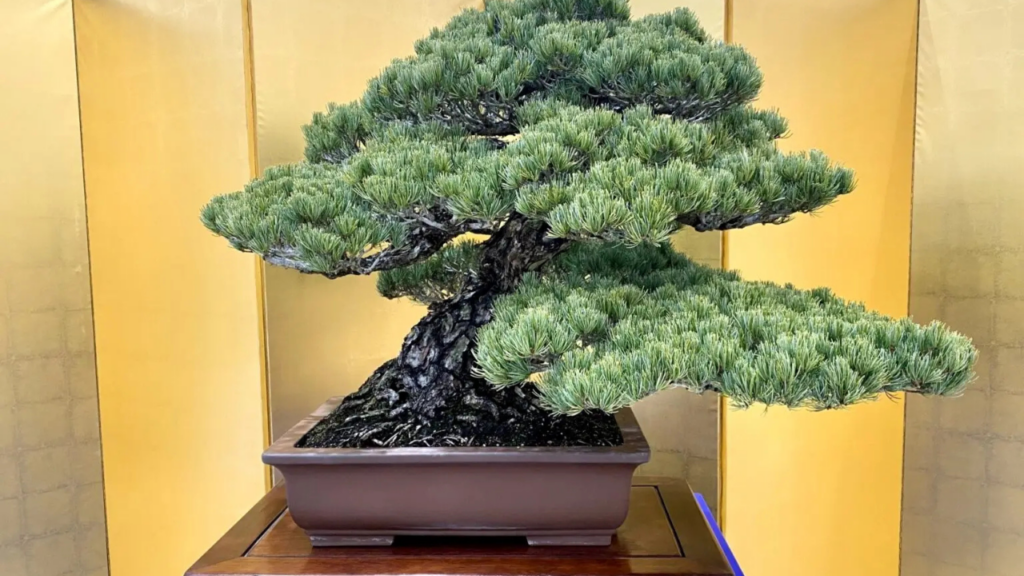
Ordinary potted plants are often grown to show flowers or leaves.
Bonsai aims for something deeper.
A good bonsai expresses:
- age
- survival
- balance
- the feeling of a tree shaped by wind, gravity, and harsh conditions
The goal is not to make a tree look cute or miniature.
The goal is to make it look old.
Many bonsai are designed to resemble trees found on cliffs, mountainsides, or windy ridges—places where growth is slow and survival leaves visible marks.
A Brief History of Bonsai in Japan
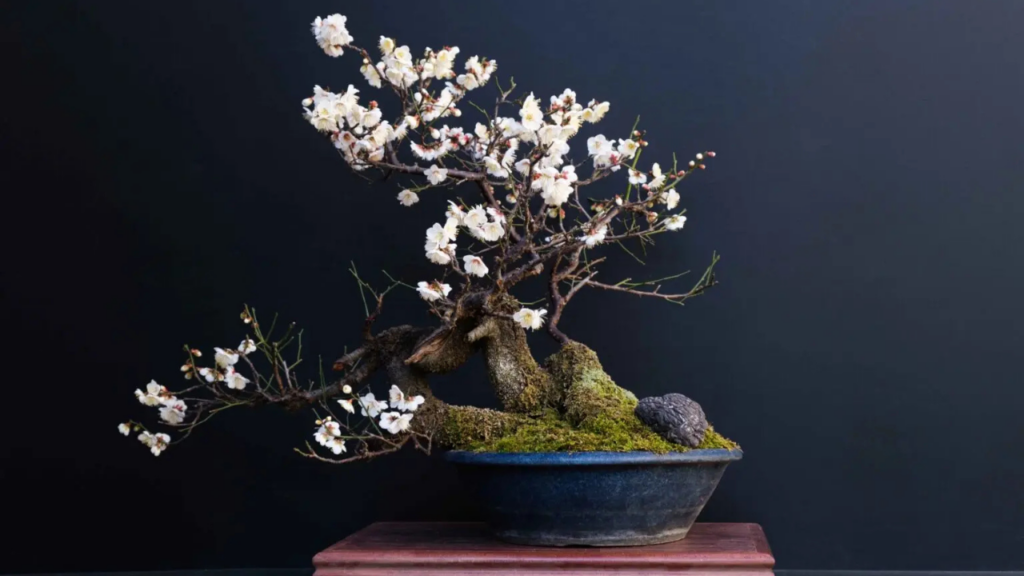
The word bonsai appeared in Japanese writings in the mid-14th century, but the practice itself dates back even further.
Illustrated scrolls from 1309 already depict people growing trees in containers.
At first, nobles and Buddhist monks mainly enjoyed bonsai.
During the Edo period (1603–1867), ordinary people embraced it as a hobby, and its popularity spread widely.
In the Meiji era (1868–1912), people began to appreciate bonsai as fine art.
Artists and scholars organized exhibitions and published books on technique and aesthetics.
From this period onward, bonsai evolved into a highly refined cultural practice.
Why Some Trees Work Better Than Others
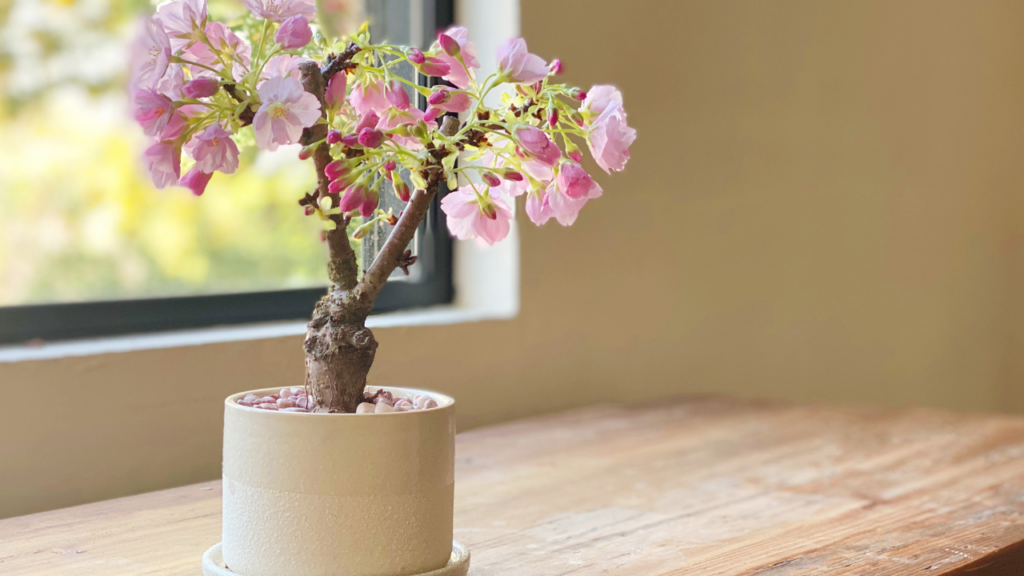
It is often said that “any tree can be a bonsai.”
This is almost true—but not completely.
Some trees have leaves that do not reduce in size, even with careful training.
When the leaves remain too large, the illusion of scale breaks.
The trunk may look ancient, but the foliage gives it away.
That is why bonsai relies on:
- species selection
- long-term training
- visual balance
Bonsai is not about shrinking a tree.
It is about creating a convincing illusion of nature in a small space.
Basic Bonsai Styles
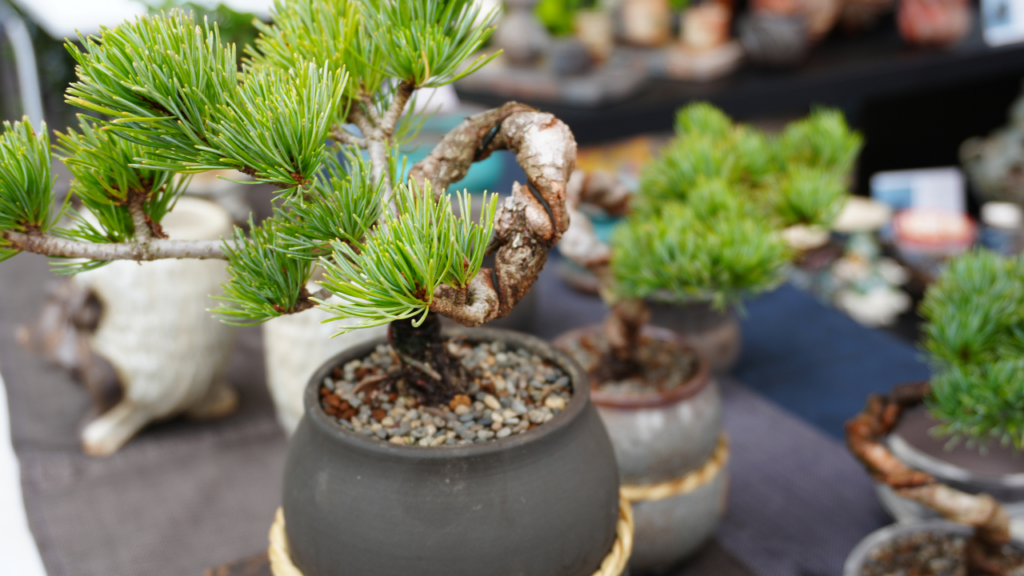
Bonsai styles are inspired by natural environments, not abstract rules.
Common styles include:
- Formal upright: a straight trunk with balanced branches
- Informal upright: gentle curves and movement
- Slanting: shaped by wind or uneven terrain
- Windswept: branches flowing in one direction
- Cascade: growing downward like a tree on a cliff
These styles are guidelines, not strict formulas.
Each tree’s character determines its final form.
The Pot Matters
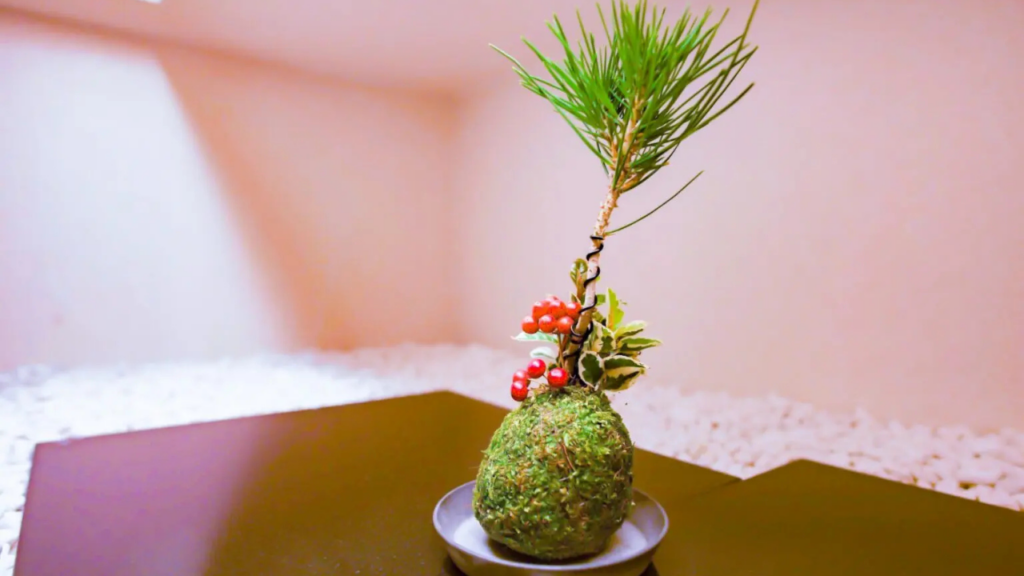
In bonsai, the pot is not a container—it is part of the artwork.
The size, color, texture, and shape of the pot must match the tree.
A poorly chosen pot can weaken the entire composition.
A good one quietly supports the tree without drawing attention to itself.
Like clothing on a person, the pot should fit naturally.
Care, Control, and Respect
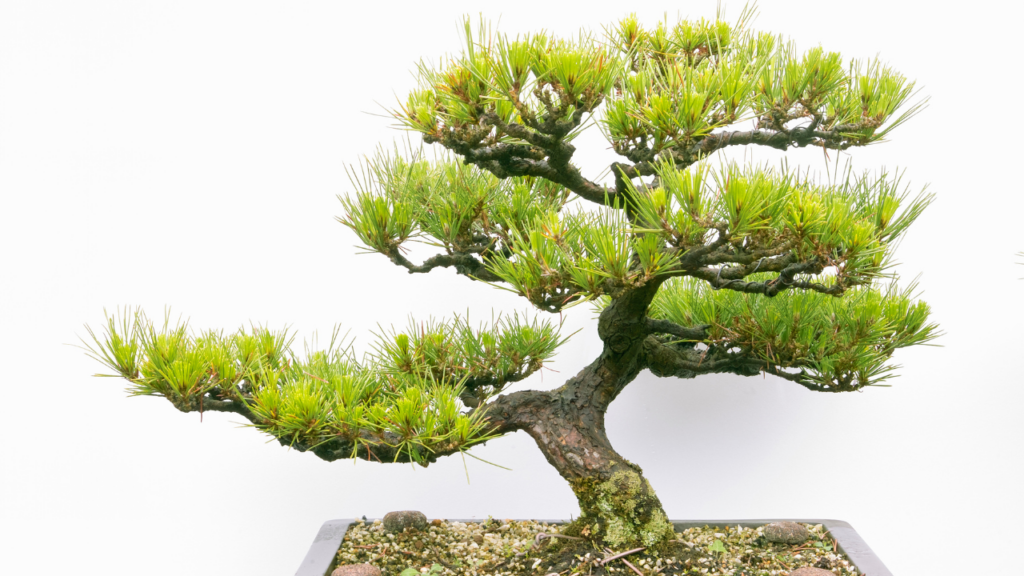
Bonsai care involves pruning, wiring, and root trimming.
To outsiders, this can look harsh.
But these actions are not meant to dominate the tree.
They are necessary for the tree to survive in limited space.
Still, humans never have full control.
The tree grows according to its own biological rules.
Because of this, bonsai requires patience, observation, and humility.
Daily care matters more than dramatic shaping.
An Art Without Completion
No bonsai is ever complete.
As long as the tree is alive, it continues to grow and change.
Maintenance never ends.
For this reason, bonsai is often called
“an art without completion.”
Its value is not found in a final result,
but in the long relationship between people and living trees.
In a small pot, bonsai holds something large:
time, nature, and the quiet discipline of care.
Bonsai literally means “planting in a shallow container.”
For example, the tree grows in a small pot where light feels direct and the soil dries quickly.
Therefore, the word describes the growing method, not a special kind of tree.
The rule of three places main branches to create balance and depth.
For example, growers set branches so the tree does not look flat, and light spreads evenly across the leaves.
As a result, the tree feels stable when you view it from different angles.
Growers keep bonsai small by limiting root space and trimming growth.
Because the pot stays shallow, the soil drains fast and the roots feel restricted.
Therefore, the tree grows slowly but remains healthy.
Bonsai shows age and scale in a small space through long-term care.
When people care for it daily, the space feels quiet and focused, and the eyes adjust to subtle changes in light.
Over time, this slow rhythm reduces fatigue rather than adding work.