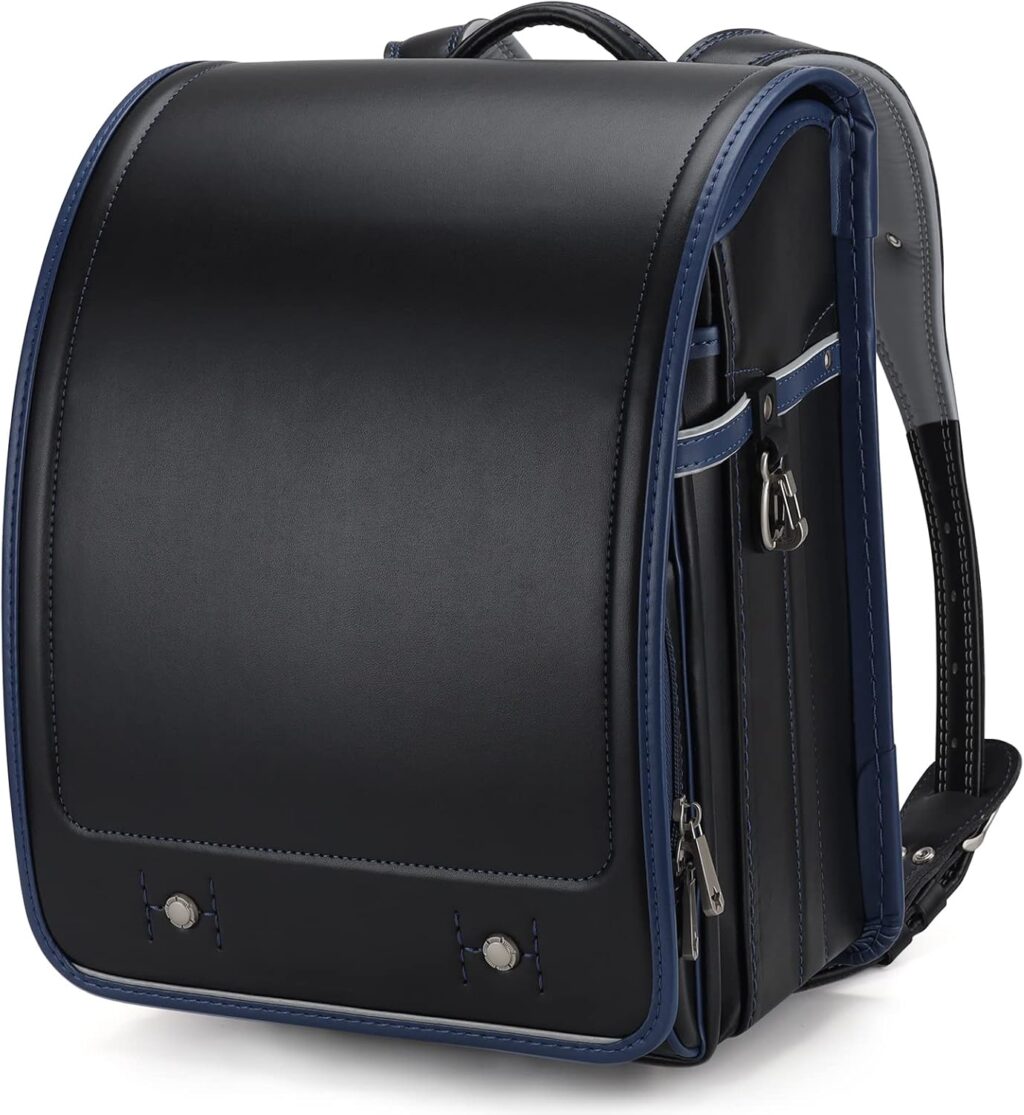
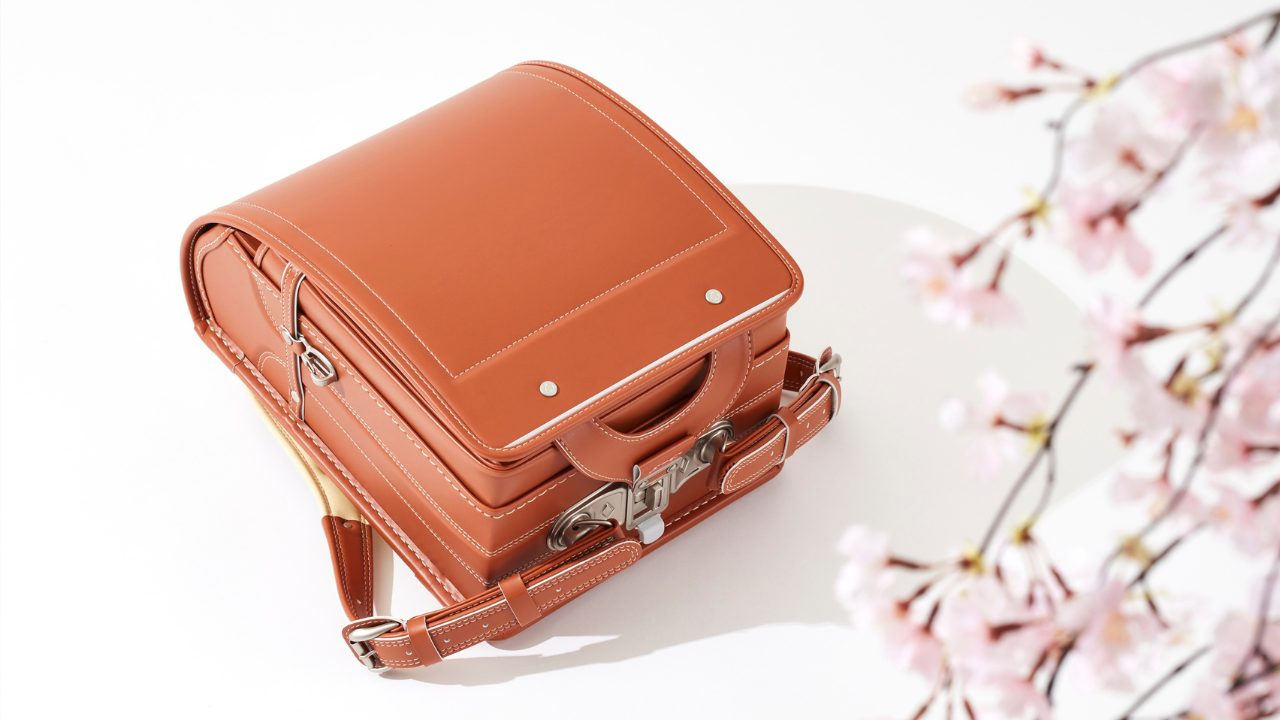
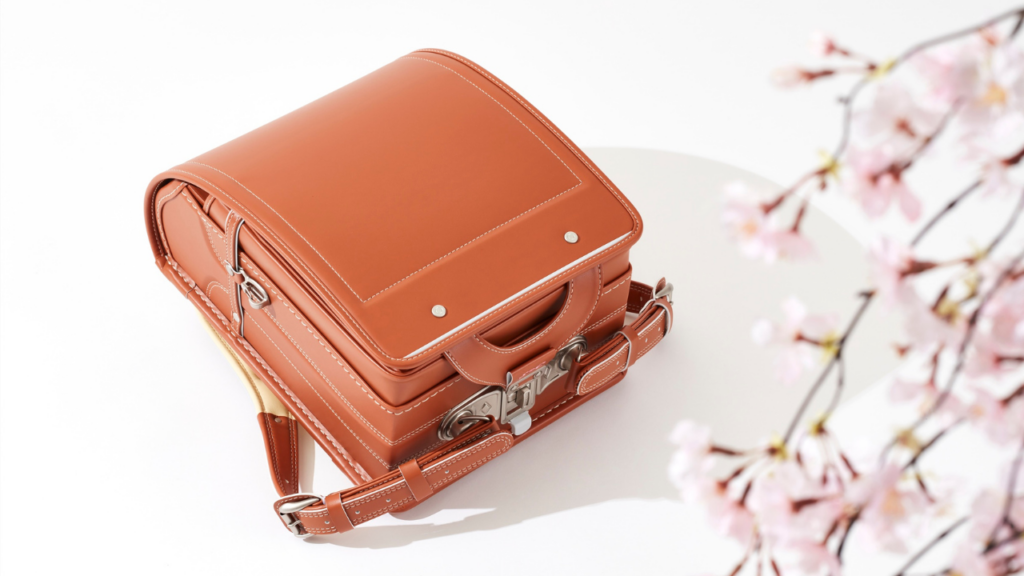
A randoseru is a traditional backpack used by Japanese elementary school students.
Children usually carry the same randoseru every day for all six years of elementary school.
At first glance, it may look like just a school bag.
But in Japan, the randoseru quietly shows how people think about childhood, education, and care.
A School Bag Children Grow Up With
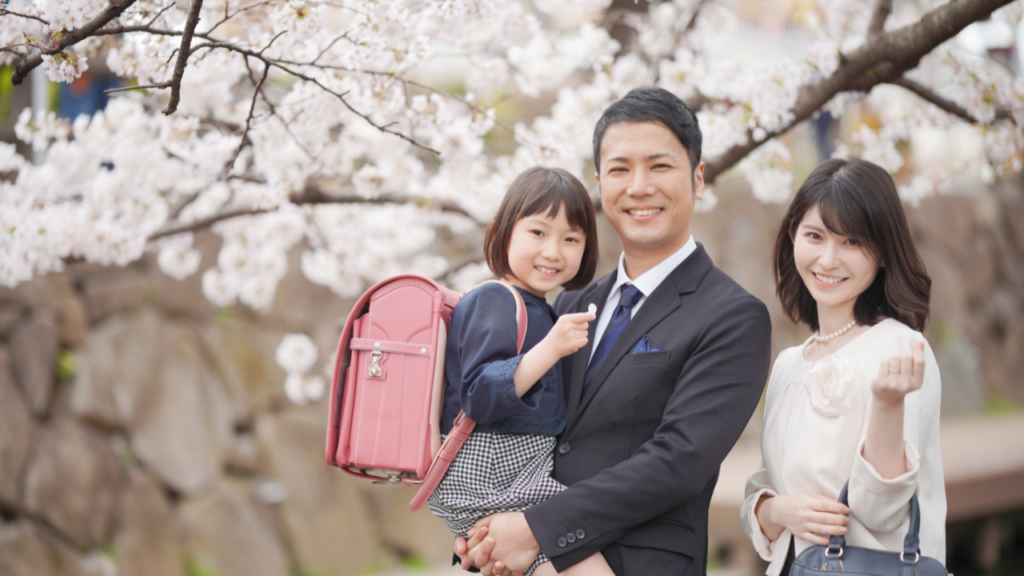
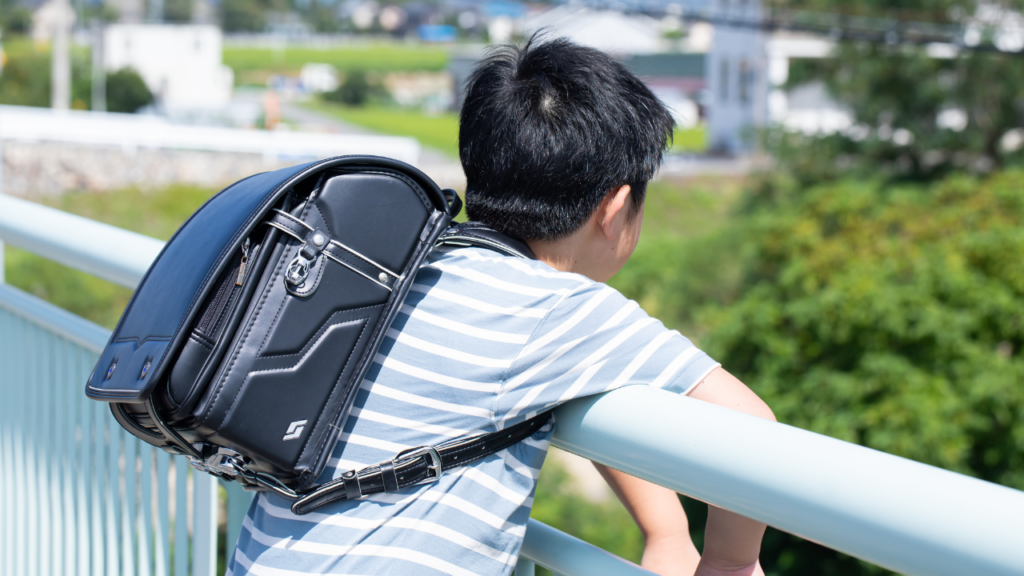
Japanese elementary school students wear a randoseru on their backs when they go to school.
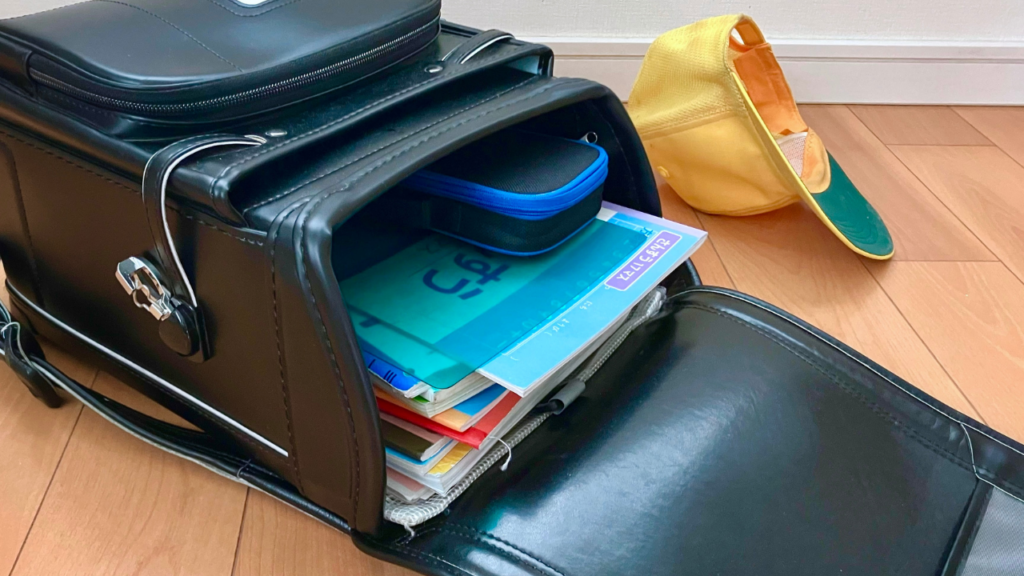
It is firm, box-shaped, and made from leather or strong synthetic materials.
The design is simple and practical:
- It is worn over both shoulders, leaving hands free
- A large flap covers a wide opening
- Books and notebooks fit easily inside
Along with a desk, the randoseru is one of the most important items a child receives when starting school.
For many children, grandparents buy the randoseru as a gift.
On the first day of school, shiny new backpacks are a common sight.
Where the Randoseru Came From
The history of the randoseru goes back to the late 19th century.
At that time, Japan began adopting Western military systems.
Soldiers used square backpacks called “ransel,” a Dutch word.
In Japanese, this word slowly changed into randoseru.
In 1885, one elite elementary school adopted this military-style bag so students could carry books properly.
Early versions were made from canvas, but leather soon became popular.
Over time, the randoseru spread beyond a few schools.
By the 1960s, as Japan became more prosperous, it became the standard school bag across the country.
Built to Last Six Years
A randoseru is not designed to be replaced every year.
It uses stiff, durable materials that keep their shape.
This structure protects books and notebooks inside, even if the bag is dropped.
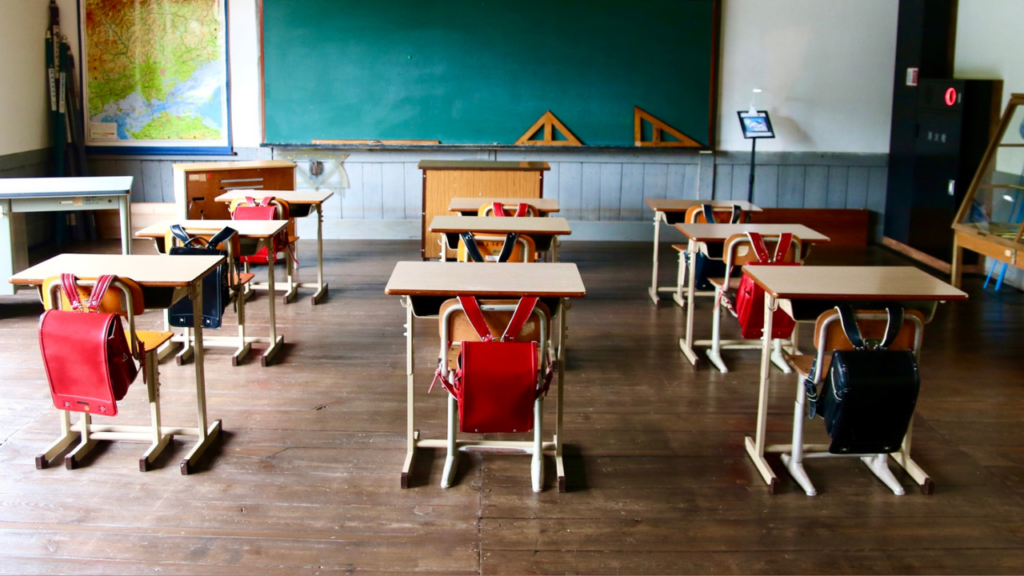
Designers also focus on comfort.
The backpack spreads weight evenly across the child’s back and shoulders.
As children grow taller, the fit still works.
Some randoseru even include safety features such as water resistance.
In rare emergency situations, certain designs can help a child float.
From Black and Red to Many Colors
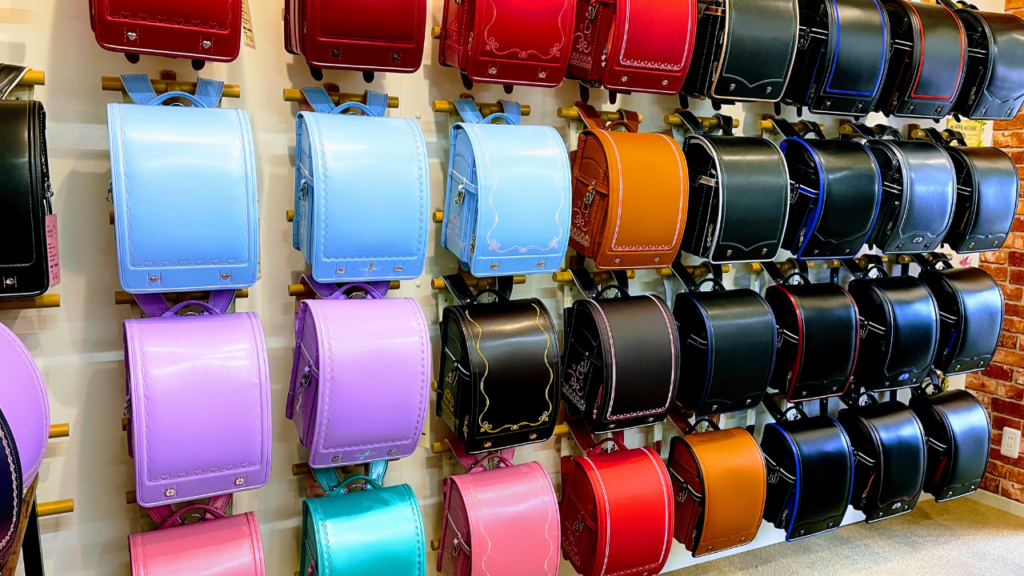
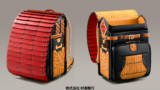
In the past, most boys carried black randoseru and girls carried red ones.
Other colors existed, but children often avoided them because they wanted to match their friends.
In recent years, this has changed.
Children now choose colors they personally like.
Manufacturers offer many options, including soft tones and two-color designs.
Some brands even sell randoseru in over 20 different colors.
The bags have also changed in size and weight.
As textbooks became larger in the 1990s, randoseru grew too.
At the same time, modern materials made them lighter than before.
More Than a Backpack
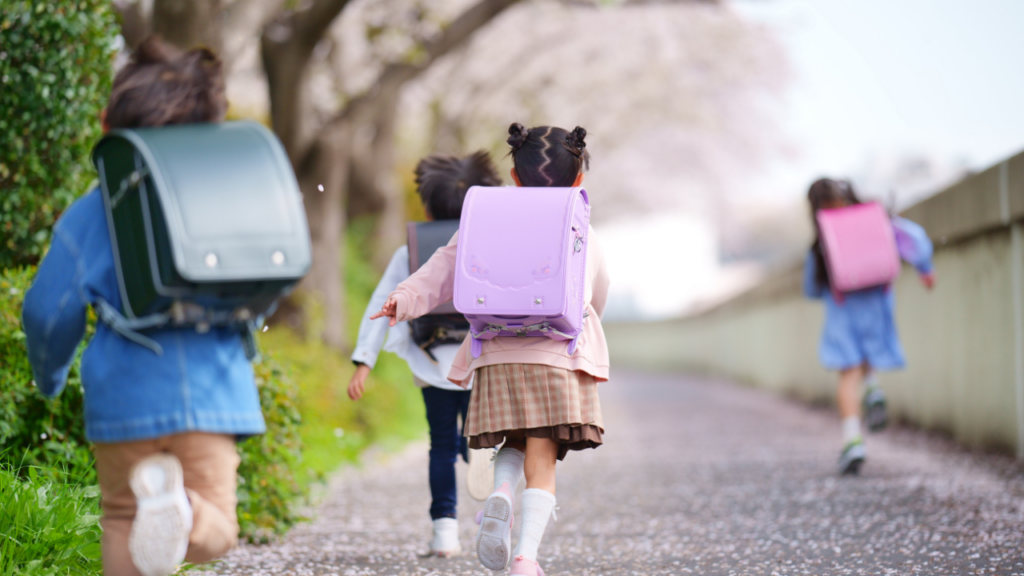
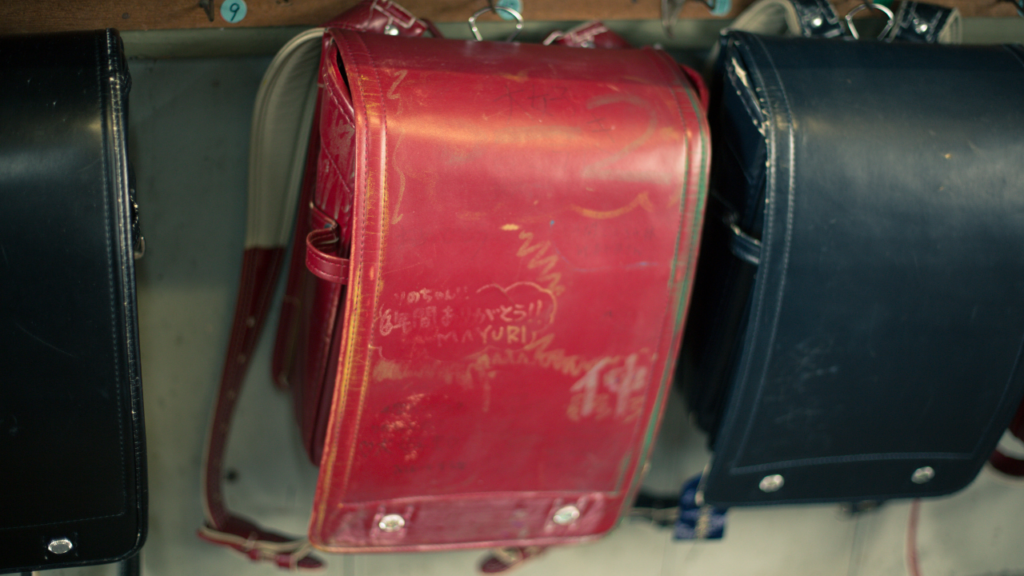
For many Japanese people, a randoseru is full of memories.
It reminds them of:
- walking to school every day
- scratches and stickers on the leather
- charms tied on for good luck
Some people keep their old randoseru even as adults.
Others turn them into mini randoseru, small decorative items made from the original bag.
In this way, the randoseru becomes more than a tool for carrying books.
It becomes a quiet companion from childhood.
A Simple Bag That Explains Japan
The randoseru is strong, heavy, and not very fashionable by global standards.
Yet Japan continues to value it.
That choice says something important.
The randoseru reflects ideas of:
- long-term thinking
- care for children
- respect for everyday objects
It may look simple,
but it carries six years of daily life on a child’s back.
In that sense,
the randoseru explains Japan better than many words can.