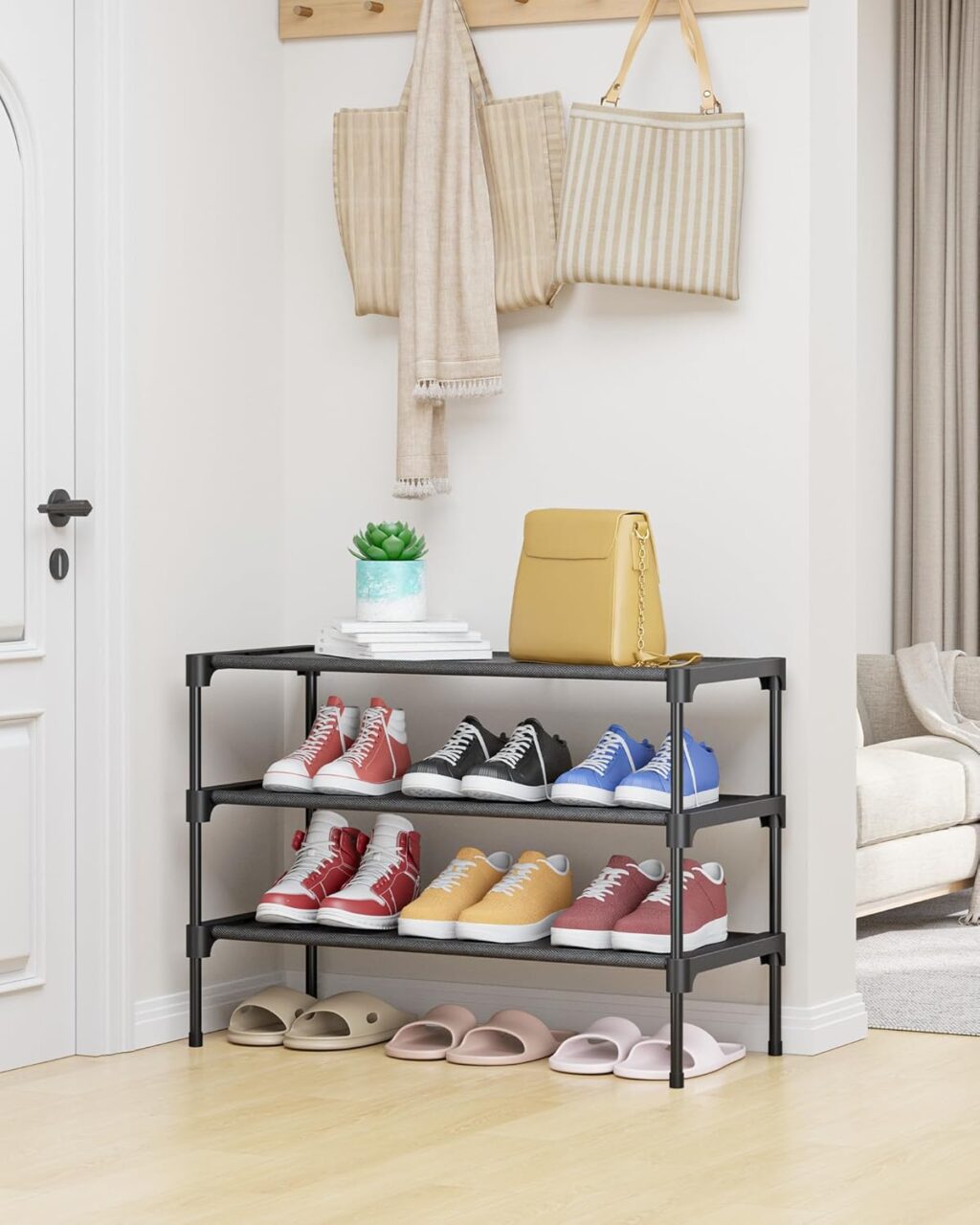
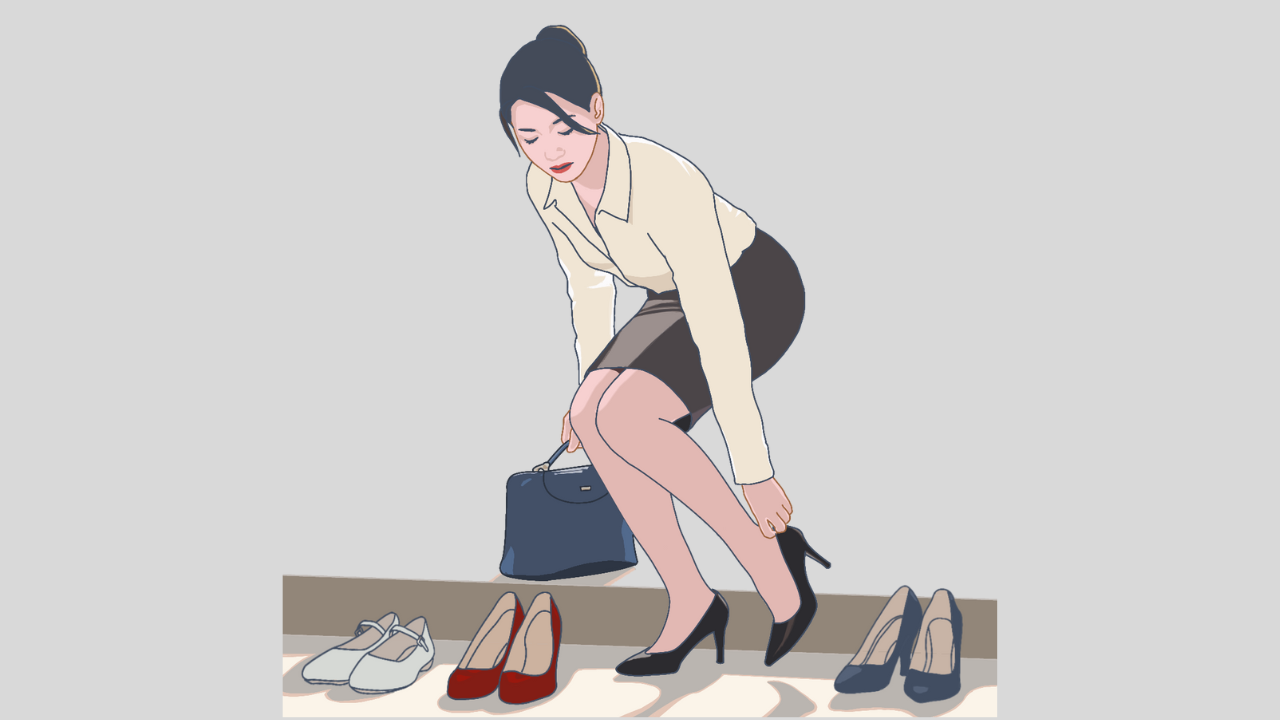
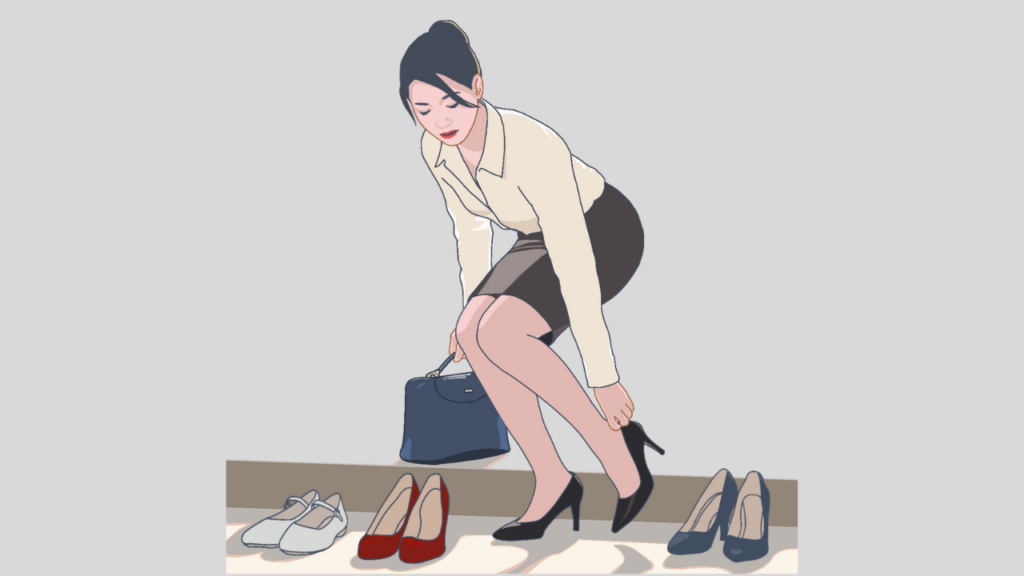
In Japan, people usually remove their shoes at the entrance before entering a home, a ryokan, or some traditional buildings. This rule comes from daily life habits and hygiene awareness, and it continues as a common cultural practice today.
To keep the inside clean
People walk outdoors with shoes, and shoes carry sand, dust, and dirt. Therefore, many households remove shoes at the entrance to keep floors clean and comfortable. In contrast, entering with shoes makes cleaning harder.
Because people sit and live close to the floor
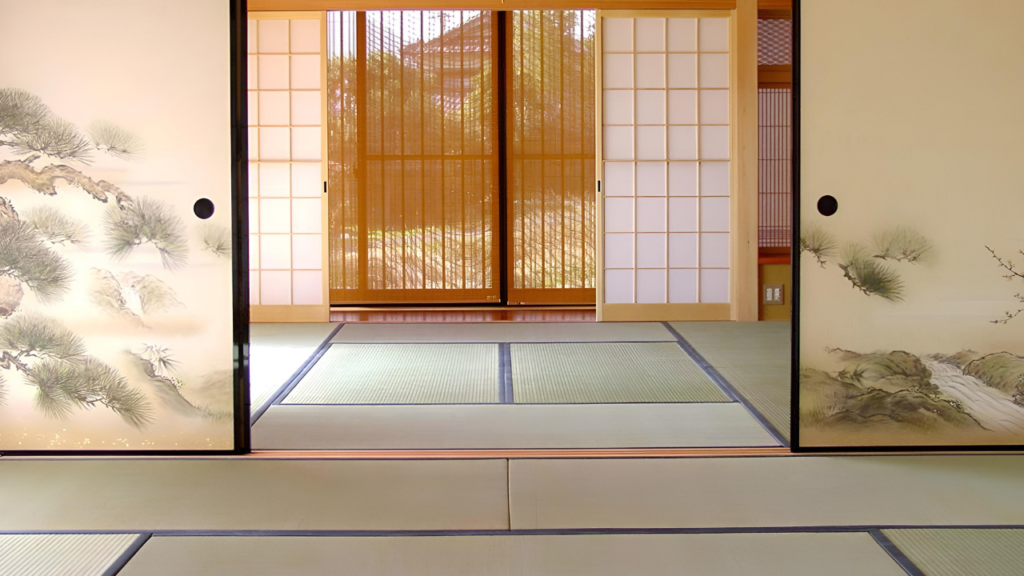
Traditional Japanese houses use tatami rooms, and people often sit or lie on the floor. As a result, clean flooring is important, and removing shoes helps protect the space people touch directly.
Because the entrance marks the border between “outside” and “inside”
The entrance works as a symbolic boundary. People remove shoes there, and they leave outdoor dirt behind. Consequently, the living area remains separate from the outside environment.
The role of indoor slippers
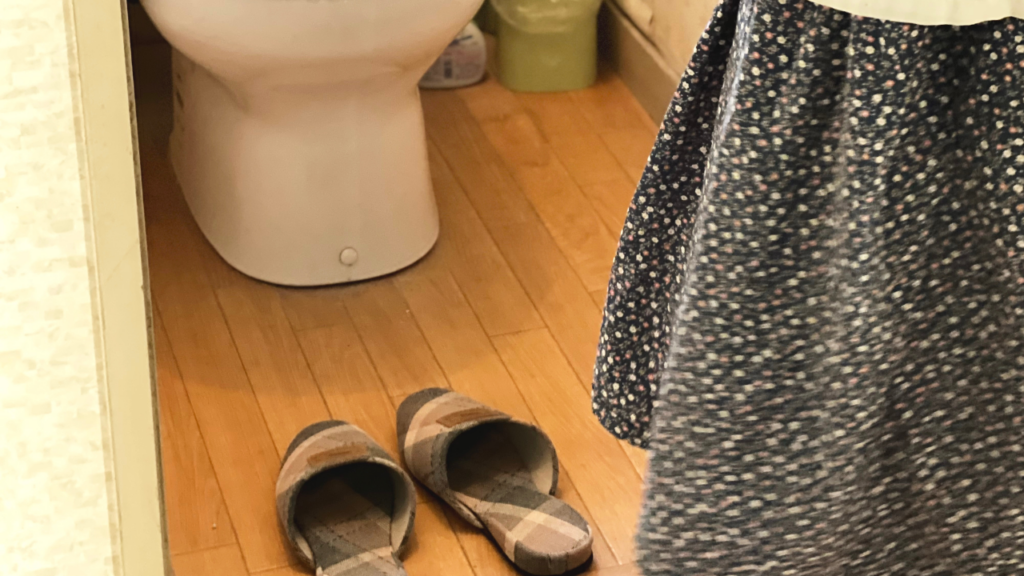
After removing shoes, people sometimes wear slippers indoors. However, tatami rooms do not use slippers, while bathrooms and toilets may have separate ones. This system helps organize hygiene by area.
Practical tips for travelers
- When you see slippers or a shoe rack at the entrance, remove your shoes.
- If you are unsure, ask: “Should I take off my shoes?”
- Always follow the rules of each home or accommodation.
FAQ
No. Most homes and some traditional places require it, however many offices, malls, and hotels allow shoes.
Usually no. However, remove your shoes if the place has tatami seating or shoes-off signs.
No. It is considered polite, and people appreciate that you confirm before entering.