
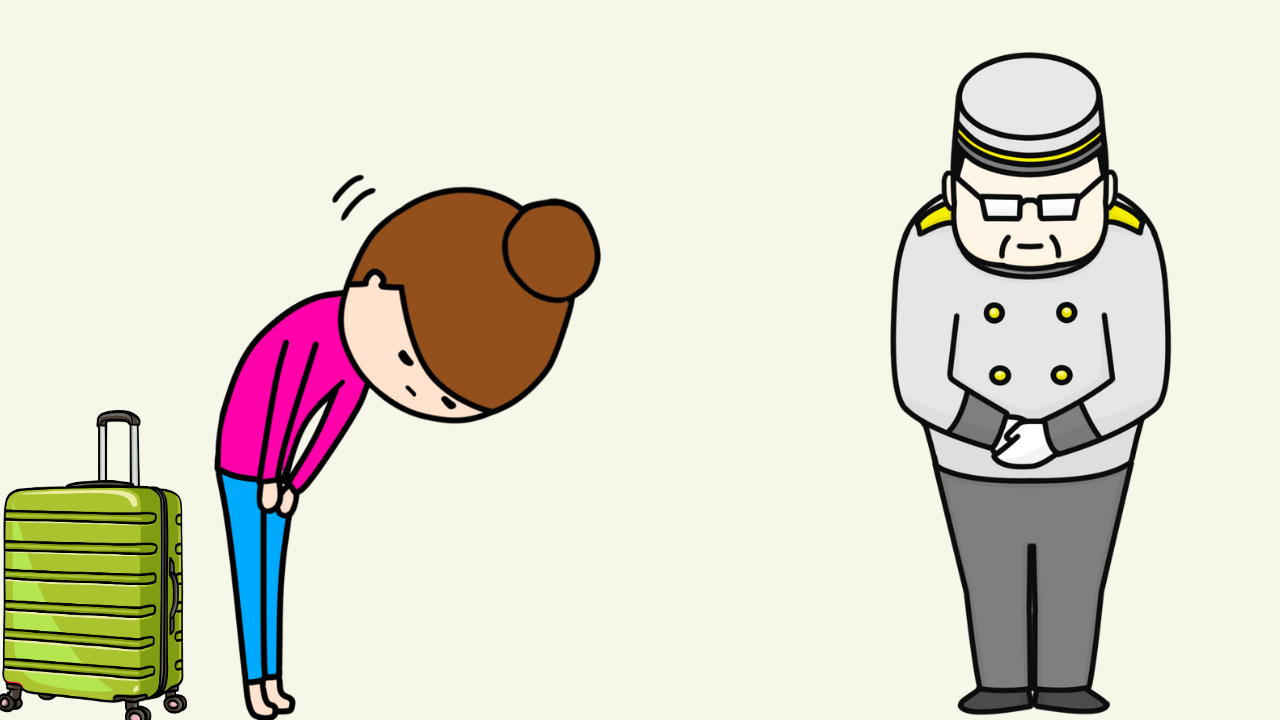
— Everyday situations where “sumimasen” is used
Many travelers notice one thing soon after arriving in Japan.
People say “sumimasen” (sorry / excuse me) very often in daily life.
People use it when:
- they lightly bump into someone
- they call a staff member
- they receive something
- they ask a question or request help
Sometimes people say “sumimasen” even in situations where “thank you” might be expected.
This article explains why apologizing is common in Japan and how the phrase works in everyday communication.
Apologies as a way to maintain good relationships
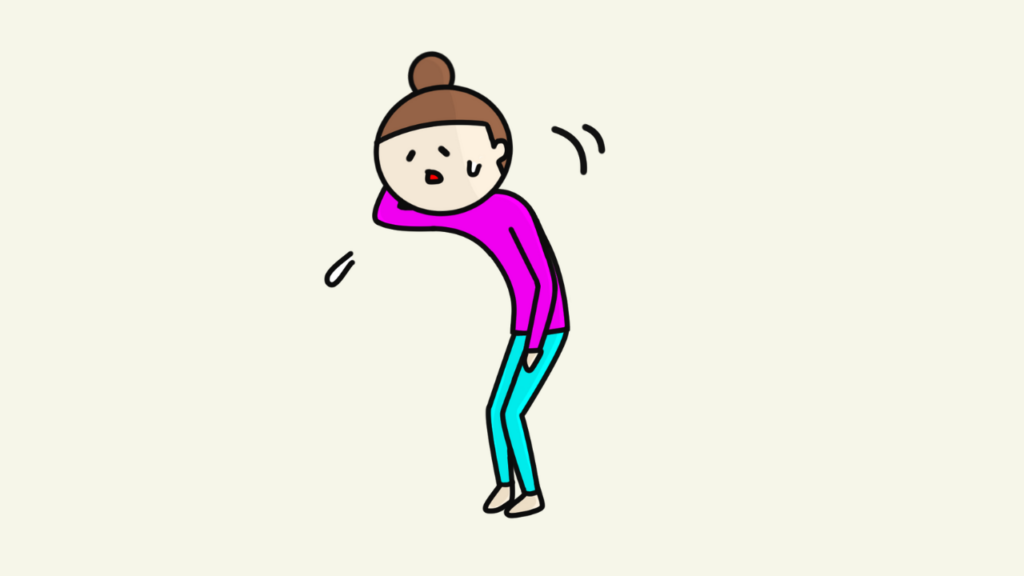
In Japanese, “sumimasen” does not always mean “I did something wrong.”
It often works as a polite cushion word.
Depending on the situation, it can mean:
- thank you
- excuse me
- please
Therefore, apologizing is not only about fault.
It also signals respect and care toward the other person.
Responding to situations where trouble “might” have occurred
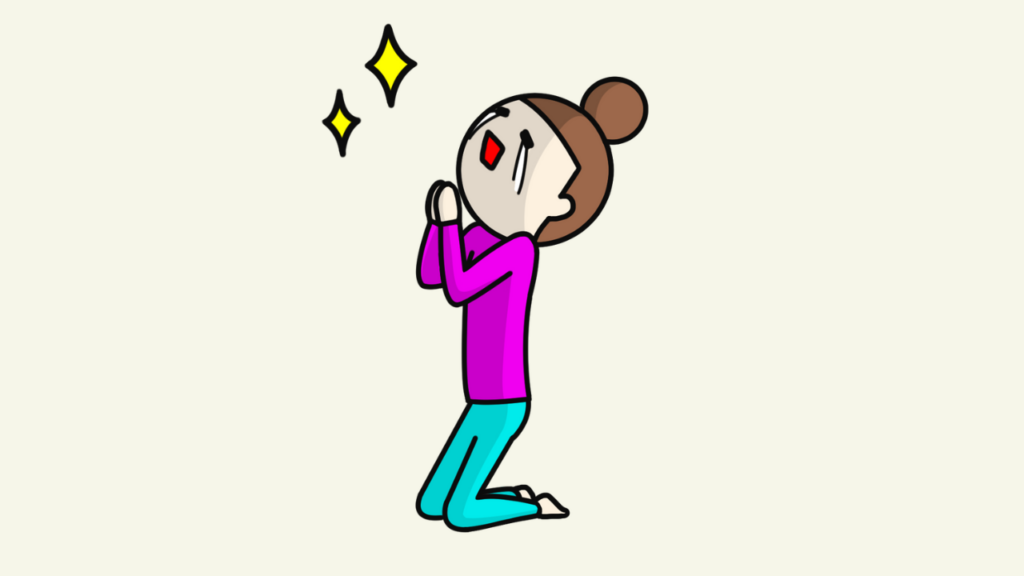
In Japan, people often react to situations where they may have caused even a small burden to someone else.
For example:
- they might have blocked someone’s way
- they might have taken a little of someone’s time
- they share the same space and want to show awareness
Because of this sensitivity, people use light apologies in many everyday moments.
Reducing conflict and calming situations
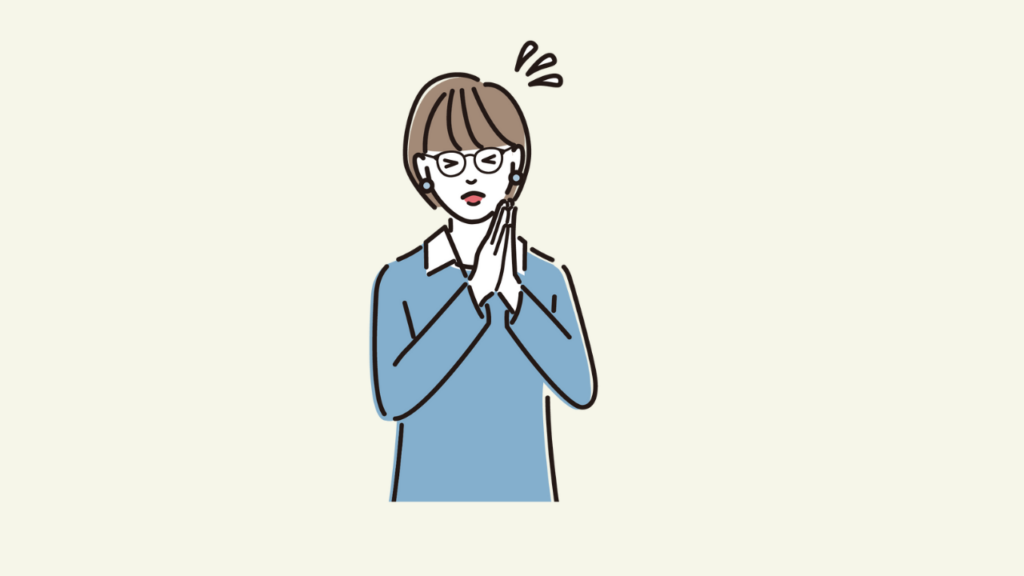
When problems happen, people often focus on calming the situation instead of arguing about who is right or wrong.
Saying “sumimasen” helps to:
- lower emotional tension
- avoid confrontation
- continue the situation smoothly
Therefore, apologizing works as a social tool to reduce conflict.
When “thank you” and “sorry” overlap
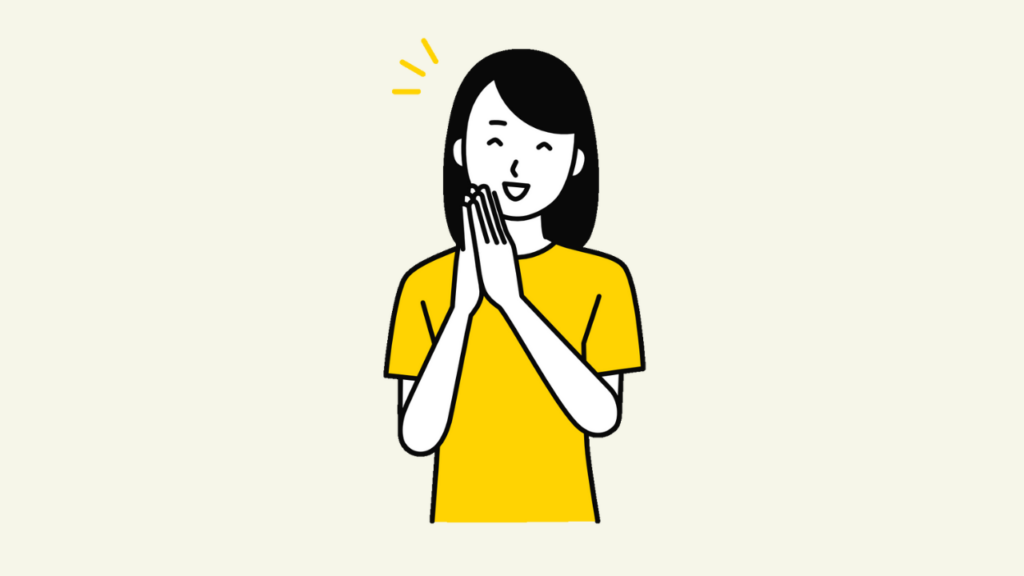
In daily conversation, “sumimasen” sometimes carries a meaning close to gratitude.
Examples:
- when someone gives up a seat
- when someone holds a door
- when someone offers help
In these cases, “sumimasen” can mean:
- thank you for your kindness
- sorry for taking your time
It expresses gratitude and consideration at the same time.
Apologizing is not always necessary

Apologizing does not apply to every situation.
When:
- the other person is clearly at fault
- a request is unreasonable
- responsibility is handled through explanation
People may choose explanation or clarification instead of apology.
The important point is the intention to keep communication smooth.
Practical tips for travelers
Useful phrases in everyday situations:
- light contact → “Sumimasen”
- before asking for directions → “Sumimasen”
- when calling staff → “Sumimasen”
- when adding thanks → “Sumimasen, thank you”
Using this phrase helps communication feel polite and comfortable.
Summary
Apologizing is common in Japan because it reflects:
- care for others
- language used to maintain good relationships
- a way to reduce conflict in shared spaces
- expressions that mix apology and gratitude
Inside a single word like “sumimasen,” there is a small act of respect for the other person.
FAQ
They are similar, but the nuance is different. “Gomennasai” is a stronger apology, while “sumimasen” can also show request or appreciation.
Yes. In Japan, people commonly use “sumimasen” as a polite way to call staff.
No. When there is no mistake, it may be better to use explanation or gratitude instead of apology.