Meiji Jingu Shrine is one of Tokyo’s most famous Shinto shrines.
It is dedicated to Emperor Meiji and Empress Shoken.
Although it sits near busy areas like Harajuku and Shibuya, the shrine is surrounded by a large forest with more than 100,000 trees. Walking through this quiet space feels very different from the crowded city outside.
Because of its history and natural setting, Meiji Jingu is one of the most visited shrines in Japan.
History of Meiji Jingu Shrine
Meiji Jingu was completed in 1920 to honor Emperor Meiji and Empress Shoken.
Emperor Meiji played an important role in Japan’s modernization during the Meiji era.
The shrine was destroyed during World War II, but it was rebuilt in 1958. Today it remains an important cultural and religious site in Tokyo.
Highlights of Meiji Jingu Shrine
Torii Gates
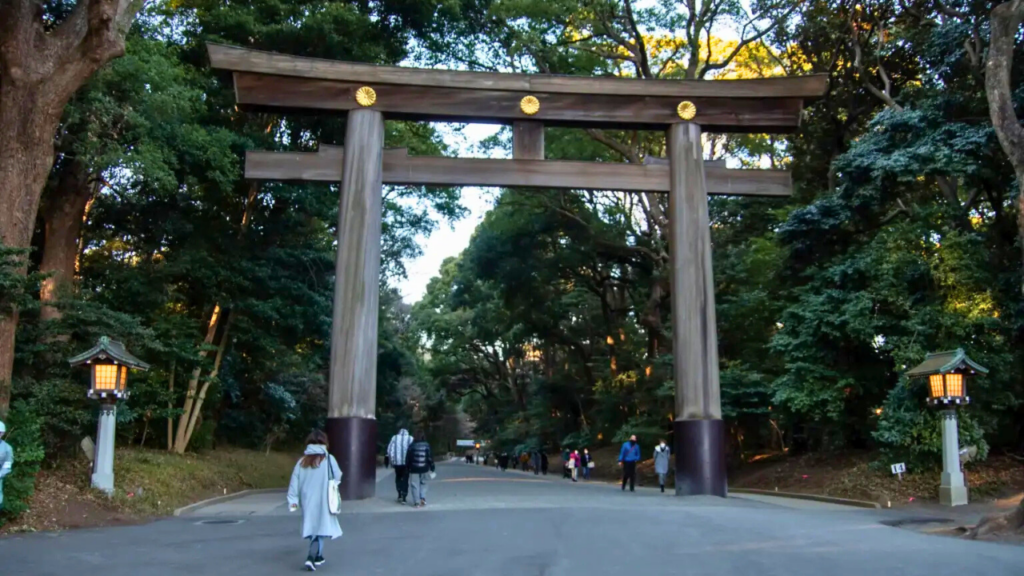
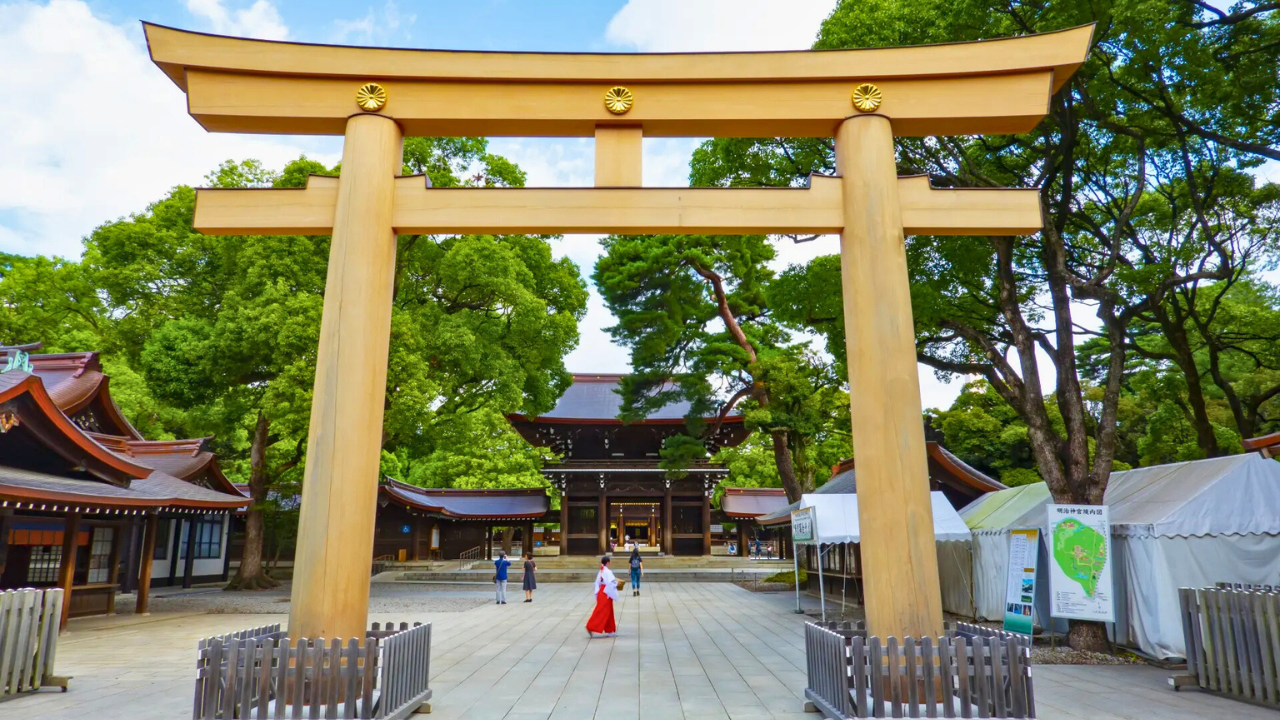
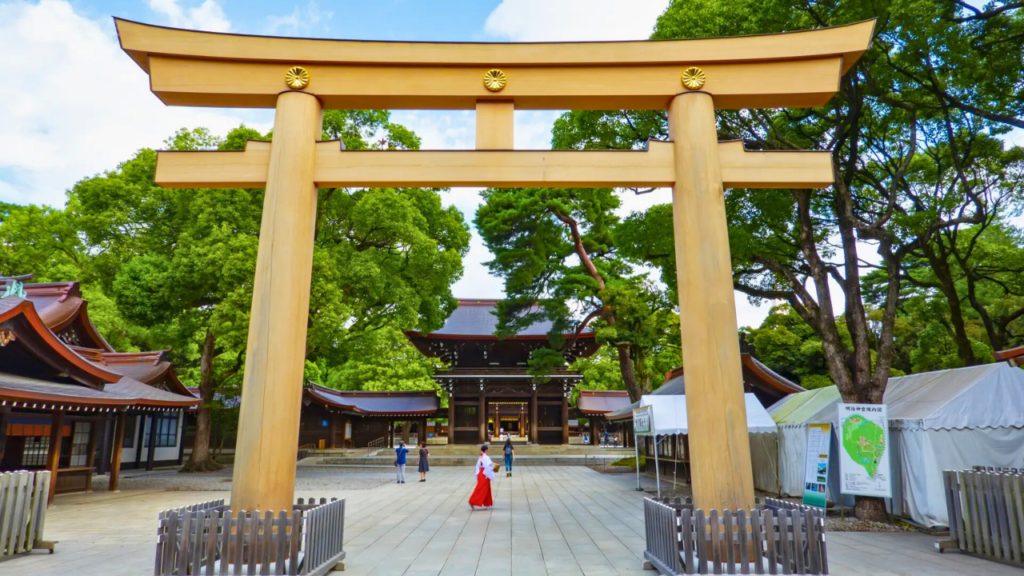
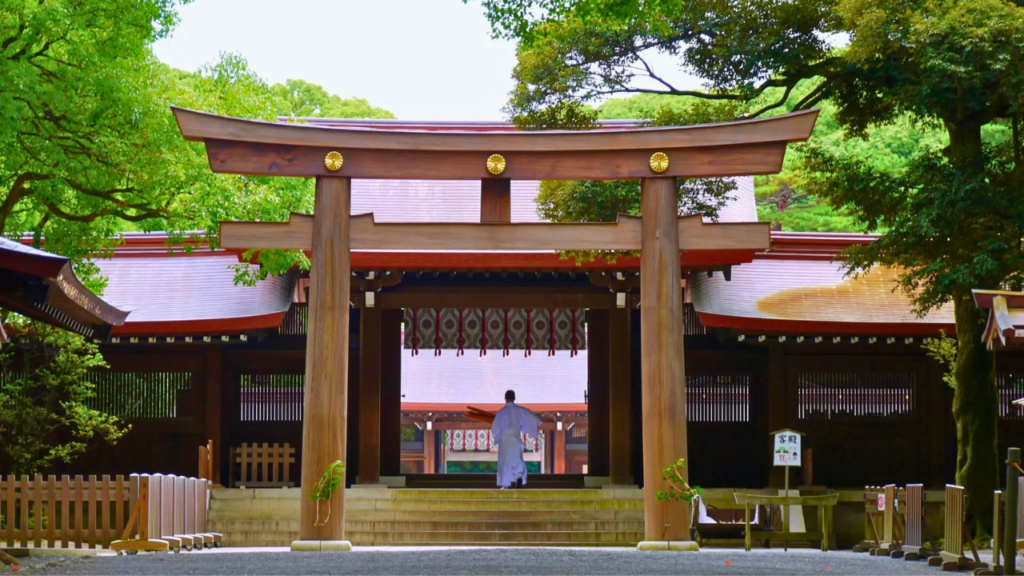
Large wooden torii gates mark the entrance to the shrine grounds.
Passing through a torii gate symbolizes entering a sacred space. The gates are made from large cypress trees and create an impressive first impression.
Main Shrine Building
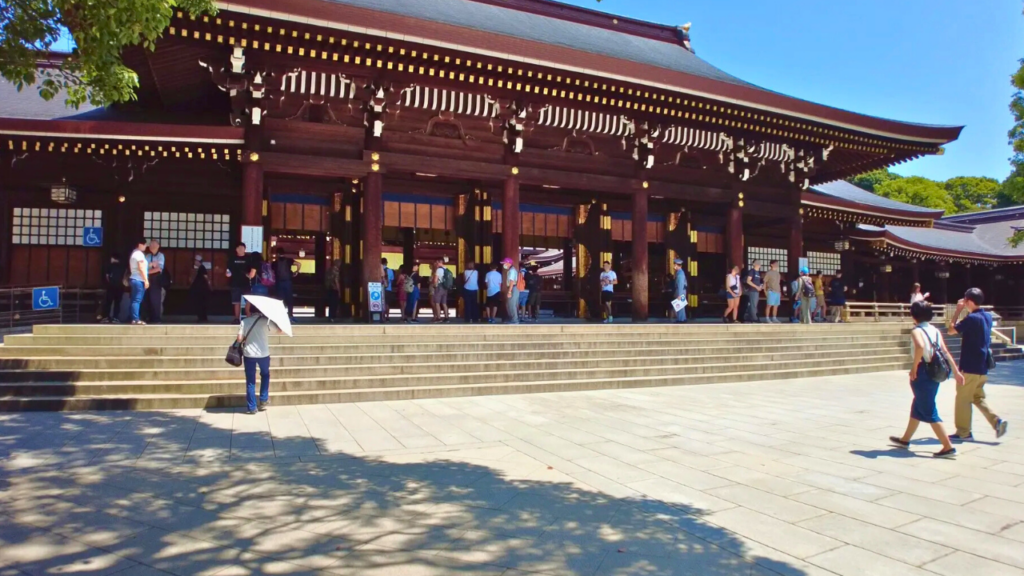
The main shrine hall (honden) follows traditional Shinto architecture.
Visitors come here to:
- Make offerings
- Pray
- Observe traditional ceremonies
Meiji Jingu Inner Garden
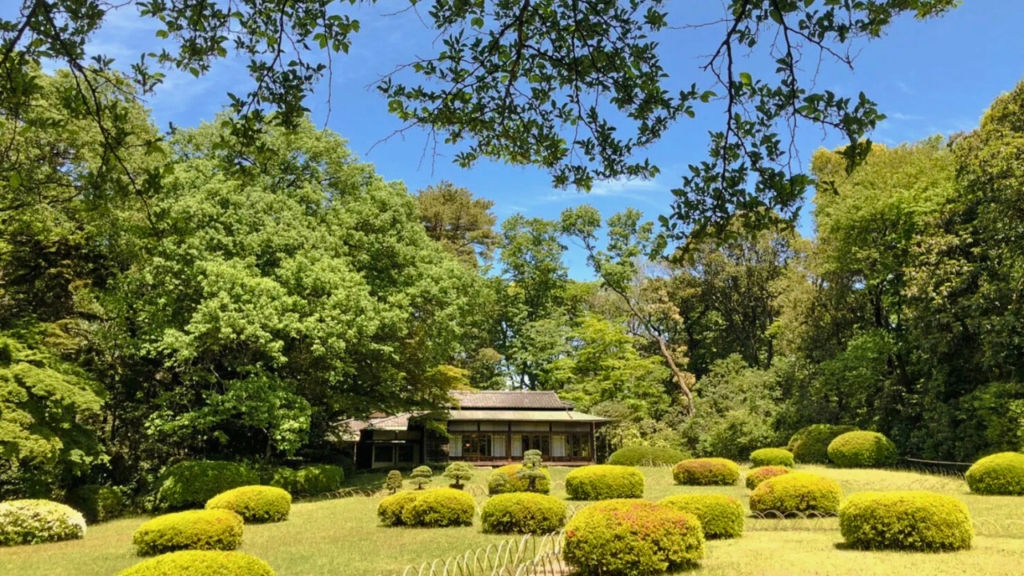
The Inner Garden is a quiet and scenic area inside the shrine grounds.
It is known for its seasonal plants and flowers. The iris garden is especially popular in June.
Sake Barrels
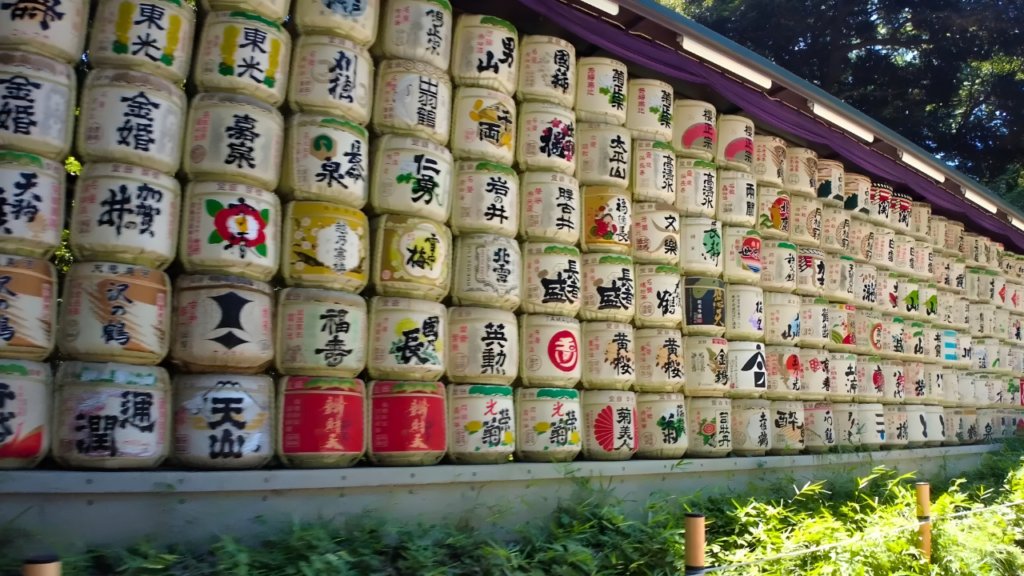
Near the shrine path you will see rows of decorative sake barrels.
These barrels are donated by sake breweries from across Japan as offerings to the shrine.
Kiyomasa’s Well
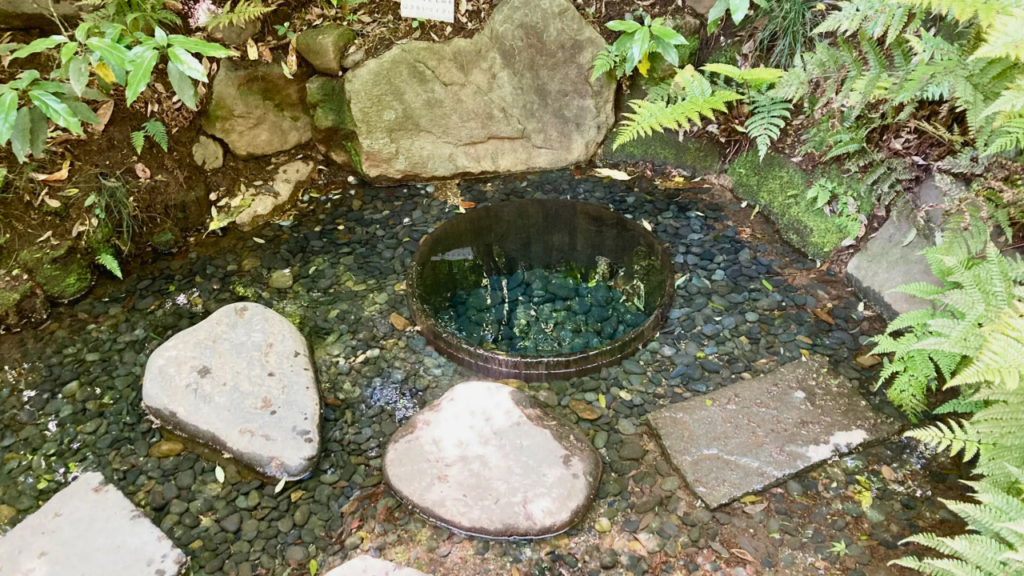
Kiyomasa’s Well is often called a spiritual “power spot.”
Many visitors believe the well brings good luck and positive energy, so it can be crowded during busy seasons.
Events and Traditions
Several traditional events take place at Meiji Jingu during the year.
Hatsumode (New Year’s Visit)
Millions of people visit the shrine at the start of the year to pray for good fortune.
Autumn Festival
Traditional music and cultural performances are held during this event.
Shinto Weddings
Visitors may also see wedding ceremonies with couples wearing traditional clothing.
Visitor Information
Best time to visit
Early morning or late afternoon is usually quieter.
Access
- JR Yamanote Line: Harajuku Station
- Tokyo Metro: Meiji-Jingumae Station
Admission
- Shrine grounds: Free
- Inner Garden: small entrance fee
Tip
Wear comfortable shoes because the paths through the forest are long.
Meiji Jingu Gaien Ginkgo Avenue
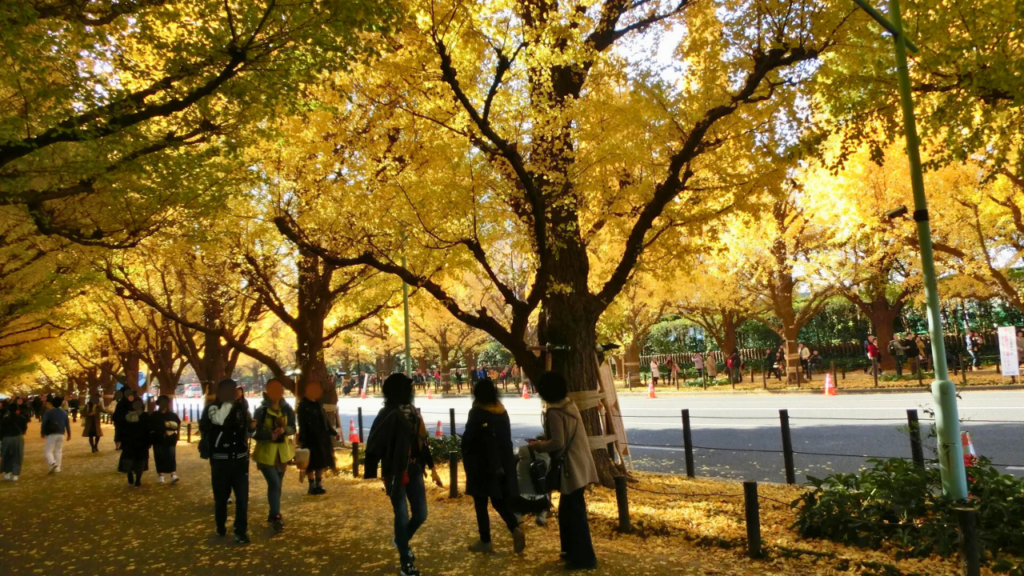
Near Meiji Jingu is another famous spot called Meiji Jingu Gaien Ginkgo Avenue.
This street is lined with about 146 ginkgo trees, which turn bright yellow in autumn.
From mid-November to early December, the avenue becomes a golden tunnel of leaves and attracts many photographers.
Visitors can walk along the tree-lined path, relax at nearby cafes, and enjoy one of Tokyo’s most beautiful autumn views.
Nearest stations
- Aoyama-Itchome Station
- Gaienmae Station
Admission is free.
FAQ
It is known for its large forest, historical importance, and traditional Shinto ceremonies.
Yes. Entry to the shrine grounds is free, but the Inner Garden requires a small fee.
Spring and autumn are especially popular. Cherry blossoms bloom in spring, and colorful leaves appear in autumn.
Most visitors spend about 1 hour at the shrine. If you also visit the Inner Garden or museum, plan for around 2 hours.