
Nijo Castle is a historic castle in Kyoto that shows the power and culture of the Edo period.
Today, it is registered as a UNESCO World Heritage Site and attracts many visitors.
What is Nijo Castle?
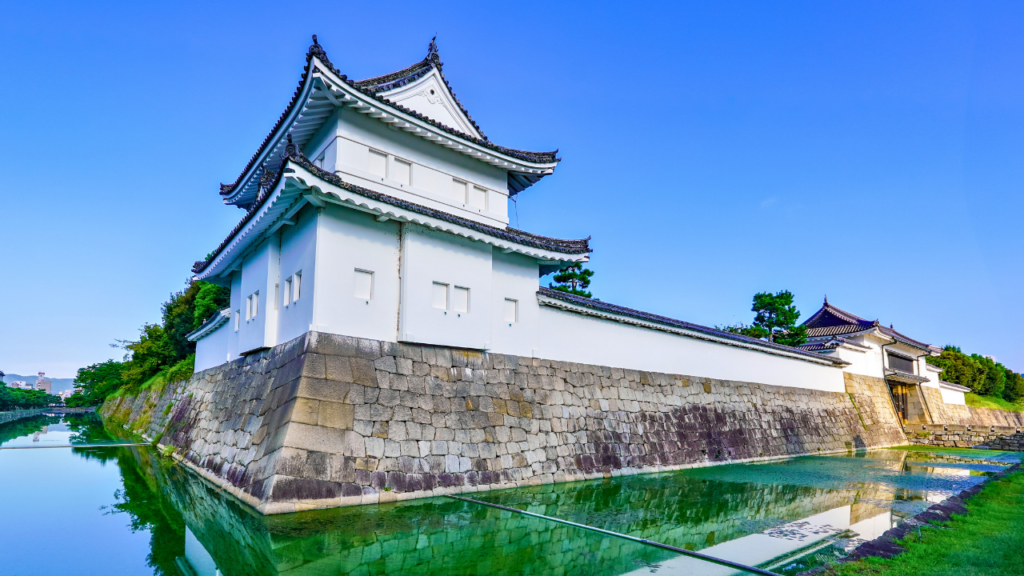
Nijo Castle was built in 1603 by Tokugawa Ieyasu.
It served as the Kyoto residence of the Tokugawa shoguns and played an important political role.
In 1867, it also became the site of the Taisei Hokan, a key event that marked a major turning point in Japanese history.
Highlights
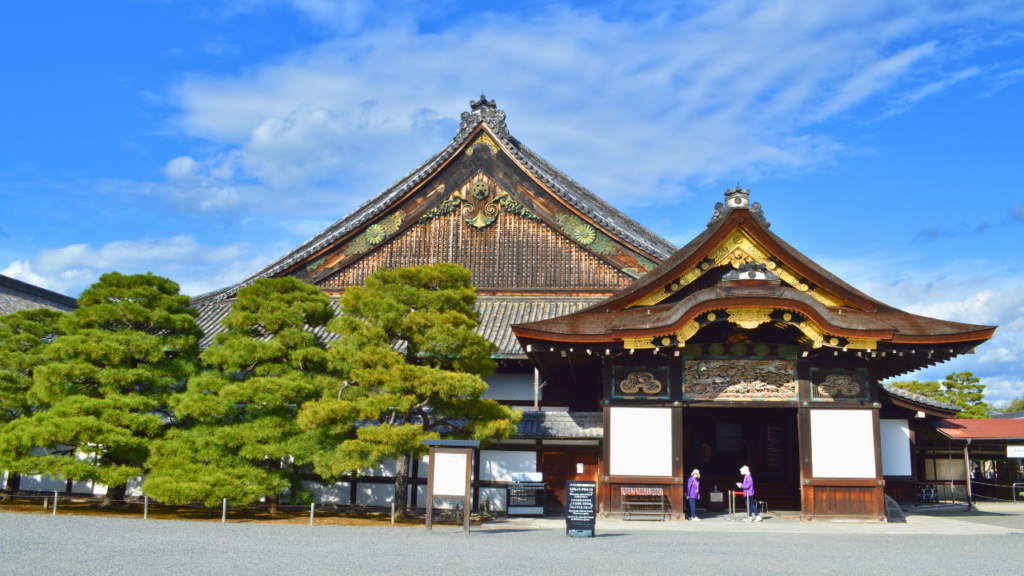
1. Ninomaru Palace (Interior Visit)
This is the main highlight inside the castle.
You can walk through large tatami rooms decorated with beautiful wall paintings, which show the power and authority of the shoguns.
2. Nightingale Floors
The corridors make a chirping sound when you walk on them.
This clever design helped prevent intruders, acting like an early security system.
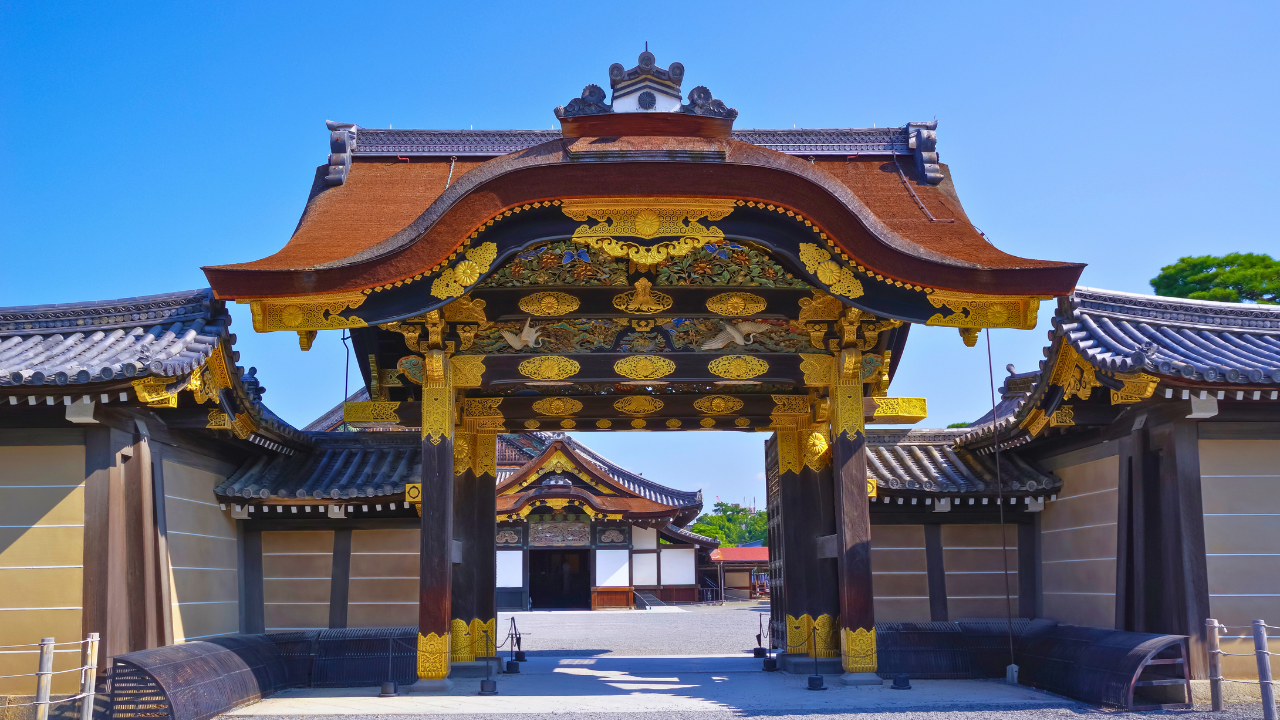
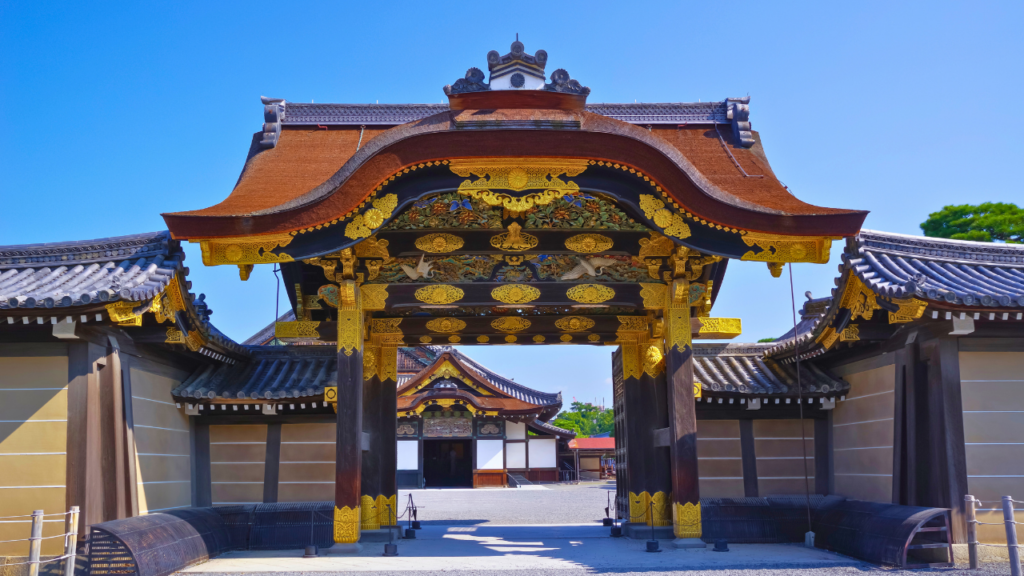
3. Karamon Gate (Ornate Entrance)
This gate is richly decorated with detailed carvings and gold accents.
It is one of the most photogenic spots in the castle.
4. Gardens (Seasonal Beauty)
The castle grounds include large gardens that change with the seasons:
- Spring: Cherry blossoms
- Summer: Lush greenery
- Autumn: Colorful leaves
- Winter: Quiet and calm scenery
It is a great place to enjoy traditional Japanese garden design.
Access
Nijo Castle is easy to reach from central Kyoto:
- Right next to Nijojo-mae Station (subway)
- Near the “Nijojo-mae” bus stop
Summary
Nijo Castle is more than just a tourist spot.
It is a place where you can experience an important moment in Japanese history.
With its impressive buildings, beautiful gardens, and historical significance, it is one of the most worthwhile places to visit in Kyoto.