Planning a trip to Japan?
This guide covers key travel information you need before and during your stay, from entry rules to daily life tips.
Entry Requirements
Passport and Visa
Your passport should be valid during your stay. Some airlines may require at least three months of validity, so check before departure.
Many travelers can enter Japan visa-free for short stays (up to 90 days). For work or long-term stays, you must apply for the correct visa in advance.
Customs Rules
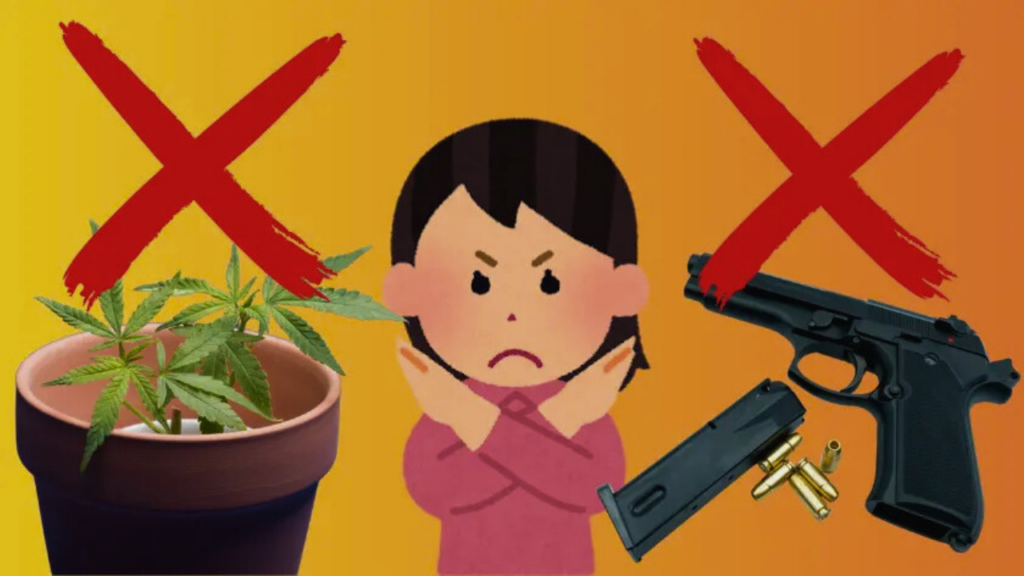
Prohibited items include:
- Narcotics, firearms, explosives
- Fresh meat, fruit, and dairy products
- Certain plants and animals
Restricted items:
- Alcohol: up to three bottles (760ml each)
- Tobacco: up to 200 cigarettes
- Cash: declare amounts over 1 million yen
Check official customs information before traveling.
Visit Japan Web
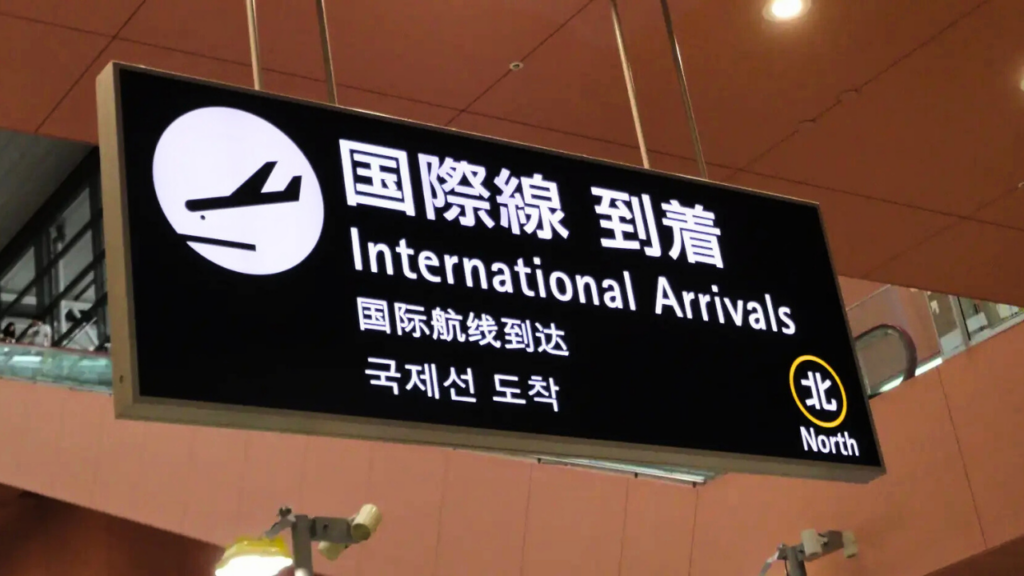
You can use Visit Japan Web to complete immigration forms online and generate a QR code. It is optional but can save time at the airport.
Climate and Clothing

Japan has four clear seasons.
- Winter (Dec–Feb): Cold, especially in northern areas. Bring a coat.
- Summer (Jun–Aug): Hot and humid. Wear light clothing.
- Spring & Autumn: Mild weather. Layers work best.
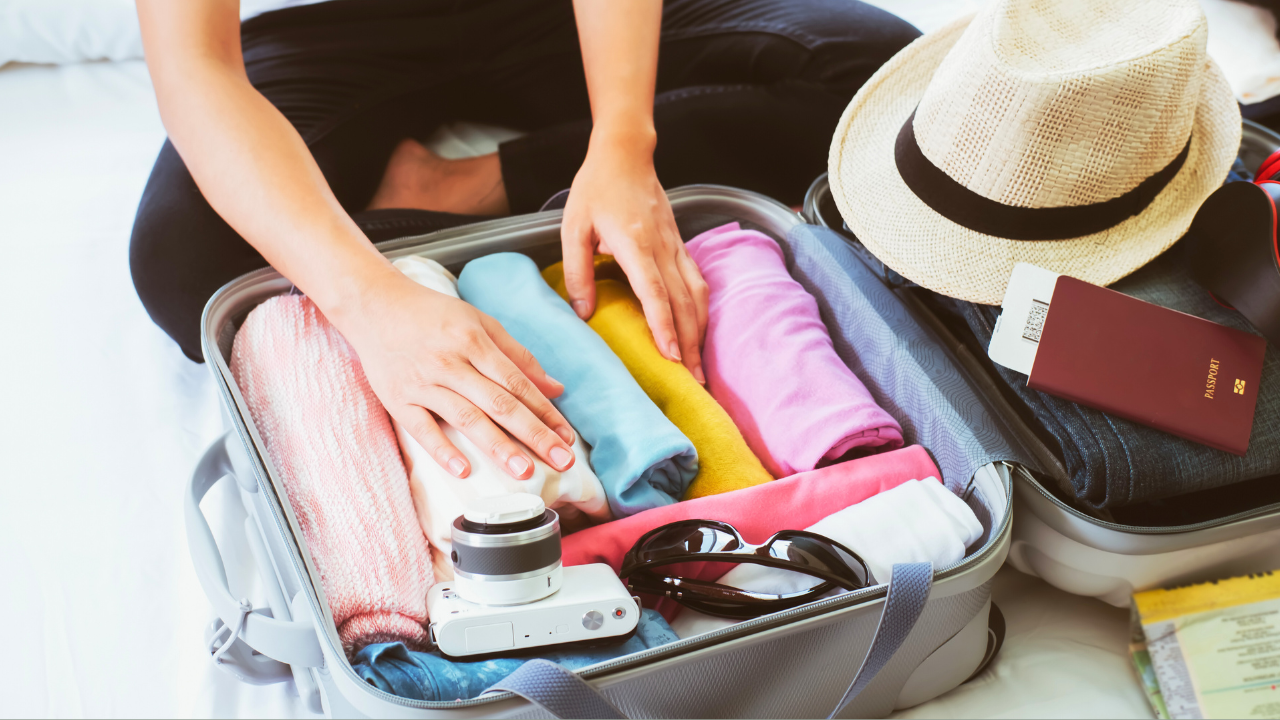
If you pack the wrong clothes, you can easily buy affordable basics at stores like UNIQLO in most cities.
Time Zone and Electricity
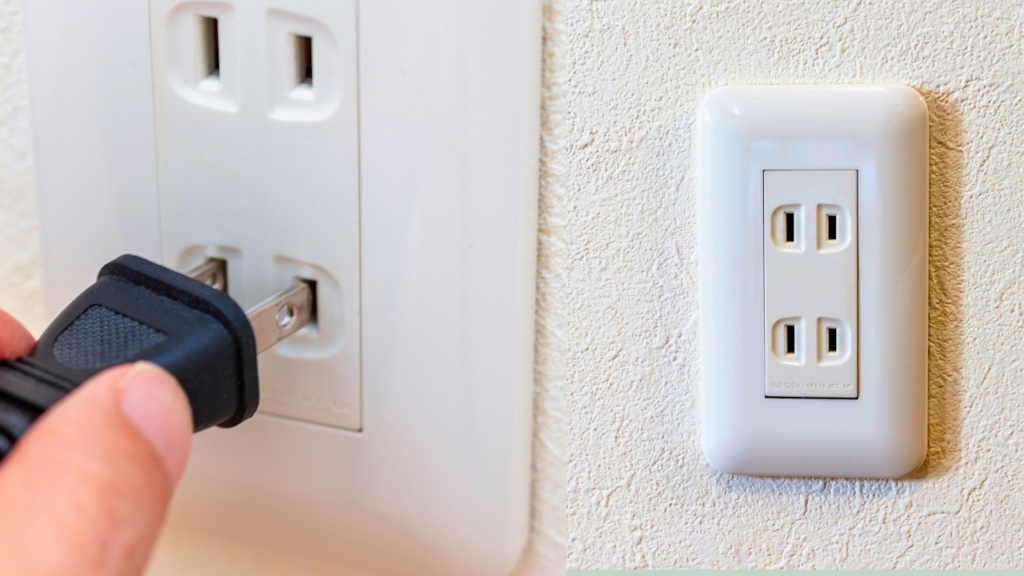
- Time Zone: UTC+9 (no daylight saving time)
- Voltage: 100V
- Plug Type: Type A (two flat pins)
Bring a plug adapter if needed.
Money and Payments
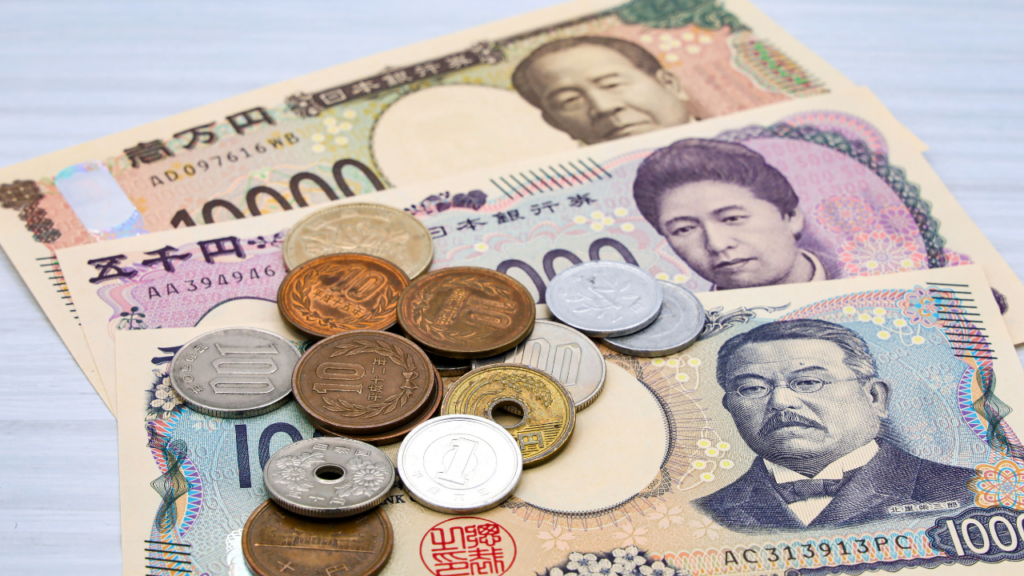
Tipping is not common in Japan. Service charges are included in the price.
Credit cards are widely accepted in cities, but cash is still useful. You can withdraw money at convenience stores such as 7-Eleven, Lawson, and FamilyMart.
Transportation
Japan has an extensive transport system including trains, subways, buses, and bullet trains.
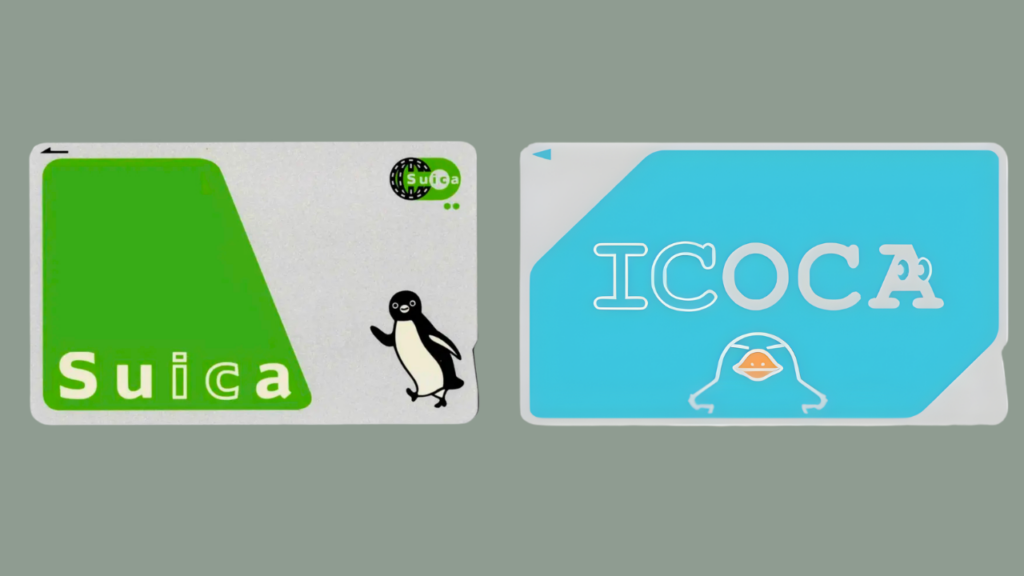
IC cards like Suica or ICOCA make travel easier and also work at many shops.
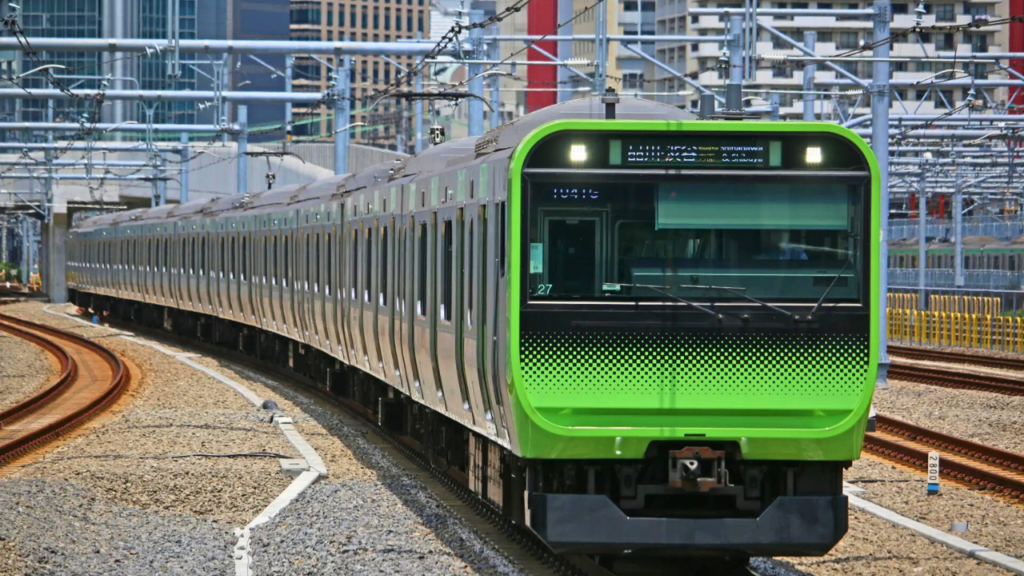
Avoid rush hours in major cities if possible. Taxis are available but more expensive. For rural areas or islands, buses, rental cars, or ferries may be necessary.
Internet
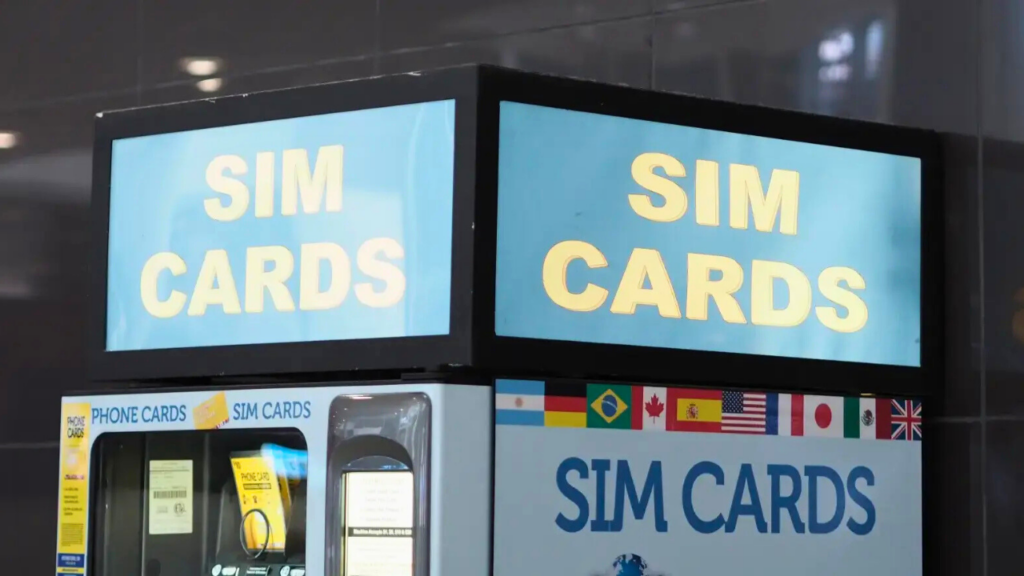
Wi-Fi is common in hotels, cafes, stations, and airports.
For stable access, consider buying a SIM card or renting portable Wi-Fi at the airport.
Drinking Water
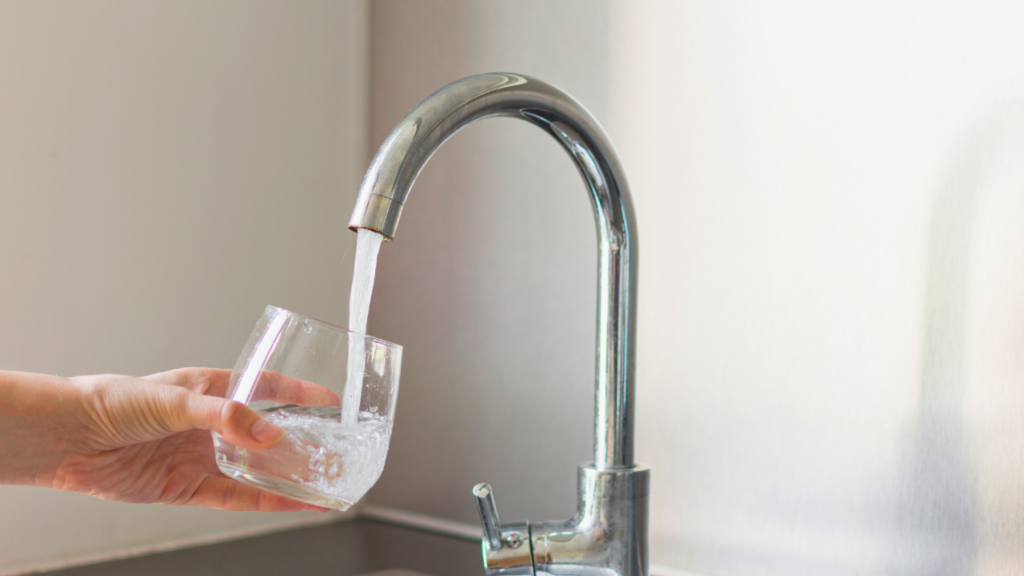
Tap water in Japan is safe to drink. It may taste slightly different due to chlorine treatment.
Bottled water is easy to find if you prefer it.
Toilets
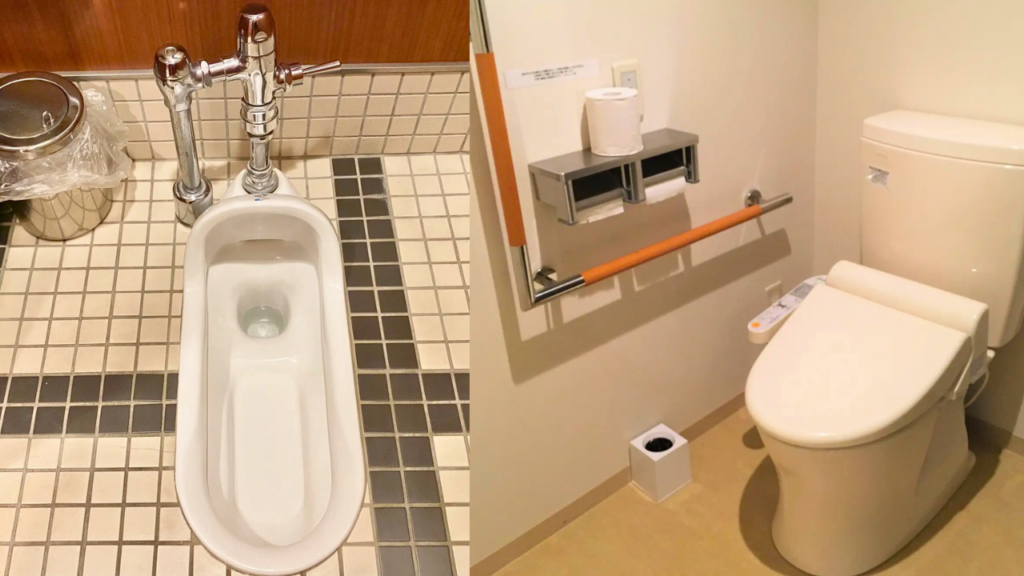
You will find both modern sitting toilets and traditional squat toilets. Sitting toilets are common in cities.
Toilet paper is almost always provided. After use, flush the paper down the toilet. Japanese plumbing is designed for this, so it will not clog under normal use.
However, do not flush sanitary products such as napkins or tampons. Place them in the small bin next to the toilet.
Business Hours and Postal Services
- Post Offices: Usually 9:00 AM – 5:00 PM (weekdays)
- Shops & Restaurants: Around 10:00 AM – 8:00 PM
- Convenience Stores: Open 24 hours
Etiquette and Manners
- Smoke only in designated areas.
- Keep your voice low on public transport.
- Do not eat on local trains unless it is a long-distance train.
- Trash bins are rare, so carry your garbage until you find one.
Emergency Contacts
- Police: 110
- Ambulance / Fire: 119
If you lose something or need help, visit a Tourist Information Center or a nearby koban (police box). These small police stations are located near major train stations and are used to assisting travelers.
Understanding these basics will help you travel smoothly and avoid common problems during your trip to Japan.