
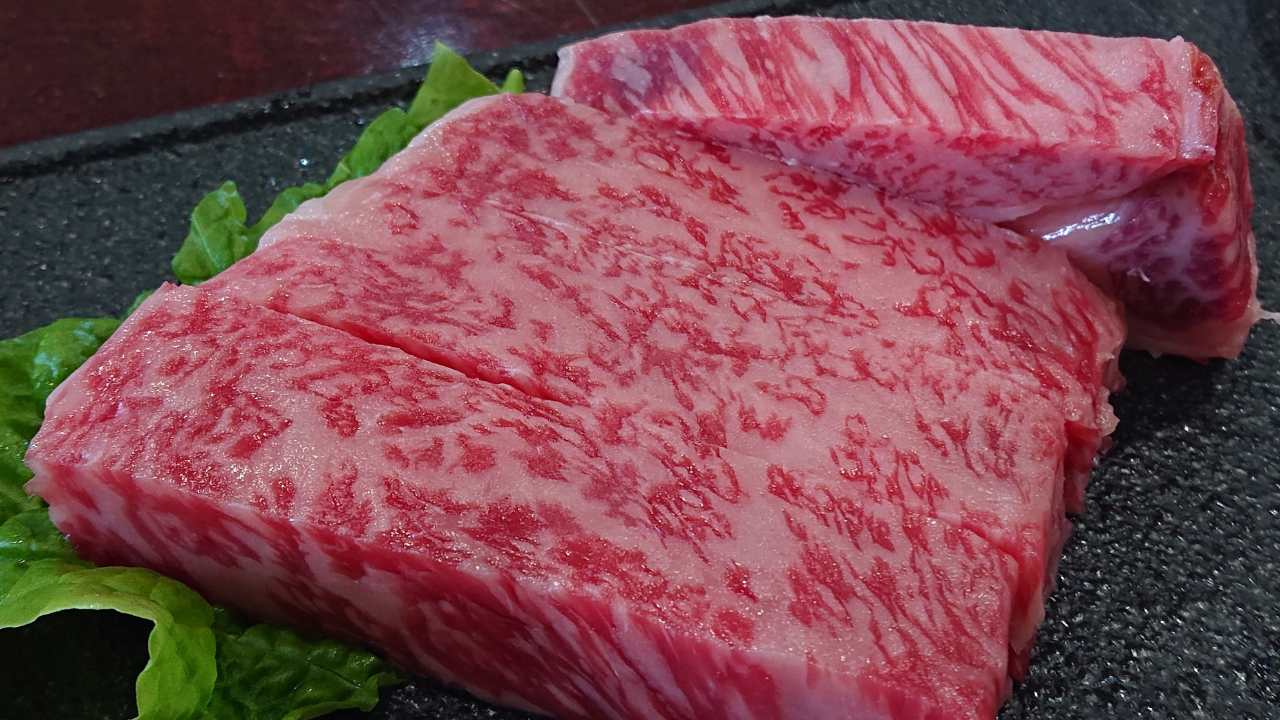
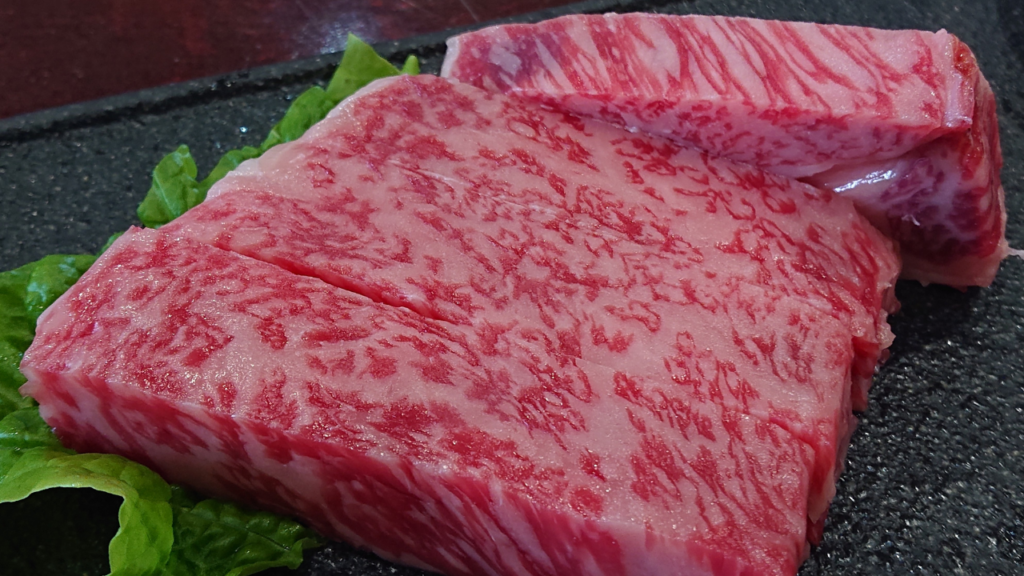
Yonezawa beef is one of Japan’s well-known premium Wagyu brands.
People often mention it alongside Matsusaka beef and Kobe beef.
However, Yonezawa beef follows its own certification rules.
It is not simply a brand name.
Definition of Yonezawa Beef
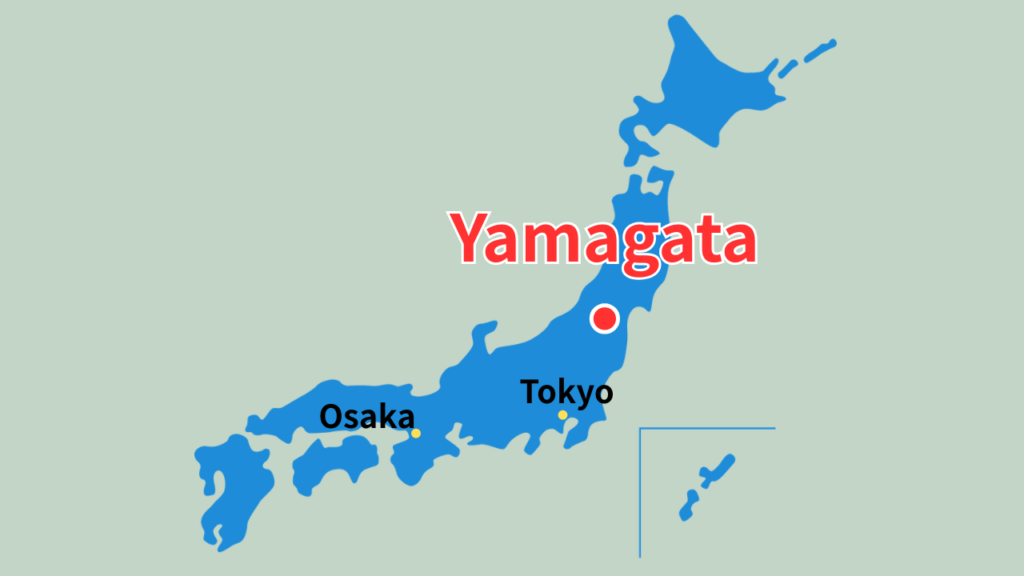
Yonezawa beef means:
Beef from Japanese Black cattle raised in designated areas of Yamagata Prefecture that meet certification standards
This leads to an important point.
Not all Wagyu is Yonezawa beef.
Not all beef from Yamagata Prefecture qualifies as Yonezawa beef.
Only approved cattle receive certification.
Limited Production Areas
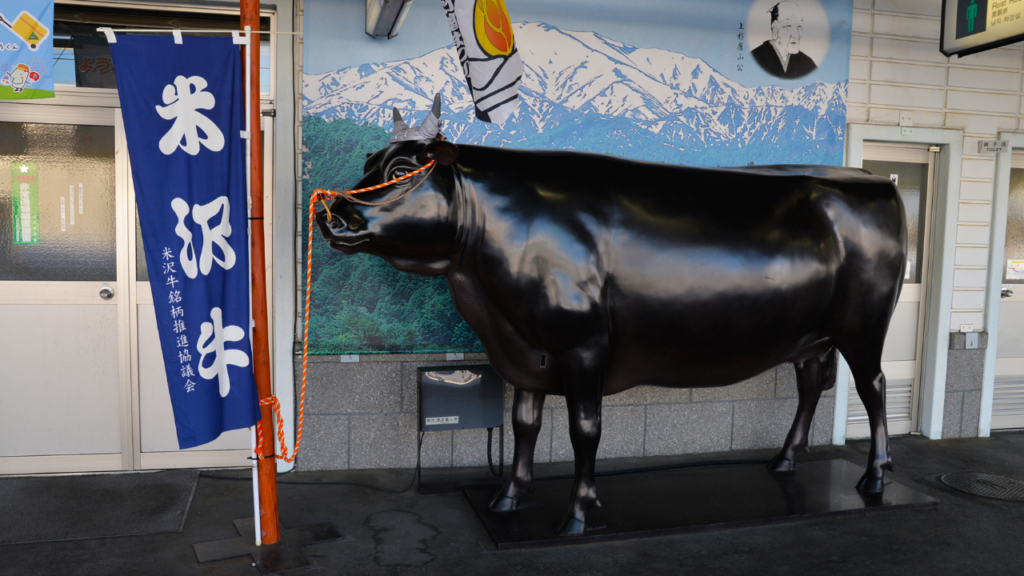
Yonezawa beef production is restricted to specific regions.
• Yonezawa
• Nanyo
• Takahata
• Kawanishi
• Nagai
This regional control helps maintain quality consistency.
Quality Standards
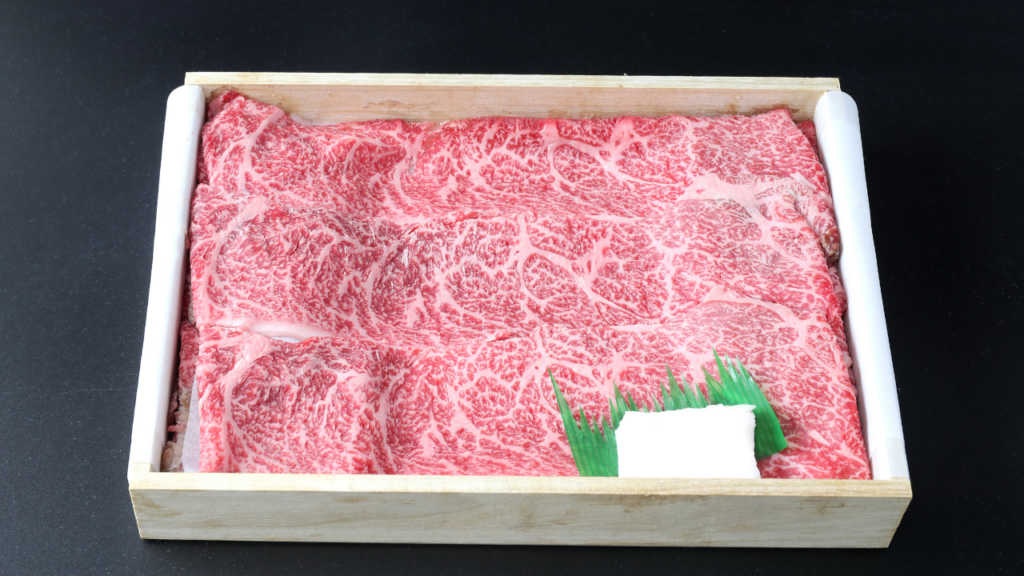
Yonezawa beef must meet several conditions.
• The cattle must be Japanese Black
• The cattle must be raised in designated areas
• The cattle must meet minimum feeding periods
• The meat must meet grading requirements
These standards reduce quality variation.
Taste Characteristics
Fat balance defines the main feature.
• Fine marbling
• Mild and clean fat
• Balanced flavor between meat and fat
The beef often feels rich but light.
Why Is Yonezawa Beef Highly Rated?
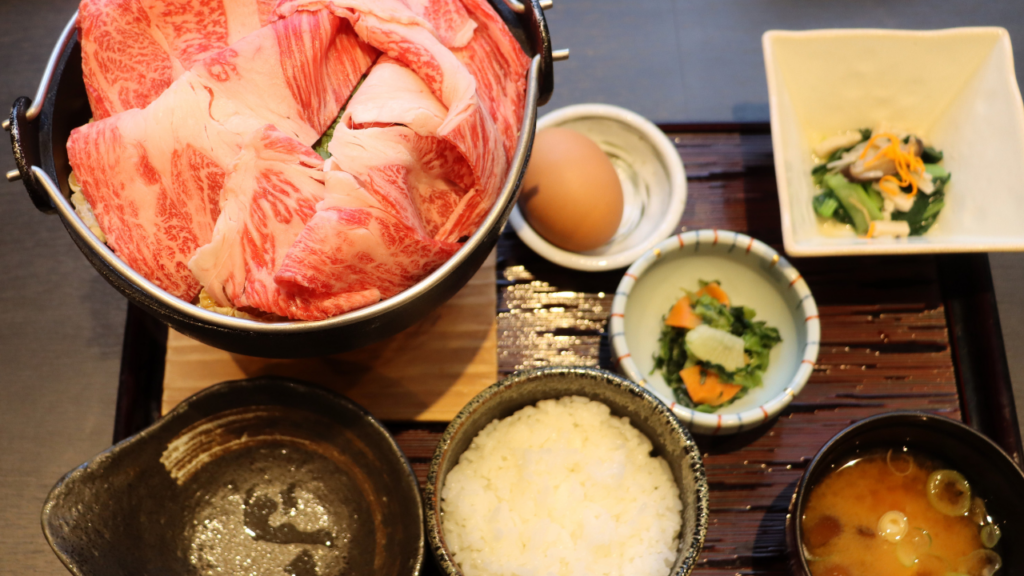
Several factors explain its reputation.
• Long production history
• Cold climate raising environment
• Stable meat quality
Additionally, fat texture and flavor balance receive strong evaluation.
Common Misunderstandings
Some people assume Yonezawa beef has lower recognition.
However, many experts classify it alongside Japan’s top Wagyu brands.
Quality comparisons often place it at a similar level.
Where Can You Eat Yonezawa Beef?
Yonezawa beef is mainly served in Yamagata Prefecture.
Common preparations include:
• Steak
• Sukiyaki
• Shabu-shabu
• Yakiniku
Specialty restaurants frequently offer it as a premium option.
Summary
Yonezawa beef means:
• Certified Japanese Black cattle
• Controlled production regions
• Fine marbling and balanced fat
• One of Japan’s premium Wagyu brands
Recognition may vary, but quality remains highly regarded.
FAQ
Yonezawa beef feels softer mainly because the fat melts quickly.
The texture feels smooth on the tongue, and the meat does not feel heavy.
Additionally, the fat leaves a mild sweetness.
The fat melts at a relatively low temperature.
Therefore, the beef feels very tender when heated.
The aroma also becomes noticeable during cooking.
Long feeding periods help develop fine marbling and fat quality.
As a result, the meat texture feels softer and more even.
Additionally, the fat melts more easily.
Cold temperatures influence fat development and meat texture.
For example, the fat becomes firm when raw but melts quickly when heated.
This creates a smoother mouthfeel.