
A Winter Festival Shaped by Water, Cold, and Light
The Lake Shikotsu Ice Festival is one of Hokkaido’s most distinctive winter events.
Held each year beside Lake Shikotsu, it transforms frozen lake water into large-scale ice structures using nothing more than cold air and time.
What makes this festival unique is not size or spectacle, but the quality of the ice itself—clear, naturally blue, and shaped by the climate rather than machines.
What Is the Lake Shikotsu Ice Festival?
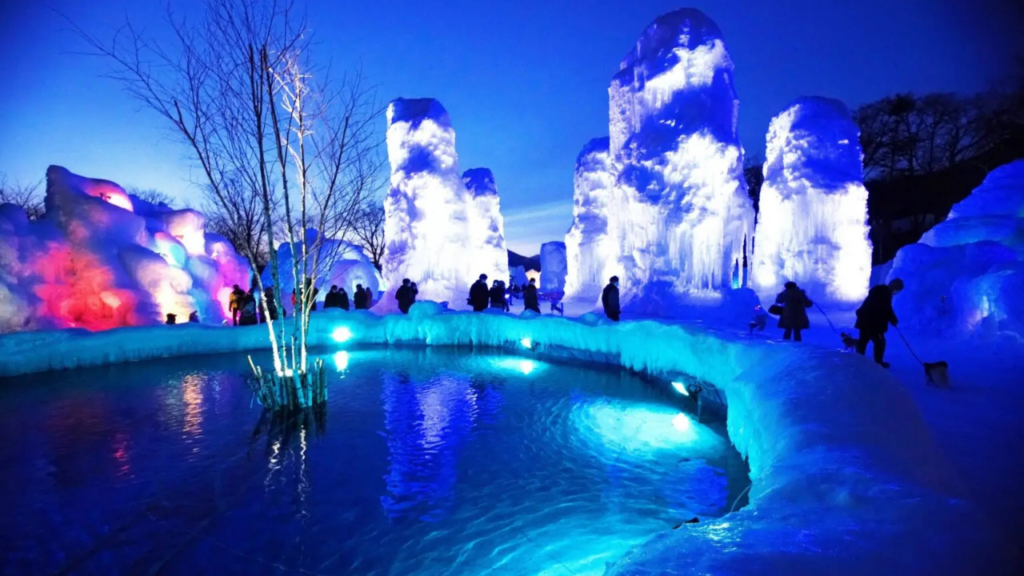
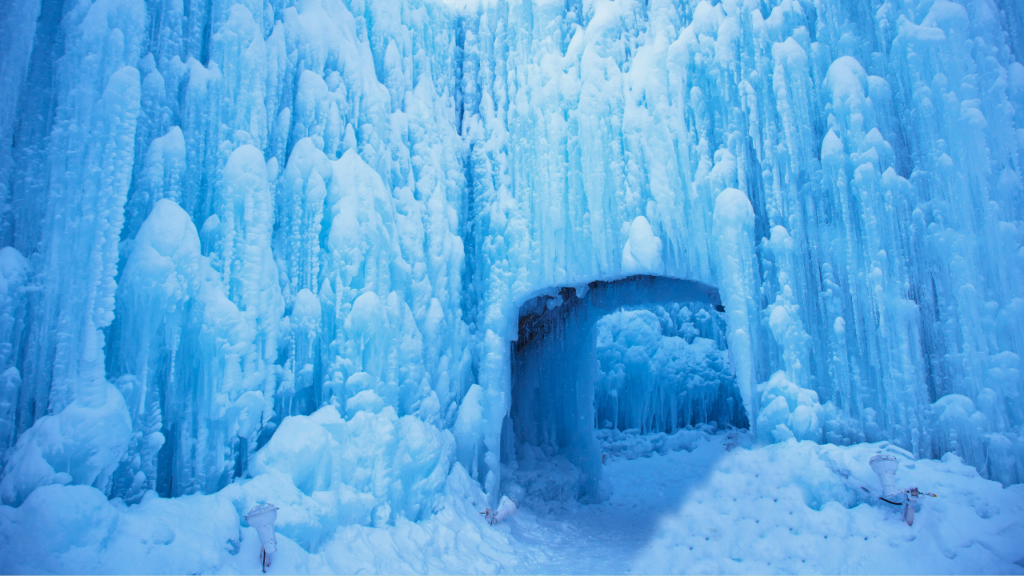
During winter, water from Lake Shikotsu is sprayed and frozen layer by layer, forming towers, tunnels, and walls of ice.
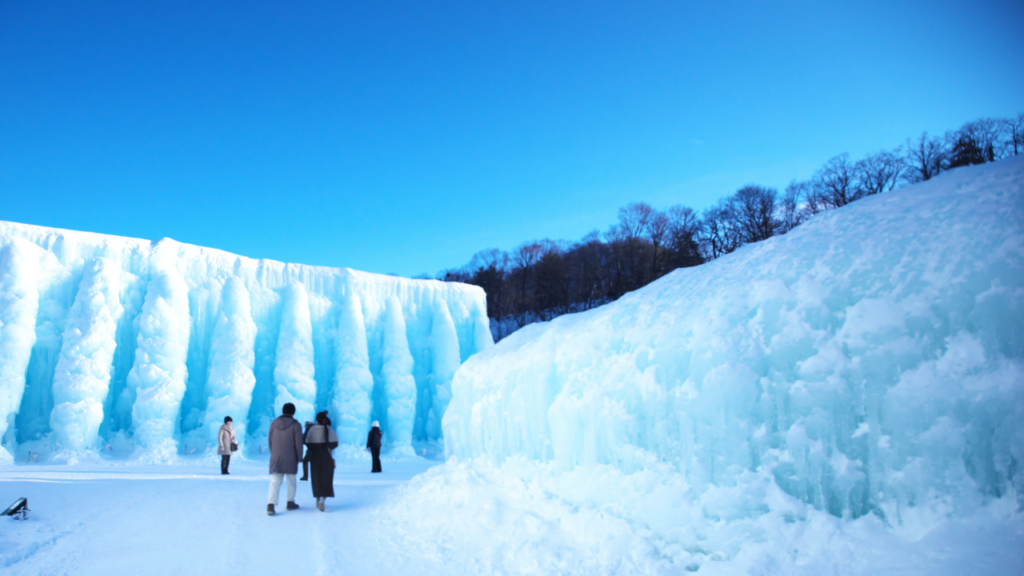
Because the lake is known for its clarity, the ice develops a deep natural blue, often called “Shikotsu Blue.”
In daylight, the ice reflects the sky and snow.
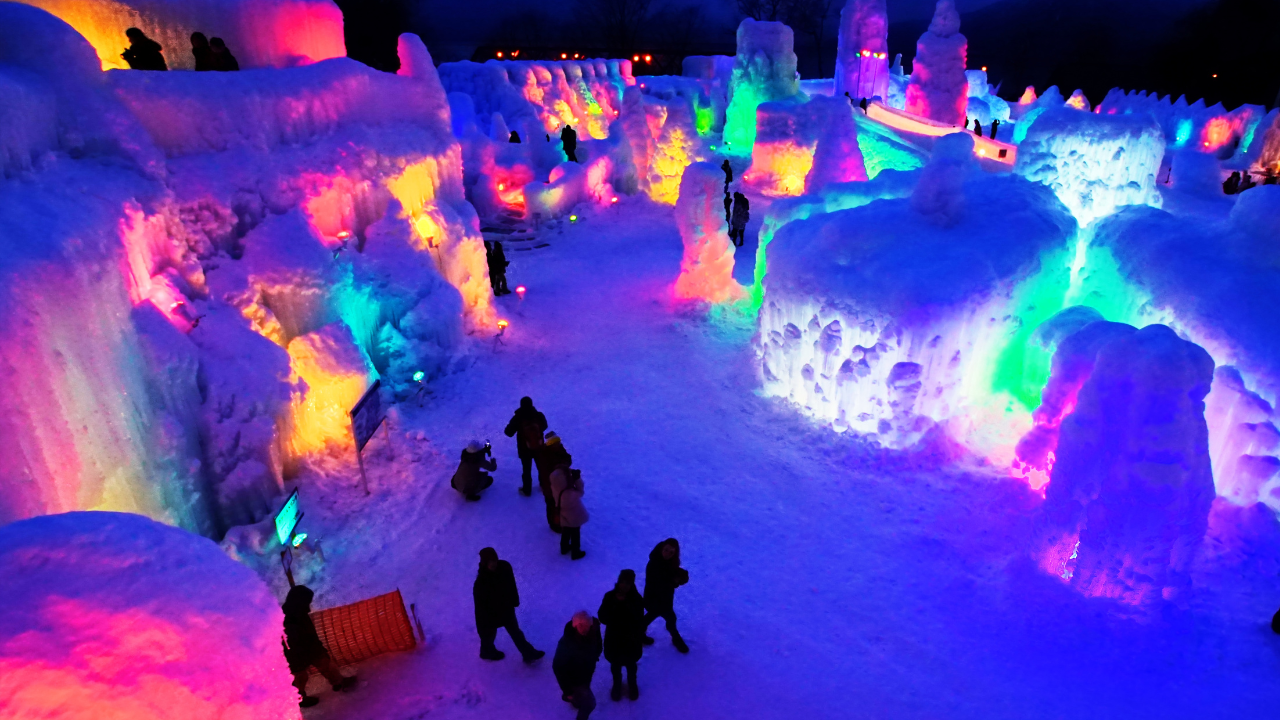
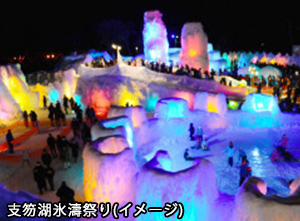
After sunset, lighting transforms the site into a quiet, glowing space.
When and Where It Takes Place
- Location: Shikotsuko Onsen, Chitose, Hokkaido
- Season: Late January to late February (every year)
- Opening hours:
- Daytime: from around 10:00 AM
- Evening illumination: from around 4:30 PM
- Admission:
- ¥1,000 for visitors aged 13 and above
- Free for children 12 and under
※ Exact dates vary slightly each year depending on weather.
What to Expect
1. Ice Sculptures Made from the Lake Itself
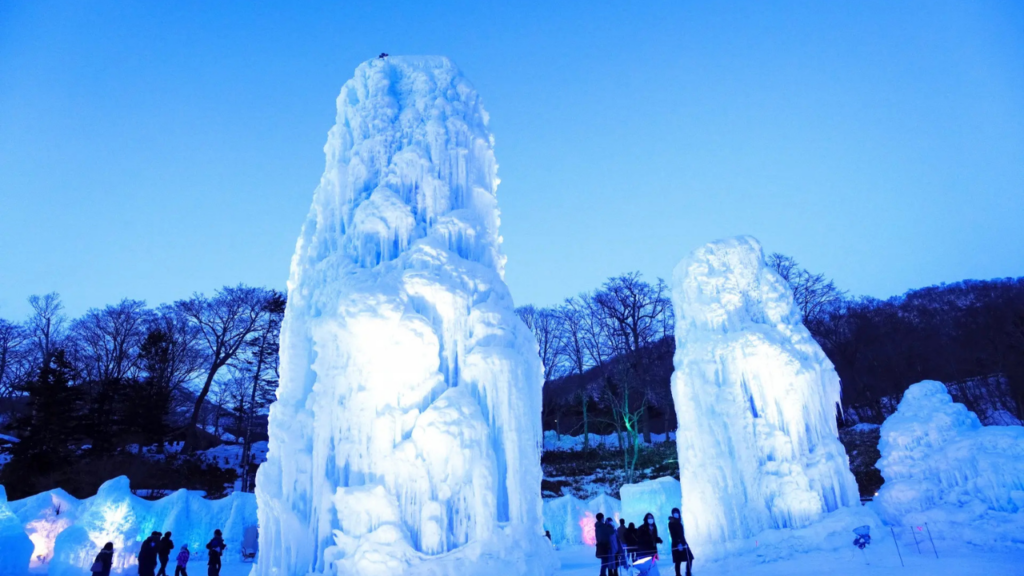
All structures are created using water drawn directly from Lake Shikotsu.
The result is ice that feels denser and clearer than typical snow festivals.
Walking paths pass through:
- Ice tunnels
- Tall frozen pillars
- Layered walls with visible water texture
2. Evening Illuminations
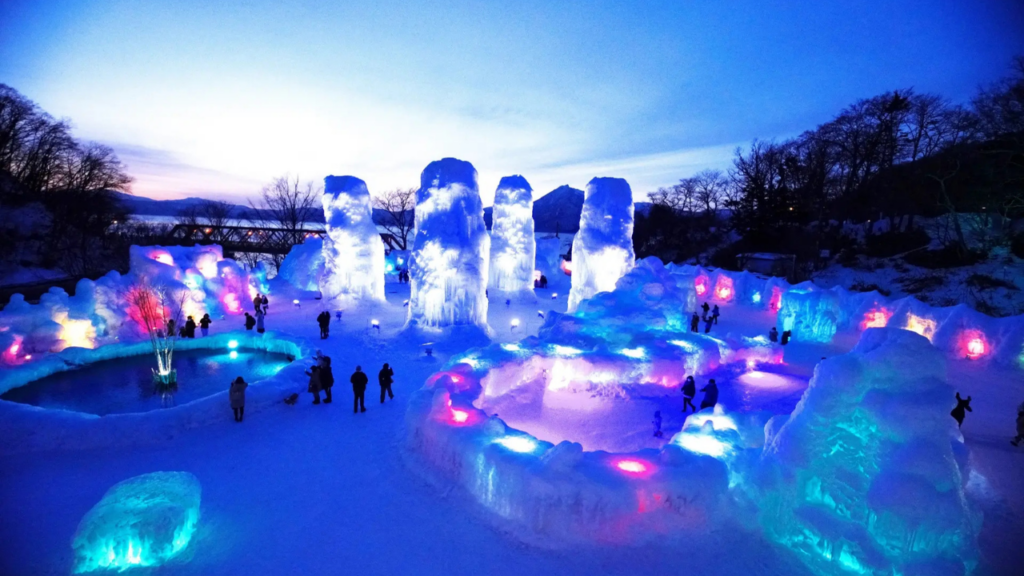
From late afternoon, colored lights illuminate the ice.
The temperature drops, sounds feel muted, and the space becomes noticeably calmer.
This contrast between daytime blue and nighttime color is one of the festival’s defining features.
3. Simple Winter Activities
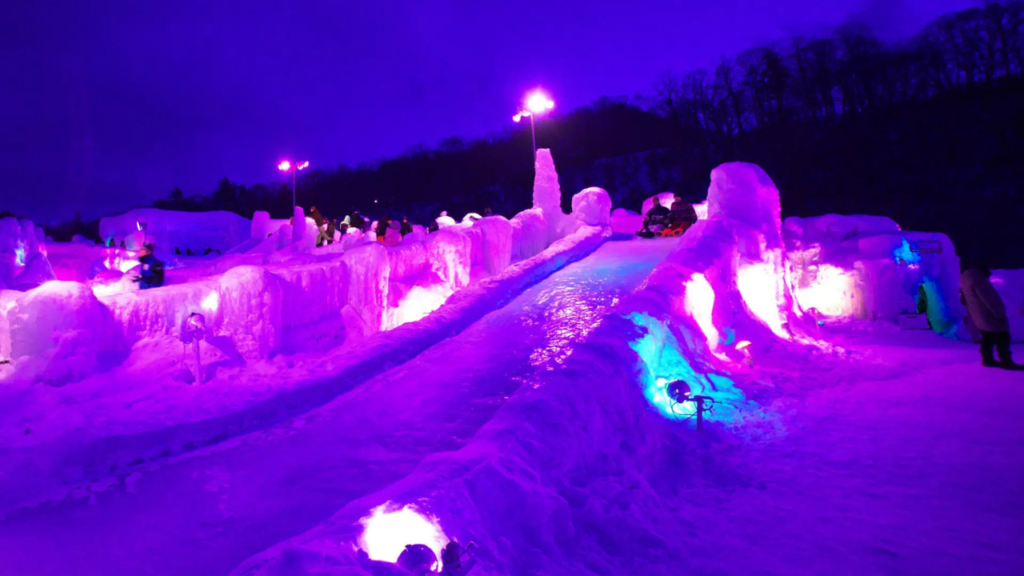
The festival also includes small-scale activities that change slightly year to year:
- Ice slides
- Snow play areas
- Food stalls near the entrance
The focus remains on walking and observing rather than constant activity.
Getting There
From New Chitose Airport
- Taxi:
- About 40 minutes
- Around ¥7,000
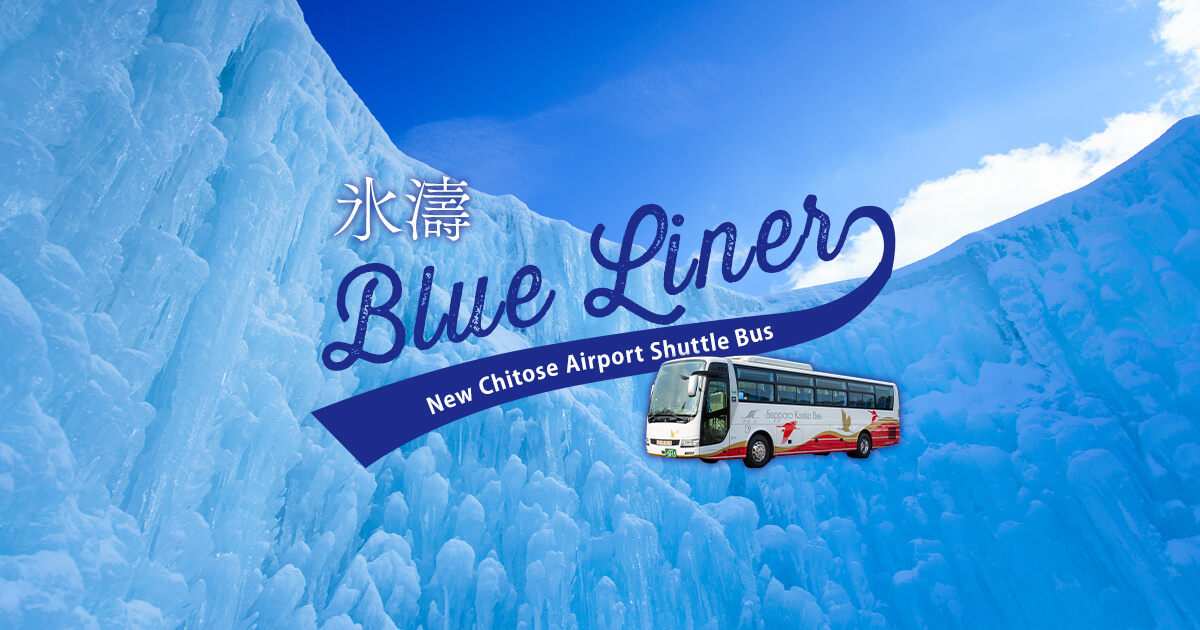
- Bus (Lake Shikotsu Line):
- About 55 minutes
- Around ¥1,050
- Most cost-effective option
Official Site: Sapporo Kanko Bus
From Sapporo
- Seasonal direct buses may operate
- Travel time is longer but straightforward
Because the area is rural, public transport schedules should be checked in advance.
Officialsite: Sapporo to Lake Shikotsu Bus Service
Is This Festival Worth Visiting?
The Lake Shikotsu Ice Festival is not fast-paced or loud.
It suits travelers who enjoy:
- Cold, quiet environments
- Walking slowly rather than rushing
- Natural materials shaped by climate
If you prefer large parades or constant events, this may feel understated.
If you value atmosphere and texture, it stands out among winter festivals in Japan.
\ Visiting Lake Shikotsu Ice Festival?/
Easy access from Sapporo
Notes on Year-Specific Information
Each year’s exact dates and side events vary slightly depending on weather.
For the latest schedule, refer to the official site:
Lake Shikotsu Ice Festival
Final Thought
This festival exists because of cold air, clean water, and patience.
It is not built quickly—and it is not meant to be rushed.
That is what makes it feel distinctly Hokkaido.
FAQ
The Lake Shikotsu Ice Festival showcases ice sculptures made from lake water.
For example, the air felt very cold and clear, therefore the ice looked dense and sharp.
As a result, walking through the site felt quiet and focused.
Lake Shikotsu is known for extremely clear water and great depth.
Because the water felt clean and odorless, the ice reflected light in a deep blue tone.
Therefore, the area felt calm even in winter.
Most visitors stay for about 90 minutes.
Meanwhile, walking on icy paths caused mild fatigue in the legs, so slow pacing felt better.
As a result, the visit felt balanced rather than rushed.
Lake Shikotsu ranks first in Japan for water quality.
When light hit the ice, the blue color felt bright to the eyes, not harsh.
Therefore, the scenery felt soft despite the cold temperature.