
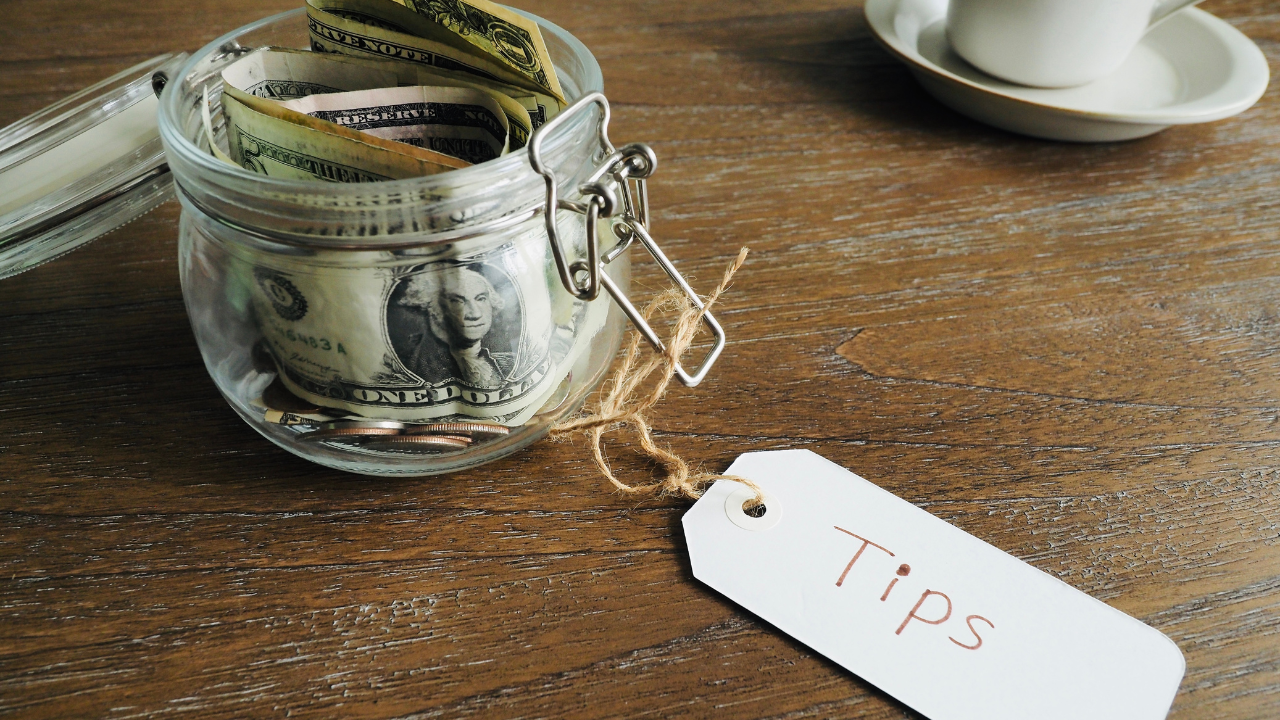

For many visitors, this moment feels awkward.
You receive great service at a restaurant in Japan.
The staff is polite, attentive, and efficient.
So you wonder:
“Should I leave a tip?”
“Would it be rude not to?”
The short answer is simple:
Tipping is not expected in Japan.
But the reason goes much deeper than etiquette.
- Reason 1: The Price Already Covers the Service
- Reason 2: Service Workers Do Not Rely on Tips for Their Income
- Reason 3: Businesses Handle Service Charges Up Front
- Reason 4: Tipping Often Causes Confusion, Not Gratitude
- The Recent Exception: Tip Boxes for Tourists
- What a No-Tipping System Protects
- Conclusion: Not Tipping Is Not Disrespectful
Reason 1: The Price Already Covers the Service

In Japan, restaurants treat good service as part of what customers buy.
Staff explain menus clearly, use polite language, and handle requests carefully.
They do this as a normal part of their job, not as a response to extra payment.
Customers pay for more than food.
They pay for the entire experience, including attention, timing, and care.
Because the price already includes service,
adding money afterward feels unnecessary and out of place.
This mindset comes from omotenashi—hospitality given without expecting anything in return.
Reason 2: Service Workers Do Not Rely on Tips for Their Income
In many countries, tipping exists because customers directly support service workers’ income.
Japan uses a different system.
Restaurants pay staff fixed wages or salaries.
Employers do not expect customers to supplement pay through tips.
Because of this, service quality does not depend on how generous a customer might be.
Staff focus on doing their job well, not on calculating which table might leave extra money.
They serve everyone the same way, regardless of order size or group size.
This structure removes tipping from the service equation entirely.
Reason 3: Businesses Handle Service Charges Up Front
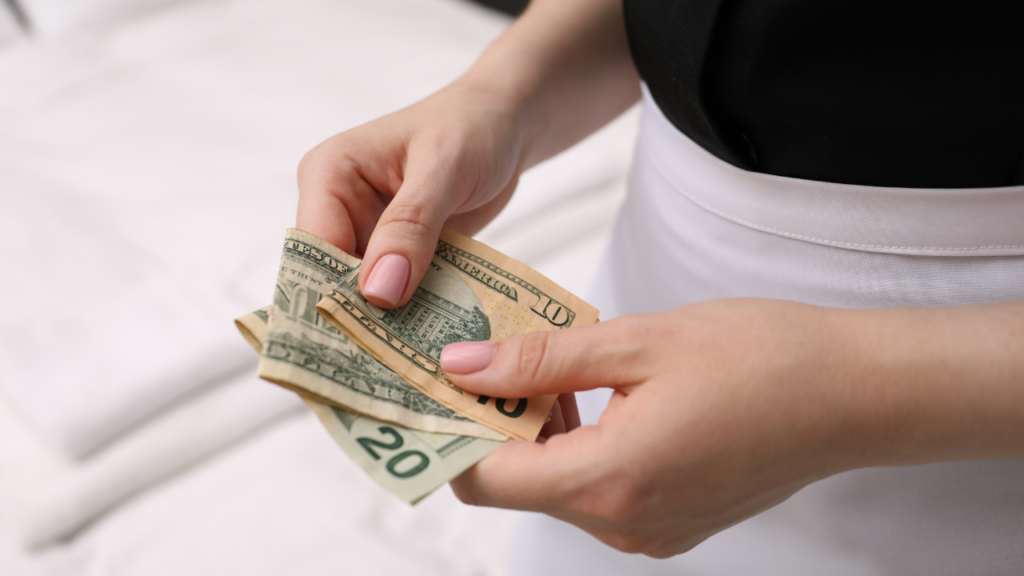
Some high-end restaurants, hotels, and traditional inns include a service charge in the bill.
These businesses clearly show the total cost in advance.
They decide the amount internally and add it directly to the price.
Customers do not need to evaluate the service or adjust the payment afterward.
By handling service charges up front,
businesses remove any expectation that guests should tip.
This approach keeps pricing transparent and consistent for everyone.
Reason 4: Tipping Often Causes Confusion, Not Gratitude
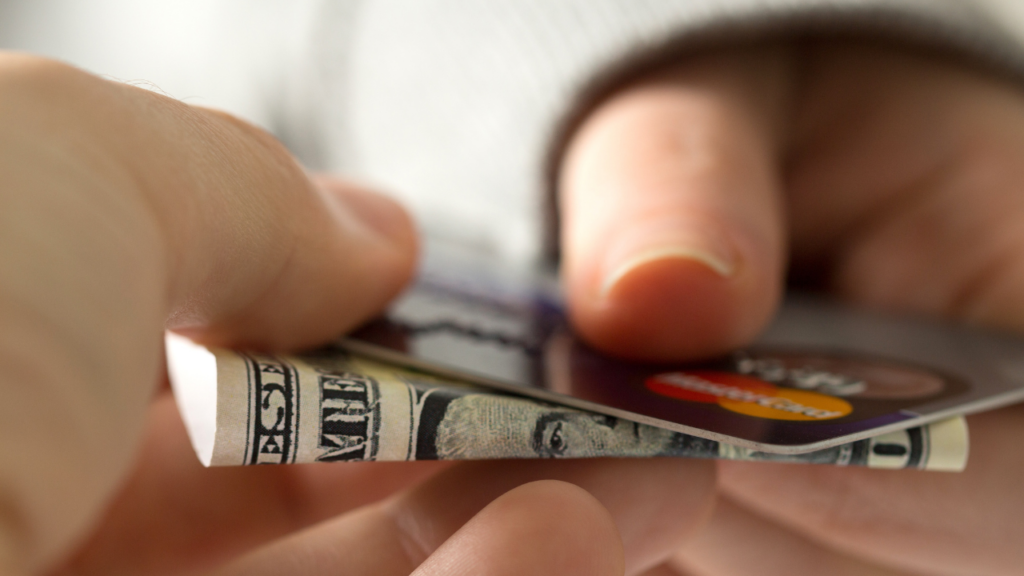
When visitors try to leave a tip in Japan,
the reaction is rarely anger.
Instead, it is confusion.
Staff may think:
“This is more than the required amount.”
“I’m not sure how I should accept this.”
The situation is similar to tipping a shoe store clerk or electronics salesperson.
It simply does not fit the system.
The Recent Exception: Tip Boxes for Tourists

Recently, this long-standing norm has been tested.
As foreign tourism has increased,
a small number of restaurant chains have installed tip boxes.
One well-known example is a gyukatsu restaurant chain
that placed clear tip boxes near cash registers, labeled in English.
According to the company, this was done because
foreign customers were increasingly trying to hand cash directly to staff.
The tip box allowed the company to:
- Avoid awkward direct exchanges
- Centralize tax reporting and accounting
Why This Has Sparked Debate in Japan
Even though these tip boxes are technically optional,
their presence sends a signal.
It suggests that tipping might be expected.
This raises several concerns:
- If tipping spreads, employers may feel less pressure to raise base wages
- Restaurants without tipping may struggle to hire staff
- Increased labor costs could lead to higher prices for everyone
For tourists benefiting from favorable exchange rates,
an extra ¥1,000 may not feel significant.
For local residents already dealing with rising prices,
it can become a real burden.
What a No-Tipping System Protects
Japan’s system ensures that:
- Service quality does not depend on customer spending
- Large groups are not favored over solo diners
- Expensive orders do not receive special treatment
Everyone receives the same level of service.
Tipping removes this neutrality by introducing incentives
that change how staff prioritize customers.
Conclusion: Not Tipping Is Not Disrespectful
Not tipping in Japan does not mean:
- You are ungrateful
- You disliked the service
- You are being rude
It simply means you are following a different system.
In Japan, appreciation is shown through:
- Saying “thank you”
- Being polite and respectful
- Returning as a customer
Good service is expected, not negotiated.
And that expectation is exactly why tipping isn’t needed.