
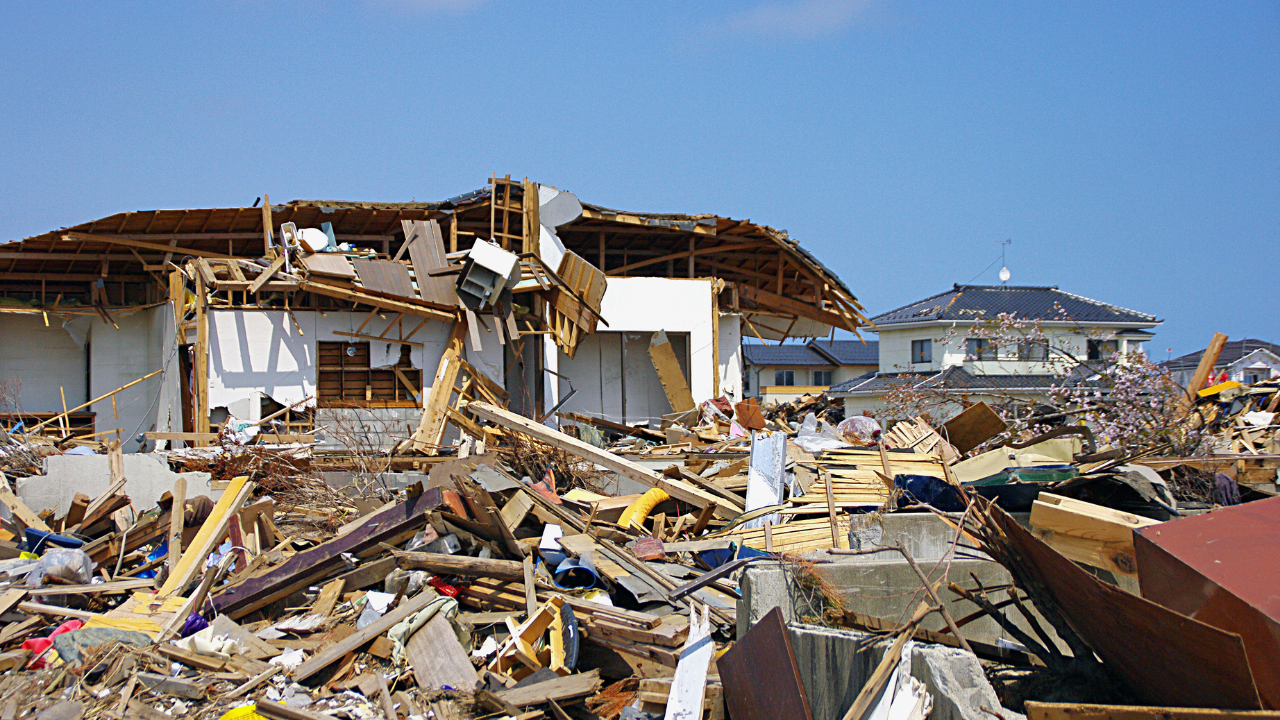
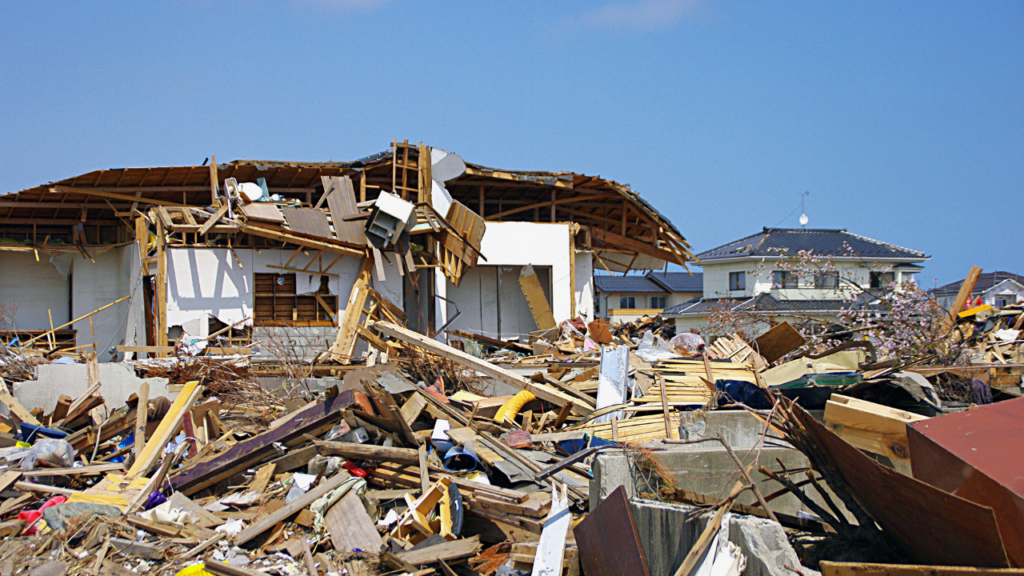
Japan is one of the most earthquake-prone countries in the world.
This is not bad luck. It is geography.
Japan sits in a place where the Earth’s crust is always moving.
Why Earthquakes Happen So Often in Japan
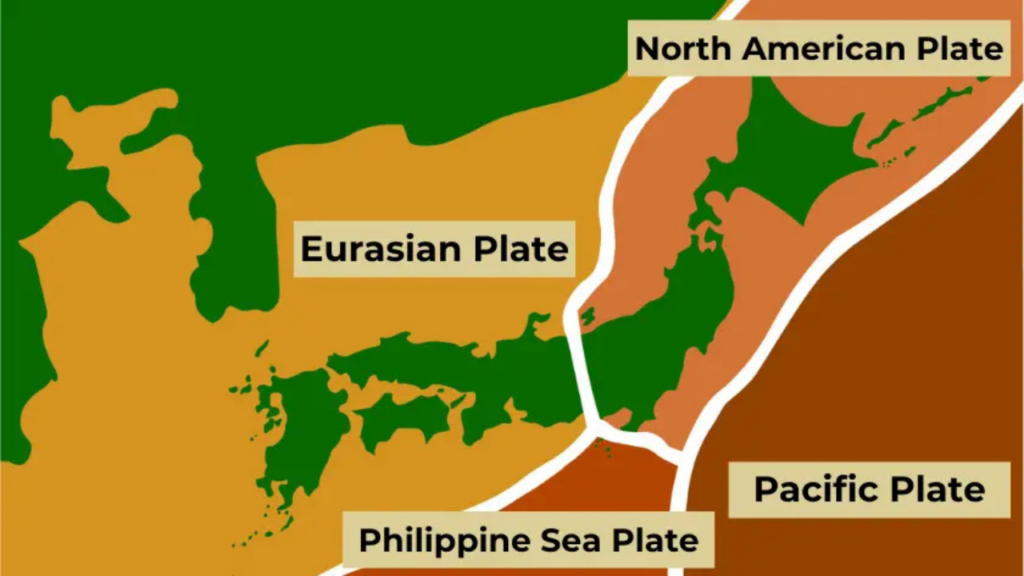
Japan lies at the meeting point of four tectonic plates:
- The Pacific Plate
- The Philippine Sea Plate
- The Eurasian Plate
- The North American Plate
These plates push against and slide under each other.
This process, called subduction, creates frequent earthquakes.
Japan is also part of the Pacific Ring of Fire, a large zone around the ocean where earthquakes and volcanoes are common.
Earthquakes happen in many countries along this ring.
Japan feels them more because many people live close to the plate boundaries.
What to Do During an Earthquake
Indoors, take cover under a strong table or desk,
and keep distance from windows and tall furniture.
Outdoors, head to an open space,
away from buildings, power lines, and trees.
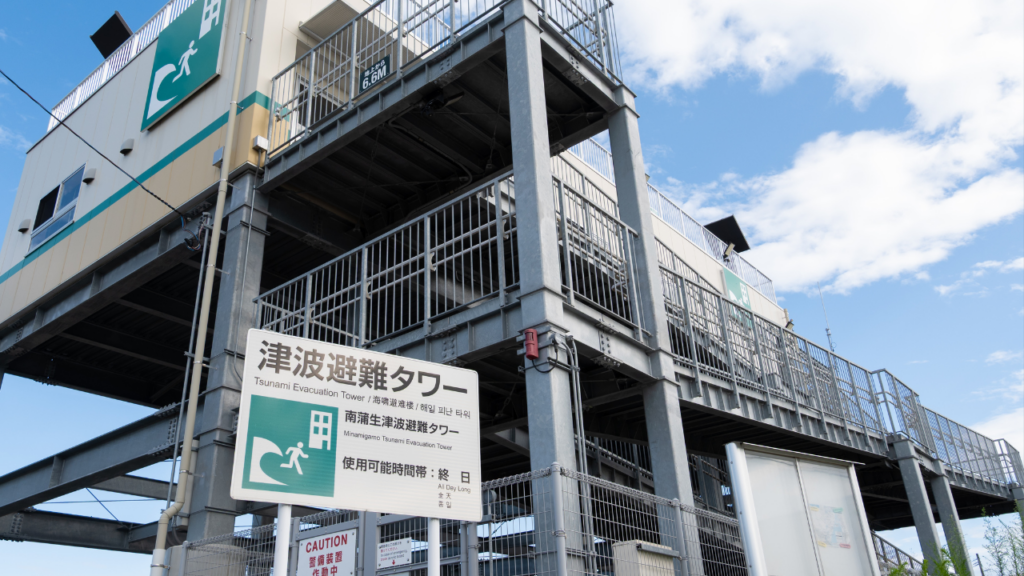
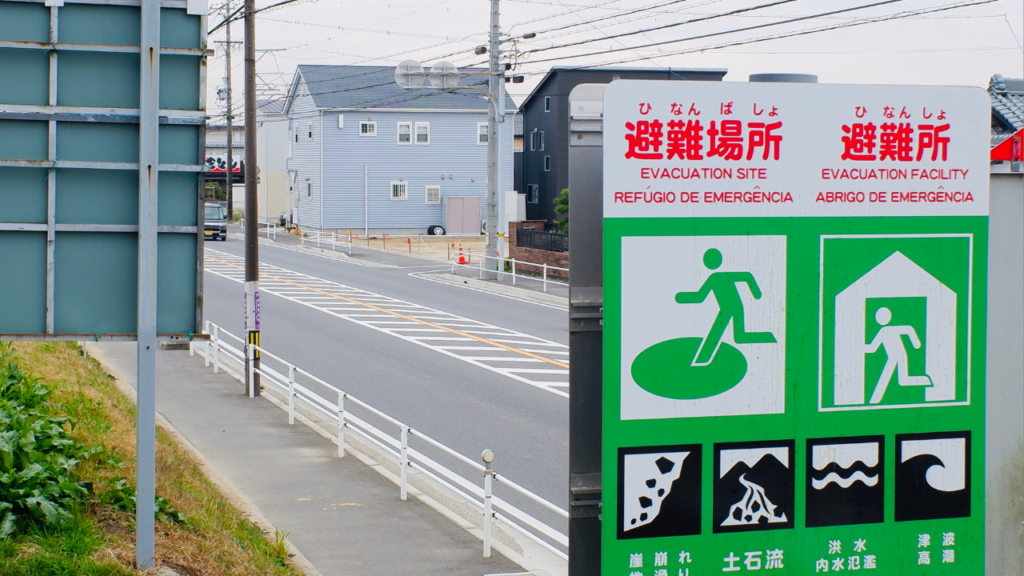
Near the coast, strong shaking means possible tsunami risk.
Move to higher ground right away, and do not wait for an official warning.
How Japan Prepares for Earthquakes
Japan assumes earthquakes will happen and prepares for them.
- Very strict building codes
- Regular disaster drills
- Earthquake education from early childhood
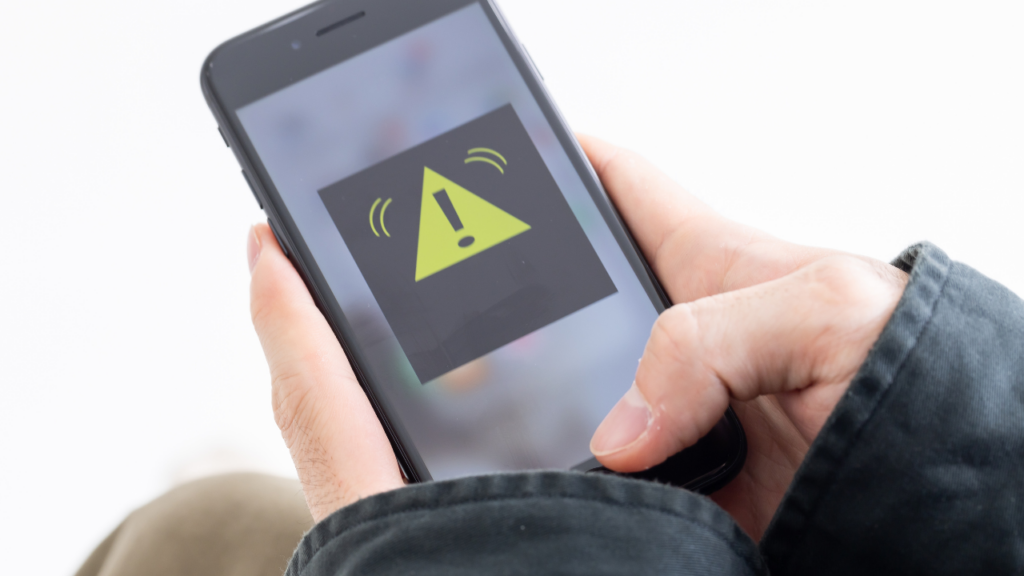
Japan also has an early warning system.
Phones and TV broadcasts may alert people seconds before shaking starts.
When you hear:
“This is an emergency earthquake alert.”
Take cover right away.
Tsunami Risk After Earthquakes
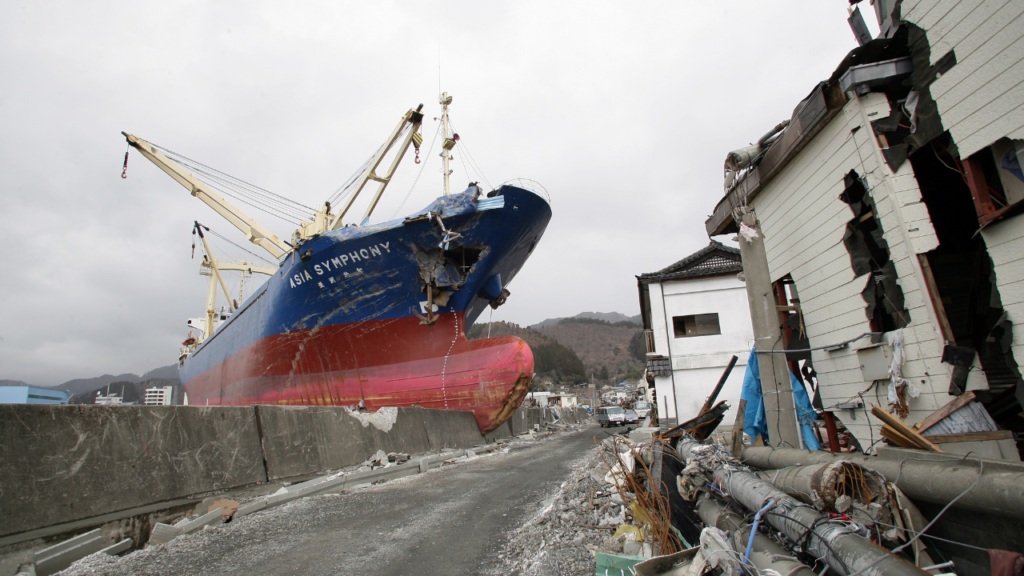
After a strong earthquake, tsunamis are a serious risk near the coast.
What to do:
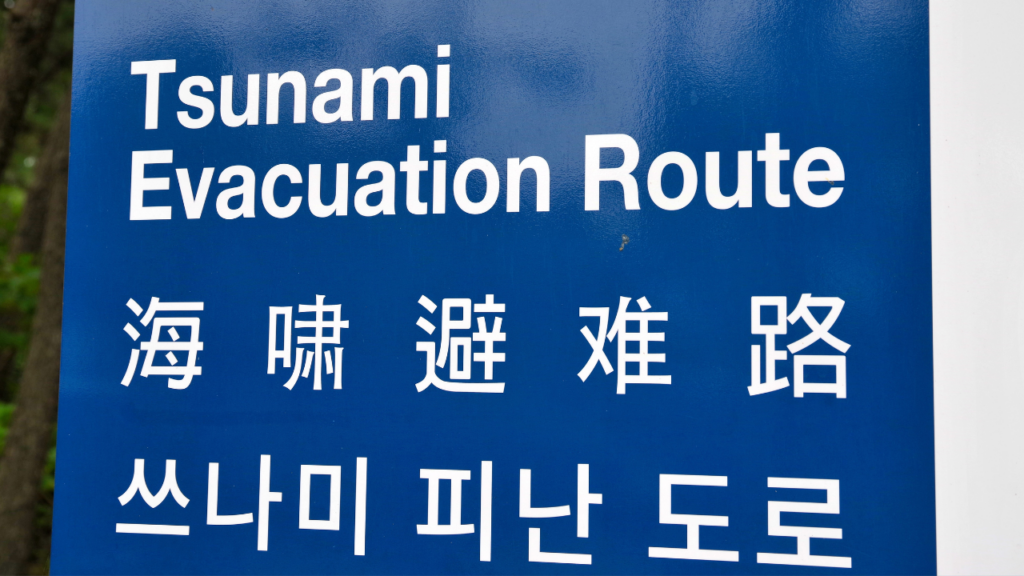
- Move to a tsunami evacuation area or nearby hill
- If no hill is available, go to a strong concrete building
- Move to the third floor or higher
Tsunamis can arrive quickly.
Fast action saves lives.
Major Earthquakes in Japan
- Great Hanshin Earthquake (1995)
Severe damage in Kobe and nearby areas - Great East Japan Earthquake (2011)
Magnitude 9.0 earthquake and massive tsunami - Kumamoto Earthquakes (2016)
Series of strong earthquakes - Noto Peninsula Earthquake (2024)
Magnitude 7.6 earthquake in Ishikawa
Is Japan Safe for Visitors?
Earthquakes are common, but Japan is well prepared.
- Hotels and public buildings have safety manuals
- Staff are trained to guide people
- Emergency services respond quickly
During an earthquake, follow instructions from hotel staff or police.
@moreunclesidders Can confirm I’m alive #fyp #foryou #foryoupage #viral #earthquake #japan #japanese #vlog #clip #youtuber #youtube #fypviral ♬ original sound – MoreUncleSidders
Where to Get Reliable Information
- Japan Meteorological Agency
Official earthquake and tsunami warnings - NHK World Japan
Live disaster news in English - Safety Tips App
Emergency alerts and evacuation guidance in multiple languages
Key Takeaway
Japan has many earthquakes because of where it is located, not because it is unique or cursed.
The important thing is not fear, but preparation.
Japan is designed with earthquakes in mind.
Knowing what to do helps you stay calm—and stay safe.