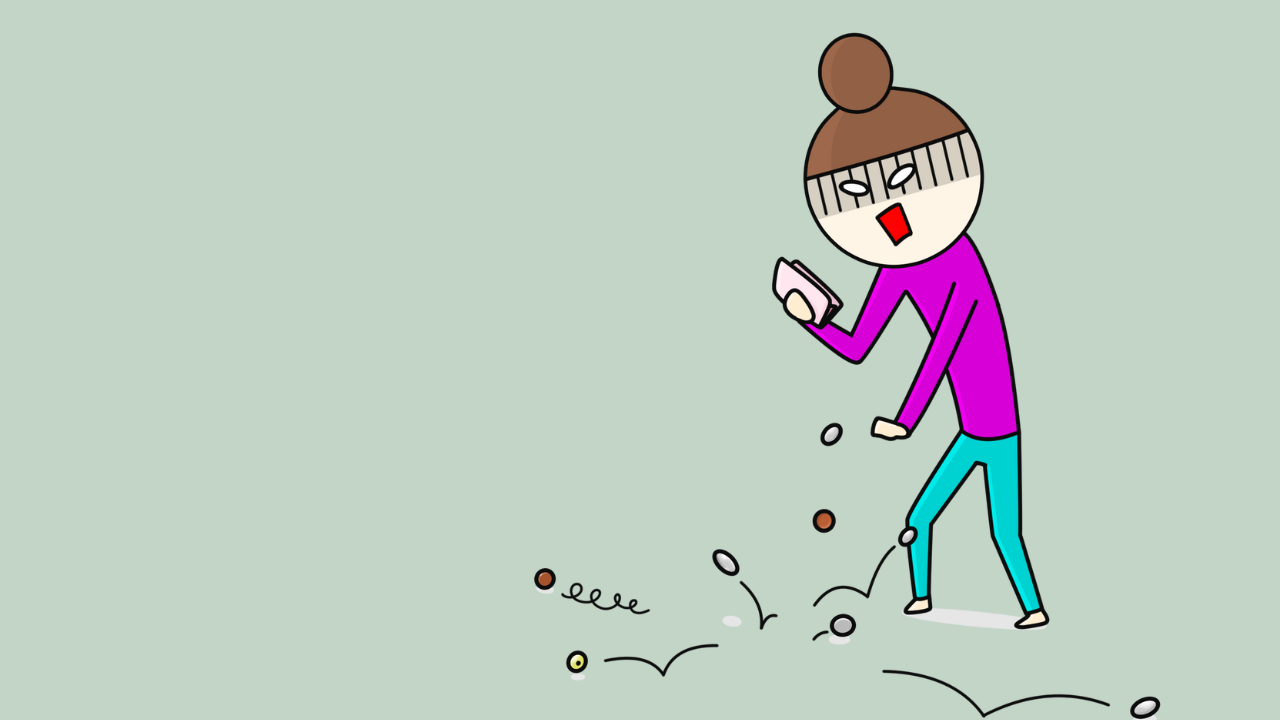
Cashless payment is increasing in Japan, but there are still many situations where cash is required. Convenience stores and chain restaurants often accept cards and QR payment.
However, small restaurants, family-run inns, and local areas may only accept cash. This article explains why cash is still important in daily payments.
Individual businesses still rely on cash
Many small restaurants and privately run shops prefer cash. Payment terminals have fees, and some owners choose not to install them.
Therefore, traditional diners, small bars, and family-run guesthouses often use a simple register and cash payment only.
Public services and transport often use cash
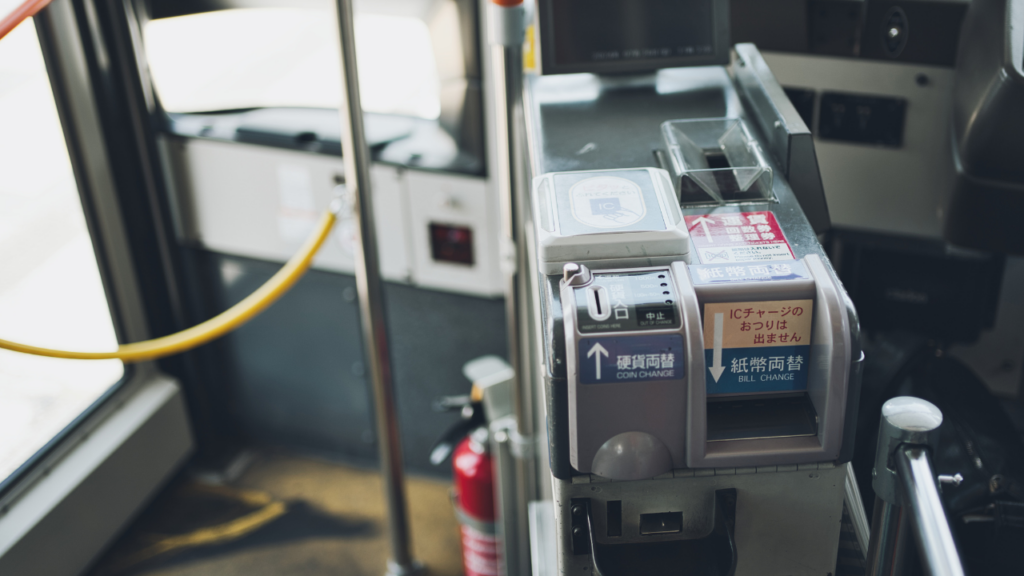
Cashless payment is expanding in transport. However, some services still require cash.
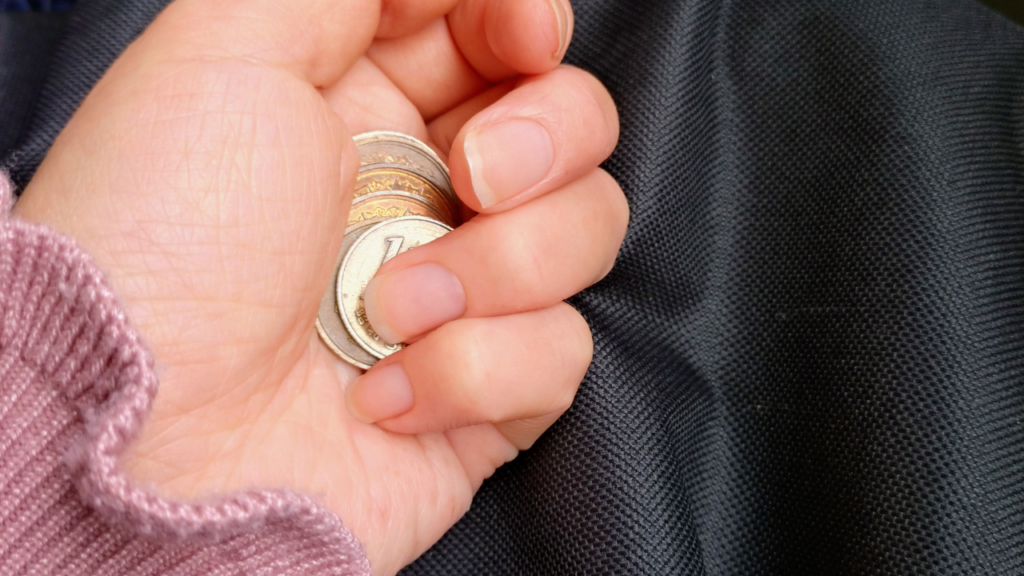
For example, local buses, coin lockers, and offerings at temples or shrines may only accept coins or banknotes. As a result, travelers may need cash for small payments in daily situations.
People often use cash for small payments

Many people in Japan prefer cash for low-value payments. For example, small purchases at vending machines or local shopping streets often use coins or small bills. Additionally, some people choose cash because it makes spending easier to control.
Cash is useful during emergencies
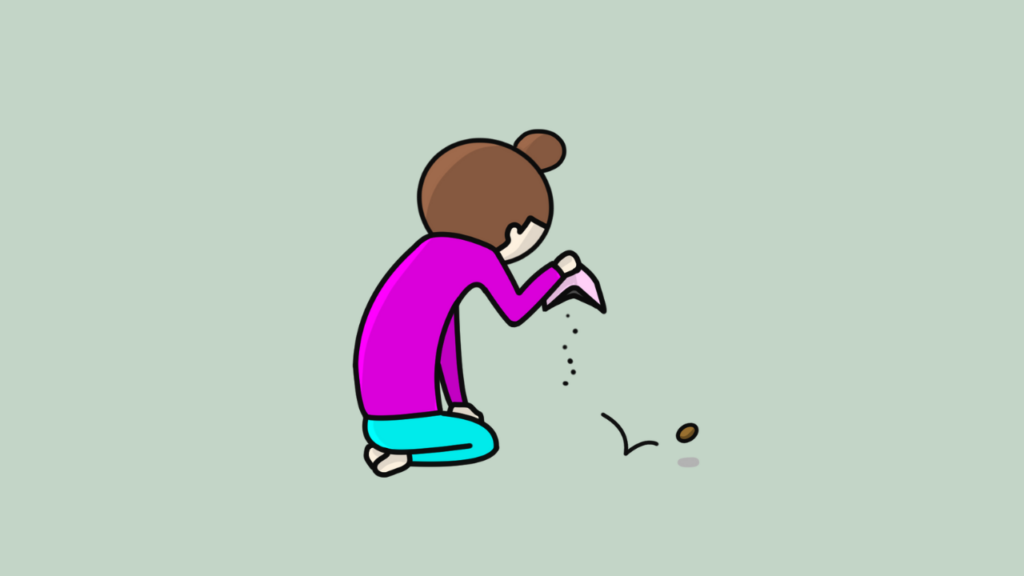
Japan has many earthquakes and typhoons. During a power outage or network failure, card terminals and QR payment may stop working. Therefore, cash is considered a reliable payment method in emergencies, and many people carry some cash as part of disaster preparedness.
Some overseas cards and QR systems may not work

Cashless systems are improving for international visitors. However, some stores cannot process overseas cards or foreign QR brands. Therefore, travelers may avoid problems by using cash together with cards.
Practical advice for travelers
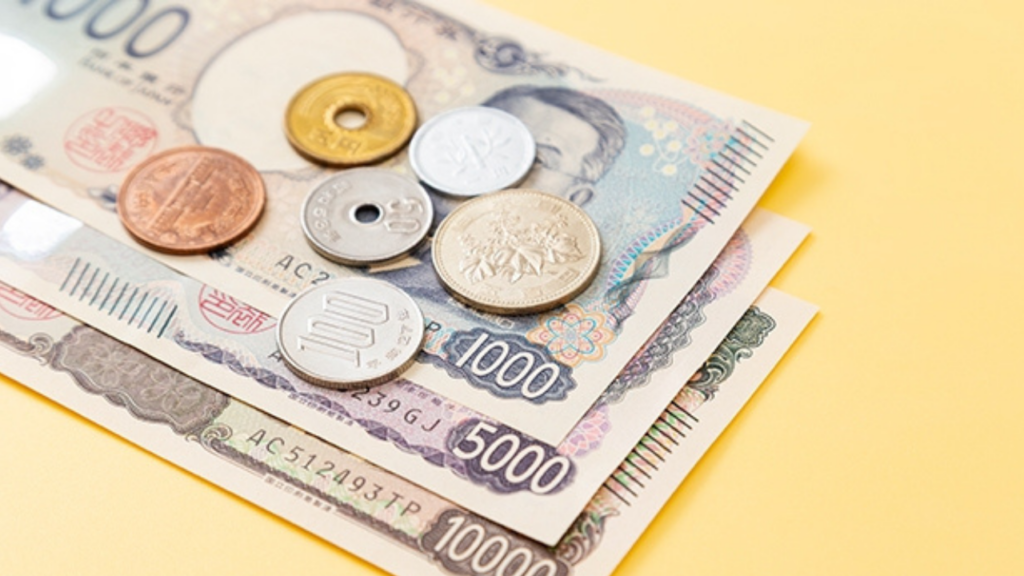
Carrying a small amount of cash is useful when traveling in Japan. It is helpful to keep more ¥1,000 bills and coins for transport, vending machines, and lockers. The most practical approach is to use both cash and cards.
Summary
Cash is still important in Japan because many small businesses use cash, public services and small payments rely on coins and bills, emergency situations may stop digital payments, and some international cards or QR systems are not supported. Therefore, using cash together with cashless payment is the safest option for travelers.
FAQ
Cash is often needed at small shops, local restaurants, temples, shrines, and rural areas. Some ticket machines and older vending machines also only take cash.
Yes, most convenience stores, supermarkets, and chain restaurants accept cards and digital payments. However, cash is still useful when a payment system is unavailable.
It is safer to carry some small bills and coins for daily expenses. Many payments are small amounts, such as transport, snacks, or shrine donations.
Yes, you can withdraw cash at ATMs in convenience stores and post offices. Some ATMs support international cards, but withdrawal fees may apply.