At some point during a trip to Japan, many travelers notice the same thing.
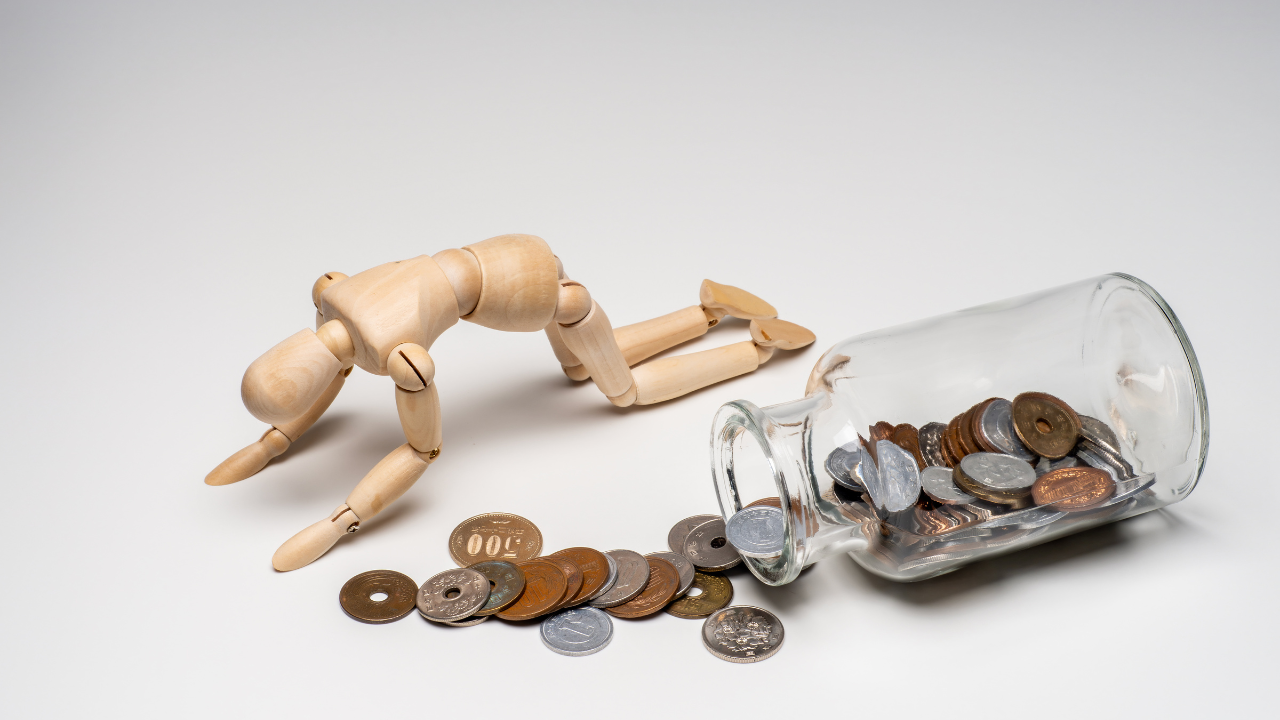
Their pockets feel heavy. Their bag starts making a constant clinking sound.
You use vending machines.
You pay at convenience stores.
And yet, the number of coins never seems to go down.
This isn’t your imagination.
It’s a very common Japan travel experience.
- Reason 1: Japan Still Relies Heavily on Cash
- Reason 2: Japan Uses Very Small Coins
- Reason 3: Paying with Bills Actually Creates More Coins
- Reason 4: Japanese Cashiers Are Extremely Precise
- IC Cards Make a Big Difference
- Why Coins Still Don’t Completely Disappear
- How People in Japan Handle Coins
- Conclusion: Coins Are Part of Adapting to Japan
Reason 1: Japan Still Relies Heavily on Cash
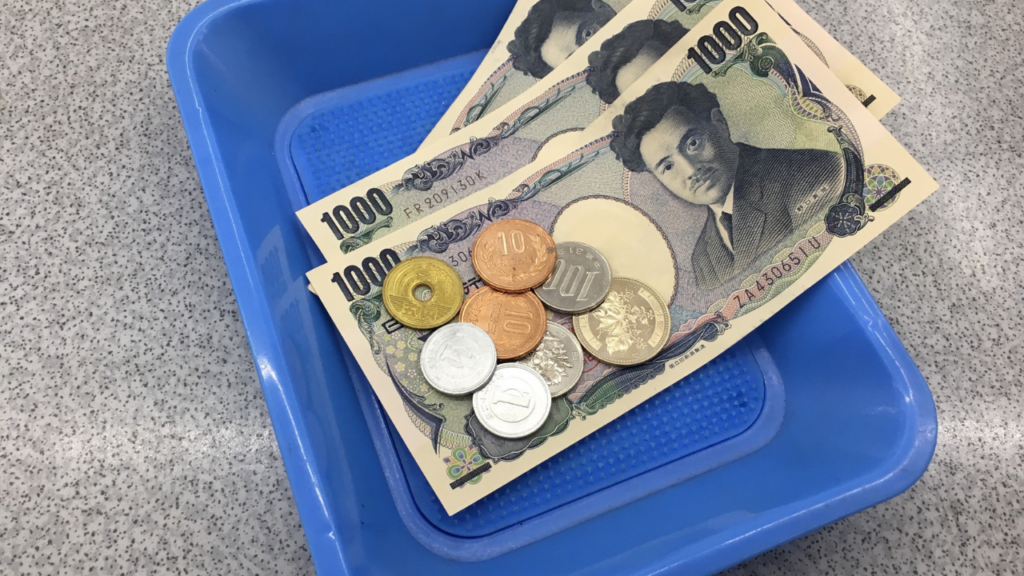
In Japan, cash is still widely used.
This is especially true at small restaurants, local shops, temples and shrines, and places that use ticket vending machines.
Even though card and mobile payments are becoming more common,
cash is often still the fastest and most reliable option.
As a result, this cycle repeats over and over:
You pay → you receive change → coins increase.
Reason 2: Japan Uses Very Small Coins
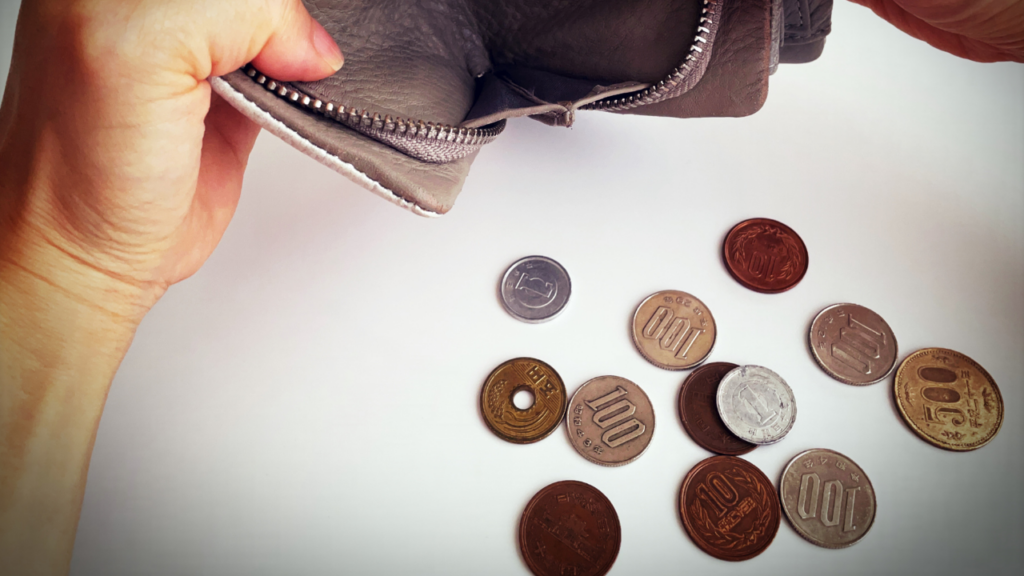
Japan has ¥1 and ¥5 coins.
In many countries, amounts this small don’t exist as physical money.
In Japan, however, they are everywhere.
This is caused by a combination of:
- Consumption tax
- Very precise pricing
- A culture that avoids rounding totals
Together, these create a system where tiny coins are constantly produced.
For travelers, this is one of the biggest reasons coins pile up so quickly.
Reason 3: Paying with Bills Actually Creates More Coins
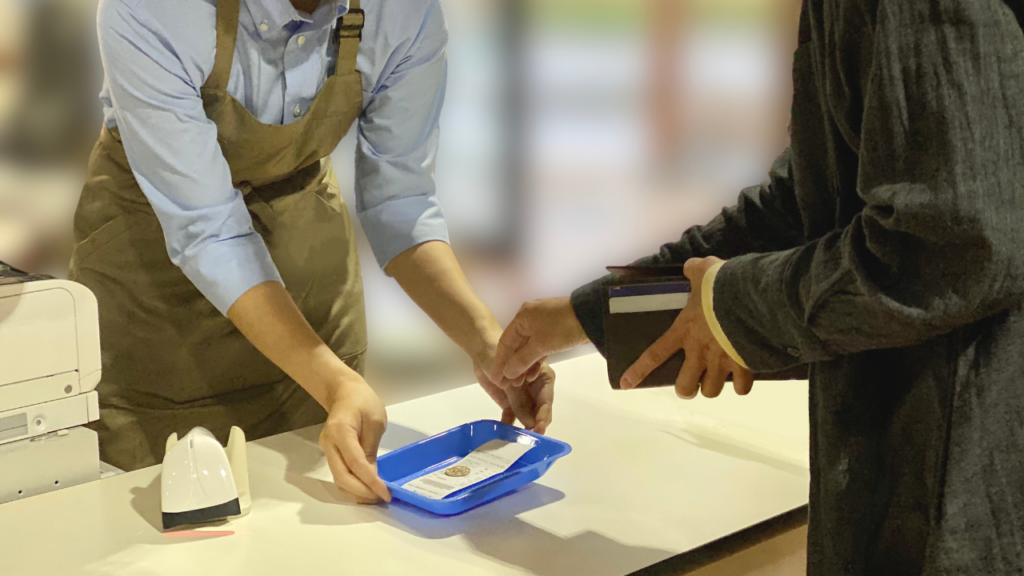
Many visitors do this:
“I don’t want to deal with small change, I’ll just use a bill.”
“I’ll get rid of the coins later.”
In Japan, this usually backfires.
Every time you pay with a bill, you receive change.
And that change is almost always coins.
In other words,
the less you use coins, the more you end up with.
Reason 4: Japanese Cashiers Are Extremely Precise

Japanese cash handling is very exact.
- No rounding
- No shortcuts
- Exact change, every time
This accuracy is great, but it also means coins rarely disappear on their own.
There’s simply no natural escape for small change.
IC Cards Make a Big Difference
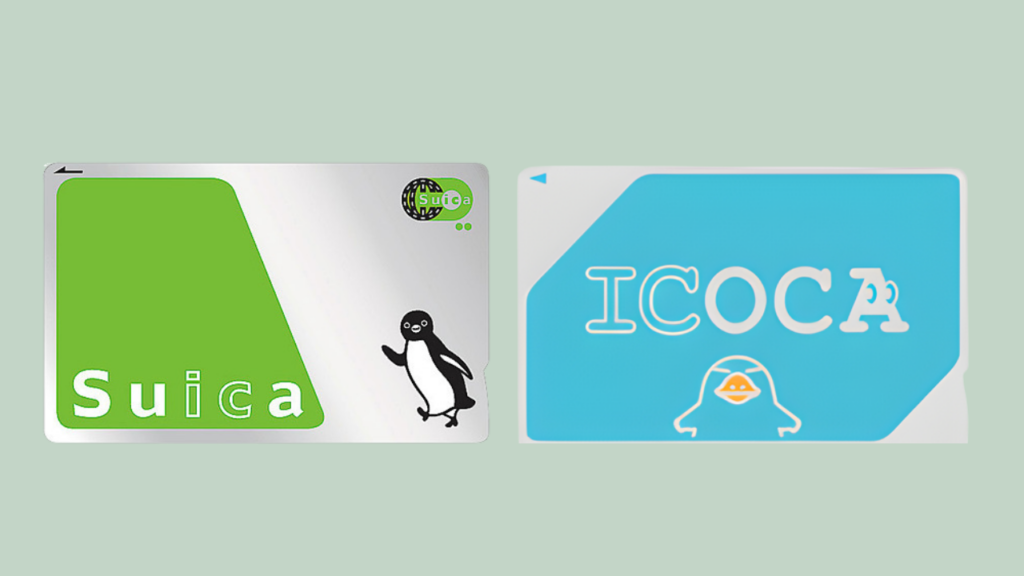
This is where transportation IC cards such as ICOCA, Suica, and PASMO become very useful.
These cards can be used not only for trains and buses, but also for:
- Convenience stores
- Vending machines
- Station shops
- Many chain restaurants
They are especially helpful for small, frequent purchases.
If you use an IC card for drinks, snacks, and transportation,
the number of situations that create coins drops dramatically.
Why Coins Still Don’t Completely Disappear
Even with an IC card, cash is still required in some places:
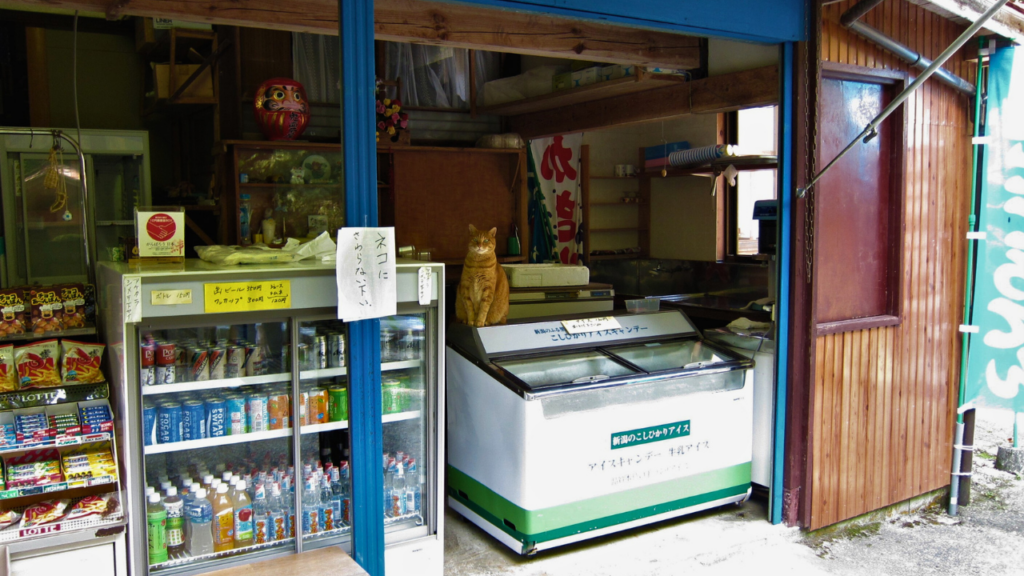
- Cash-only restaurants
- Temples and shrines
- Small shops in rural areas
An IC card isn’t magic.
It doesn’t eliminate coins completely.
What it does do is slow down how fast they accumulate.
How People in Japan Handle Coins
People in Japan expect coins to exist.
Many locals:
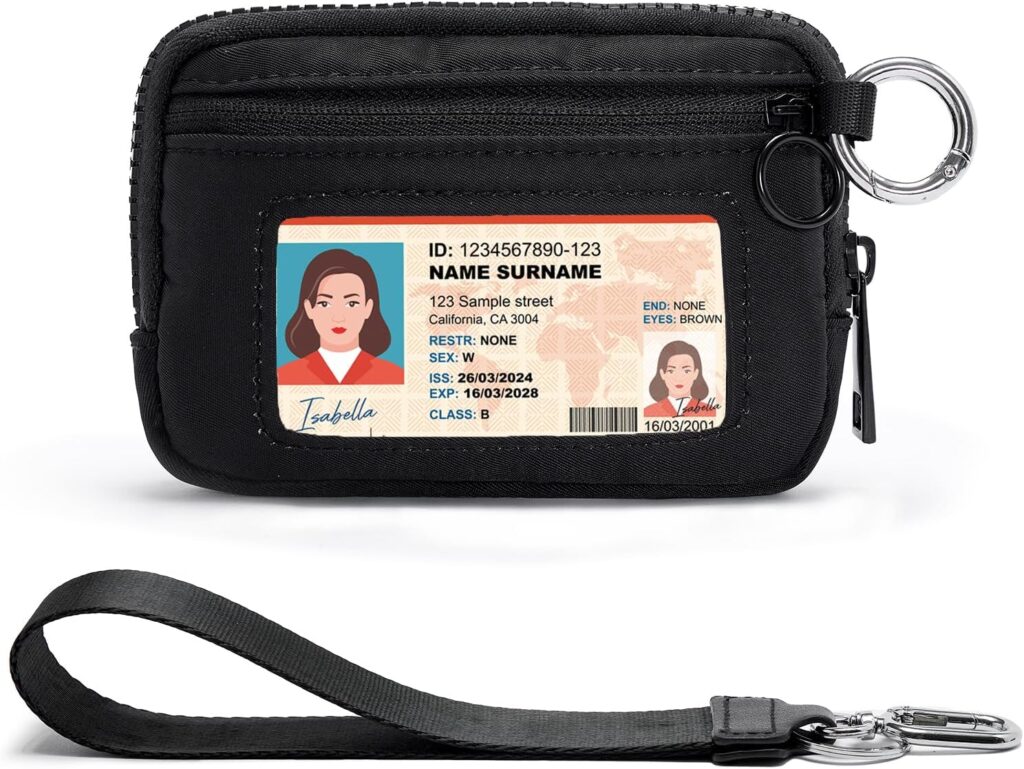
- Carry a separate coin purse
- Try to pay with exact change
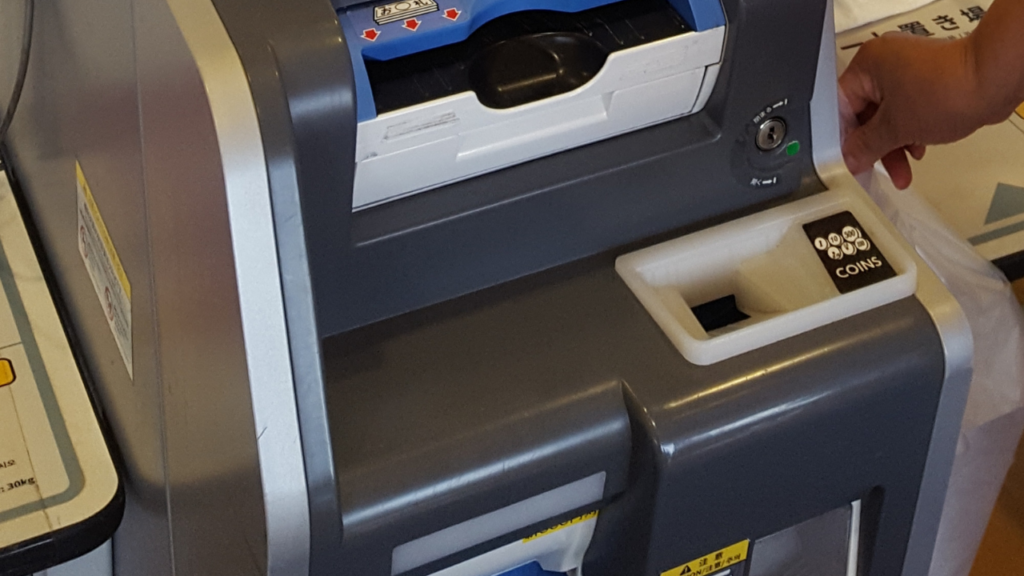
- Use self-checkout machines to dump all their coins at once
It’s also common to hand a coin purse to the cashier,
who can instantly select the best combination without hesitation.
Conclusion: Coins Are Part of Adapting to Japan
Ending up with lots of coins in Japan doesn’t mean you’re doing something wrong.
And it doesn’t mean Japan is outdated.
It simply means the system works differently.
Once you understand how cash, coins, and IC cards fit together,
traveling in Japan becomes much smoother.
And those heavy pockets?
They’re just part of learning how daily life works here.