

In Japan, people often avoid saying “No” directly and use softer or indirect expressions instead. This style is not a sign of weakness. It works as a way to keep relationships smooth and to avoid breaking the social atmosphere of a conversation. The intention to refuse is present, but it is expressed in a way that reduces negative impact.
Avoiding conflict or confrontation

Japanese society tends to value harmony more than direct disagreement. A strong refusal can create tension between people. Therefore, many people choose softer wording when they need to decline something.
Respect for the other person’s feelings

A direct “No” may sound like a rejection of the other person’s effort or idea. Indirect expressions help protect the other person’s dignity and emotional comfort.
Communication depends on context
In Japanese communication, context, tone, and timing often carry meaning. Phrases such as “It may be difficult,” or “Maybe next time,” usually mean “No,” even if the word itself is not spoken.
Common indirect refusal phrases
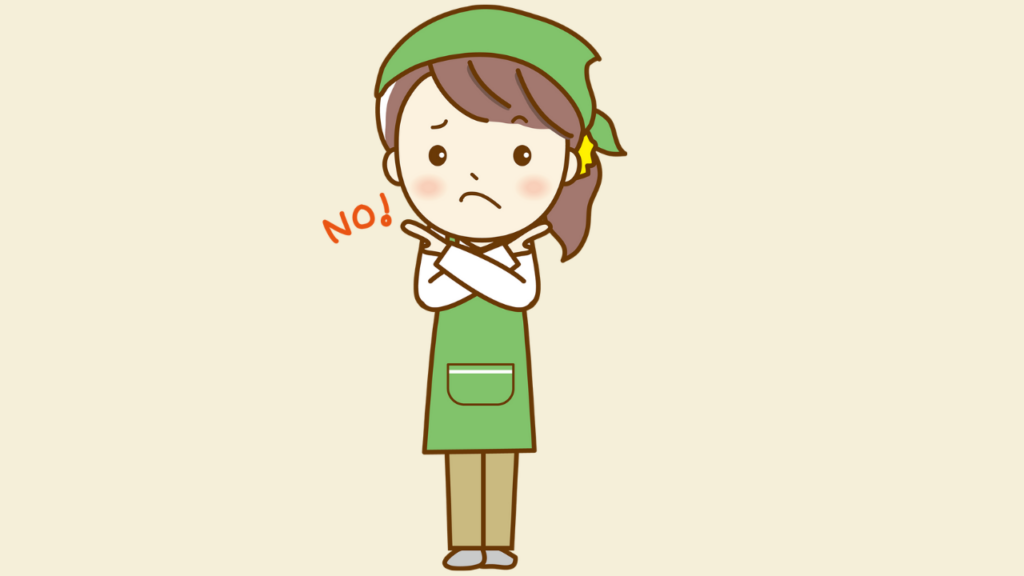
- “I will think about it.”
- “Maybe not this time.”
- “It is difficult right now.”
- “Let’s talk about it another time.”
The wording sounds gentle, but the intention is often a clear refusal.
Practical points for travelers
- An indirect answer may actually mean a polite refusal
- Asking again may not change the result
- Understanding this style helps communication remain smooth
Summary
The tendency to avoid saying “No” directly comes from several factors:
- A preference to avoid conflict
- Care for the other person’s feelings and social image
- Strong use of context in communication
- Cultural values that prioritize harmony