
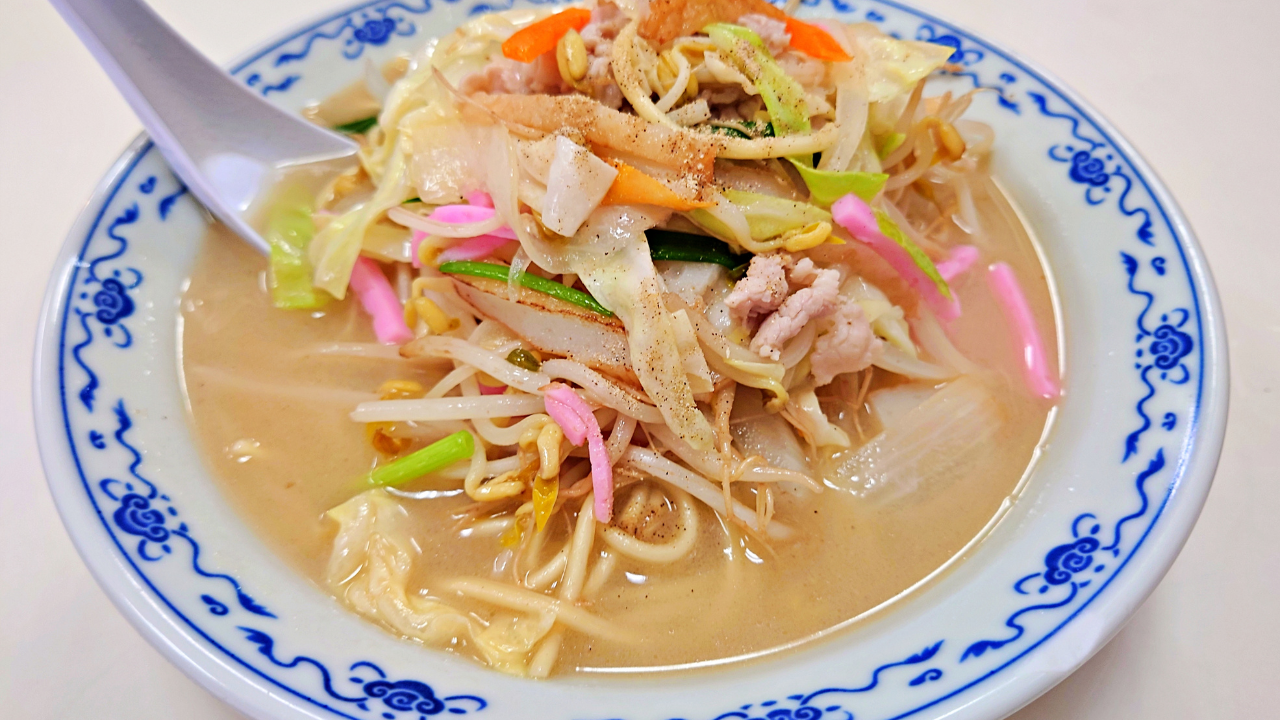
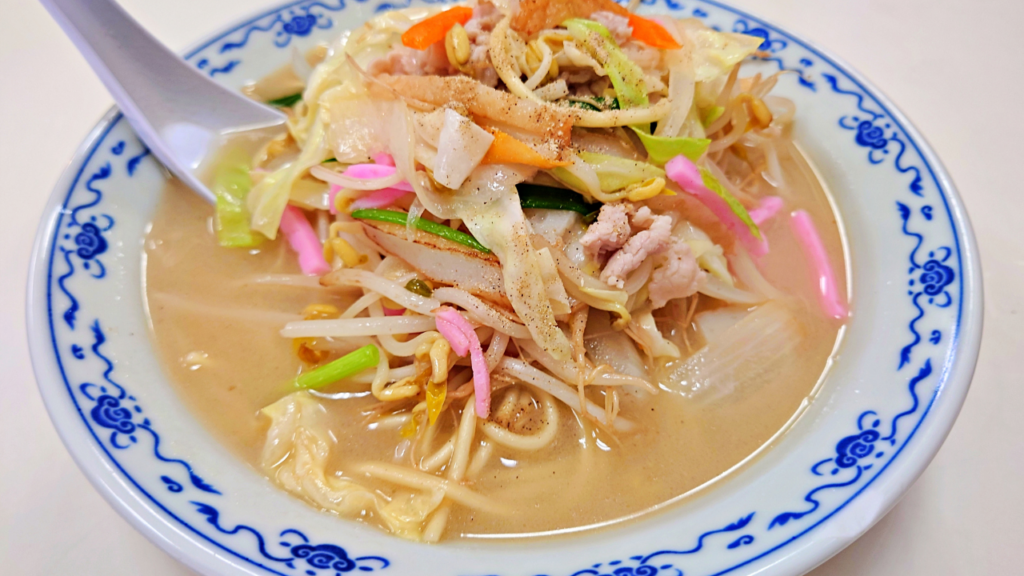
Nagasaki champon stands apart from typical noodle dishes. The broth is rich and creamy, while seafood, pork, and vegetables create a dense, satisfying bowl. The dish reflects Nagasaki’s long history of cultural exchange.
For many visitors, champon quickly becomes a highlight rather than just another meal.
1. Shikairo
Often associated with the origins of champon. The restaurant focuses on a classic, traditional style that emphasizes balance and depth.
The harbor views add another layer to the experience.
2. Sankakutei
Known for a lighter interpretation. The broth feels less dense, making it easier for those who find standard champon too heavy.
A quieter, more local atmosphere.
3. Yokohama
Blends Chinese culinary influence with Nagasaki’s local style. The flavors lean slightly bolder, with a strong emphasis on the broth.
Reliable, straightforward execution.
4. Fukujyu
Recognized for generous portions. Seafood and vegetables are noticeably abundant, creating a visually dense bowl.
The setting feels informal and welcoming.
5. Kairakuen
Located in Nagasaki Chinatown. Champon remains the central draw, but many visitors also pair it with kakuni manju (braised pork buns).
A classic Chinatown dining environment.
Nagasaki offers no shortage of champon restaurants. Major differences usually appear in broth richness, ingredient volume, and overall weight rather than dramatic changes in flavor profile.
Nagasaki champon is a noodle dish with pork broth and mixed toppings.
Therefore, the soup felt thick and warm, while the bowl felt noticeably heavy.
Additionally, cabbage and seafood create a dense texture.
Champon cooks noodles directly in the soup.
For example, the broth felt richer, and the noodles felt softer and more saturated.
Meanwhile, ramen usually separates cooking steps.
Champon broth tastes creamy and full-bodied.
However, the aroma felt meat-based rather than seafood-focused.
Additionally, the texture felt thicker than typical ramen.
Champon combines noodles, vegetables, and protein layers.
Therefore, the bowl felt heavier, and fullness lasted longer.
Meanwhile, broth richness increases perceived density.