Japan is not only about sushi and ramen.
It is also full of unique, easy-to-find beverages that locals drink every day. If you’re curious about Japanese beverages, you’ll find a wide variety to try across the country.
From nostalgic sodas to health-focused drinks, Japanese beverages reflect daily life in Japan.
Most of them are sold at convenience stores and vending machines, so you can try them anytime.
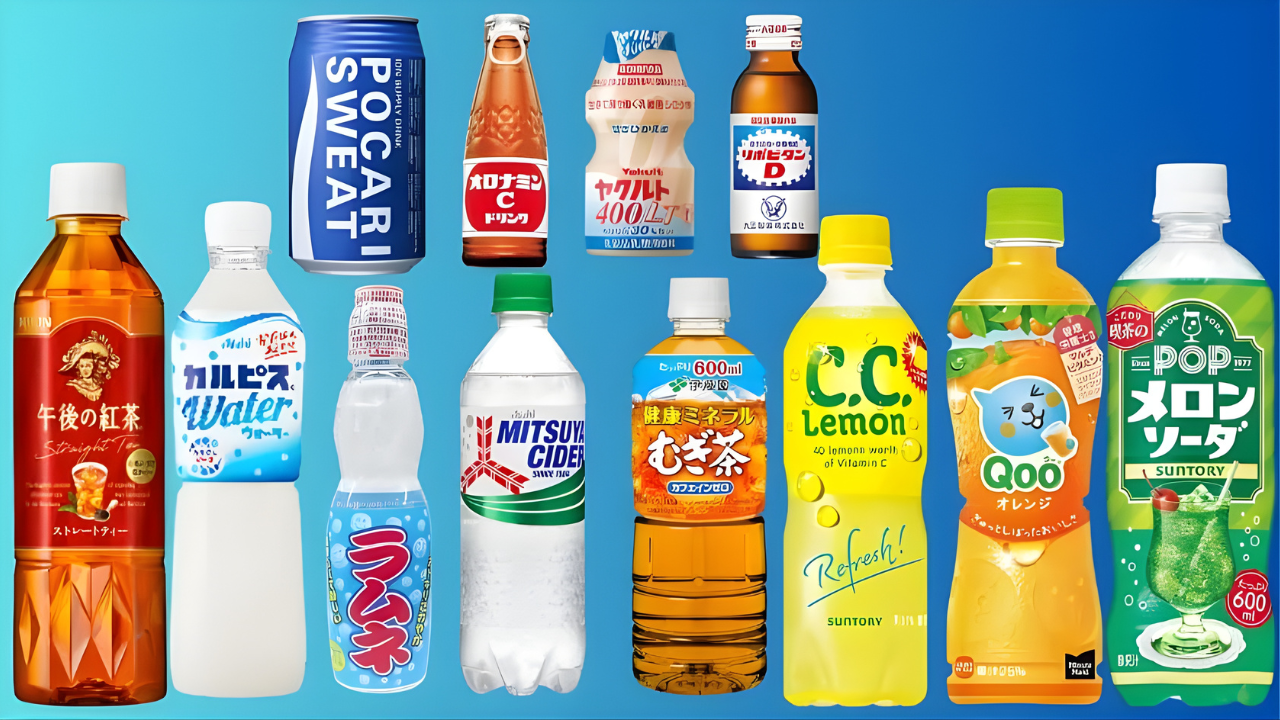
Here are 12 Japanese drinks worth trying during your trip.
1. Ramune
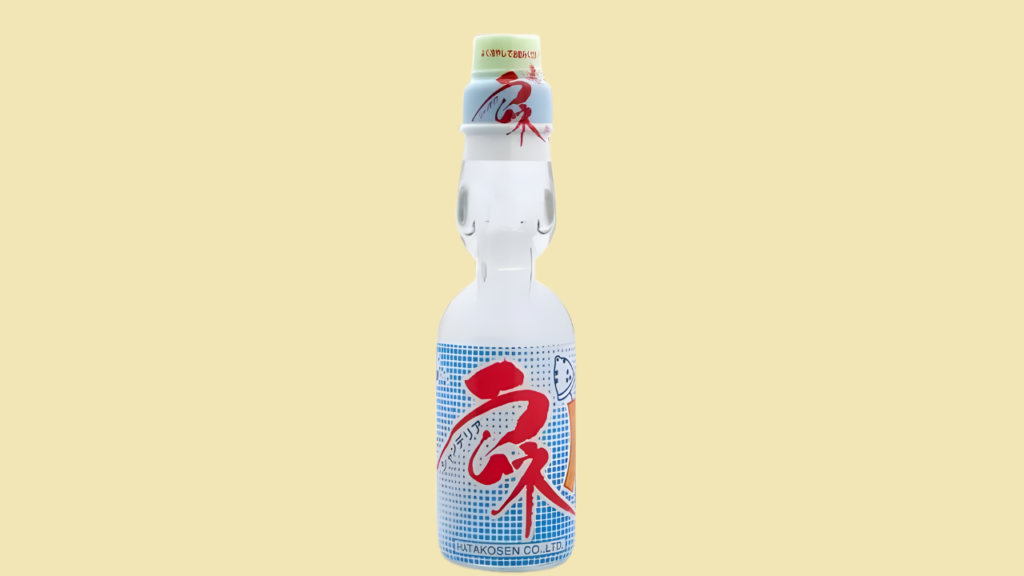
Ramune is a classic Japanese soda sealed with a glass marble.
The flavor is light, fizzy, and mildly sweet.
Why try it?
Opening the bottle is part of the experience, and many people associate it with summer festivals.
2. Pocari Sweat

Despite the name, Pocari Sweat is a mild sports drink designed for hydration.
It tastes lightly sweet and very clean.
Why try it?
It helps replace fluids and salts, especially during hot and humid days.
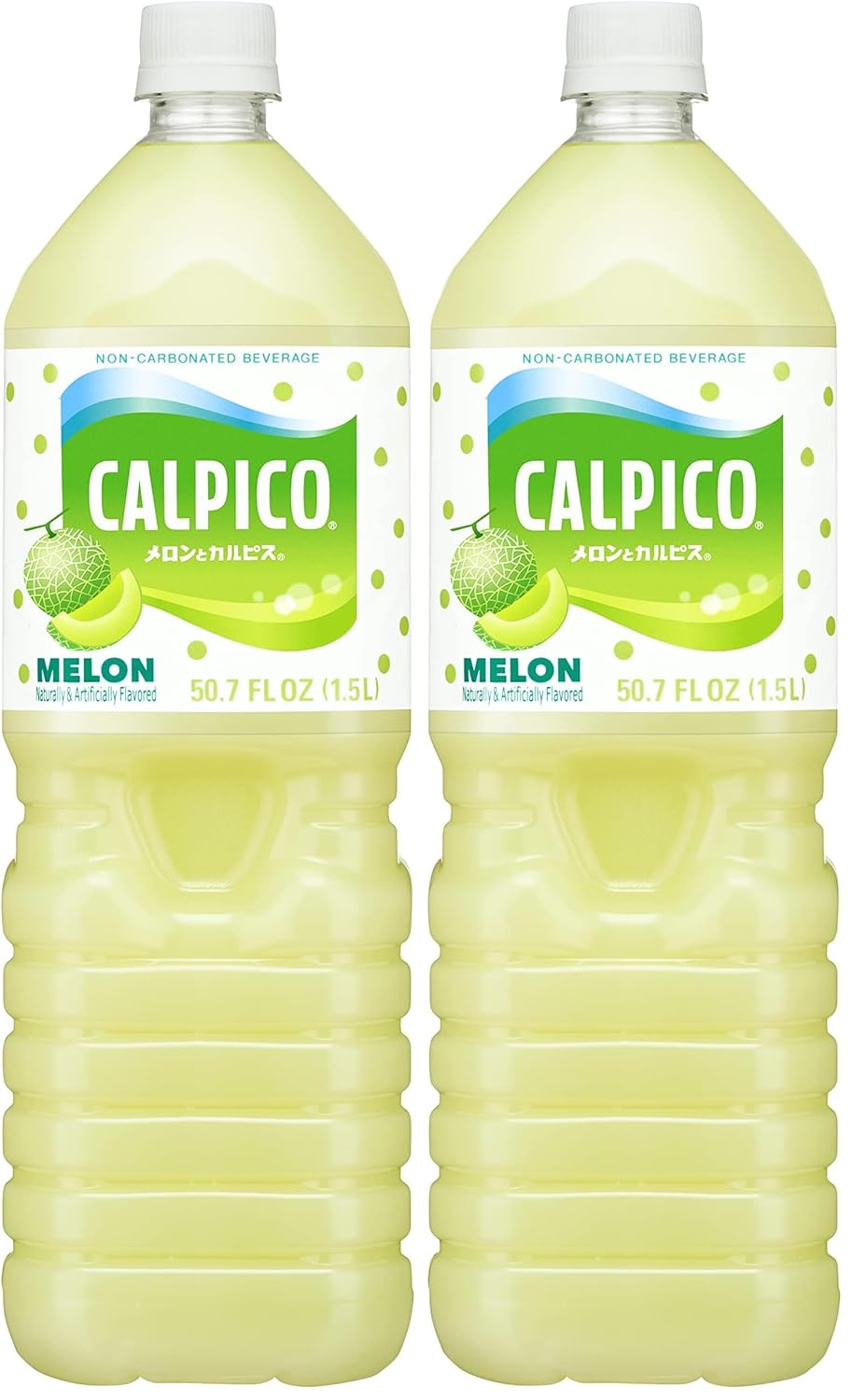
3. Calpis (Calpico)
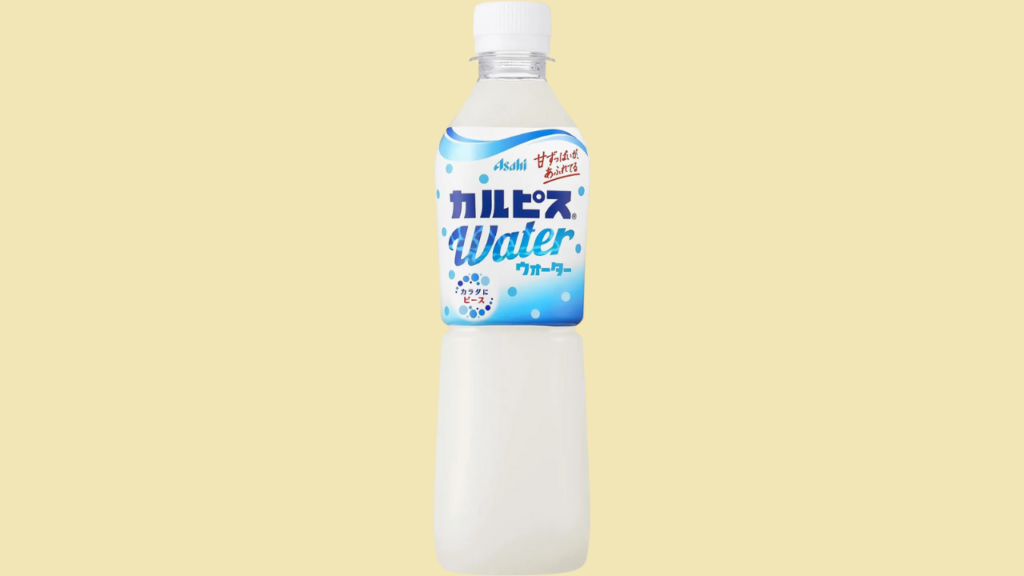
Calpis is a milky, slightly sour drink made from fermented ingredients.
It can be diluted with water or soda.
Why try it?
The flavor is unusual but gentle, and many people grow up drinking it in Japan.
4. Gogo no Koucha (Afternoon Tea)
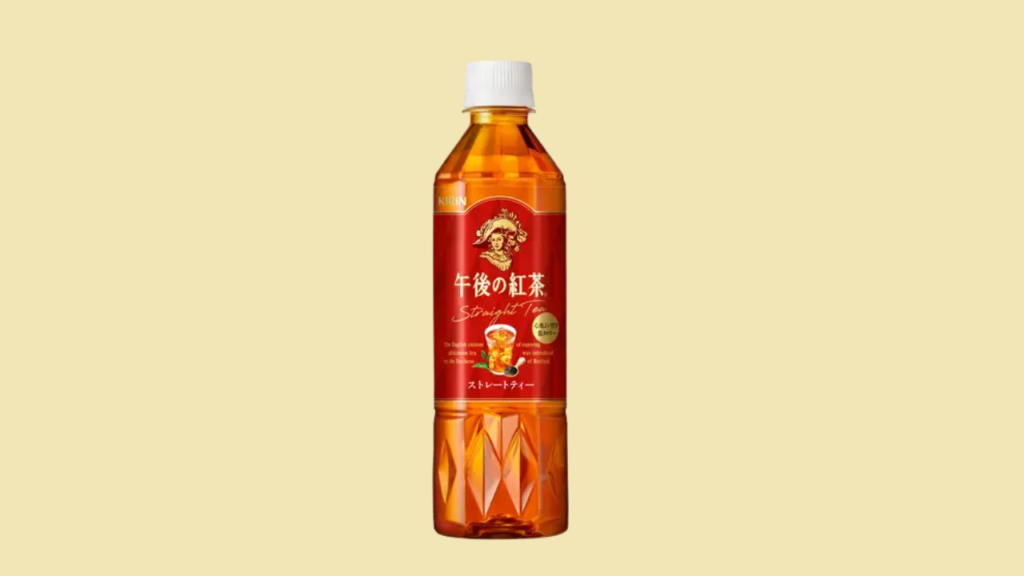
This bottled tea brand offers black tea, milk tea, and lemon tea.
You can find it hot or cold, depending on the season.
Why try it?
It is one of Japan’s most common bottled teas and easy to enjoy anywhere.
5. Lipovitan D
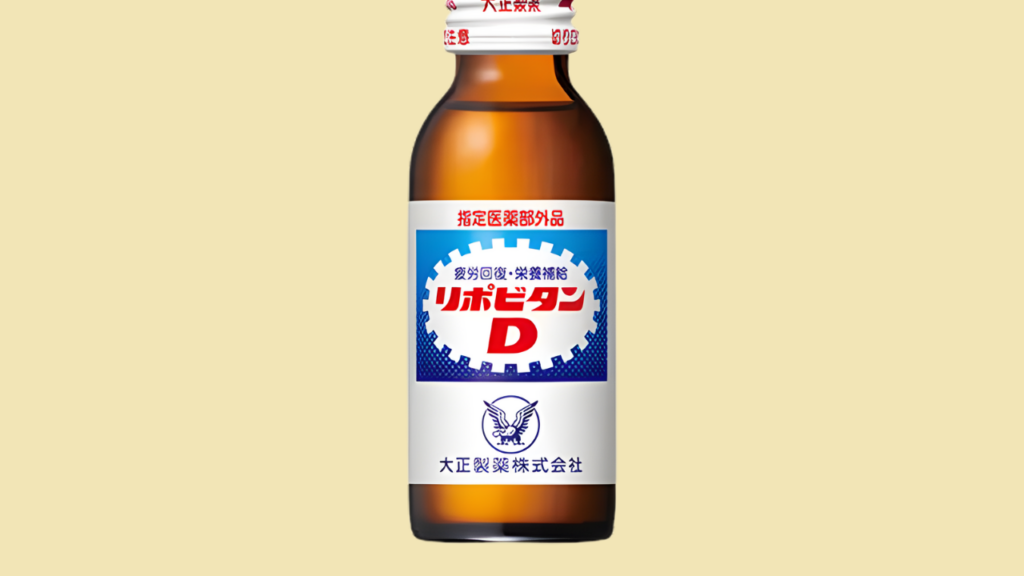
Lipovitan D is a small energy drink containing taurine and vitamins.
It is stronger than most regular soft drinks.
Why try it?
Many people drink it when they feel tired or need a quick boost.
6. Melon Soda
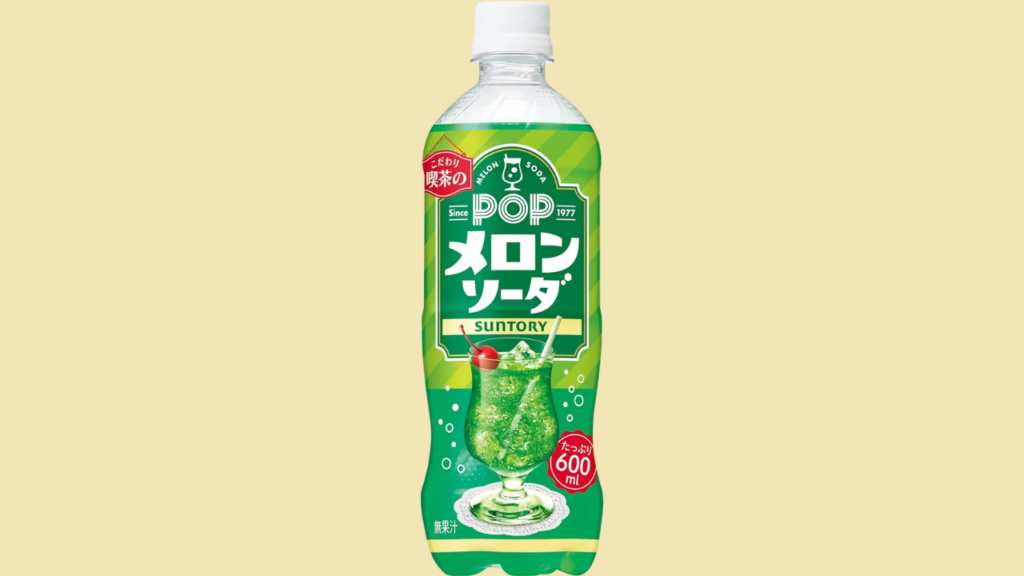
Melon Soda is bright green and sweet, with a candy-like melon flavor.
It is often served with vanilla ice cream as a float.
Why try it?
It looks retro and tastes nostalgic, especially in old cafés.
7. Qoo
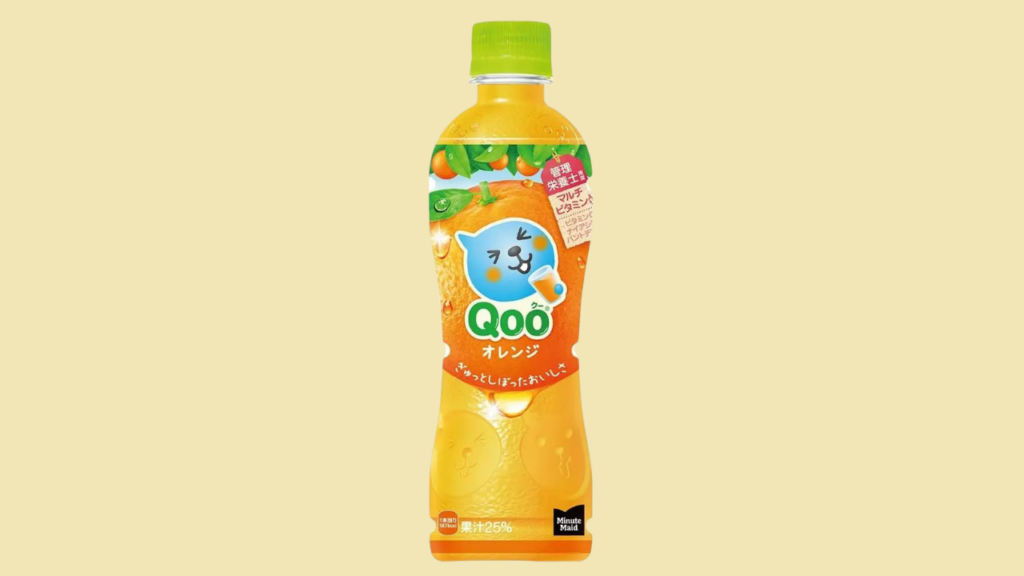
Qoo is a fruit juice drink with a cartoon mascot on the bottle.
Common flavors include apple, grape, and orange.
Why try it?
It is sweet, simple, and popular with both kids and adults.
8. Mitsuya Cider
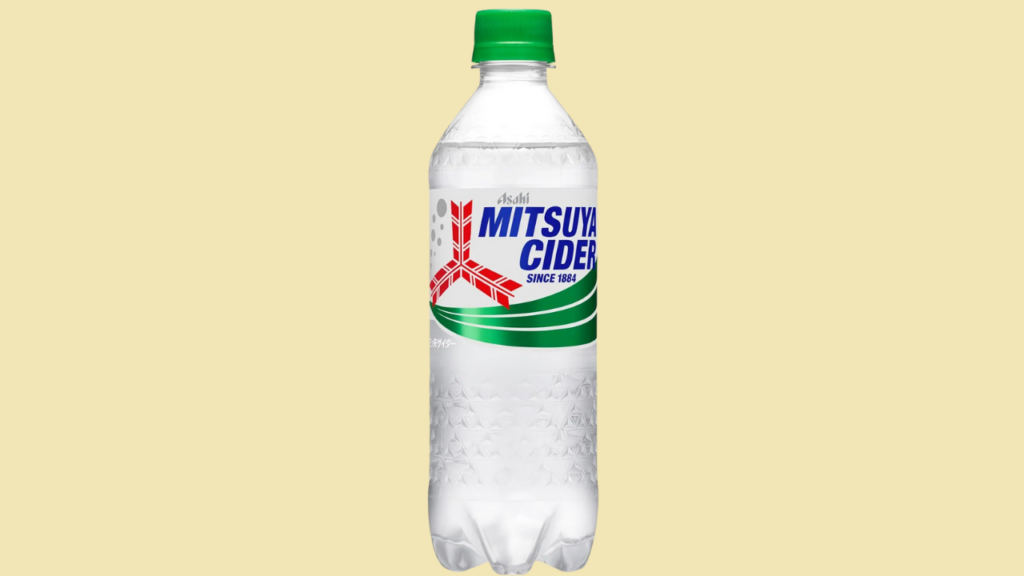
Mitsuya Cider is a clear, lightly carbonated soda with gentle sweetness.
Despite the name, it contains no alcohol.
Why try it?
It feels refreshing without being too sugary.
9. Mugicha (Barley Tea)
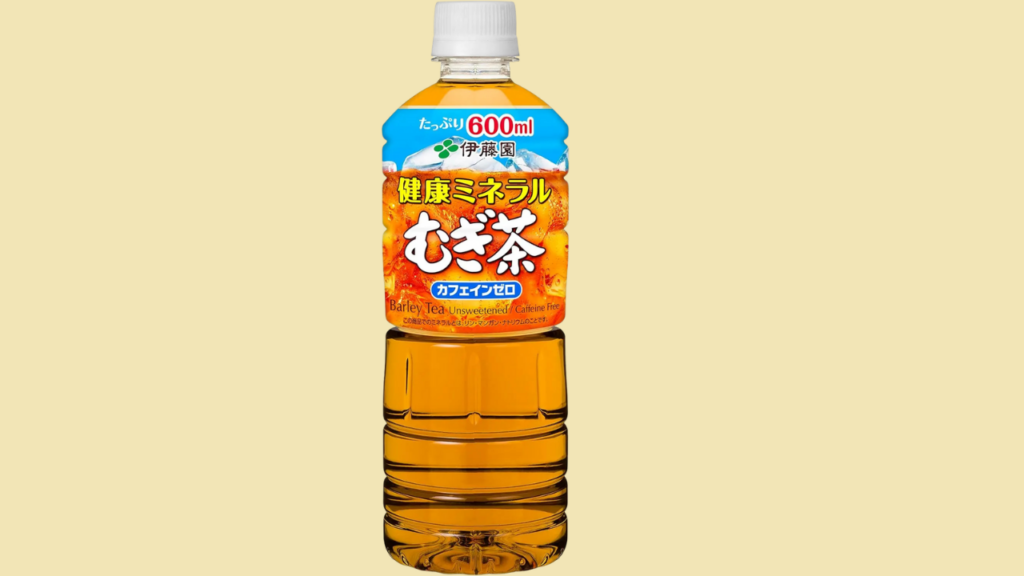
Mugicha is a caffeine-free roasted barley tea.
It tastes nutty and slightly bitter.
Why try it?
Many people drink it daily, especially in summer, because it feels light and hydrating.
10. Yakult
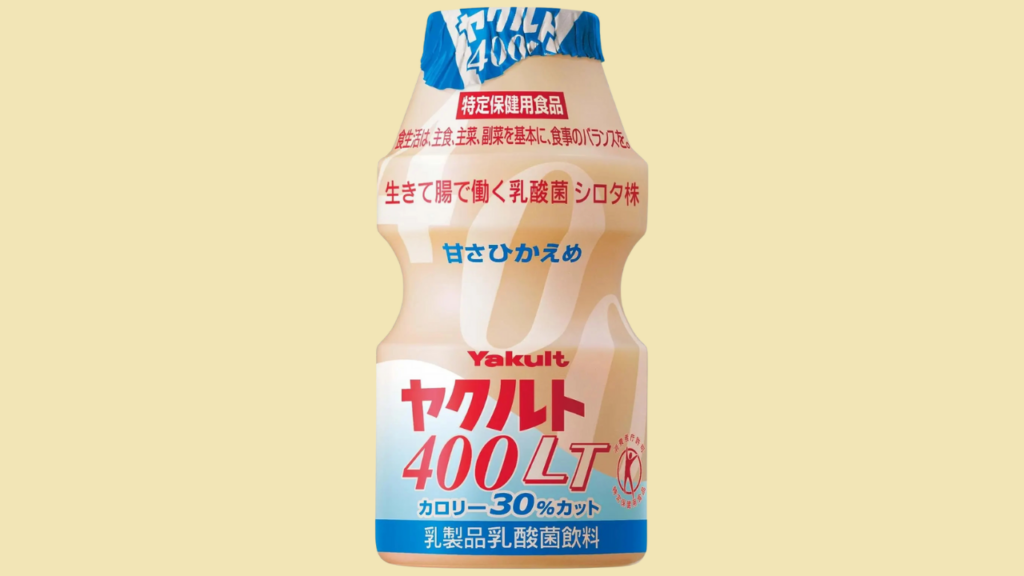
Yakult is a small probiotic drink made with lactic acid bacteria.
It has a mild sweetness and a smooth texture.
Why try it?
It is easy to drink and often associated with digestive health.
11. Orenamin C
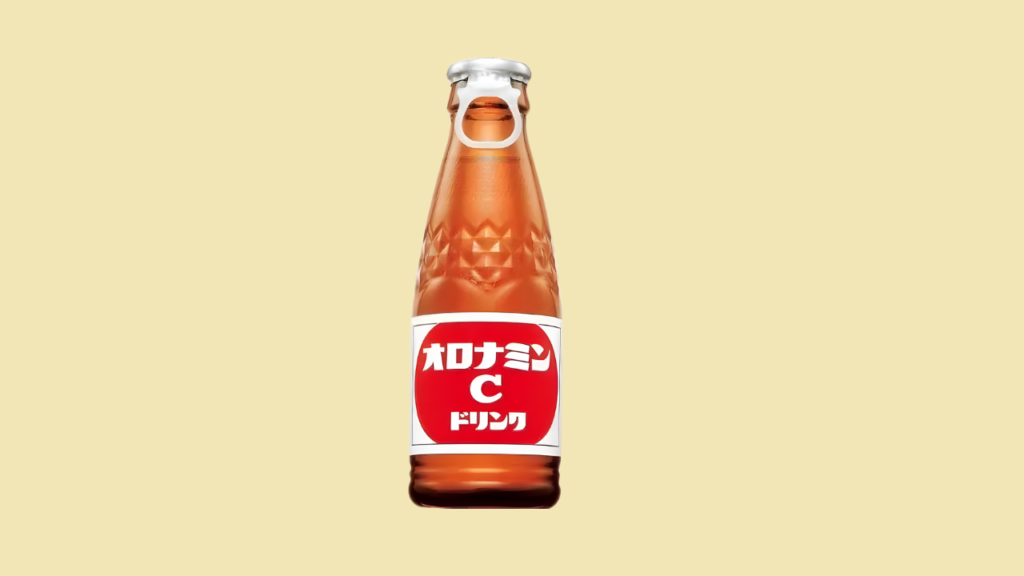
Orenamin C is a small fizzy drink with a sweet citrus flavor.
It contains vitamins B and C.
Why try it?
Its compact bottle and light carbonation make it easy to drink quickly.
12. CC Lemon
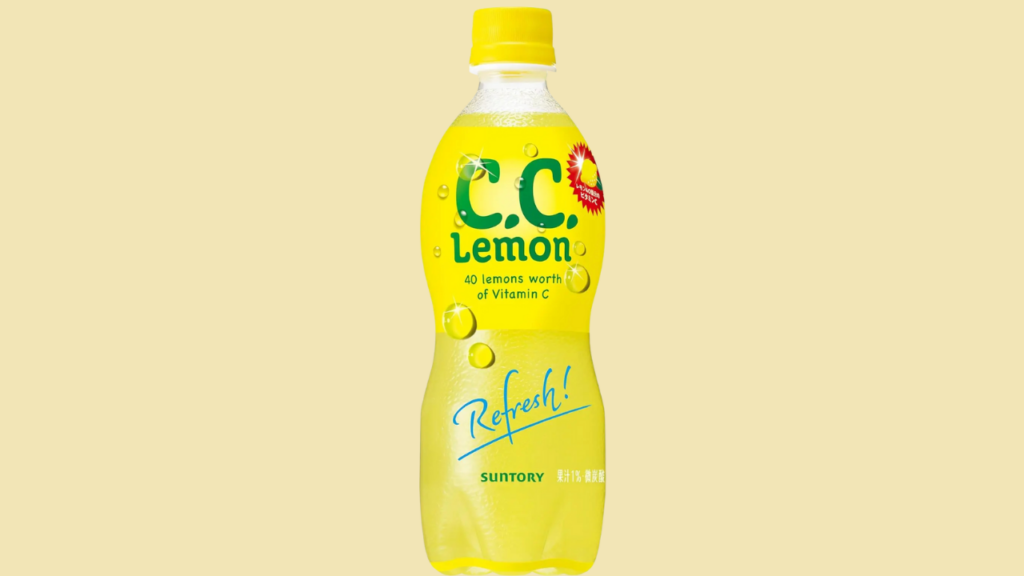
CC Lemon is a lemon-flavored soda with added vitamin C.
The taste is sharp, sweet, and refreshing.
Why try it?
It feels energizing and is easy to find everywhere.
Why Japanese Beverages Are Worth Trying
Japanese drinks are designed for daily life, not special occasions.
They are affordable, widely available, and often tailored to weather, fatigue, or health.
Trying them is a simple way to understand how people in Japan actually live.
No. Ramune is a non-alcoholic carbonated soft drink.
When you open the bottle, you hear a sharp pop, but there is no alcohol effect at all—just light carbonation and sweetness.
Yes. Vending machines are everywhere in Japan.
Because they run quietly and stay well stocked, you can usually grab a cold drink without searching or waiting.
No. Japanese green tea is unsweetened by default.
Many people notice this immediately because the taste feels clean and dry, without sticky sweetness.
Yes. Drinks like mugicha (barley tea) and unsweetened green tea are easy to find.
They feel light on the stomach, so your body does not feel weighed down after drinking.