
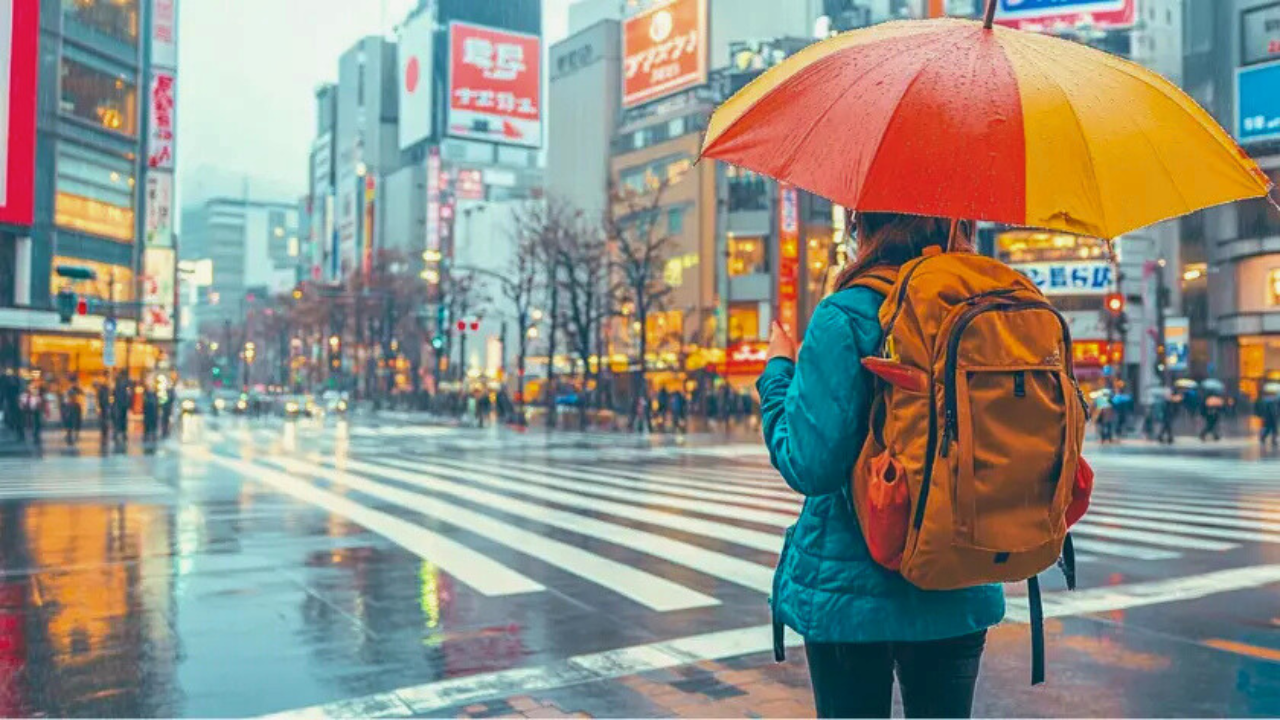
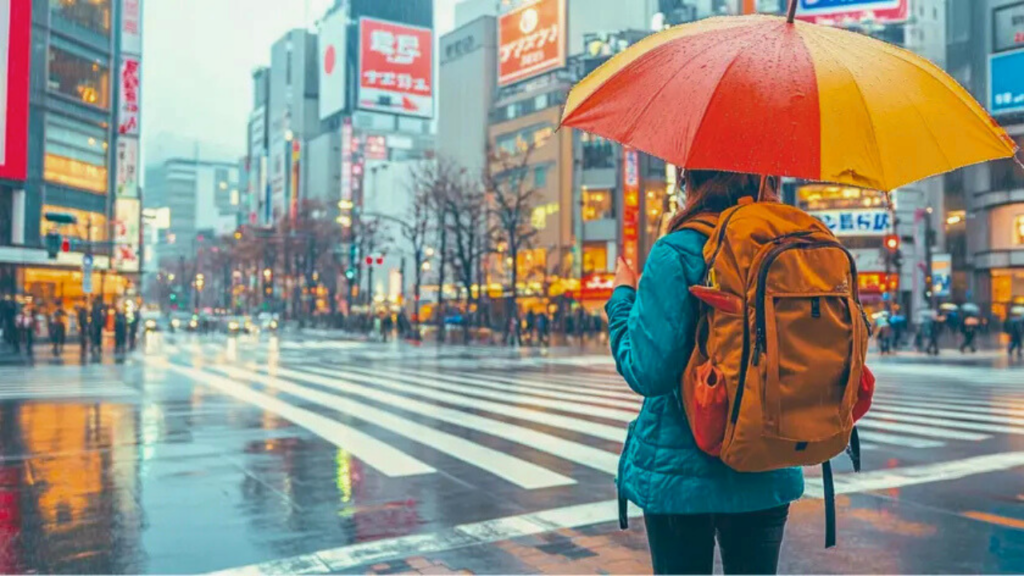
Japan’s climate changes clearly with the seasons.
Cherry blossoms in spring, humid festivals in summer, red leaves in autumn, and snowy landscapes in winter all feel like different countries.
Understanding seasonal patterns helps you pack properly and plan activities without surprises.
Understanding Weather in Japan by Season
Spring (March to May)
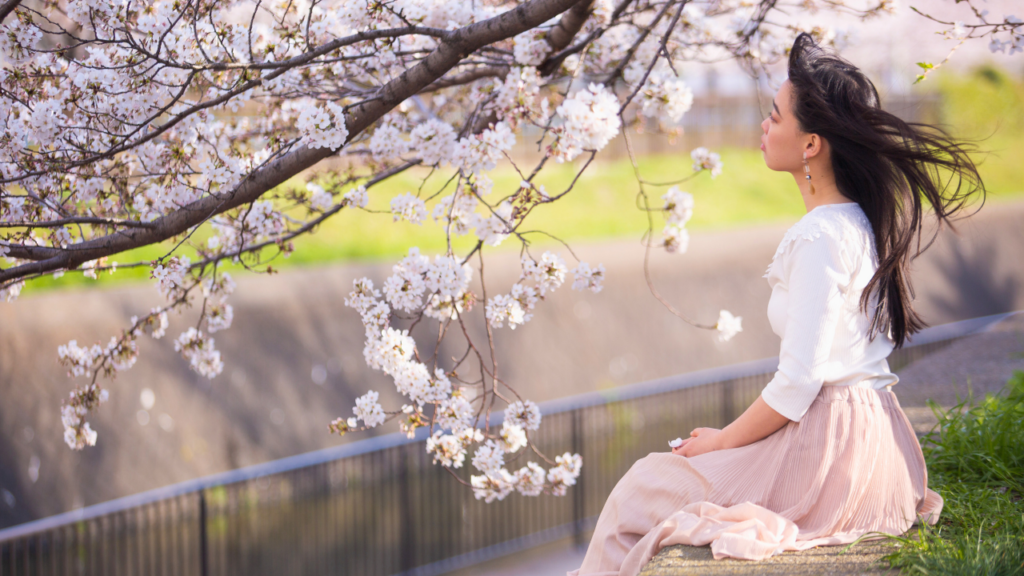
Spring is one of the most comfortable times to visit.
Temperatures are mild, cherry blossoms bloom from south to north, and the air feels fresh. Short rain showers are common.
Average temperature: 10–20°C (50–68°F)
Good for: Cherry blossom viewing, city walks, hiking
What to wear: Light jacket, layers, comfortable shoes
Summer (June to August)
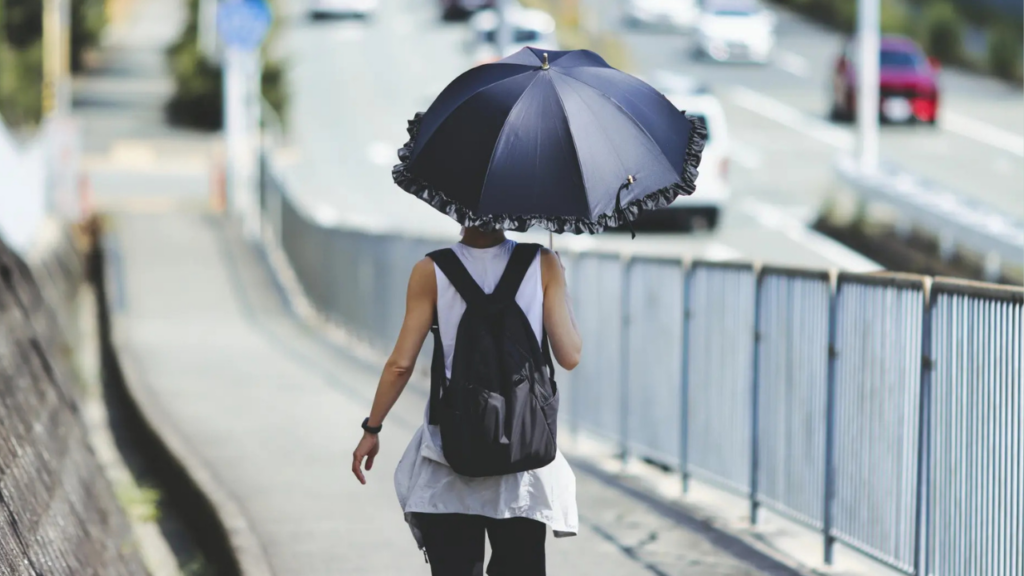
Summer is hot and humid.
June marks the rainy season in many regions. July and August bring strong sunshine, high humidity, and occasional typhoons.
In cities like Kyoto, heat can feel intense. In recent years, parasols have become more common for sun protection.
Average temperature: 25–35°C (77–95°F)
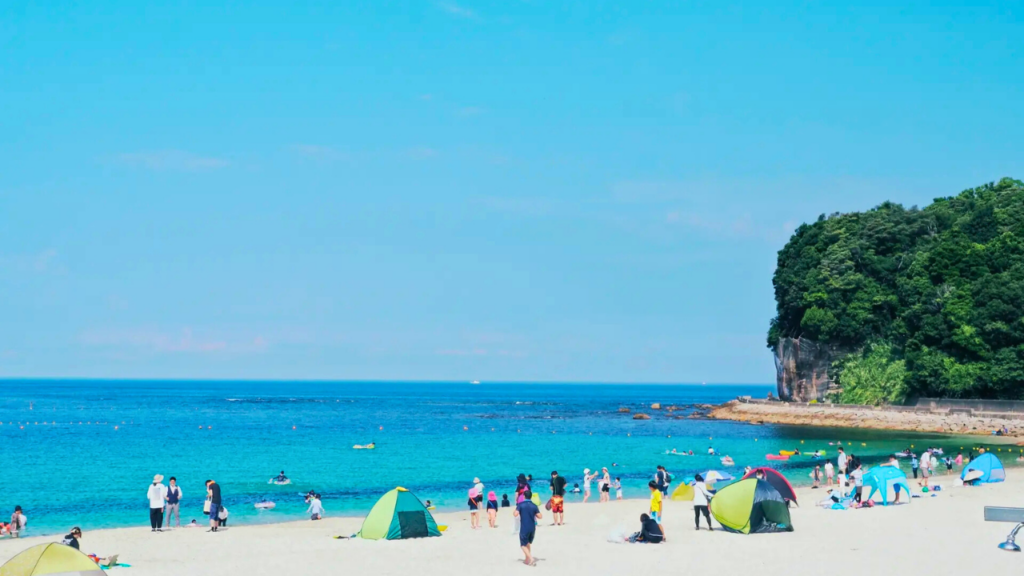
Good for: Fireworks festivals, beach trips, mountain escapes
What to wear: Breathable clothing, hat, sunscreen
Hydration is essential.
Autumn (September to November)
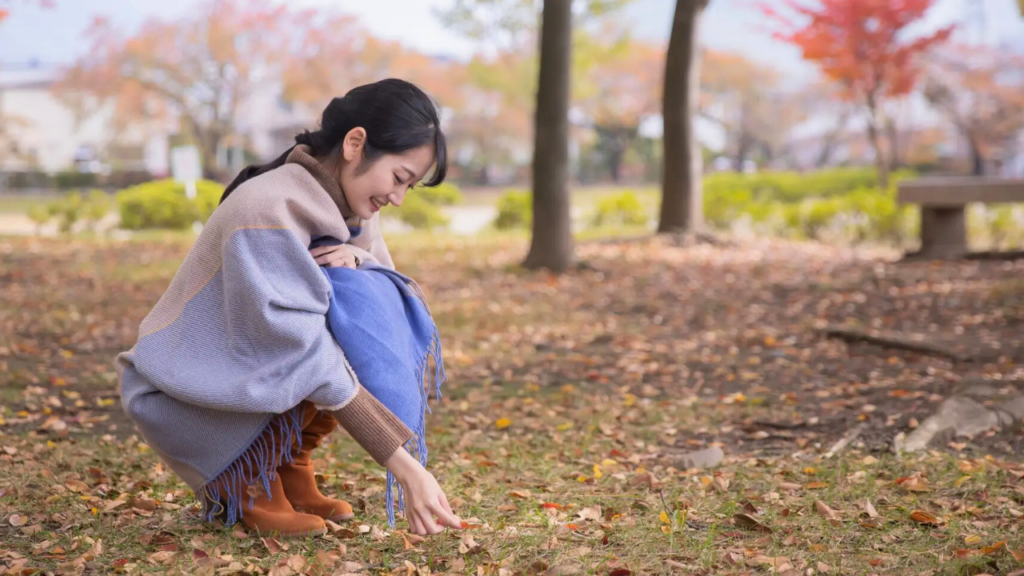
Autumn is cool and stable, especially from October onward.
Red and yellow leaves spread across temples and mountains. The air becomes dry and comfortable.
Average temperature: 10–20°C (50–68°F)
Good for: Autumn foliage, cultural festivals
What to wear: Light layers for changing morning and evening temperatures
Many travelers consider this the most balanced season.
Winter (December to February)
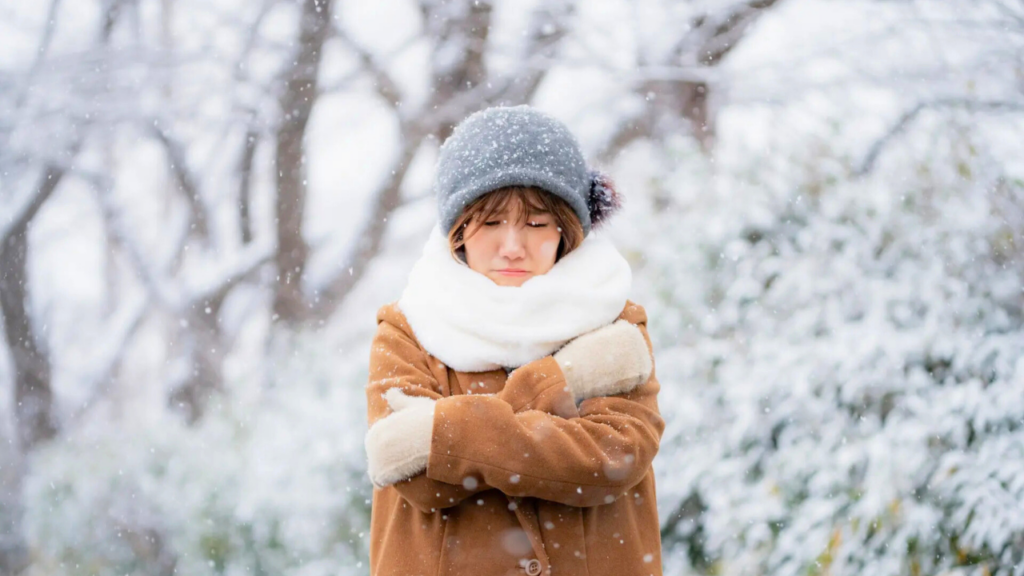
Winter varies significantly by region.
Northern Japan receives heavy snow. Ski resorts in Hokkaido and Nagano operate at full capacity.
Tokyo and Kyoto stay relatively dry and sunny, though mornings are cold. Okinawa remains mild.
Average temperature: 0–10°C (32–50°F) (colder in the north)
Good for: Skiing, snow scenery, hot springs
What to wear: Coat, gloves, scarf in snowy regions
Regional Weather Differences
Japan stretches long from north to south, so conditions differ greatly.
Hokkaido
Long, snowy winters. Cool, comfortable summers.
Tokyo
Four clear seasons. Humid summers, mild spring and autumn.
Kyoto
Hot, humid summers. Cold winter mornings. Strong seasonal beauty.
Okinawa
Subtropical climate. Warm year-round. Typhoons possible in summer.
Checking regional forecasts is important before moving between cities.
Travel Tips for Japan’s Weather
- Check forecasts daily, especially during typhoon season (August–September).
- Carry a compact umbrella in spring and early summer.
- Dress in layers during spring and autumn.
- Drink more water than you expect in summer.
- If you misjudge the weather, stores like UNIQLO are everywhere and affordable.
Useful Weather Resources
Japan Meteorological Agency (JMA)
Official forecasts and weather warnings in English.
Weather apps
Most major apps provide reliable hourly forecasts. Yahoo Weather Japan and Apple Weather both work well.

Japan’s weather can feel dramatic, but that contrast is part of the experience.
Choosing the right season changes the mood of your entire trip.
FAQ
The best months are March to May and October to November because the air feels mild and comfortable.
In spring, the air feels soft under cherry blossoms. In autumn, the dry air feels cool on your skin and walking feels less tiring.
January is usually the coldest month in most areas of Japan.
In Tokyo, the air feels sharp and dry in the morning. In Hokkaido, you can feel strong cold on your face and see heavy snow.
June and early July are the rainiest months in most regions.
The air feels humid, clothes may feel damp, and you often hear steady rain sounds during the day.
Yes, weather changes greatly from north to south.
In Hokkaido, winter air feels very cold and snowy, while in Okinawa the air feels warm even in January. Temperature differences can make your body feel either dry or humid depending on the region.