Tokyo offers endless photo opportunities, but not all spots tell the same story.
Some show scale and motion, others capture quiet moments, light, or texture.
This list focuses on places that visually explain Tokyo—without needing special timing or advanced gear.
1. Tokyo Tower
A clear symbol of the city.
Tokyo Tower stands out best after sunset, when its red-and-white structure glows and the warm lights soften the skyline.
Best time: Night
Tip: Shoot from street level for contrast between the tower and traffic.
2. Shibuya Scramble Crossing
Movement, density, and rhythm in one frame.
Shibuya Crossing creates natural motion blur and scale as hundreds of people cross at once.
Best angle: From above, facing the intersection
Access: Free, 24/7
3. Shinjuku Gyoen
A rare mix of nature and city.
Seasonal colors frame the skyline without blocking it.
Best seasons: Spring and autumn
Note: Tripods are restricted
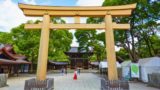
4. Meiji Jingu
Tall trees, filtered light, and quiet paths.
Meiji Jingu’s torii gate creates depth even with a simple composition.
Best time: Early morning
Mood: Calm, low sound, soft light
5. teamLab Borderless
Light, reflection, and scale dominate the space.
Photos rely more on timing than framing.
Best shots: Mirrored rooms and moving light walls
Note: Expect darkness and slow movement
\ Visiting teamLab Planets Tokyo?/
Skip the line
6. Asakusa Kaminarimon
The large red lantern instantly signals “Tokyo.”
Crowds add context rather than distraction.
Tip: Shoot straight-on for symmetry
Access: Area open 24/7
7. Akihabara
Neon signs, screens, and layers of light fill the frame.
The area feels dense and electric, especially after sunset.
Best spot: Main street around the station exits
Best time: Night, when signs and reflections stand out
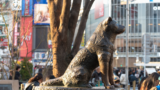
8. Hachiko Statue
Small subject, strong meaning.
Hachiko works best when people interact with it naturally.
Tip: Frame reactions, not just the statue
Access: Open 24/7
9. Tokyo Metropolitan Government Building
Wide city views without an entry fee.
On clear days, Mount Fuji appears faint but distinct.
Best time: Sunset to night
Tripods: Not allowed
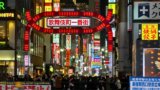
10. Kabukicho (Shinjuku)
Neon lights, signs, and reflections dominate the scene.
The streets feel dense and energetic, especially after dark.
Kabukicho is also known as the real-life setting for the Yakuza game series, which makes the area visually familiar to many visitors.
Tip: Shoot at night and use reflections on wet pavement
Crowds: Busy in the evening, especially on weekends
Final Thoughts
Good photos in Tokyo don’t depend on rare locations.
They come from contrast—quiet and noise, old and new, light and shadow.
These spots work because they show those contrasts clearly, even in a single frame.