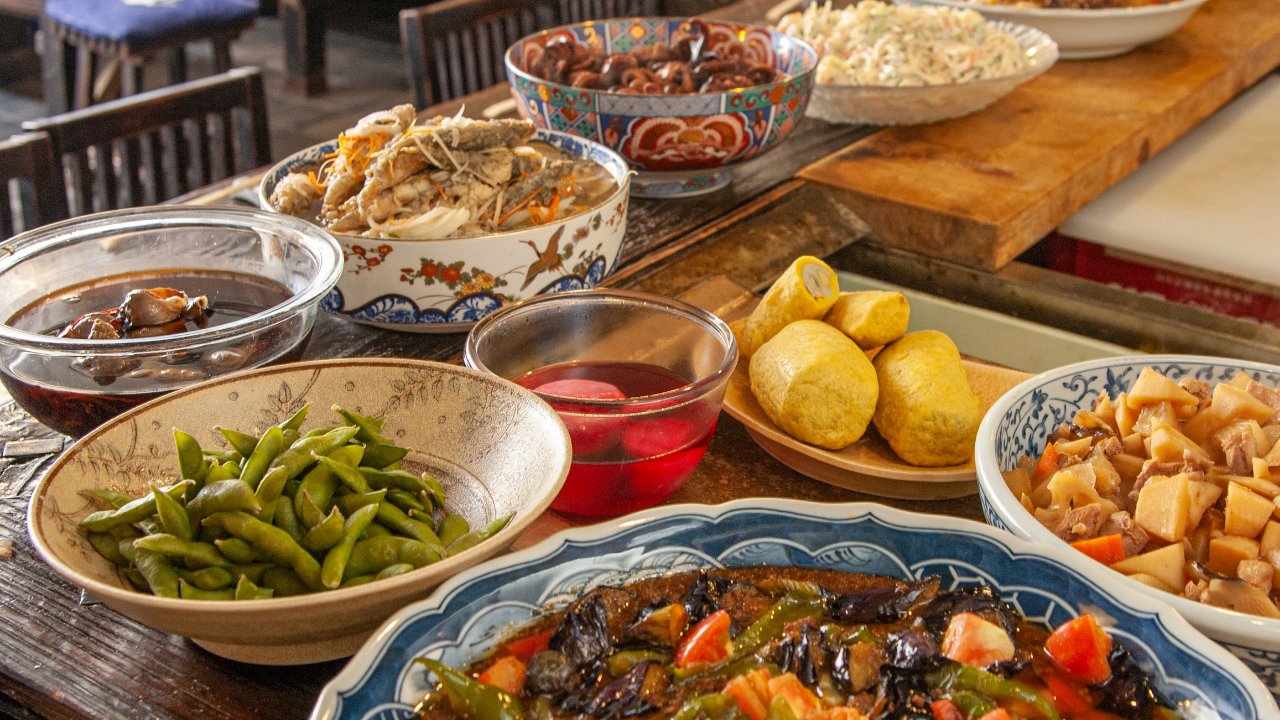
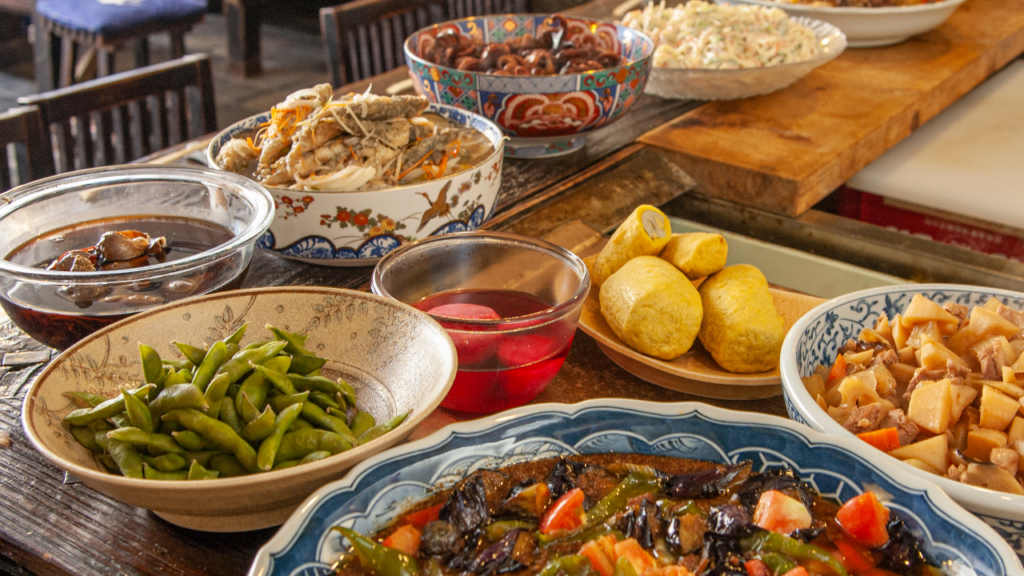
Obanzai is part of Washoku and refers to everyday home-style cooking in Kyoto.
It is not special food for celebrations, but simple side dishes eaten at home.
From the 1970s to the 1980s, the word “obanzai” spread across Japan.
However, while many shops and products now use the name, there are very few clear studies or official definitions explaining what obanzai really is.
As a result, obanzai is often described today as “traditional” or “formal Kyoto food,” which feels distant from daily life.
Daily Life in Kyoto and the Origin of Obanzai
Kyoto has a long history as a city where goods from all over Japan gathered.
However, daily meals for ordinary people were simple.
Because Kyoto is inland, fresh seafood was hard to get.
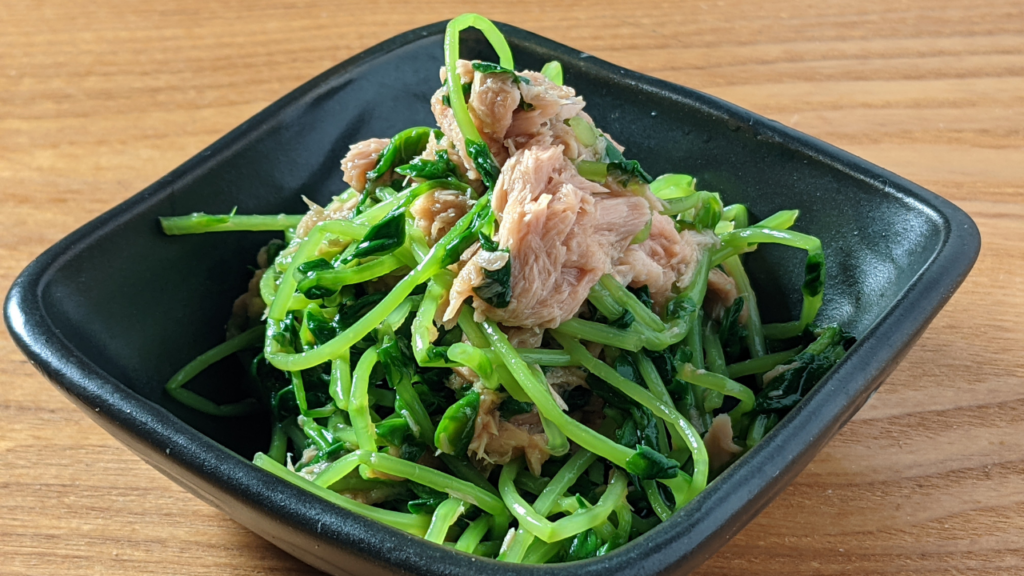
Therefore, people relied on nearby vegetables and dried foods and learned to use them without waste.
Using vegetables grown in Kyoto’s fertile soil, families cooked simple dishes at home.
This everyday cooking became known as obanzai.
What Obanzai Means
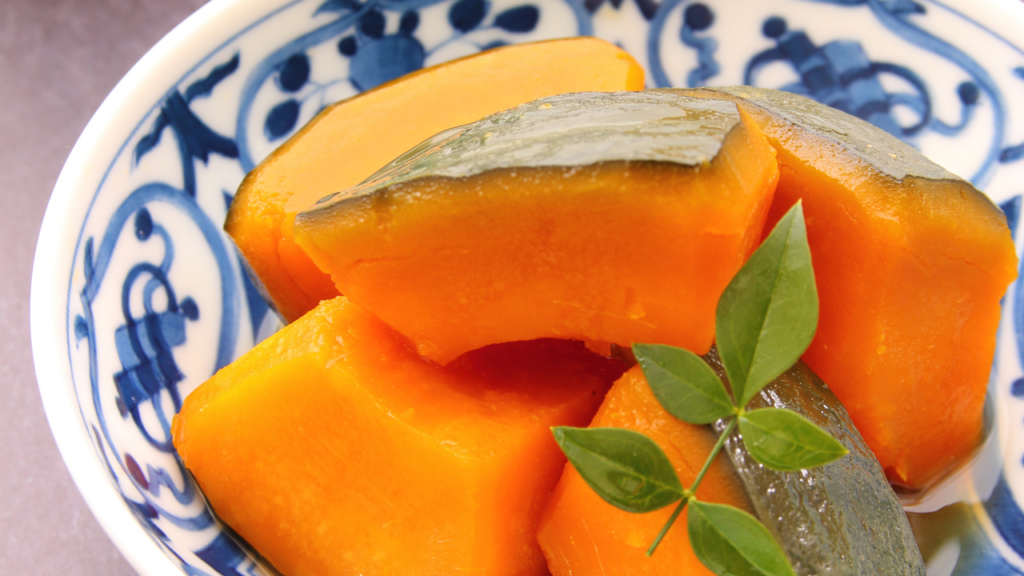
In simple terms, obanzai means
“side dishes eaten on ordinary days in Kyoto.”
These recipes passed from grandmother to mother, and from mother to daughter.
There is no fixed recipe.
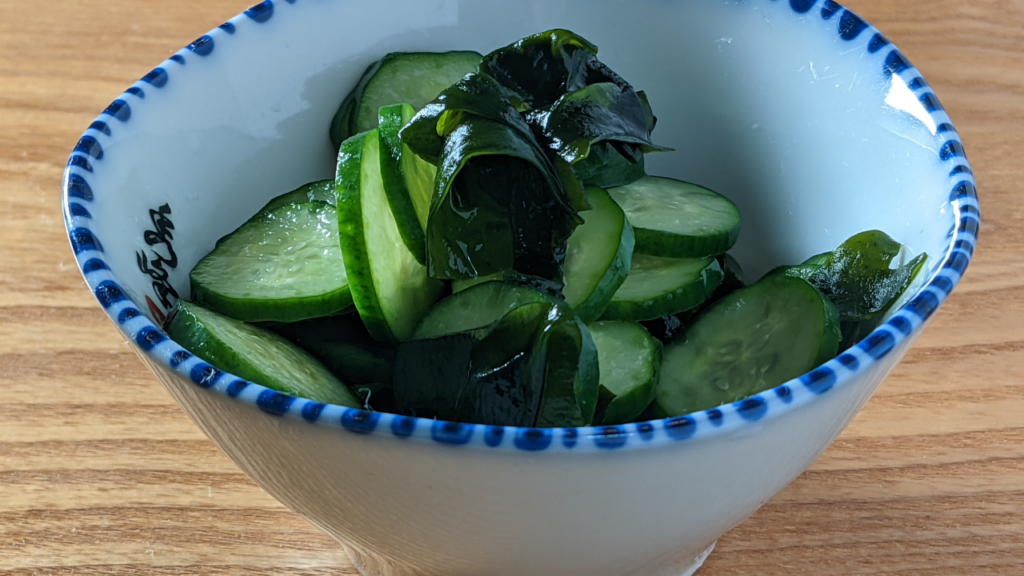
Cooks use seasonal ingredients such as Kyoto vegetables.
Common methods include simmering, mixing, and light frying in broth, while keeping flavors simple.
Using familiar ingredients, avoiding waste, and not overcooking are core ideas of obanzai.
The Meaning of the Word “Obanzai”
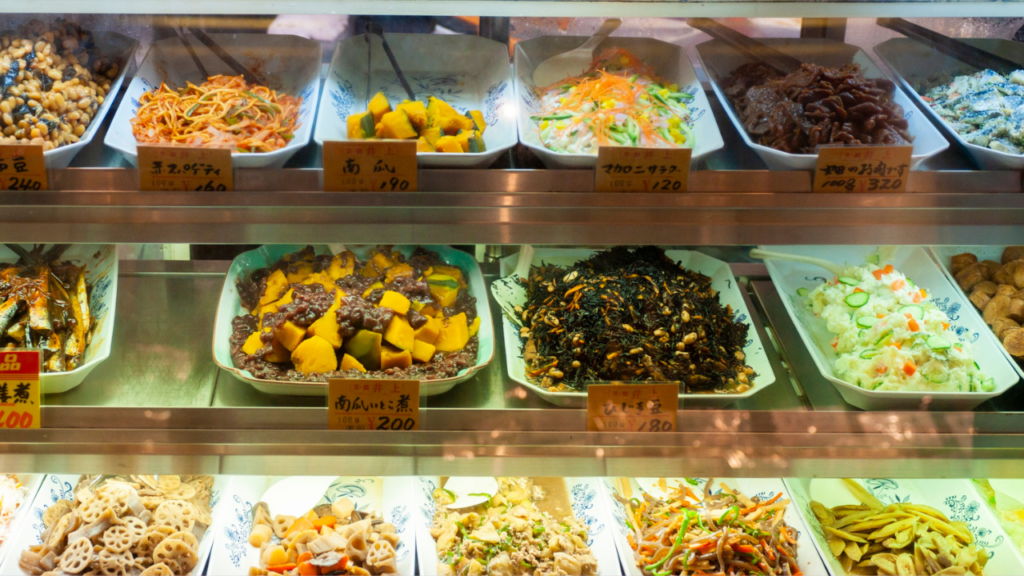
Obanzai is usually written in kanji as 「お番菜」.
Other spellings include 「お晩菜」 and 「お万菜」.
The word “ban” (番) means “everyday” or “ordinary,” as seen in words like bancha tea.
The word “sai” (菜) means side dish.
Therefore, obanzai originally meant
“ordinary side dishes eaten every day.”
Because fresh fish was limited in Kyoto, people used vegetables and dried foods carefully.
This habit helped obanzai become a daily home meal.
Key Features of Obanzai
Using Seasonal Kyoto Vegetables
Obanzai mainly uses vegetables in season.
Local Kyoto vegetables are a common choice.
Because ingredients change with the seasons, meals naturally reflect the time of year.
Simple Cooking That Respects Ingredients
Seasoning stays light, and cooks rely on broth rather than strong sauces.
Many dishes are simmered or mixed, so oil and seasoning stay limited.
As a result, obanzai meals feel gentle on the body.
Using Ingredients Without Waste
Another key idea is using ingredients fully.
Peels, stems, and leftovers are often reused.
This approach comes from daily life, not from rules or tradition books.
Representative Kyoto Vegetables
Shogoin Daikon
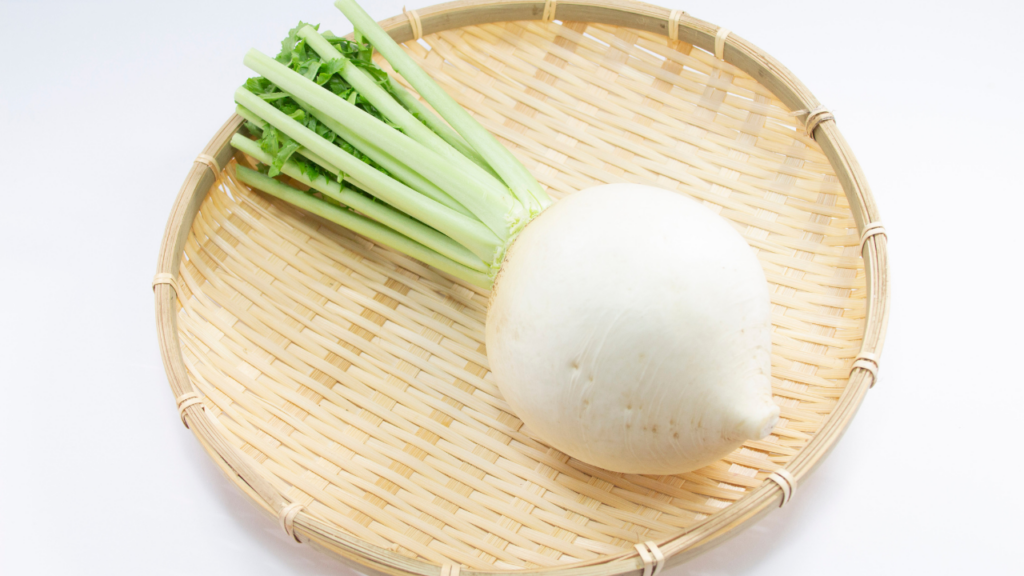
Shogoin daikon is large and round.
It is common in winter and keeps its shape when simmered.
People often use it for simmered dishes and boiled daikon.
Mizuna
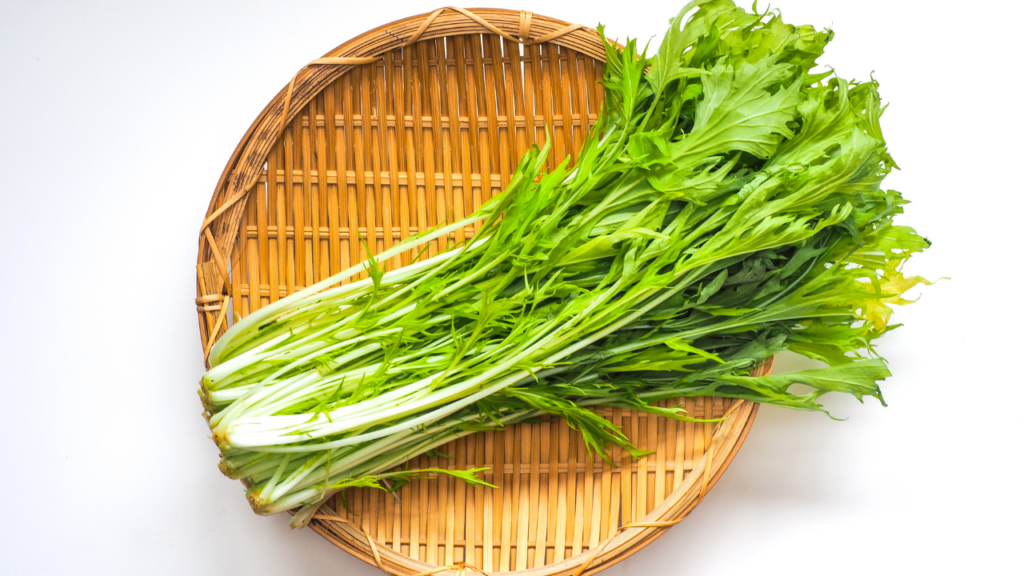
Mizuna, also called kyona, has little bitterness and can be eaten raw.
In winter, it is useful for salads, mixed dishes, and hot pots.
Mibuna
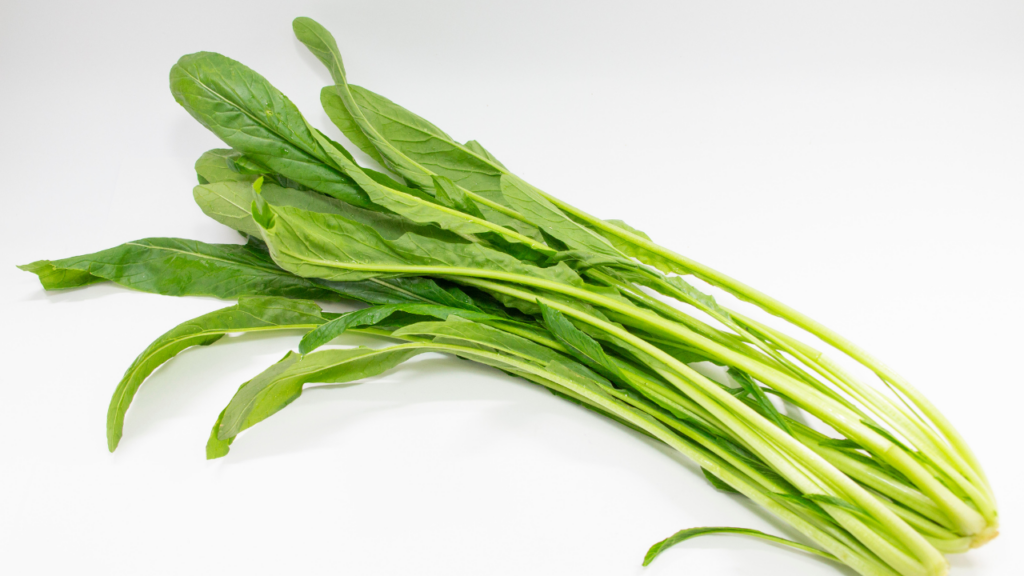
Mibuna looks similar to mizuna but has round leaves.
It has a slight sharp taste and grew around the Mibu Temple area.
Kamo Eggplant
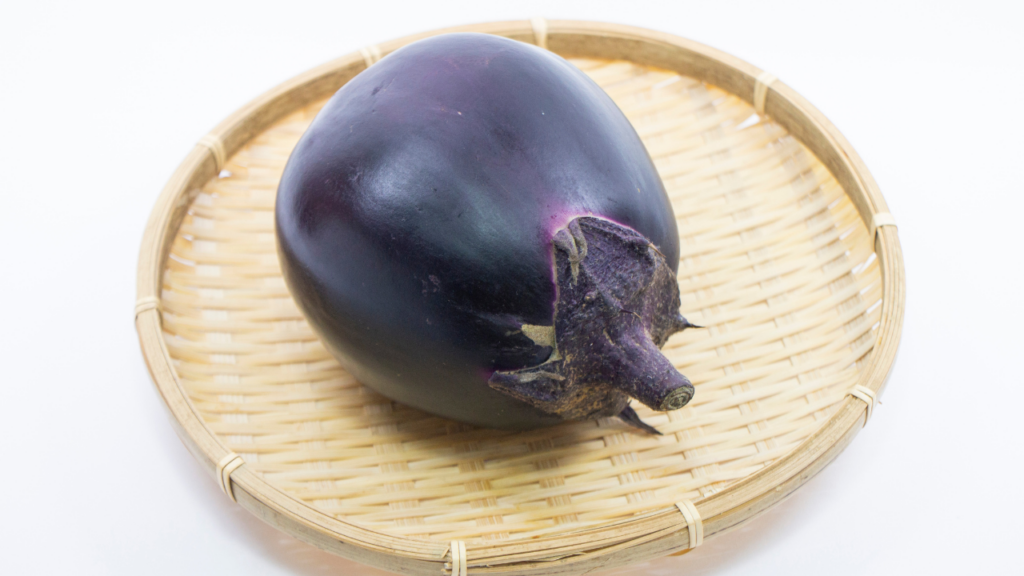
Kamo eggplant is a round eggplant grown in northern Kyoto.
It does not break easily when cooked and becomes soft when heated.
It is often used in simmered dishes and dengaku.
Manganji Pepper
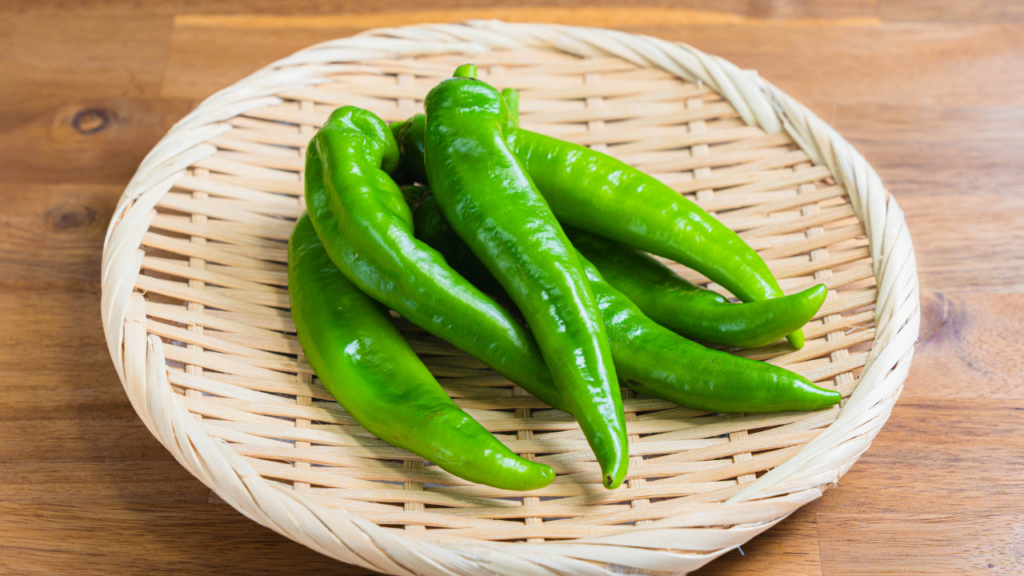
Despite the name, Manganji peppers are not spicy.
They are thick, soft, and easy to eat.
They are often grilled or simmered for obanzai dishes.
Ebi-imo
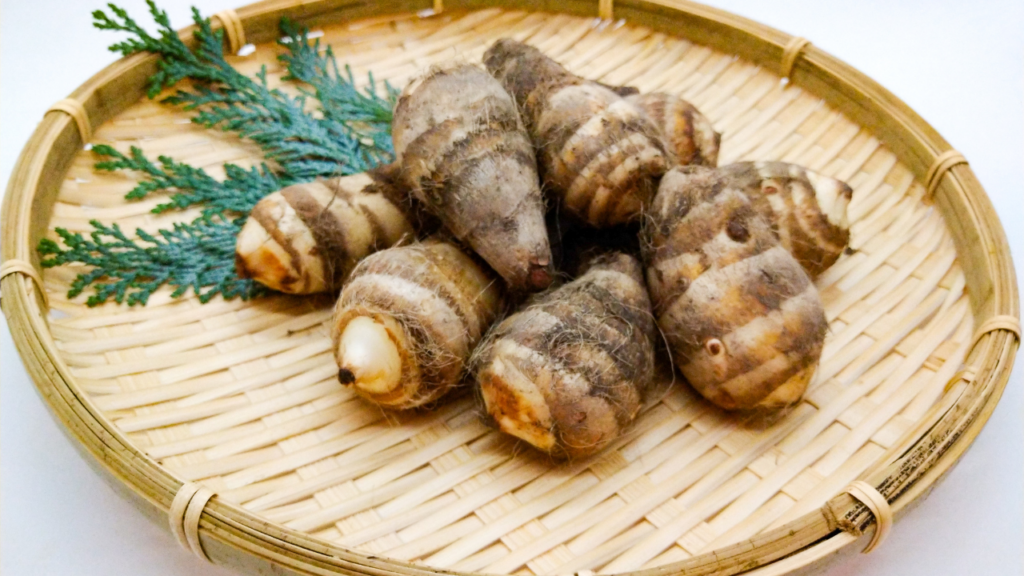
Ebi-imo is a type of taro shaped like a shrimp.
It keeps its form when cooked and has a smooth texture.
A well-known dish is “imobo,” where ebi-imo is simmered with dried cod.
Kujo Green Onion
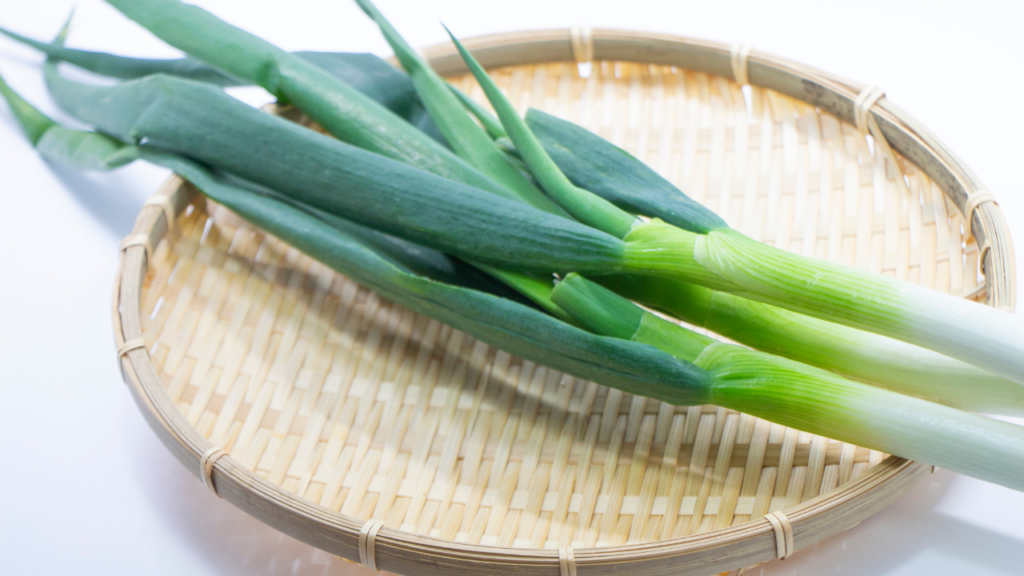
Kujo green onions have natural sweetness and a soft texture.
They work well both raw and cooked.
They are an essential ingredient in many obanzai dishes.
FAQ
Obanzai means everyday side dishes eaten in Kyoto homes.
Therefore, meals feel light, and the smell stays mild, not oily.
For example, people often feel warm but not heavy after eating.
Obanzai is daily home cooking, while kaiseki is a formal multi-course meal.
However, obanzai feels quieter and less tiring on the body.
As a result, the stomach stays calm, even after finishing the meal.
Obanzai mainly uses seasonal vegetables and some seafood.
Additionally, cooks often use parts usually thrown away, so smells stay natural.
This helps reduce food waste and avoids strong odors.
Obanzai comes from Kyoto and developed as family cooking.
Because Kyoto relied on vegetables and dried foods, dishes feel simple and steady.
Meanwhile, gentle cooking keeps the body from feeling overheated or tired.