
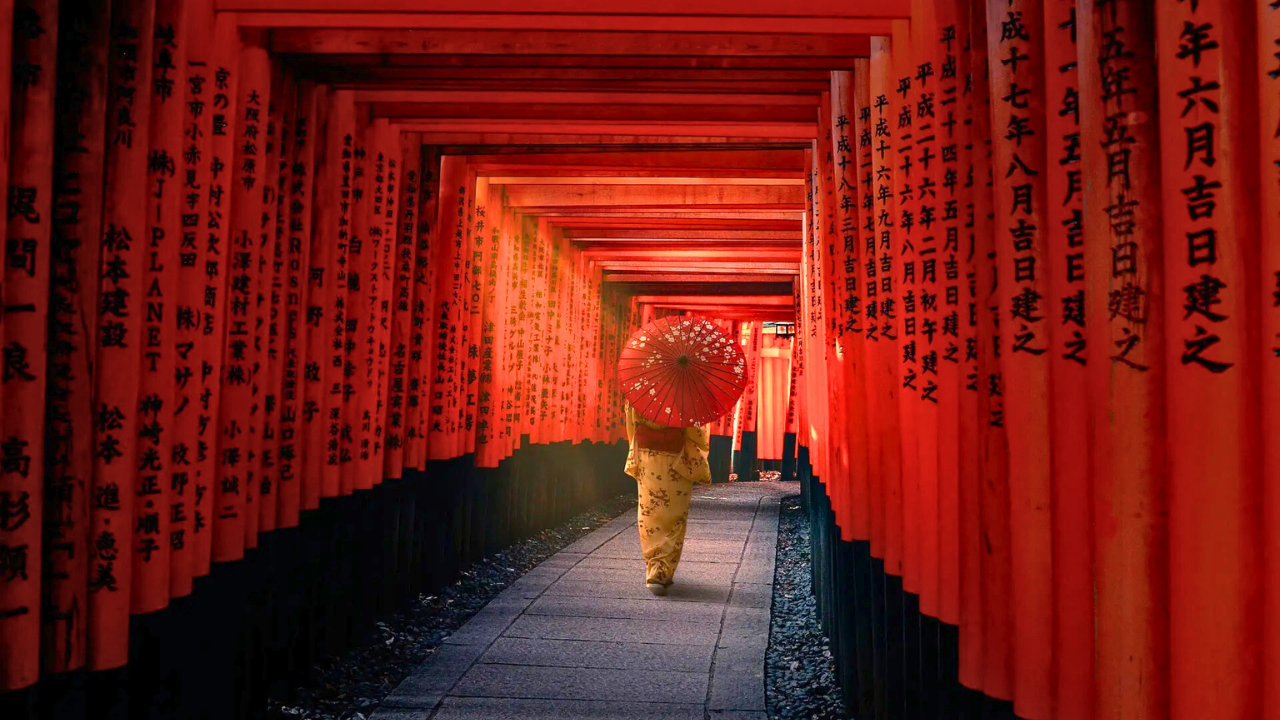
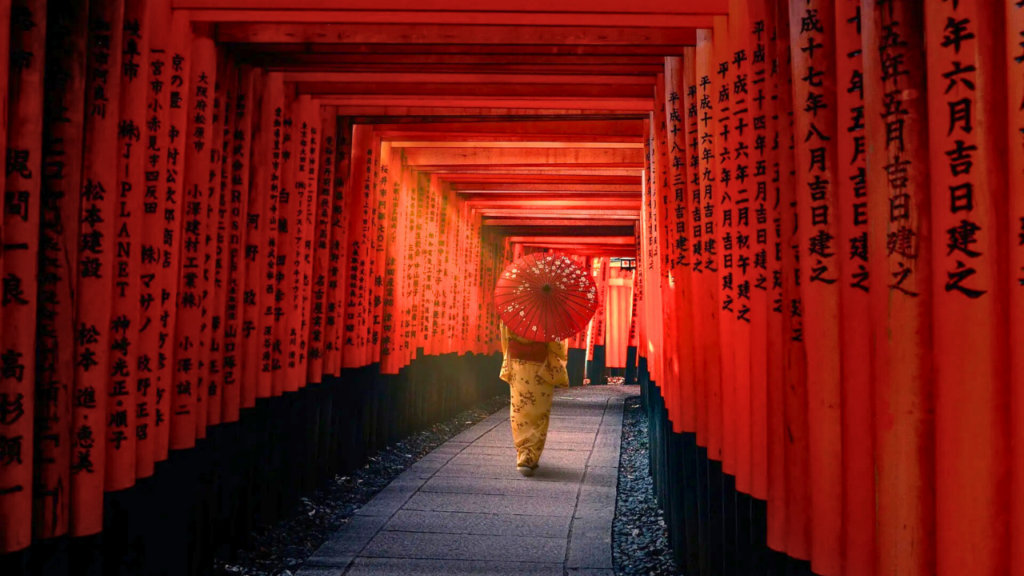
Kyoto is one of Japan’s most iconic destinations. The city blends historic temples, traditional streets, and calm natural scenery. For many travelers, Kyoto feels very different from modern Tokyo or Osaka.
If you are planning your first trip, these experiences capture the atmosphere of the city.
Kiyomizu-dera Temple
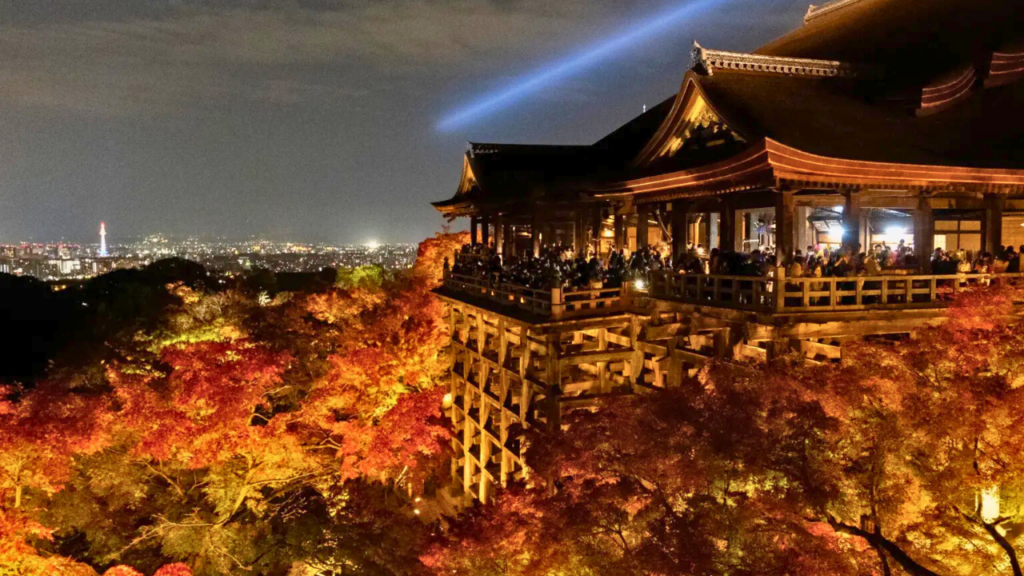
Kiyomizu-dera is one of the most recognizable sights in Kyoto. The large wooden hall stands on a hillside, offering wide views over the city.
The structure itself feels impressive up close. During spring and autumn, the surrounding colors dramatically change the scenery.
Yasaka Shrine
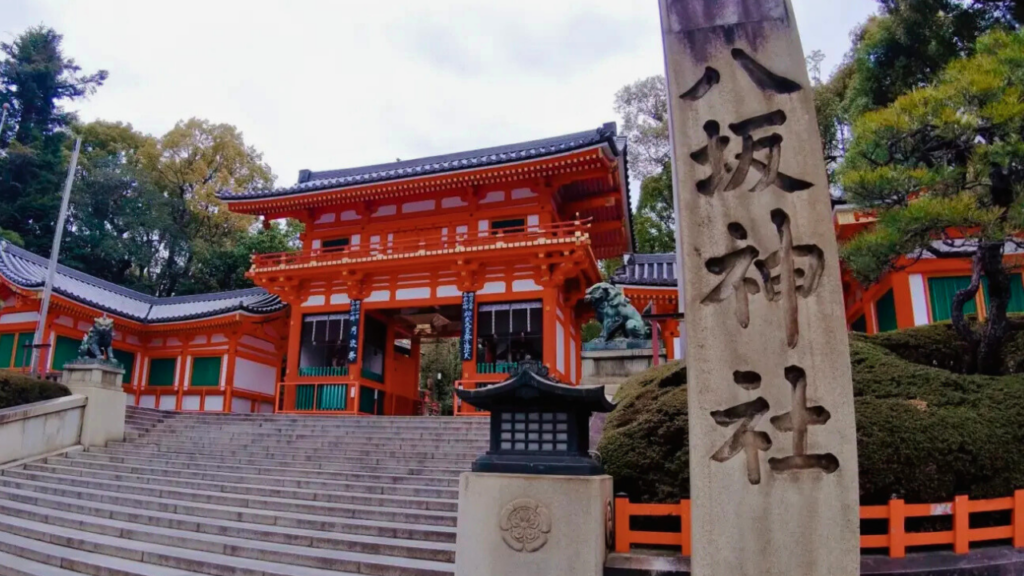
Located near Gion, Yasaka Shrine connects traditional Kyoto with everyday city life. The bright vermilion buildings stand out against the urban background.
The area feels lively, especially in the evening when lanterns softly light the grounds.
Heian Shrine
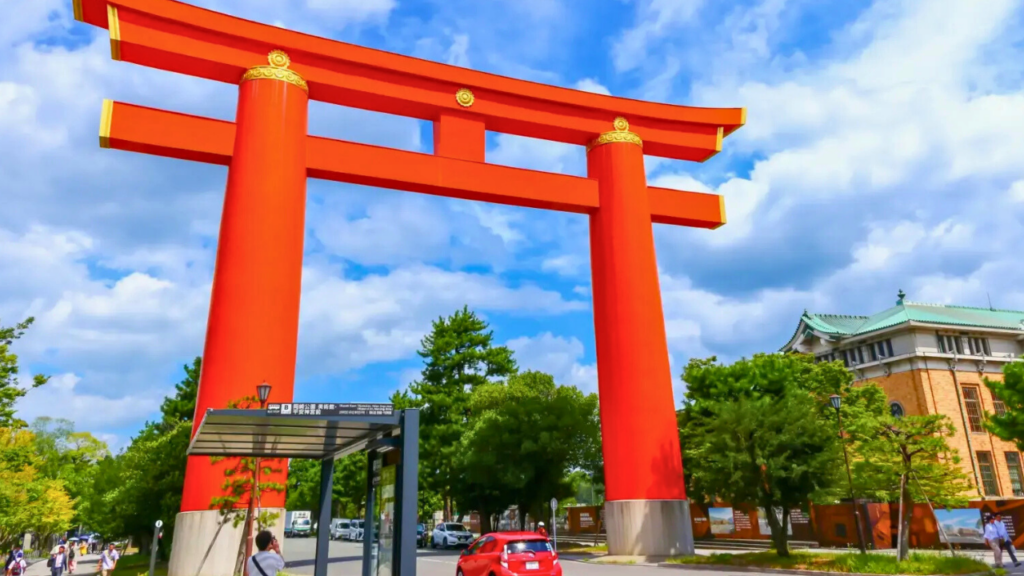
Heian Shrine is known for its massive torii gate and spacious layout. Compared to other shrines, the scale feels open and balanced.
The gardens behind the main hall provide a quieter, slower experience.
Kamo River
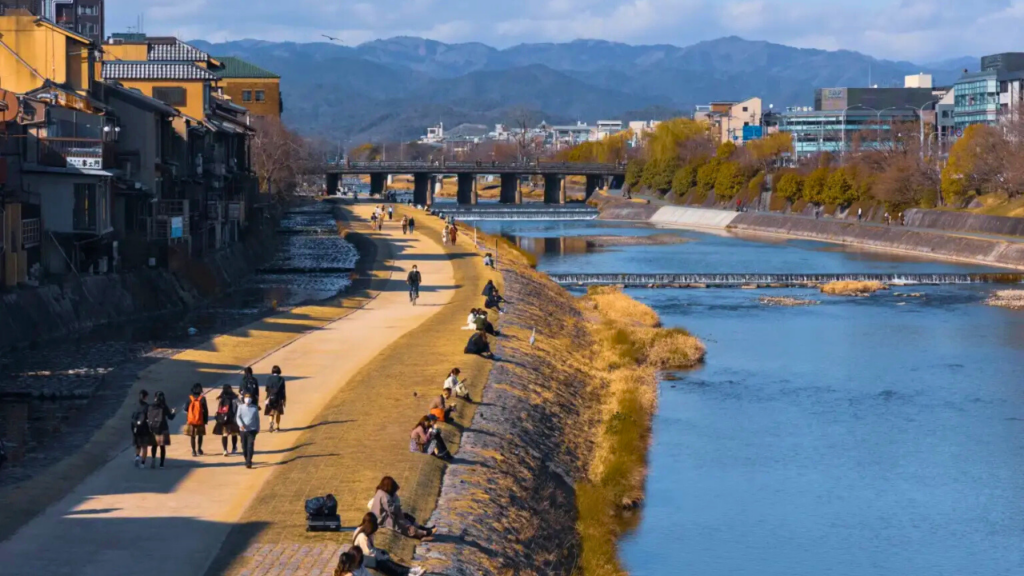
The Kamo River offers a completely different side of Kyoto. Instead of historic buildings, the scenery feels wide and relaxed.
Many visitors walk along the riverbanks. The flowing water and open sky create a sense of space rarely found in dense city areas.

Gion District
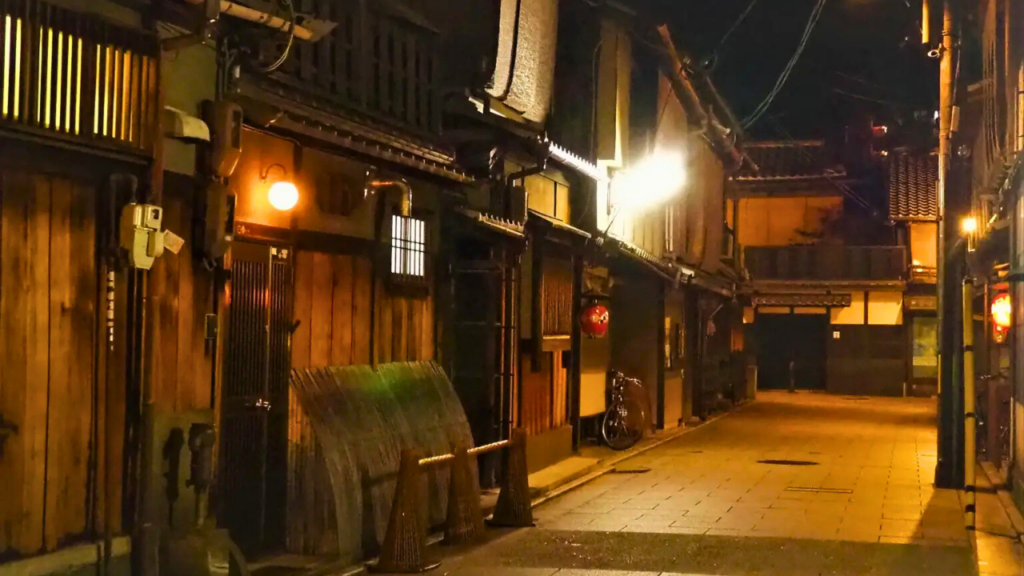
Gion preserves the visual identity many travelers imagine when thinking about Kyoto. Narrow streets, wooden facades, and traditional architecture define the area.
Walking here feels like moving through layered history rather than a typical commercial district.
Kyoto Imperial Palace
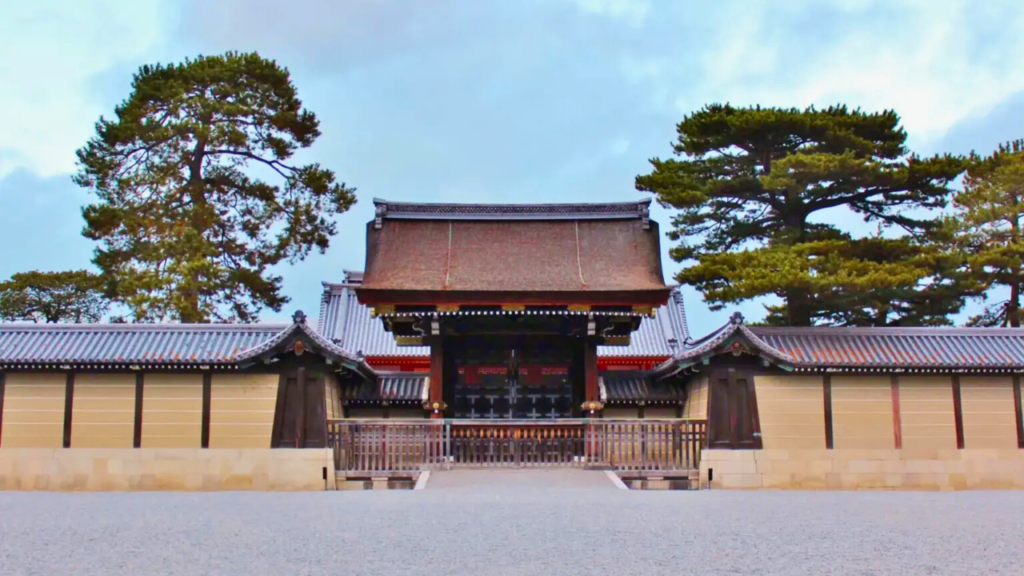
The Kyoto Imperial Palace reflects Japan’s former political and cultural center. The grounds feel spacious, structured, and calm.
The surrounding park areas create a soft contrast to the formal buildings.
Nijo Castle
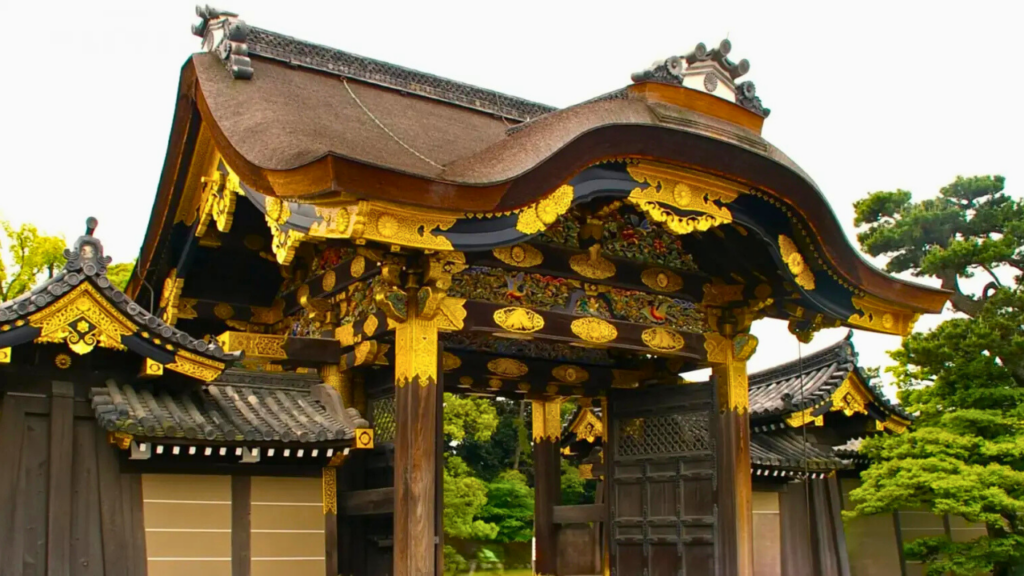
Nijo Castle provides insight into samurai-era Kyoto. The interiors, wooden corridors, and decorative details highlight historical craftsmanship.
One of the most memorable elements is the “nightingale floor,” which produces subtle sounds as you walk.
Fushimi Inari Shrine
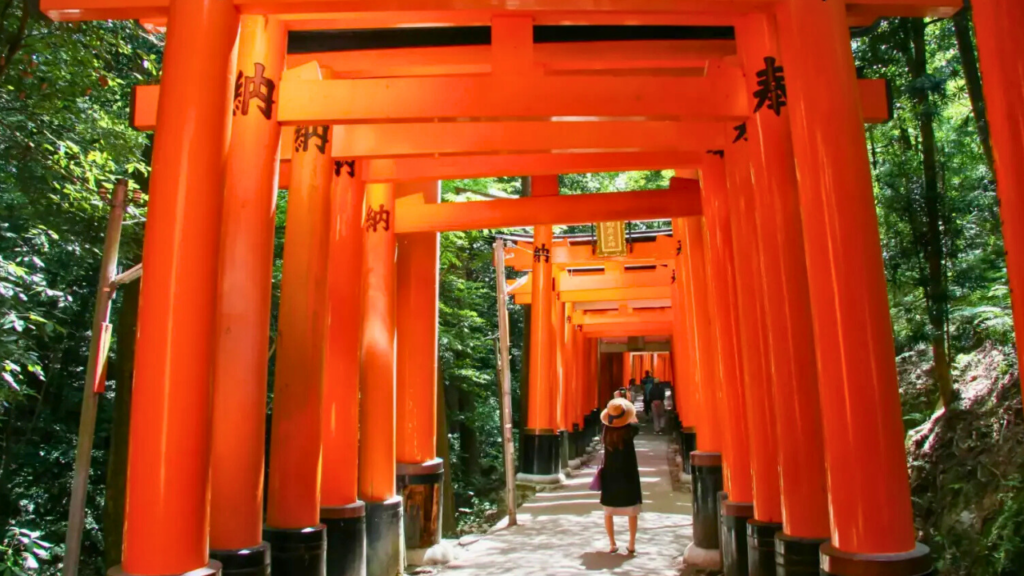
Fushimi Inari Shrine is famous for its thousands of torii gates. The paths form long, repeating tunnels that visually stretch into the forested mountain.
The experience feels rhythmic and immersive rather than focused on a single structure.
Arashiyama
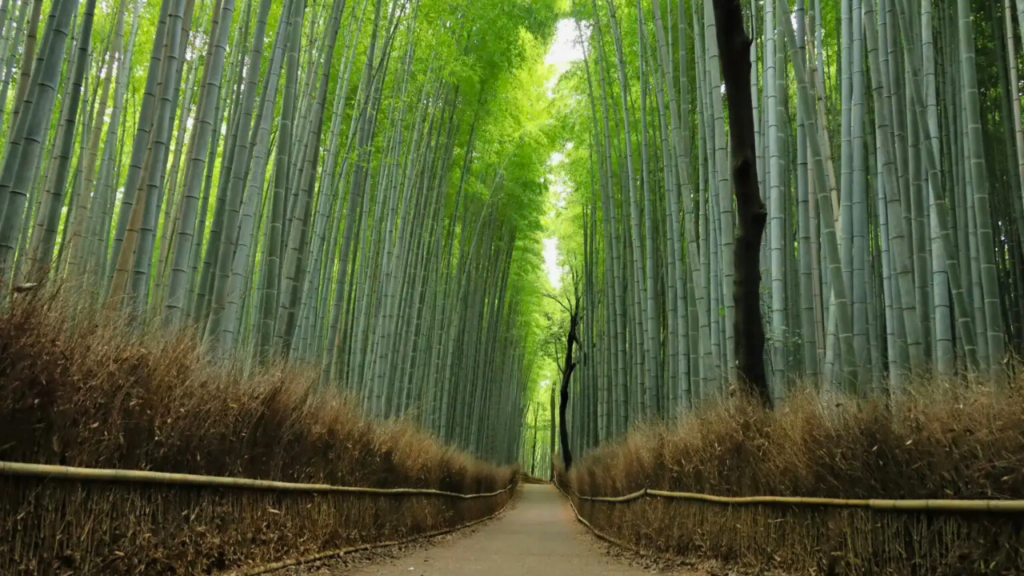
Arashiyama combines natural scenery with traditional Kyoto elements. The bamboo grove creates a distinct visual texture, while the nearby river and bridge add openness.
The area feels spacious, especially compared to central Kyoto streets.
Kinkaku-ji (Golden Pavilion)
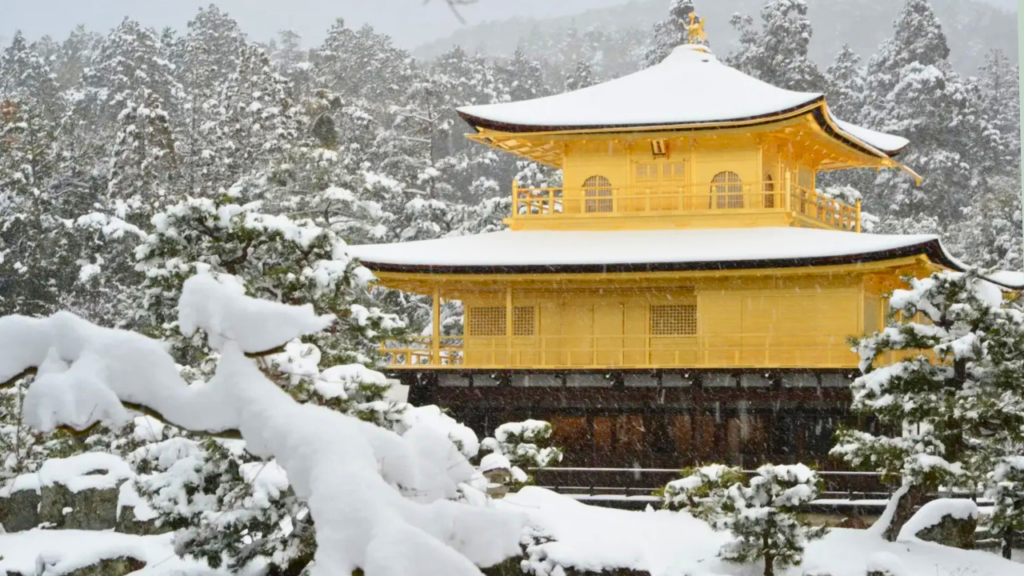
Kinkaku-ji stands out for its reflective golden exterior. The pavilion contrasts strongly with the surrounding greenery and water.
The visual impact feels immediate and striking, even during short visits.
Understanding Kyoto’s Atmosphere
Kyoto is not defined by a single landmark. Instead, the city’s identity emerges from contrasts — busy streets and quiet gardens, large temples and narrow alleys, natural scenery and historic architecture.
For travelers exploring things to do in Kyoto, the appeal often lies in how these elements interact. Movement between locations becomes part of the experience itself.
Kyoto rewards slow observation. Small details, subtle sounds, and shifting scenery often become the most memorable parts of a visit.