
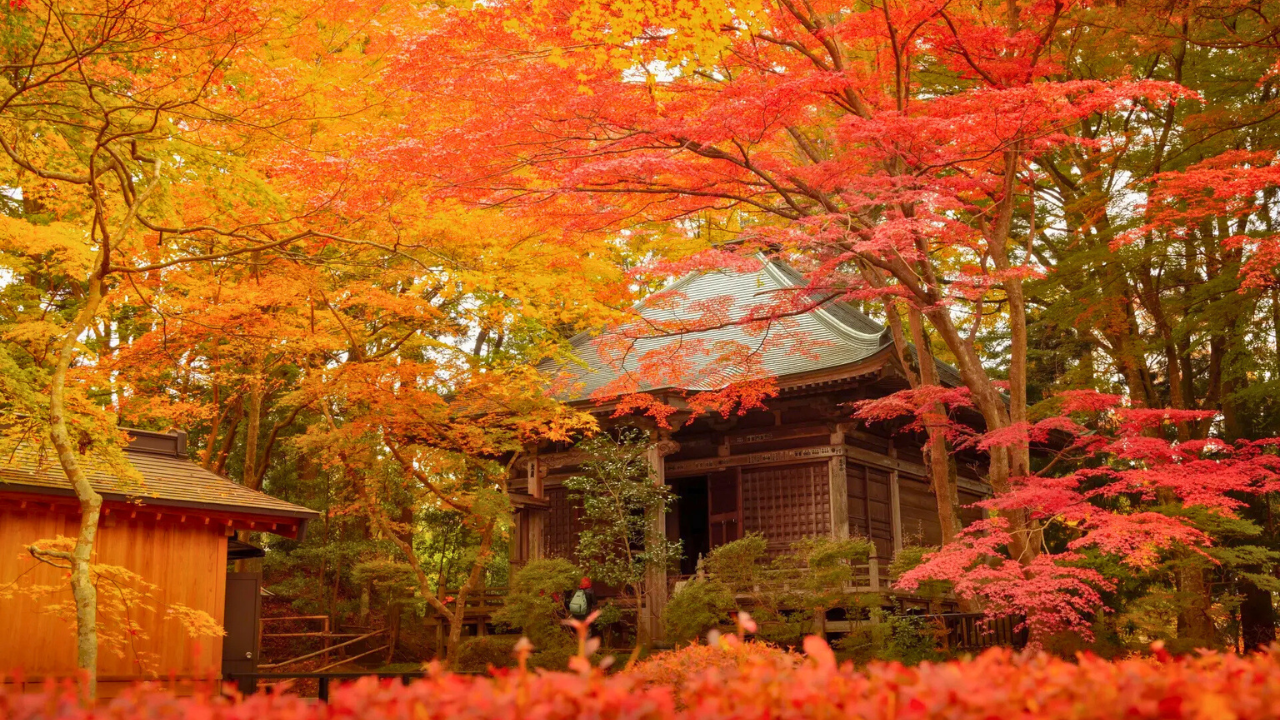
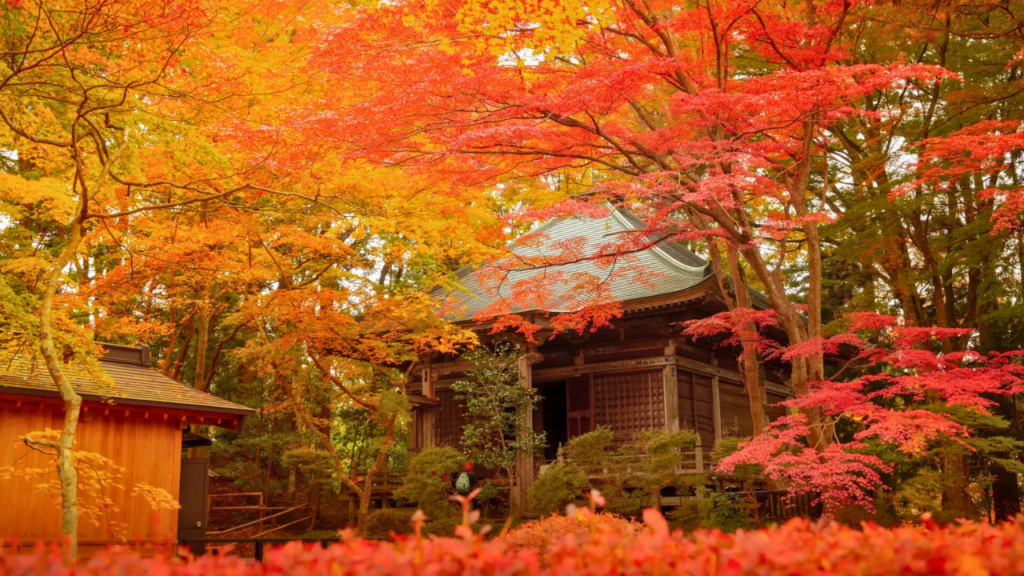
Iwate Prefecture offers wide landscapes, historic temples, and a distinct regional food culture. Compared to Japan’s larger urban destinations, the scale here feels more open and slower.
These experiences highlight the character of the region.
Hiraizumi
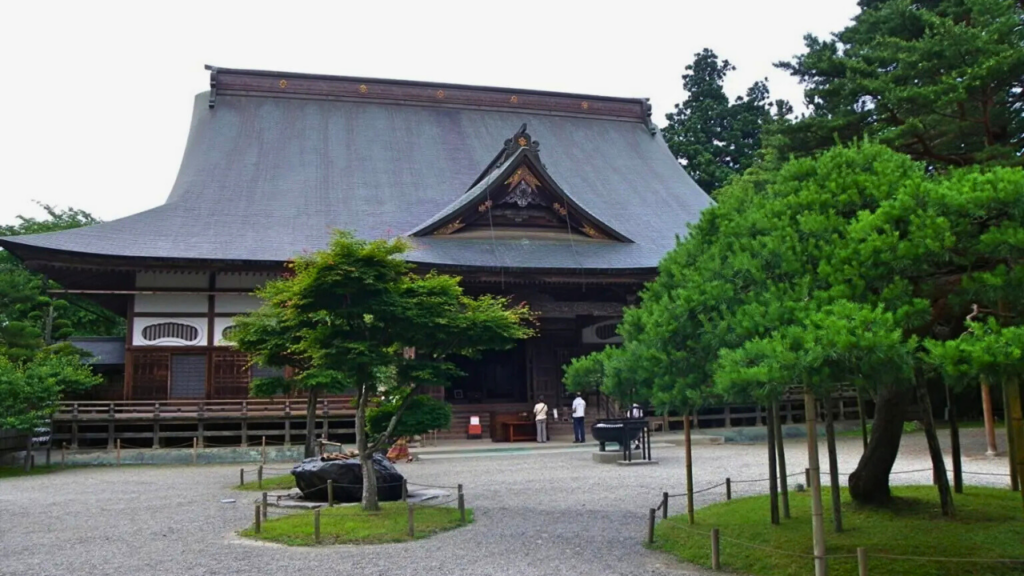
Hiraizumi preserves some of northern Japan’s most important cultural sites. Chusonji Temple, known for its Golden Hall, reflects religious craftsmanship and historical influence.
The surrounding environment feels quiet and spacious. Carefully arranged gardens and natural scenery create a measured, calm atmosphere.
Sanriku Coast
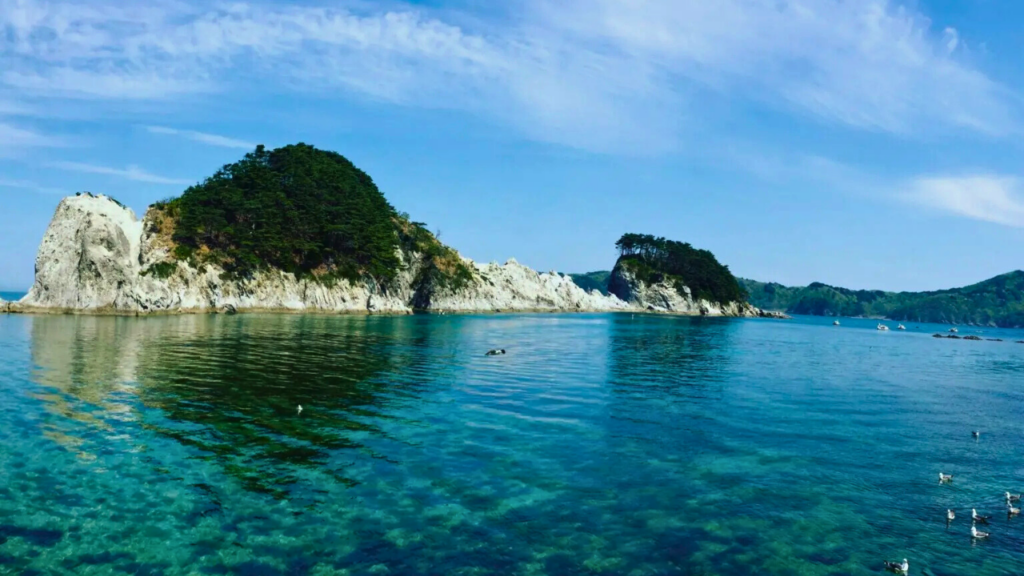
The Sanriku Coast presents rugged cliffs, clear waters, and strong natural contrasts. The coastline stretches across long distances, creating constantly changing views.
Waves, wind, and open horizons define the experience. The scenery feels dynamic yet remote.
Mount Iwate
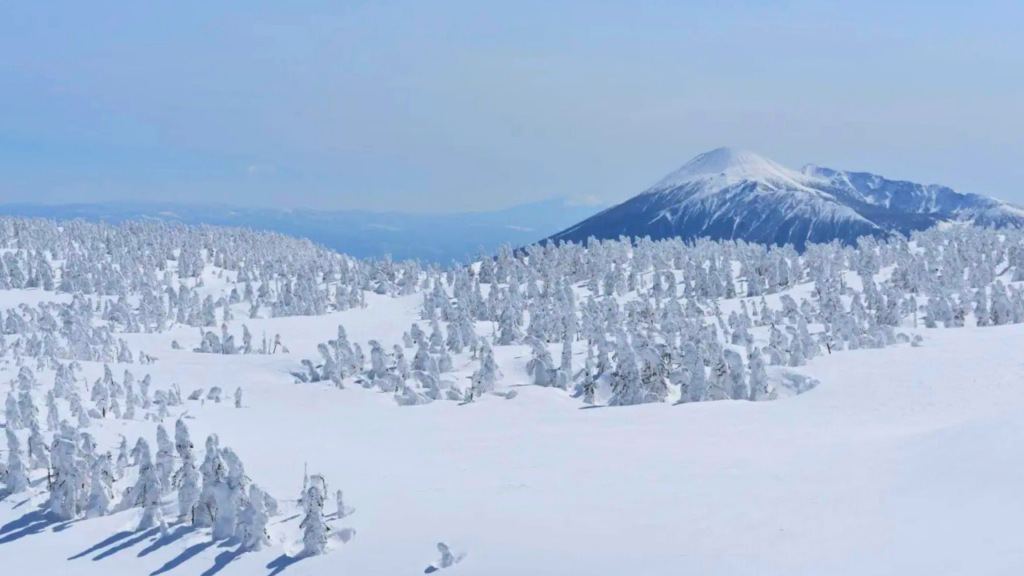
Mount Iwate dominates the surrounding landscape. Its symmetrical shape often draws comparisons to Mount Fuji.
The area feels expansive and airy. Whether viewed from a distance or explored through hiking trails, the mountain shapes the region’s visual identity.
Koiwai Farm
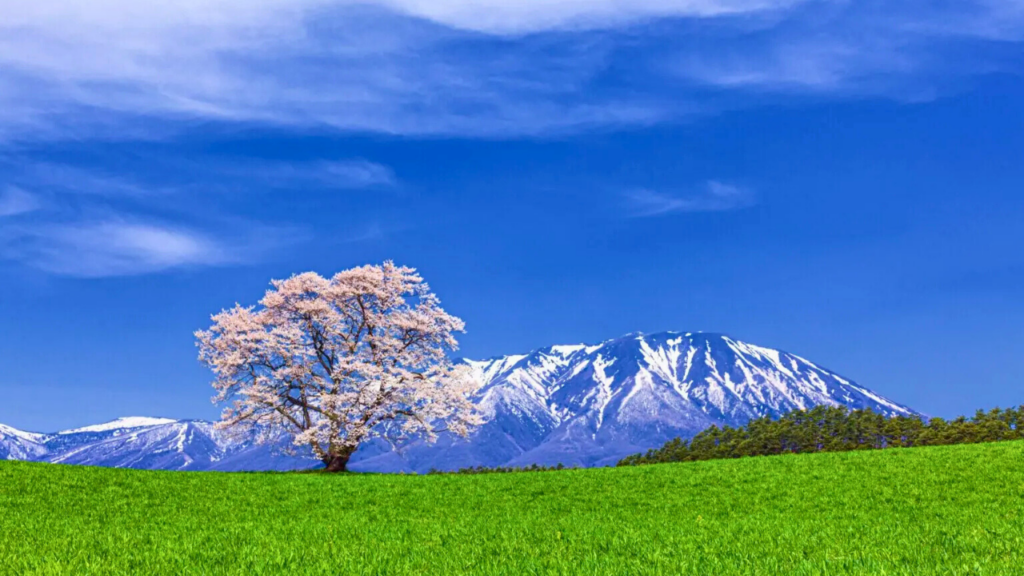
Koiwai Farm offers large open fields and pastoral scenery. The environment contrasts strongly with dense city spaces.
Walking through the grounds feels relaxed and unhurried. Seasonal changes shift the colors and textures of the landscape.
Wanko Soba
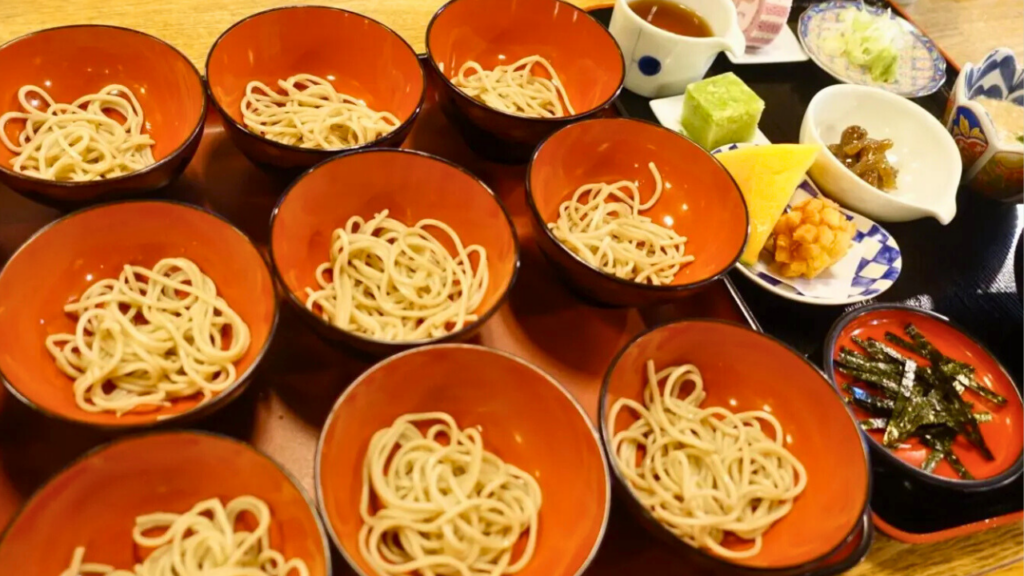
Wanko Soba is one of Iwate’s most distinctive food traditions. Small portions of noodles are served continuously in rapid succession.
The pace creates a surprising physical rhythm. The repeated motion, rising warmth, and growing fullness become central to the experience.

Morioka Reimen
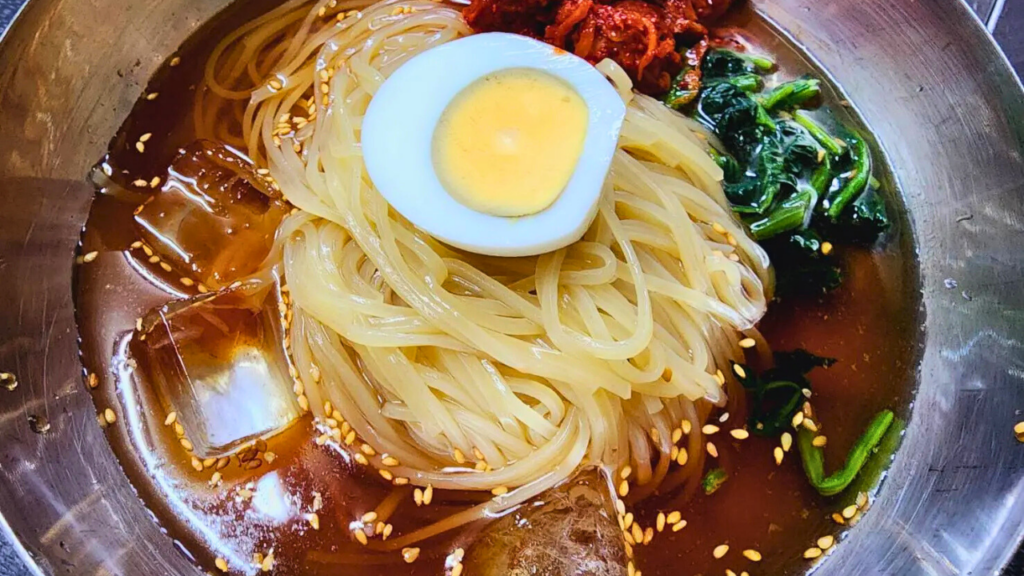
Morioka Reimen delivers a completely different sensory profile. Chewy noodles sit in chilled broth, often paired with kimchi and fresh toppings.
The temperature contrast feels immediate. The dish often feels refreshing, especially after walking or during warmer weather.
Maesawa Beef
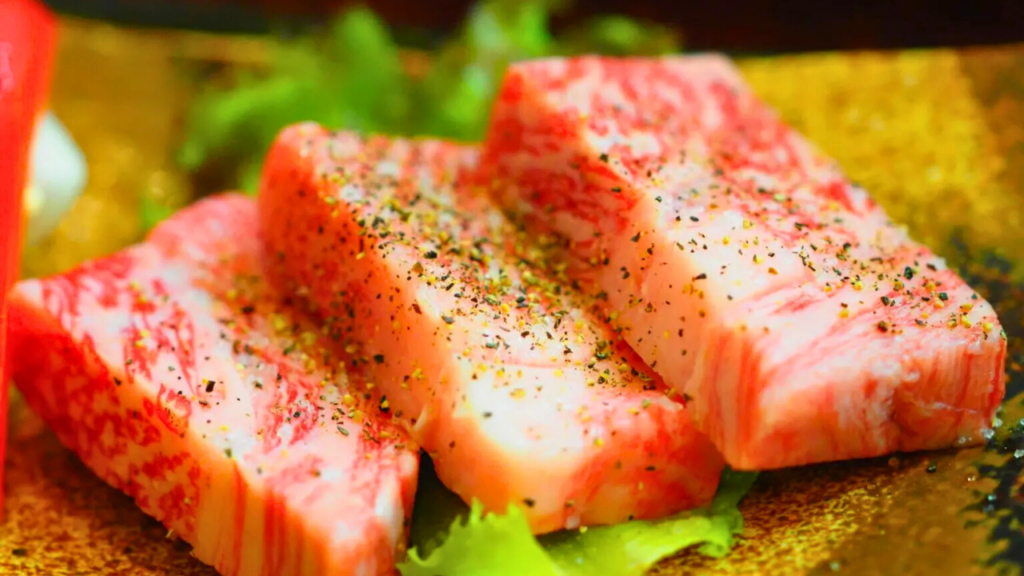
Maesawa Beef represents one of Iwate’s premium regional foods. The marbling, aroma, and texture define the experience more than presentation.
The warmth and richness feel pronounced. Even small portions feel dense and satisfying.
Understanding Iwate’s Appeal
Iwate is defined by scale and contrast. Historic temples sit within wide landscapes. Rugged coastlines differ sharply from calm inland scenery. Local foods range from light and refreshing to rich and heavy.
For travelers exploring things to do in Iwate, the experience often emerges through these shifts. Movement between environments — cultural, natural, and sensory — becomes part of the region’s identity.