
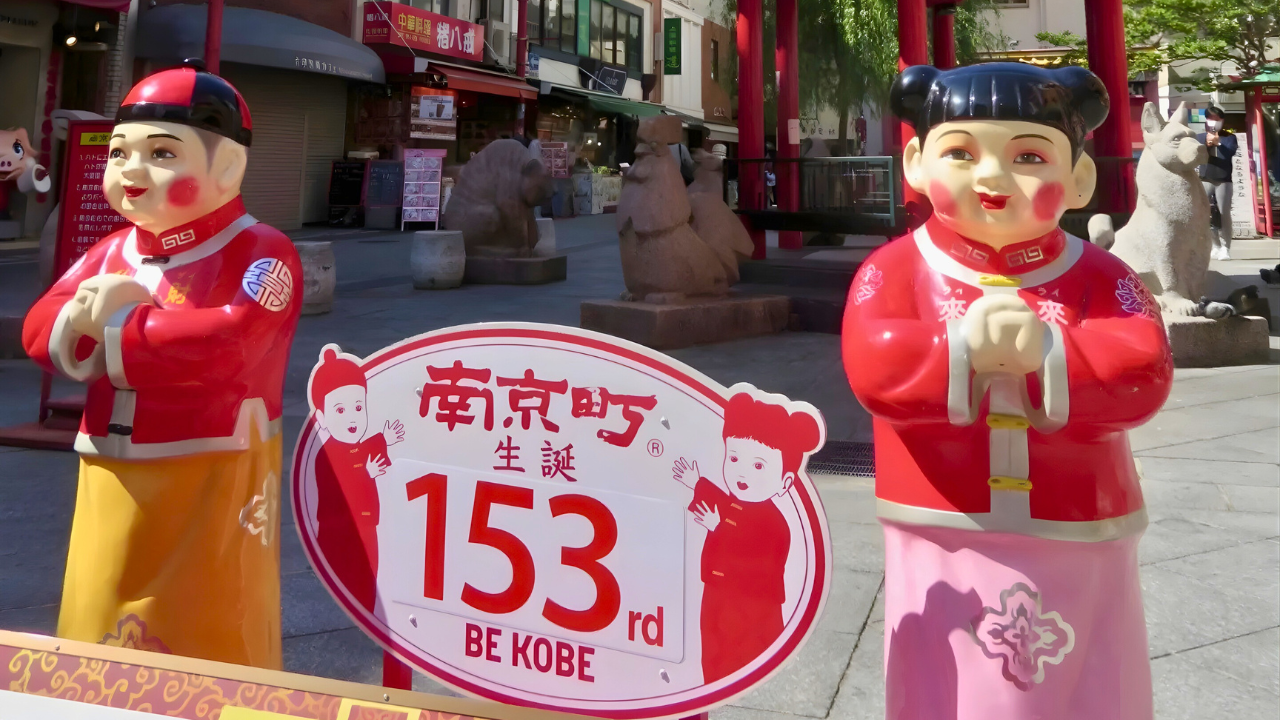
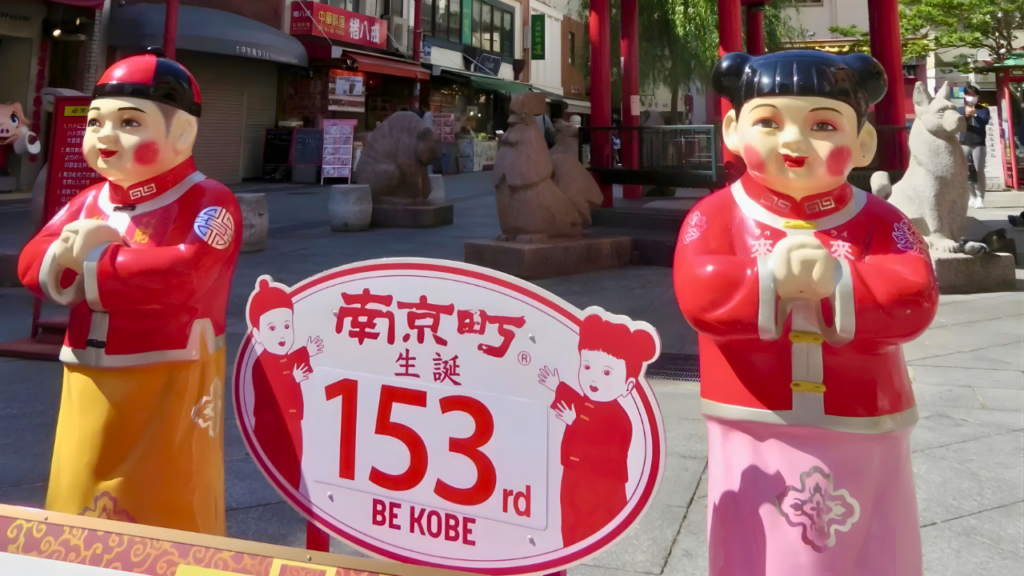
Nankinmachi is one of Japan’s most compact Chinatowns.
It is not large. It is not spread out.
But it concentrates energy into a very small space.
Food dominates the experience.
What Nankinmachi Actually Feels Like
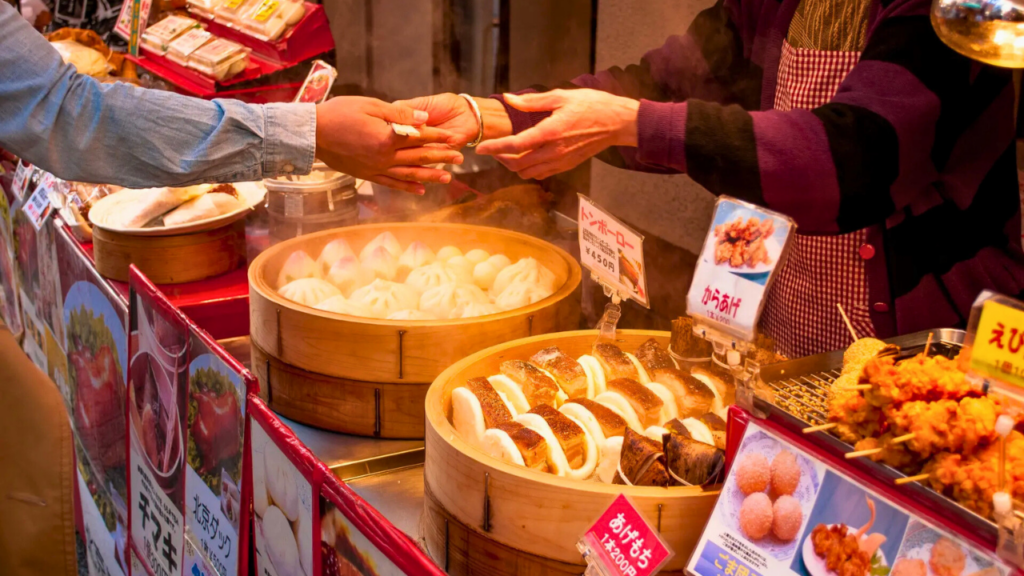
The streets stay narrow.
Steam rises constantly from stalls.
The air often feels warm, even in cooler seasons.
Meanwhile, voices, cooking sounds, and crowd noise blend together.
The district rarely feels quiet.
Movement slows during busy hours.
The Core Activity: Eating
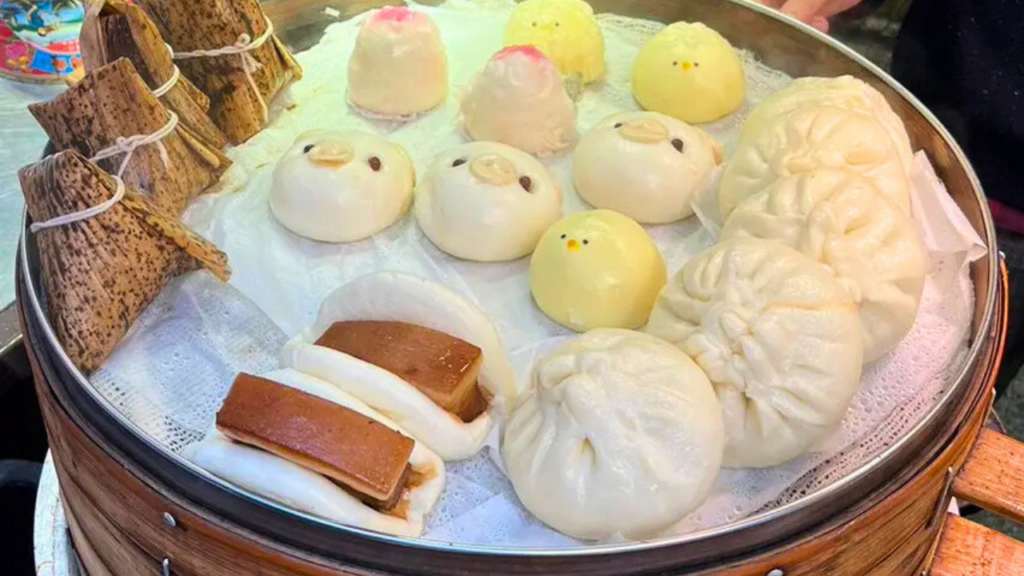
Nankinmachi works more like a street-food zone than a sightseeing area.
Visitors move, stop, eat, and repeat.
Common choices include:
• Pork buns (butaman)
• Shumai dumplings
• Fried snacks
• Skewered foods
• Desserts
Food appears everywhere. Decisions become immediate.
You often smell dishes before seeing them.
Roushouki and the Queue Reality
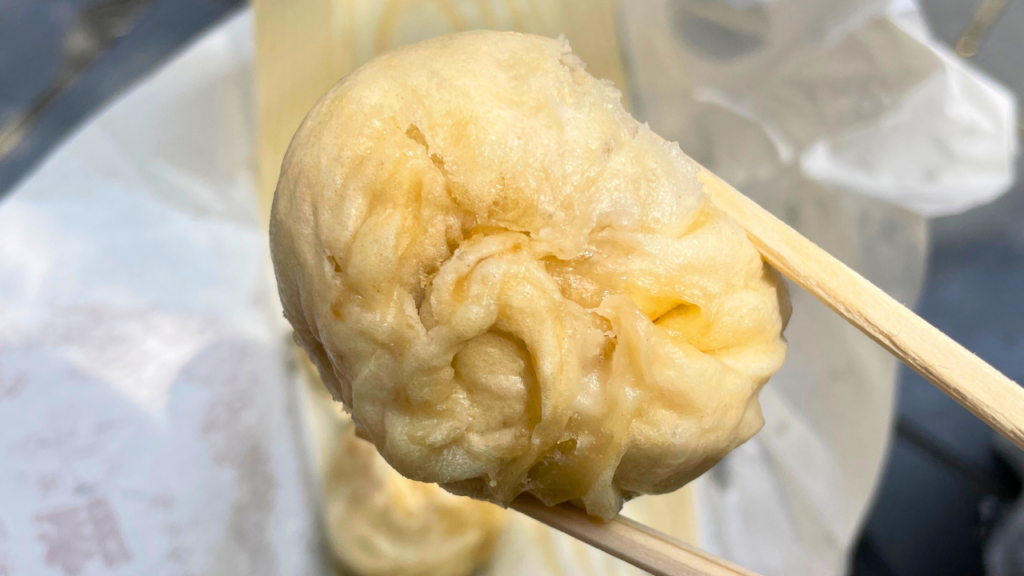
Roushouki remains the most recognizable vendor.
Lines frequently form.
During peak times, waiting becomes part of the experience.
The surrounding space may feel crowded and slightly compressed.
However, turnover moves quickly.
Texture of the Visit
Unlike large tourist districts, Nankinmachi functions as a short-duration stop.
Many visitors:
• Walk a single loop
• Eat several small items
• Take photos
• Leave within 30–60 minutes
The area rewards grazing rather than long stays.
Visual Identity
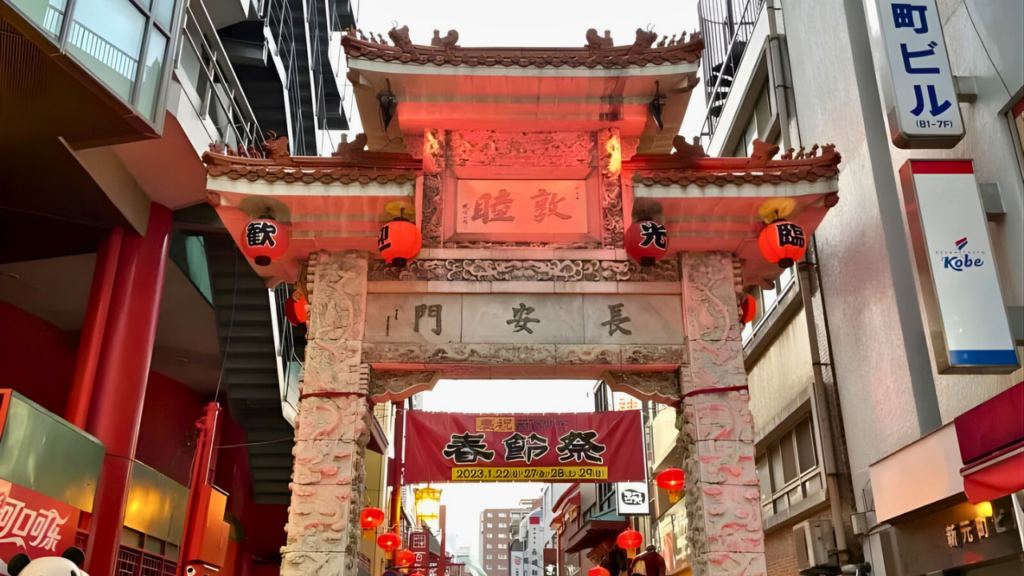
Bright gates mark entrances.
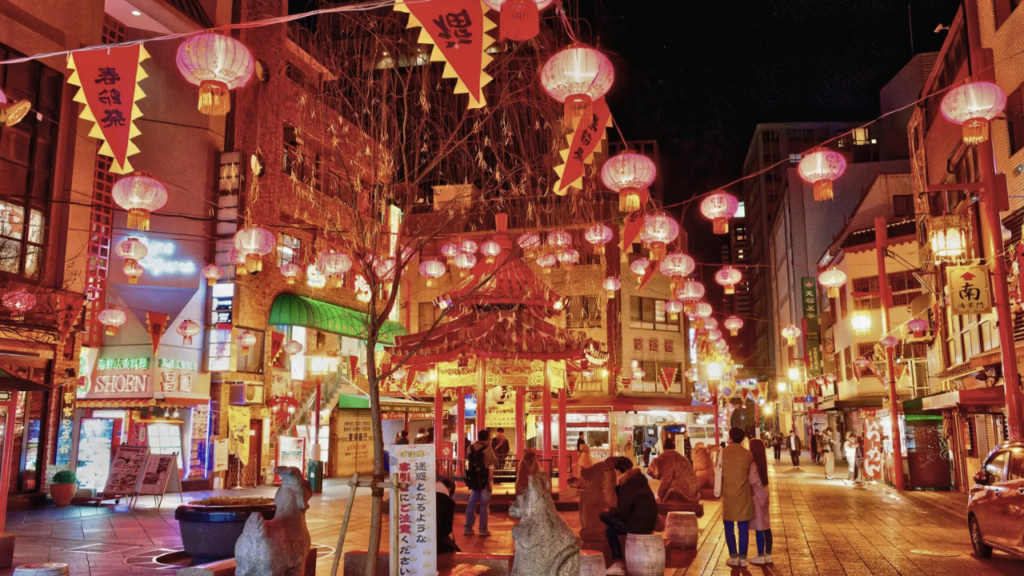
Red, gold, and decorative details define the scenery.
Lanterns, signs, and colors create strong visual contrast.
Even on cloudy days, the streets feel visually loud.
Practical Observations
Crowds fluctuate fast
Weekends and afternoons bring density.
Walking speed often drops noticeably.
Standing meals are common
Seating remains limited near stalls.
Therefore, many visitors eat while walking or standing.
Smell intensity is constant
Steam, oil, and sauces fill the air.
However, scents change every few steps.
Cash remains useful
Some smaller vendors still prefer it.
Sit-Down Alternatives
For those wanting stability after street snacks:
Minsei
Known locally for Cantonese-style dishes.
Ryukaso
Recognizable for roast chicken.
Gunai Tea Restaurant
Offers noodles, dim sum, and congee.
Indoor dining provides quieter sound levels and physical rest.
Position Within Kobe
Nankinmachi works best as a connector rather than a main destination.
It fits naturally between:
• Harborland
• Motomachi
• Sannomiya
Short, dense, efficient.
FAQ
Yes, congestion often builds near popular stalls.
During peak hours, the streets felt tight and movement slowed noticeably.
Additionally, queue lines sometimes blocked walking paths.
Seating options are limited in the main street areas.
Therefore, many visitors ate while standing, and legs felt tired after longer stays.
Meanwhile, cafés and restaurants offered more stable rest.
Yes, navigation remains simple due to the compact layout.
Additionally, bright gates and signage helped orientation, even when crowds increased.
Meanwhile, the noise level felt lively but manageable.